

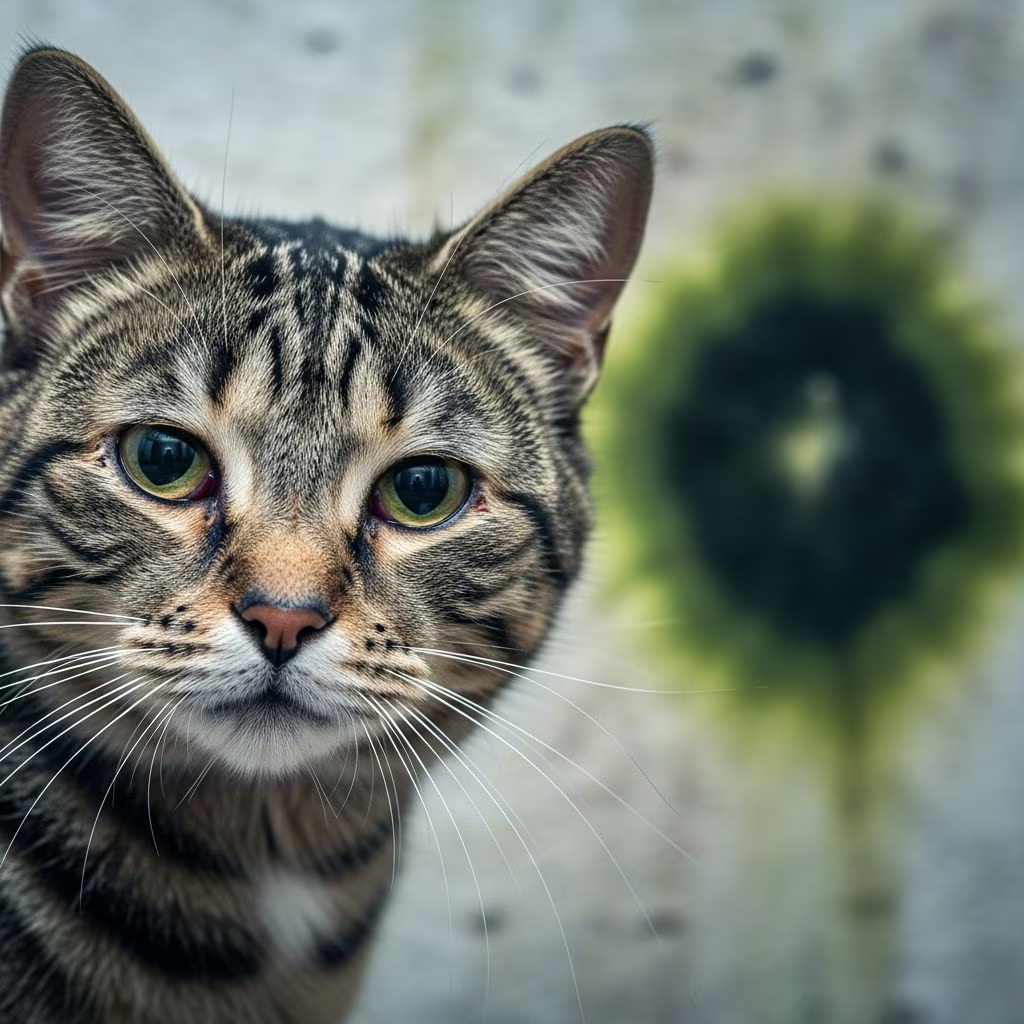
Mold represents a significant but often overlooked health hazard for cats living in affected homes. Unlike visible household threats, mold growth can develop silently in damp areas, releasing microscopic spores that pose serious risks to feline respiratory systems, digestive health, and immune function. Understanding how mold affects cats and recognizing the early warning signs can mean the difference between a full recovery and serious, long-term health complications for your beloved pet.
Understanding Mold Toxicity in Feline Companions
When cats encounter mold in their environment, their bodies may react in multiple ways depending on the type of mold, concentration of spores, and individual susceptibility. Mycotoxicosis, the medical term for mold poisoning in animals, occurs when cats are exposed to toxins produced by certain mold species. Black mold, scientifically known as Stachybotrys chartarum, produces particularly potent mycotoxins that can affect various organ systems in cats.
The severity of mold-related illness in cats varies considerably from one animal to another, similar to how different humans respond to mold exposure with varying degrees of severity. Some cats may experience mild symptoms that resolve quickly, while others develop chronic conditions or life-threatening complications. This variability underscores the importance of prompt veterinary evaluation whenever mold exposure is suspected.
Three Primary Pathways of Mold Exposure
Cats can encounter mold toxins through distinct exposure routes, each presenting unique health risks and symptom patterns.
Ingestion Through Contaminated Materials
Cats exploring their environment may accidentally consume mold-contaminated food, water, or debris. Ingestion represents one of the most direct routes for mycotoxin exposure. Kittens and curious cats are particularly vulnerable to this type of exposure because they investigate their surroundings by sniffing and tasting objects. When cats ingest moldy materials, the toxins enter the digestive system directly, potentially causing rapid onset of gastrointestinal symptoms. Symptoms from ingestion typically include vomiting, loss of appetite, and altered stool appearance, sometimes containing blood. In severe cases where significant amounts of mold are consumed, ingestion can trigger neurological symptoms including tremors and seizures.
Inhalation of Airborne Spores
The most common exposure pathway for mold-related illness in cats involves breathing contaminated air. Indoor mold colonies release spores continuously into the breathing environment, making inhalation a pervasive exposure route in moldy homes. Areas prone to mold growth include basements, bathrooms, under sinks, and around plumbing fixtures. Certain environments like pool houses create ideal conditions for extensive mold colonization. When cats inhale mold spores, these microscopic particles penetrate the respiratory tract, triggering inflammation and irritation in the lungs and airways. Symptoms develop as the respiratory system reacts to ongoing spore exposure and toxin accumulation.
Allergic Sensitization and Immune Response
Prolonged residence in moldy environments can cause cats to develop true allergic reactions to mold allergens. Unlike seasonal environmental allergies, mold allergies persist year-round because indoor mold exposure continues regardless of the season. This constant allergic stimulation creates ongoing symptoms that may appear sporadically without predictable patterns. Allergic cats develop heightened immune responses to mold proteins, leading to chronic skin and respiratory manifestations.
Recognizing Mold-Related Illness in Your Cat
Cats often mask early signs of illness, making symptom recognition challenging for even attentive owners. The subtle nature of feline behavior changes means distinguishing genuine illness from typical standoffish behavior requires careful observation. Early detection improves treatment outcomes significantly.
Respiratory Manifestations
Respiratory symptoms emerge frequently in mold-exposed cats because inhalation represents the primary exposure route in most households. Persistent coughing and sneezing indicate that mold spores have irritated the upper and lower airways. Wheezing sounds during normal breathing suggest the bronchial passages are inflamed and narrowed. More concerning symptoms include nasal discharge or watery eyes, which indicate significant inflammatory response in the respiratory tract. Severe cases may present with difficulty breathing or shortness of breath, representing respiratory distress requiring immediate veterinary attention. Some cats experience nose or mouth bleeding due to extensive respiratory tract damage.
Allergic and Dermatological Signs
Mold-triggered allergies manifest primarily through skin symptoms in many cats. Excessive scratching, licking, or biting at the skin indicates allergic irritation. Cats may develop red, inflamed patches of skin, particularly in areas where they groom most intensively. Hair loss and bald patches develop from persistent self-trauma during intense scratching sessions. The skin may appear dry and scaly, with unnatural discoloration developing in affected areas. Anxious behavior and restlessness often accompany allergic skin disease, as the constant itching creates discomfort and stress for affected cats.
Behavioral and Systemic Changes
Mold exposure frequently triggers behavioral changes that reflect the cat’s declining health status. Excessive sleeping and hiding indicate the cat feels unwell and seeks comfort in secluded spaces. Loss of appetite represents a common systemic response to mold poisoning, occurring across multiple exposure pathways. Lethargy and fatigue develop as the immune system expends energy fighting the mold toxins and inflammation. Gastrointestinal upset manifests as vomiting or diarrhea, either from direct ingestion of mold or from systemic toxin effects on the digestive system. Cats experiencing neurological effects from mold exposure may display tremors, seizures, or uncoordinated movements indicating central nervous system involvement.
Diagnostic Challenges
Many mold-related symptoms overlap with common feline illnesses like upper respiratory infections, allergies from other causes, and gastrointestinal disorders. This symptom overlap complicates accurate diagnosis and may delay appropriate treatment. Veterinarians must consider environmental factors, exposure history, and sometimes perform testing to distinguish mold poisoning from other conditions.
Long-Term Health Consequences of Chronic Mold Exposure
Cats experiencing prolonged mold exposure face escalating health risks that extend far beyond immediate symptom management.
Progressive Respiratory Deterioration
Continuous inhalation of mold spores creates chronic irritation that progressively damages respiratory tissues. Repeated inflammation weakens the respiratory system’s defensive mechanisms, making the cat increasingly vulnerable to secondary infections. What begins as occasional coughing can develop into chronic bronchitis or asthma-like conditions requiring ongoing management. The constant irritation impairs the lungs’ ability to filter and defend against additional pathogens. In severe cases, continued exposure can cause pulmonary hemorrhage, where blood vessels in the lungs rupture and bleed internally—a life-threatening emergency.
Systemic Fungal Infections
Certain mold species bypass the respiratory system and establish infections deep within the body. Aspergillosis represents a serious systemic infection where fungal spores colonize the nasal passages and lungs, causing severe breathing problems. Other fungal species like Fusarium and Penicillium can establish infections affecting internal organs. These infections require aggressive antifungal medication therapy and may not fully resolve even with treatment. Blastomycosis and ringworm represent additional fungal infections that can result from mold exposure, creating skin lesions, persistent itching, and hair loss.
Immune System Compromise
Mycotoxins actively suppress immune function, making toxin-exposed cats susceptible to opportunistic infections. Cats with chronic mold exposure develop recurring secondary bacterial and fungal infections because their immune systems cannot mount adequate defenses. This cyclical pattern of infection and treatment creates chronic illness requiring ongoing veterinary care and medication.
Organ Damage and Systemic Disease
Long-term exposure to mycotoxins causes cumulative damage to vital organs. The liver and kidneys, which filter toxins from the body, sustain particular damage from chronic mycotoxin exposure. Affected cats may develop liver disease affecting blood clotting ability, leading to nosebleeds and internal hemorrhages. Kidney problems develop as these organs fail to process accumulated toxins effectively. Some research suggests chronic mold exposure may increase cancer risk in susceptible animals.
Veterinary Assessment and Treatment Approaches
Immediate veterinary consultation is essential whenever mold exposure is suspected. Veterinarians focus initial treatment on managing the most urgent symptoms while addressing underlying exposure.
Diagnostic Procedures
Veterinarians begin by obtaining a detailed history of the home environment, asking about visible mold, moisture problems, and symptom onset timing. Physical examination may reveal respiratory abnormalities, skin lesions, or other findings consistent with mold exposure. Laboratory testing of blood or other samples helps assess organ function and rule out alternative diagnoses. Radiographs (X-rays) of the chest may reveal lung changes suggesting respiratory infection or damage.
Symptomatic and Supportive Care
Treatment protocols address the specific symptoms affecting individual cats. Antihistamines or corticosteroids manage inflammatory responses reducing respiratory distress and allergic reactions. Antibiotics treat secondary bacterial infections that frequently develop in immunocompromised cats. Air purifiers with HEPA filtration reduce airborne mold spore concentrations, decreasing ongoing inhalation exposure. In severe cases involving fungal infections, antifungal medications become necessary, potentially including oral medications or specialized infusion therapies. Supportive care manages vomiting, gastric distress, dehydration, and other complications.
Environmental Remediation
Identifying and eliminating the mold source is critical because continued exposure prevents full recovery. Without addressing the environmental problem, treated cats face re-exposure and symptom recurrence. Complete mold removal may require professional remediation services, particularly with extensive contamination. Thorough cleaning of the cat’s living areas ensures removal of mold spores and contaminated materials.
Prevention Strategies for Mold-Related Feline Illness
Protecting cats from mold exposure involves identifying risk areas and maintaining dry indoor environments. Regular inspection of bathrooms, kitchens, basements, and other moisture-prone areas catches mold growth early. Prompt repair of water leaks and plumbing issues prevents moisture accumulation that enables mold colonization. Adequate ventilation in bathrooms and kitchens reduces humidity levels that support mold growth. Dehumidifiers in basements or other damp areas maintain humidity below 50%, limiting mold proliferation. Keeping litter boxes and food areas dry prevents local mold growth in spaces where cats spend significant time.
Frequently Asked Questions About Mold Exposure in Cats
How quickly do mold poisoning symptoms appear in cats?
Symptom onset varies depending on exposure route and toxin type. Ingestion may cause symptoms within hours, while inhalation symptoms typically develop over days to weeks of exposure. Allergic reactions may take weeks to months to develop fully.
Can mold exposure be fatal to cats?
Yes, severe mold exposure can be fatal, particularly when pulmonary hemorrhage occurs. A documented case from 2007 involved two cats that died from pulmonary hemorrhage following black mold exposure. While such severe outcomes are uncommon, they underscore the importance of prompt treatment.
How is mold poisoning diagnosed in cats?
Diagnosis combines environmental history, clinical signs, physical examination findings, and supporting laboratory or imaging tests. Confirming mold exposure in the home strengthens the diagnosis significantly.
Are some cats more susceptible to mold poisoning than others?
Yes, individual variation in susceptibility occurs based on genetics, age, prior health status, and immune function. Kittens, elderly cats, and those with pre-existing health conditions face elevated risk from mold exposure.
What should I do if I suspect my cat has mold exposure?
Contact your veterinarian immediately for evaluation. Provide information about potential mold sources in your home. Avoid delay, as early treatment produces better outcomes. Consider professional mold inspection and remediation if visible mold is present.
Environmental Mold Testing and Home Assessment
When significant mold exposure is suspected, professional mold testing identifies the extent of contamination and guides remediation efforts. Home mold testing kits provide preliminary information, though professional assessment offers more comprehensive evaluation. Identifying specific mold types helps determine appropriate treatment protocols, as different mold species produce different toxins requiring targeted approaches.
Moisture source identification represents the foundation of effective mold prevention. Addressing water intrusion, plumbing leaks, and inadequate drainage prevents mold recurrence after remediation. Once moisture sources are controlled, mold growth cannot sustain itself, protecting both cats and human household members from ongoing exposure.
References
- Black Mold Symptoms in Cats and How to Treat Exposure — Spore by Vitaliti. 2024. https://www.sporebyvitaliti.com/post/black-mold-symptoms-in-cats-and-how-to-treat-exposure-why-mold-testing-is-critical
- Mold Exposure Symptoms in Cats — Pur360 Solutions. 2024. https://pur360solutions.com/mold-exposure-symptoms-in-cats/
- How Does Black Mold Affect Your Four-Legged Family Members? — Indiana Mold. 2024. https://indianamold.com/mold-remediation/how-does-black-mold-affect-your-four-legged-family-members/
- How Does Mold Exposure Affect Your Pets? — Anasazi Animal Clinic. 2024. https://anasazivet.com/how-does-mold-exposure-affect-your-pets/
- What’s Poisonous to Pets? Part 3: Molds and Other Fungi — Mount Sinai Animal Hospital. 2024. https://www.msah.com/blog/what-s-poisonous-to-pets-part-3-molds-and-other-fungi
- Mold Sickness in Pets; What you need to Know — Mold Test Company. 2024. https://moldtestcompany.com/mold-sickness-and-pets/
- Fungal Toxicosis in Cats – Symptoms, Causes, Diagnosis, Treatment — Wag Walking. 2024. https://wagwalking.com/cat/condition/fungal-toxicosis



