

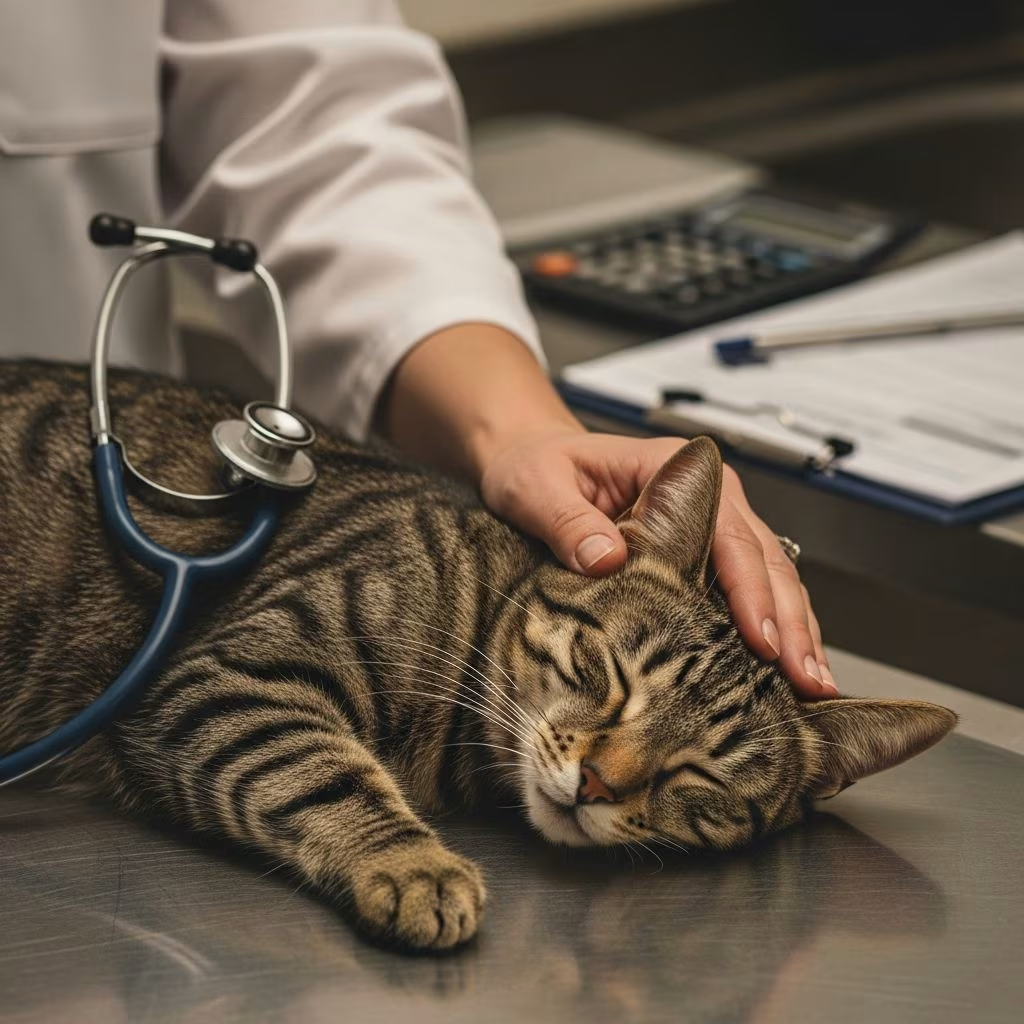
Cat ownership extends far beyond purchasing food and litter supplies. One of the most significant ongoing expenses pet owners face involves veterinary care, from preventive wellness visits to emergency treatments for unexpected illnesses or injuries. Understanding these costs allows cat owners to make informed financial decisions and ensure their feline companions receive necessary medical attention without undue financial hardship. This guide explores the landscape of feline medical expenses, providing realistic figures and strategies for managing these inevitable costs.
Establishing Your Cat’s Baseline Medical Expenses
When bringing a new cat into your home, several essential medical services establish the foundation for lifelong health. These initial investments typically occur during the first visit to your veterinarian and set the stage for preventive care throughout your pet’s life.
A comprehensive physical examination, which forms the cornerstone of initial veterinary care, ranges from $30 to $200 depending on your location and veterinary clinic. During this assessment, your veterinarian evaluates your cat from head to tail, identifying potential infections, assessing cardiac function, checking for parasites, and examining dental health.
Vaccination protocols represent another crucial first-year expense. Kittens require a series of vaccines with boosters progressing through approximately 4 to 5 months of age, while adult cats with unknown medical histories also need initial immunization. Core vaccines typically include rabies, FVRCP (feline viral rhinotracheitis, calicivirus, and panleukopenia), and sometimes feline leukemia. Initial vaccination costs generally fall between $60 and $300.
Parasite screening and prevention require investment before problems develop. Veterinarians recommend stool sample testing for intestinal parasites regardless of visible symptoms, followed by ongoing preventive medications for fleas, ticks, heartworms, and internal parasites. These services cost between $50 and $200 initially.
Retrovirus testing for feline leukemia virus (FeLV) and feline immunodeficiency virus (FIV) costs $25 to $60 and proves especially important for kittens or shelter cats. Knowing your cat’s status guides future care decisions and protects other household pets.
For cats not already spayed or neutered, this surgical procedure represents a significant but essential expense, ranging from $0 to $500 or more depending on your cat’s age, health status, and your location. This one-time investment prevents unwanted litters and eliminates health risks associated with reproductive diseases.
Baseline laboratory work, costing $20 to $150, provides crucial health baseline information even when cats appear perfectly healthy externally. These initial test results become valuable reference points for comparison as your cat ages.
Routine Veterinary Care Throughout Your Cat’s Life
Beyond initial medical setup, cats require ongoing preventive care to maintain optimal health and catch developing problems early. Annual veterinary visits, typically costing $40 to $150 per year, include physical examinations and wellness assessments. These routine appointments prove less expensive than emergency care and allow early detection of emerging health issues.
Dental health represents an often-overlooked aspect of feline care. Professional dental cleanings range from $100 to $600 annually or as needed. Dental disease left untreated can lead to serious infections and complications affecting multiple organ systems.
Parasite prevention requires ongoing investment. Annual costs for flea, tick, heartworm, and internal parasite prevention range from $600 to $2,400 depending on your chosen preventive products and your cat’s individual needs.
Common Health Conditions and Associated Treatment Expenses
Specific feline health conditions carry predictable treatment costs that help owners anticipate potential expenses. Understanding these ranges allows for better financial planning.
Cancerous tumors represent serious threats to feline health, with treatment costs ranging from $500 to $6,000 depending on cancer type, severity, and chosen treatment modalities. Treatment may involve surgery, chemotherapy, radiation, or combinations of these approaches.
Eye conditions like cataracts, which cloud the lens and impair vision, typically require surgical intervention costing between $2,000 and $3,000. Without treatment, cataracts can lead to permanent blindness.
Cruciate ligament tears, ligament injuries in the knee joint, require surgical repair with costs between $2,000 and $4,000. These injuries often result from trauma or degenerative joint disease and significantly limit a cat’s mobility without intervention.
Ear canal ablation, a surgical procedure removing the external ear canal in cases of severe chronic ear disease, costs $2,000 to $4,000. This procedure addresses chronic ear infections resistant to medical management.
Throat cancer presents particularly challenging treatment scenarios, with costs ranging from $2,500 to $20,000 depending on cancer stage, treatment approach, and individual circumstances. This condition often requires aggressive multimodal therapy.
Minor illnesses and injuries, such as flea and tick infestations, worm infections, allergies, minor cuts and scrapes, or insect bites, typically cost between $80 and $1,500 to treat, including any necessary diagnostic testing or imaging.
Emergency and Intensive Care Expenses
Unexpected medical emergencies can result in substantial veterinary bills. Emergency veterinary services command premium pricing due to after-hours availability and immediate availability of specialized equipment and specialists. Emergency treatment costs can escalate rapidly, particularly for conditions requiring hospitalization, intensive monitoring, or specialized procedures. Cats experiencing trauma, acute organ failure, severe infections, or other life-threatening conditions may require several days of intensive care, with costs potentially reaching thousands of dollars.
Diagnostic testing, including laboratory work, radiography, and ultrasound imaging, provides essential information for diagnosing conditions but adds significantly to overall treatment costs. A single radiographic series might cost $150 to $300, while ultrasound imaging can range from $300 to $500 or more, and comprehensive laboratory panels typically cost $100 to $300 depending on the specific tests performed.
Age-Related Health Considerations and Costs
As cats age, medical expenses typically increase substantially due to chronic disease development and increased diagnostic monitoring. Senior cats commonly develop age-related conditions requiring ongoing management and frequent veterinary attention.
Chronic kidney disease affects many aging felines, progressively damaging the kidneys’ ability to filter waste and maintain proper fluid balance. Early-stage disease may present only subtle signs like modest weight loss or increased thirst. As the condition advances, cats become severely dehydrated, anemic, or nauseous. Emergency treatment for advanced disease involves hospitalization, intravenous fluid therapy, and ongoing medications—expenses that accumulate to thousands of dollars annually. However, early detection through routine bloodwork allows affordable management using prescription diets and hydration support, enabling cats to maintain comfort for years while avoiding crisis-level costs.
Hyperthyroidism, caused by thyroid gland overactivity, develops gradually in many senior cats. This condition causes weight loss despite increased appetite, hyperactivity, vomiting, and cardiac strain. Untreated hyperthyroidism can trigger life-threatening hypertension and heart failure requiring expensive emergency interventions. When identified early through preventive bloodwork, the condition responds to inexpensive oral medication, dietary modification, or a single curative radioactive iodine treatment—substantially less costly than emergency cardiac care.
Diabetes mellitus affects aging cats, particularly those struggling with obesity. Managing diabetes typically requires twice-daily insulin injections and regular blood glucose monitoring, with annual management costs potentially reaching thousands of dollars. Prevention through weight management costs significantly less than treating established diabetes.
Senior cats require annual wellness examinations, comprehensive bloodwork and urinalysis, specialized diets, multiple medications, and sometimes specialist consultations. These cumulative expenses can range from several hundred to several thousand dollars annually, depending on the number and severity of chronic conditions.
Financial Strategies for Managing Veterinary Costs
Several approaches help manage the substantial expenses associated with feline healthcare. Pet insurance provides one option, with premiums ranging from $120 to $400 annually, often increasing as cats age. Insurance coverage varies significantly between policies, so careful review of coverage limits, deductibles, exclusions, and reimbursement percentages proves essential.
Veterinary membership plans offered by some clinics bundle services at discounted rates, spreading costs more evenly throughout the year. These plans often include wellness visits, vaccines, and other preventive services at reduced prices compared to fee-for-service arrangements.
Low-cost veterinary clinics provide another resource, particularly for routine services like vaccinations, spay/neuter procedures, and parasite prevention. These facilities typically charge significantly less than full-service emergency veterinary hospitals while maintaining appropriate care standards.
Preventive care investments yield substantial long-term savings by identifying and managing conditions in early stages before expensive emergency intervention becomes necessary. Annual wellness visits, routine bloodwork for senior cats, dental cleanings, and parasite prevention cost far less than treating advanced disease.
Monthly Budget Considerations
Beyond annual and one-time expenses, owners should budget for regular monthly costs. Monthly food expenses typically range from $20 to $80, while litter costs between $15 and $40. Medications, when required for chronic conditions, can cost $50 to $200 monthly. Treats, toys, and enrichment activities add another $15 to $120 monthly. These regular expenses total $100 to $440 monthly on average, though individual circumstances vary significantly.
Frequently Asked Questions
What do routine cat vet visits typically cost?
Routine veterinary visits for cats average $53 to $124 nationally, though costs vary by location, clinic type, and specific services provided. Annual wellness visits typically cost $40 to $150.
How much should I budget annually for cat healthcare?
Annual cat healthcare costs typically range from $940 to $4,300 or more, depending on age, health status, and location. This includes routine visits, vaccines, preventive medications, and occasional treatments for minor issues.
Can preventive care really reduce long-term veterinary expenses?
Yes, preventive care consistently costs less than treating advanced disease. Vaccinations cost far less than treating the severe infections they prevent. Early detection and management of chronic diseases like kidney disease and hyperthyroidism through routine bloodwork allows affordable intervention before crisis situations develop, saving thousands in emergency care costs.
What health conditions are most expensive to treat in cats?
Throat cancer ($2,500-$20,000), cancer generally ($500-$6,000), cataracts ($2,000-$3,000), and ligament injuries ($2,000-$4,000) represent among the costliest feline conditions. Chronic diseases like diabetes and kidney disease also accumulate substantial expenses through ongoing management.
Are there ways to reduce unexpected emergency veterinary bills?
Pet insurance, veterinary membership plans, and low-cost clinics all help manage expenses. Additionally, maintaining preventive care reduces the likelihood of emergencies developing. Setting aside emergency funds specifically for pet healthcare ensures financial readiness when unexpected situations arise.
Creating Your Feline Healthcare Budget
Responsible cat ownership requires acknowledging that medical expenses form a substantial part of pet care costs. By understanding typical expenses for various services and conditions, owners can create realistic budgets and make informed decisions about insurance, membership plans, and preventive care investments.
First-year costs for new cats typically range from $1,025 to $7,265 or more depending on adoption fees, medical services, and essential supplies. Ongoing annual costs generally fall between $940 and $4,300 or more, with monthly expenses between $100 and $440. Senior cats often exceed these ranges significantly due to increased medical needs.
Recognizing that investing in preventive care today prevents costlier problems tomorrow allows owners to maintain their cats’ health while managing financial obligations responsibly. Whether through insurance, membership plans, regular savings, or a combination of strategies, planning for veterinary expenses ensures cats receive the care they need throughout their lives.
References
- Cat Health Issues | What Pet Parents Should Look Out For — Pet Insurance Quotes. 2025. https://www.petinsurancequotes.com/blog/pet-health/cat-health-issues
- How Much Does a Cat Cost in 2025? — Chewy. 2025. https://www.chewy.com/education/cat/general/how-much-does-a-cat-cost
- How Much Will I Pay for My Dog or Cat’s Health Costs in a Year? — Tucson Veterinary Urgent Care. https://tucsonveterinaryurgentcare.com/dog-cat-pet-health-costs/
- Investing in Your Cat’s Health: How Preventive Care Costs Now Limit Future Pet Financial Stress — Just Cats Clinic. https://justcatsclinic.com/investing-in-your-cats-health-how-preventive-care-costs-now-limit-future-pet-financial-stress/
- Cutting Pet Care Costs — ASPCA. 2021. https://www.aspca.org/pet-care/general-pet-care/cutting-pet-care-costs
- How Much Does a Vet Visit Cost? Average Pricing By Procedure — CareCredit. https://www.carecredit.com/vetmed/costs/



