

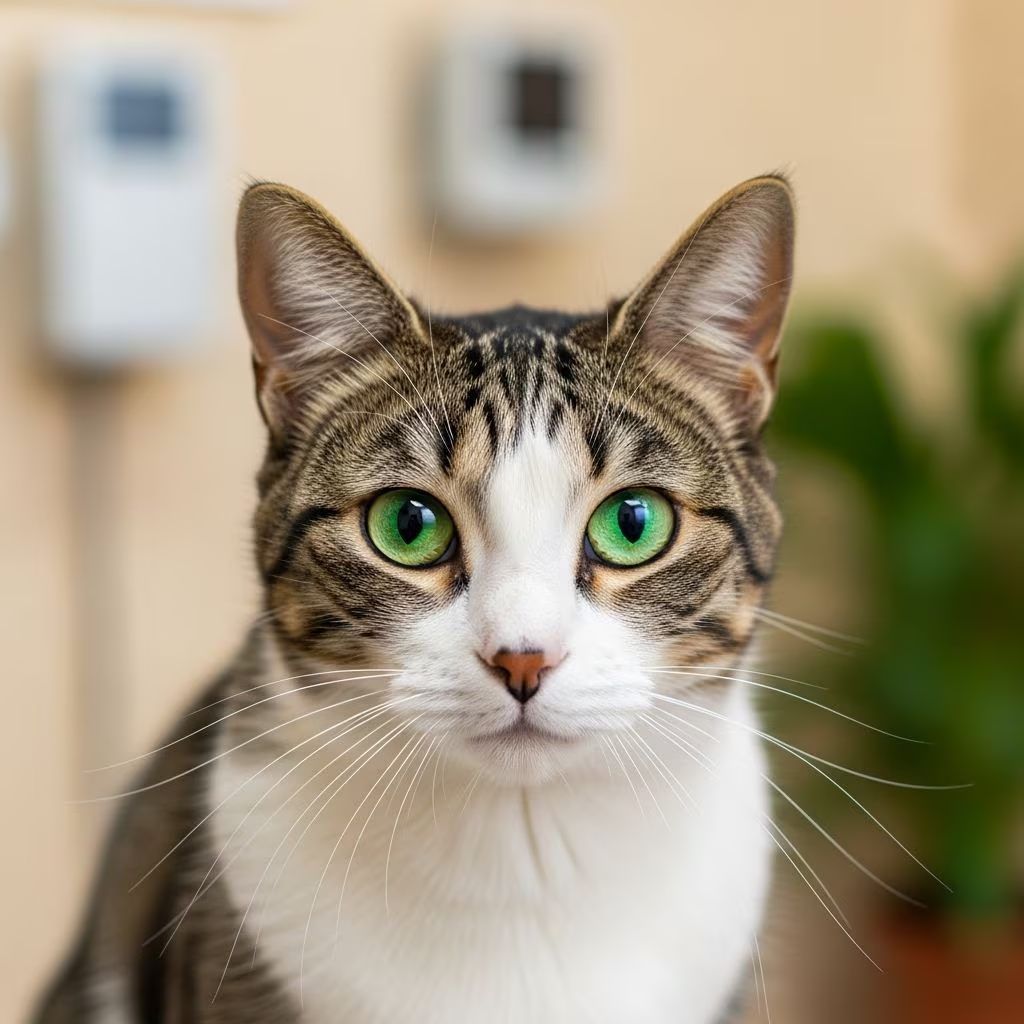
Cat owners face numerous health challenges when caring for their feline companions. Understanding the most prevalent conditions affecting cats and recognizing their warning signs can make the difference between early intervention and serious complications. This comprehensive guide examines the major health issues cats experience, helping you become a more informed and proactive pet parent.
Understanding Upper Respiratory Infections in Cats
Upper respiratory infections represent one of the most frequently encountered illnesses in feline medicine. URIs affect cats across all age groups, though kittens face heightened vulnerability due to their underdeveloped immune systems. These infections stem from viral and bacterial pathogens that colonize the respiratory tract, causing inflammation and discomfort.
The primary culprits behind most upper respiratory infections in cats include feline herpesvirus and feline calicivirus. Cats in multi-cat households, shelter environments, or outdoor settings experience higher exposure rates to these contagious pathogens.
Recognizing Respiratory Distress
Identifying URI symptoms early allows for prompt veterinary intervention. Common manifestations include:
- Persistent sneezing and nasal congestion
- Clear or colored nasal discharge
- Coughing or shallow breathing
- Watery eye discharge with possible redness
- Reduced appetite and lethargy
- Fever and general malaise
- Mouth ulcers affecting eating ability
Without proper treatment, URI complications can escalate to pneumonia, chronic breathing difficulties, or even vision impairment. Veterinary care typically involves supportive measures including hydration support, antibiotics or antivirals, and nutritional assistance.
Feline Leukemia Virus: A Serious Threat
Feline Leukemia Virus (FeLV) represents one of the most consequential viral infections in cats. This pathogen suppresses immune function, leaving affected cats vulnerable to secondary infections and malignancies. FeLV spreads between cats through close contact, saliva, urine, and blood, making indoor cats in multi-cat homes and outdoor cats particularly susceptible.
Identifying FeLV Symptoms
The manifestations of FeLV vary widely depending on the infection stage and individual cat resilience:
- Progressive weight loss despite adequate feeding
- Persistent or recurrent fever
- Severe lethargy and depression
- Enlarged lymph nodes throughout the body
- Poor coat quality with disheveled appearance
- Pale or inflamed gum tissue
- Vomiting and diarrhea episodes
- Behavioral changes and personality shifts
Currently, no cure exists for FeLV. However, modern veterinary management focuses on maintaining quality of life through supportive care, symptom management medications, and regular health monitoring. Vaccination serves as the primary prevention strategy, particularly for outdoor cats and those in multi-cat environments.
Feline Immunodeficiency Virus and Immune Compromise
Feline Immunodeficiency Virus (FIV) operates similarly to its human counterpart, gradually compromising immune function over time. Unlike FeLV, FIV develops slowly, and infected cats may appear healthy for extended periods before symptoms emerge.
Gradual Symptom Development
FIV symptoms tend to manifest insidiously, with owners often missing early signs of decline:
- Enlarged lymph nodes in various body locations
- Unexplained chronic weight loss
- Persistent fever without apparent cause
- Poor coat condition and lack of grooming
- Anemia and reduced energy levels
- Recurrent respiratory symptoms including sneezing
- Chronic diarrhea and digestive upset
- Gum disease and oral inflammation
- Wounds that heal slowly or fail to close properly
- Behavioral changes and mood alterations
Though no definitive cure exists yet, FIV-positive cats benefit from proper management including stress reduction, dietary optimization, preventive medications, and veterinary oversight. Keeping FIV-positive cats indoors prevents transmission to other felines.
Feline Parvovirus: An Emergency Situation
Feline Parvovirus (FPLV), also called feline distemper, constitutes a medical emergency requiring aggressive intervention and often hospitalization. This highly contagious virus devastates the intestinal lining and immune system, proving particularly dangerous for young kittens and unvaccinated cats.
Critical Warning Signs
Feline parvovirus produces severe, unmistakable symptoms demanding immediate veterinary attention:
- Severe vomiting and diarrhea
- High fever unresponsive to comfort measures
- Complete loss of appetite
- Severe lethargy and depression
- Dehydration with visible signs
- Possible seizures or paralysis in severe cases
- Eye and gum inflammation
- Rapid weight loss
Treatment involves aggressive supportive therapy including intravenous fluids, electrolyte replacement, nutritional support, and medications managing symptoms. Young kittens contracting parvovirus risk permanent brain damage affecting coordination and cognitive function throughout life. Vaccination remains the most effective prevention strategy, with boosters recommended every three to four years.
Ringworm: A Fungal Challenge
Despite its misleading name, ringworm represents a fungal infection rather than parasitic infestation. This condition affects the skin and hair, causing distinctive lesions and potential zoonotic transmission to humans and other animals.
Recognizing Fungal Infection Signs
Ringworm manifests through visible skin and coat changes:
- Circular patches of hair loss (alopecia)
- Reddish or silvery discoloration of affected areas
- Skin thickening and scaling
- Itching intensity varying from mild to severe
- Secondary sores and scabs from scratching
- Possible nail involvement and brittleness
Veterinary treatment typically combines topical antifungal agents including medicated shampoos, ointments, and creams. More severe or widespread infections may require oral antifungal medications for systemic effectiveness. During treatment, regular environmental cleaning and isolation from other animals prevents transmission.
Diabetes: Managing Metabolic Disease
Feline diabetes develops when the pancreas fails to produce sufficient insulin or when cells become resistant to insulin’s effects. This metabolic disorder has become increasingly prevalent in domestic cats, particularly among overweight and senior individuals.
Metabolic Warning Indicators
Diabetes presents through metabolic and behavioral changes:
- Excessive thirst (polydipsia)
- Increased urination frequency and volume
- Weight loss despite maintained appetite
- Lethargy and reduced activity levels
- Poor coat quality
- Weakness in hind limbs
- Changes in gait and mobility
Early detection enables management through dietary modifications emphasizing protein-rich, low-carbohydrate nutrition, combined with insulin therapy when necessary. Regular monitoring through blood glucose testing helps optimize treatment and potentially achieve remission in some cases.
Chronic Kidney Disease in Aging Cats
Chronic Kidney Disease (CKD) affects many senior cats, representing a progressive decline in renal function that cannot be reversed but can be managed. This condition becomes increasingly common as cats age, affecting their quality of life significantly without proper intervention.
Early Detection Markers
CKD symptoms often develop gradually, making early identification challenging:
- Increased water consumption and thirst
- Increased frequency and volume of urination
- Weight loss and muscle wasting
- Decreased appetite and food refusal
- Bad breath or uremic odor
- Vomiting and nausea
- Lethargy and reduced activity
- Poor coat condition and fur quality
Management focuses on slowing disease progression through specialized kidney-support diets, medications managing blood pressure and proteinuria, fluid therapy in advanced stages, and regular monitoring through blood work and urinalysis. Early intervention substantially improves longevity and quality of life in CKD-affected cats.
Urinary Tract Complications
Feline Lower Urinary Tract Disease (FLUTD) encompasses various conditions affecting the bladder and urethra. These conditions cause significant discomfort and require prompt treatment to prevent serious complications including complete urinary blockage.
Urinary Distress Symptoms
- Frequent trips to litter box with minimal output
- Straining or difficulty during urination
- Blood-tinged or discolored urine
- Urinating outside litter box areas
- Excessive licking of genital areas
- Vocalization during bathroom visits
- Blocked urinary flow (emergency condition)
Treatment varies by underlying cause but typically includes antibiotics for infections, anti-inflammatory medications, dietary modifications, and increased water intake. Stress reduction and environmental enrichment support urinary health. Surgery becomes necessary if bladder stones develop. Providing fresh water continuously and maintaining litter box cleanliness aid in prevention.
Parasitic Infections and Gastrointestinal Issues
Internal parasites compromise feline health through nutritional theft and gastrointestinal inflammation. Cats acquire parasites through feces ingestion, contaminated food sources, contact with infected animals, and flea transmission.
Parasitic Infection Indicators
- Diarrhea with possible mucus or blood
- Vomiting and regurgitation
- Abdominal distention and discomfort
- Weight loss despite adequate feeding
- Poor coat appearance and dullness
- Anal itching and scooting behavior
- Lethargy and reduced playfulness
- Visible worms in stool or vomitus
Veterinary diagnosis involves stool sample analysis identifying parasite types. Treatment depends on the specific parasite involved, with medications targeting roundworms, tapeworms, hookworms, or protozoans. Some infected cats display no symptoms, making routine fecal examinations important during annual check-ups.
Cat Scratch Disease Transmission
Cat Scratch Disease (CSD) develops when infected flea feces contaminate bite or scratch wounds. While cats often show minimal symptoms, they serve as disease vectors to humans and other animals.
Subtle CSD Manifestations
- Fever and general malaise
- Decreased appetite
- Lethargy and reduced activity
- Skin redness or localized infections
- Vomiting episodes
- Lymph node enlargement
Management focuses on maintaining overall health and preventing flea infestations through regular parasite control, reducing transmission risk to human family members.
Important Symptoms Requiring Immediate Attention
Certain symptoms indicate emergencies requiring immediate veterinary evaluation:
- Difficulty breathing or strained respiration
- Complete loss of appetite lasting more than 24 hours
- Inability to urinate or defecate
- Uncontrolled vomiting or diarrhea
- Sudden behavioral changes or extreme lethargy
- Visible lumps, bumps, or skin abnormalities
- Unexplained weight loss
- Blood in urine, stool, or vomitus
- Signs of injury or trauma
Prevention and Wellness Strategies
Maintaining feline health requires proactive preventive measures:
- Maintain current vaccination schedules including annual boosters
- Provide regular parasitic prevention medications
- Feed nutritionally balanced, age-appropriate diets
- Ensure fresh water availability at all times
- Maintain clean litter boxes and living environments
- Provide mental stimulation and stress reduction
- Schedule annual wellness examinations
- Keep senior cats on twice-yearly check-up schedules
- Monitor weight and body condition regularly
Early disease detection dramatically improves treatment outcomes and quality of life in affected cats. By understanding these common conditions and their warning signs, cat owners can advocate effectively for their pets’ health and address issues promptly with veterinary professionals.
References
- Common Cat Diseases & Symptoms — My Best Friend Veterinary Hospital. Accessed February 2026. https://www.mybestfriendvet.com/common-cat-illnesses/
- Common Cat Illnesses – Signs, Symptoms, and Solutions — Hudson Animal Hospital NYC. Accessed February 2026. https://www.hudsonanimalhospitalnyc.com/services/cats/blog/common-cat-illnesses/
- Understanding Common Cat Illnesses and Their Treatments — Cherry Creek Veterinary Clinic. Accessed February 2026. https://www.cherrycreekvet.com/blog/understanding-common-cat-illnesses-and-their-treatments/
- Common Cat Illnesses and Treatments — Marketplace Veterinary. Accessed February 2026. https://www.marketplaceveterinary.com/blog/common-cat-illnesses-and-treatments/
- Common Cat Diseases — ASPCA. Accessed February 2026. https://www.aspca.org/pet-care/cat-care/common-cat-diseases



