

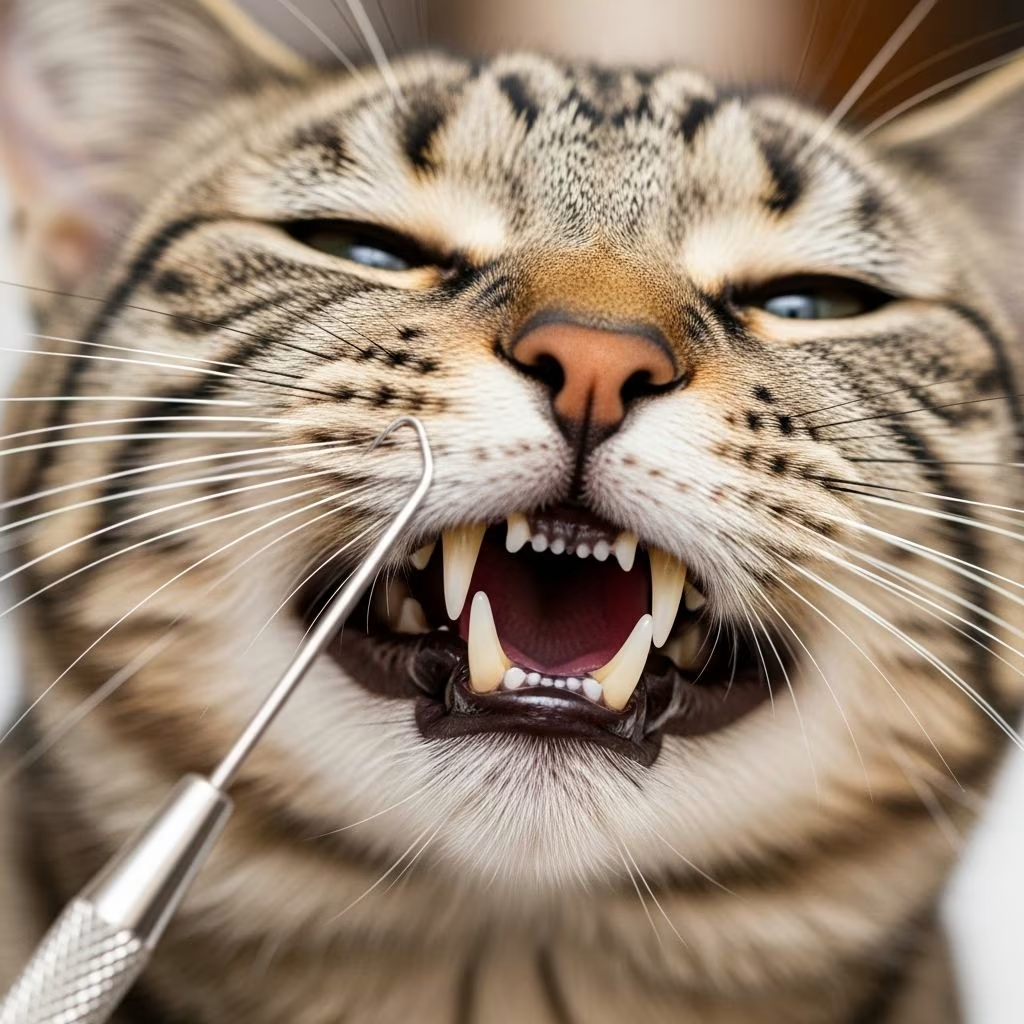
When your cat’s breath becomes noticeably unpleasant, it’s your feline companion’s way of communicating that something requires attention. Unlike humans who might suffer from temporary bad breath after eating certain foods, persistent foul odor in a cat’s mouth typically signals underlying health issues that deserve investigation. A healthy cat should have relatively neutral-smelling breath, and any significant departure from this baseline warrants closer examination of potential causes and appropriate interventions.
The Oral Foundation: How Dental Accumulation Creates Odor
The most prevalent source of unpleasant breath in felines originates within the oral cavity itself. Throughout daily eating and normal mouth activities, bacteria and food debris naturally accumulate along the gum line and tooth surfaces. Initially, this accumulation forms a soft, sticky coating called plaque—a film so common that many cat owners assume it’s a normal part of feline life. However, when plaque remains undisturbed and unremoved, it undergoes a transformation that proves far more problematic.
Over time, plaque hardens into a substance called tartar, or dental calculus, which develops a rough, cement-like texture that bacteria find exceptionally hospitable. Once tartar forms, it becomes increasingly difficult to remove through normal cleaning methods, requiring professional veterinary intervention. The bacteria colonizing this tartar don’t merely sit passively on tooth surfaces; they actively metabolize food particles and tissue debris, producing malodorous waste compounds as byproducts. These waste products create the characteristic foul smell that becomes noticeable when your cat yawns or gets close to your face.
As bacterial populations expand within tartar deposits, they begin attacking the delicate gum tissue beneath. This bacterial assault triggers inflammation, a condition known as gingivitis, which represents the early stages of periodontal disease. The inflamed gums themselves release additional foul-smelling compounds, while the bacterial activity continues generating odorous waste. This dual mechanism—bacterial waste production combined with inflammatory byproducts—intensifies the bad breath significantly.
Systemic Conditions Manifesting Through Breath Changes
Beyond oral cavity issues, several serious health conditions express themselves through alterations in breath odor. These systemic diseases require prompt veterinary attention because bad breath serves as an early warning sign of metabolic dysfunction or organ compromise.
Glucose Metabolism Breakdown in Diabetic Cats
When a cat develops diabetes, the body loses its ability to properly regulate and process blood glucose. In response to this glucose dysregulation, the body initiates an alternative energy pathway, breaking down fat stores for fuel instead of using glucose. This metabolic shift produces organic compounds called ketones, which accumulate in the bloodstream and are exhaled through the lungs. The resulting breath develops a distinctly sweet or fruity odor—sometimes described as similar to nail polish remover or overripe fruit.
This sweet-smelling breath indicates that your cat’s metabolism has shifted into crisis mode. If left untreated, the progression toward diabetic ketoacidosis can become life-threatening. The presence of this characteristic breath odor should prompt immediate veterinary evaluation, as early intervention in feline diabetes significantly improves outcomes and quality of life.
Kidney Function Deterioration and Waste Accumulation
A cat’s kidneys perform the essential function of filtering metabolic waste products from the bloodstream, allowing these substances to be eliminated through urine. When kidney disease develops, this filtration capacity diminishes progressively. Waste products that should be removed begin accumulating in the blood instead. Some of these accumulated waste compounds, particularly nitrogen-containing compounds like ammonia, travel through the bloodstream to the lungs where they are exhaled with each breath.
The resulting bad breath often carries a distinctly ammonia-like or urine-like scent, which can serve as a diagnostic clue during veterinary examination. Kidney disease in cats represents a serious condition requiring ongoing management, and the presence of characteristic breath odor alongside other symptoms like increased thirst and urination warrants immediate professional evaluation.
Hepatic Detoxification Failure and Toxic Byproduct Release
The liver serves as the body’s primary detoxification organ, transforming toxic metabolic waste products into harmless substances that can be safely eliminated through normal excretory processes. When liver disease compromises this function, the detoxification process breaks down, allowing toxic compounds to accumulate in the bloodstream. These toxic substances, unable to be properly converted to safer forms, are released through various routes including exhalation.
Liver disease-related bad breath often develops a musty or distinctly fishy quality that differs from other odor profiles. This characteristic odor, combined with other signs like jaundice, lethargy, or appetite changes, suggests hepatic dysfunction requiring comprehensive veterinary assessment and ongoing treatment planning.
Additional Oral and Systemic Contributing Factors
Beyond the primary causes, several other conditions can generate unpleasant mouth odor in cats:
- Respiratory infections: Bacterial or viral infections in the sinuses, throat, or lungs can produce foul-smelling breath as infected tissues release inflammatory compounds and bacterial waste products.
- Stomatitis: This painful inflammatory condition occurs when a cat’s immune system overreacts, attacking healthy tissue within the mouth. The resulting inflammation creates an ideal environment for bacterial overgrowth, intensifying bad breath.
- Trapped foreign objects: Occasionally, small objects become lodged between teeth or embedded in gum tissue. These trapped items collect bacteria and decomposing food matter, creating localized infections and concentrated odor.
- Gastrointestinal disorders: Digestive system dysfunction can affect breath quality, as can nutritional deficiencies that compromise immune function and increase susceptibility to oral infections.
- Dietary factors: Certain foods naturally produce stronger odors; additionally, wet food or diets that don’t encourage chewing allow food particles to accumulate between teeth, promoting bacterial growth.
The Hidden Connection Between Oral and Digestive Health
Many cat owners remain unaware of the profound connection between oral health and digestive system function. Harmful bacteria colonizing a cat’s mouth don’t remain confined to the oral cavity. These pathogenic organisms are regularly swallowed along with saliva and food, traveling directly to the intestinal tract where they can disrupt the delicate balance of the gut microbiome. This disruption can trigger digestive issues ranging from inflammation to nutrient malabsorption.
Additionally, chronic inflammation in the mouth can trigger systemic inflammatory responses affecting tissues throughout the body, including the digestive tract. Cats with severe dental disease often struggle to eat normally due to pain and discomfort, which starves the digestive system of necessary nutrients and disrupts normal feeding patterns. The combination of these factors explains why cats with significant periodontal disease frequently experience digestive disturbances alongside their bad breath.
Recognizing Warning Signs and Symptoms
Several observable signs indicate that your cat’s bad breath may signal underlying health issues requiring veterinary attention:
- Red, swollen, or bleeding gums suggesting gingivitis or periodontal disease
- Visible tartar buildup or tooth discoloration appearing as yellow or brown deposits
- Difficulty eating, reduced appetite, or behavioral changes related to oral pain
- Excessive drooling or pawing at the mouth
- Facial swelling around the jaw or cheek area
- Behavioral changes such as increased irritability or withdrawal
Early recognition of these symptoms enables prompt intervention before conditions progress to advanced stages requiring extensive treatment.
Professional Diagnosis and Personalized Treatment Planning
Accurately identifying the cause of your cat’s bad breath requires professional veterinary examination. During an oral evaluation, your veterinarian can assess tooth structure, gum health, and overall mouth condition to pinpoint the specific cause. For dental disease, professional cleaning performed under anesthesia using specialized ultrasonic scaling equipment removes stubborn tartar from tooth surfaces and beneath the gums. Severely compromised teeth may require extraction to prevent ongoing infection and pain.
When systemic conditions like kidney disease, diabetes, or liver disease contribute to bad breath, treatment focuses on managing the underlying metabolic or organ dysfunction through medication, dietary modification, and regular monitoring. Your veterinarian will recommend specific interventions based on diagnostic findings and your individual cat’s health status.
At-Home Oral Care Strategies
Between professional veterinary visits, several at-home approaches can help maintain your cat’s oral health and freshen breath:
Tooth Brushing Techniques
Regular brushing with pet-safe toothpaste and soft-bristled toothbrushes helps prevent plaque and tartar accumulation. Many cats initially resist brushing, but gradual introduction with positive reinforcement can help them accept this routine. Even brushing several times weekly provides benefits, though daily brushing offers optimal plaque control.
Dietary Modifications and Dental Foods
Feeding high-quality, balanced diets supports overall oral health. Dry kibble with appropriate texture can help mechanically scrape plaque from tooth surfaces during chewing, though diet alone cannot replace professional cleaning. Some veterinary dental diets are specifically formulated to promote oral health while meeting complete nutritional requirements.
Dental Supplements and Oral Care Products
Oral cleansing powders containing ingredients scientifically proven to reduce plaque-forming bacteria and harmful pathogens can be added to food. Dental care powders designed for water addition provide daily preventive benefits without requiring tooth brushing. Dental wipes or gels offer intermediate options for cats resistant to brushing.
Dental Treats and Chewing Toys
Specially formulated dental treats and chew toys encourage natural chewing behavior that helps reduce plaque accumulation. These products should meet veterinary standards and be appropriate for your cat’s individual health status and preferences.
Gut Health Support
Supplements supporting healthy gut microbiome function can reduce harmful bacteria proliferation throughout the digestive system, indirectly supporting oral health through improved immune function and reduced systemic inflammation.
Prevention Through Regular Veterinary Monitoring
The most effective approach to preventing bad breath involves consistent professional oversight combined with diligent home care. Regular veterinary check-ups allow early detection of dental problems or systemic health changes before they progress to advanced stages requiring intensive treatment. Professional cleaning performed periodically—frequency depending on individual risk factors—removes tartar that home care alone cannot address.
Frequently Asked Questions
Is my cat’s bad breath always serious?
While occasional food-related odor is normal, persistent bad breath consistently warrants veterinary evaluation as it typically indicates underlying health issues requiring treatment.
Can I treat my cat’s bad breath at home without veterinary care?
Home care strategies support oral health maintenance, but professional diagnosis and treatment are necessary to address the underlying cause of persistent bad breath.
How often should my cat receive professional dental cleaning?
Frequency depends on individual risk factors, existing conditions, and dental health status. Your veterinarian will recommend an appropriate cleaning schedule during routine examinations.
What should I do if my cat’s breath suddenly changes?
Sudden changes warrant prompt veterinary evaluation, as this may indicate acute infection, dietary issues, or development of systemic disease requiring immediate attention.
Moving Forward With Your Cat’s Oral Health
Your cat’s breath serves as an important indicator of overall health status. By recognizing that persistent bad breath signals underlying issues rather than representing normal feline characteristics, you position yourself to catch health problems early when intervention proves most effective. Combining regular professional veterinary care with consistent home care strategies creates a comprehensive approach to maintaining your cat’s oral health and general wellbeing.
References
- Understanding Bad Breath in Cats: Causes, Treatment, and Prevention — AnimalBiome. 2024. https://www.animalbiome.com/blogs/pet-health/understanding-bad-breath-in-cats-causes-treatment-and-prevention
- Why Does My Cat’s Breath Stink? — PetNest Animal Hospital. 2024. https://petnestanimalhospital.com/2024/08/20/why-does-my-cats-breath-stink/
- Bad Breath in Cats: Causes, Symptoms, and When To See a Vet — PetMD. https://www.petmd.com/cat/conditions/mouth/bad-breath-cats
- Bad Cat Breath: Causes, Treatment, And Prevention — Greenies. https://www.greenies.com/blogs/what-were-barking-about-greenies/bad-cat-breath
- Why does my cat’s breath smell bad? — Perry Vet/Westmoreland Animal Hospital. 2024. https://www.westmorelandah.com/site/blog/2024/05/21/cat-breath-smell-bad



