

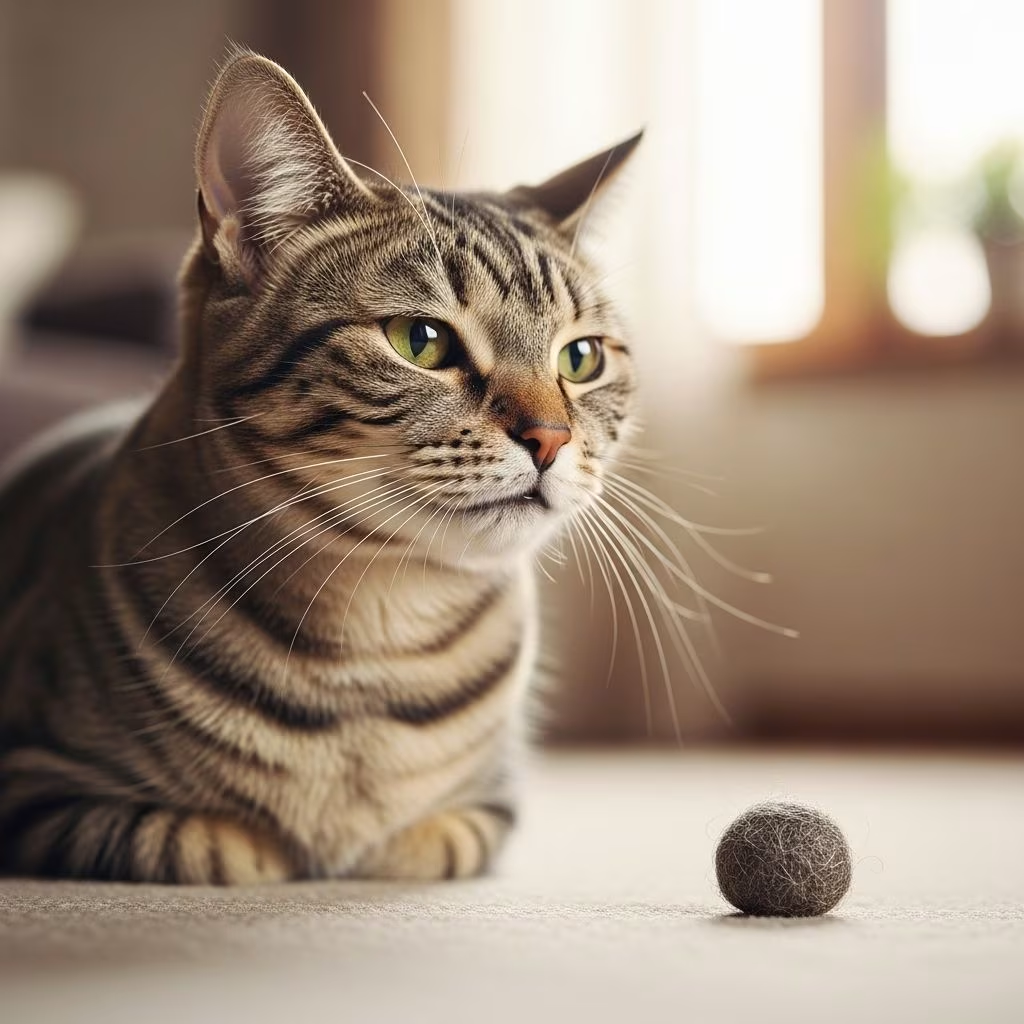
One of the most common concerns pet owners encounter is watching their beloved cat gag, retch, and eventually expel a tube-shaped mass of fur. While occasional hairballs are a natural part of cat ownership, understanding what causes them and how to manage them can significantly improve your feline companion’s quality of life. Hairballs, scientifically known as trichobezoars, form when cats swallow loose fur during their regular grooming sessions. Although this is a normal occurrence, excessive hairball production can signal underlying health concerns that warrant veterinary attention.
The Natural Grooming Process and Hair Ingestion
Cats are fastidious animals that spend a considerable portion of their day maintaining their coats through self-grooming. During this process, their rough tongues pull away loose hairs that would otherwise shed onto furniture and clothing. However, instead of falling away, these hairs are swallowed along with saliva and food particles. In most cases, this ingested fur passes through the digestive system without incident, exiting through the litter box as part of normal waste. The problem arises when accumulated hair clumps together in the stomach or intestines, forming a compact mass that irritates the digestive tract and triggers the body’s natural reflex to expel it through vomiting.
This grooming behavior is instinctive for all cats, regardless of breed or age. Even indoor cats that have minimal exposure to outdoor elements engage in this constant self-cleaning ritual. The frequency and severity of hairball formation, however, can vary significantly depending on individual characteristics and environmental factors.
Breed Predisposition and Risk Factors
While every cat can potentially develop hairballs, certain populations face elevated risk. Long-haired breeds such as Maine Coons, Persians, and other breeds with thick, luxurious coats are substantially more prone to hairball issues than their short-haired counterparts. The greater surface area of longer fur means more loose hair is available for ingestion during grooming sessions. These breeds naturally shed more throughout the year, and their grooming patterns distribute loose hair throughout their digestive tracts more frequently.
Beyond breed characteristics, individual grooming habits play a crucial role in hairball formation. Cats that engage in excessive grooming—a behavior known as overgrooming—ingest significantly more hair than normal. This excessive self-grooming can stem from multiple sources:
- Anxiety and stress-related behaviors
- Allergic reactions to food or environmental factors
- Chronic pain or discomfort in joints or the abdominal area
- Skin conditions that cause itching or irritation
- Behavioral compulsions or obsessive tendencies
Seasonal changes also influence hairball frequency. During spring and fall, when cats shed their winter or summer coats, hairball incidents often increase dramatically. Cats living in controlled indoor environments with artificial lighting may experience extended shedding cycles, leading to year-round hairball concerns.
Recognizing the Warning Signs
Pet owners should familiarize themselves with the various indicators that their cat is struggling with hairballs. The most obvious sign is the characteristic hacking and gagging sound, often described as similar to a cat attempting to clear its throat. This distinctive noise typically precedes the actual expulsion of the hairball. However, not all hairball-related symptoms are this obvious.
Additional warning signs include:
- Frequent retching or gagging without producing anything
- Reduced appetite or complete loss of interest in food
- Constipation or irregular bowel movements
- Diarrhea alternating with normal stools
- Lethargy and decreased activity levels
- Visible discomfort or signs of distress
- Weight loss over time
The frequency of hairball expulsion provides important context for determining whether intervention is necessary. Occasionally passing a hairball—approximately once monthly—is generally considered within normal parameters for most cats. However, if a cat is producing multiple hairballs weekly or experiencing accompanying symptoms, this suggests a more serious underlying condition requiring professional evaluation.
Understanding Underlying Health Conditions
While hairballs themselves are common, frequent or severe hairball episodes can indicate that something more serious is affecting your cat’s health. Veterinarians recognize several medical conditions that increase susceptibility to hairball formation:
Inflammatory Bowel Disease (IBD) disrupts normal digestive function, causing the intestines to process food and hair more slowly than usual. This delayed transit time allows hair to accumulate and clump together more readily. Cats with IBD often experience chronic vomiting, diarrhea, and weight loss alongside hairball issues.
Food Allergies and Sensitivities trigger inflammation and itching throughout the digestive tract, which can cause excessive grooming as cats attempt to self-soothe. The irritated digestive system then struggles to move hair through efficiently, leading to blockage formation.
Intestinal Parasites compromise digestive efficiency and can cause discomfort that manifests as overgrooming behavior. Even a small parasitic infection can significantly increase hairball frequency in susceptible cats.
Lymphoma and other cancers affecting the gastrointestinal system can impair normal digestive motility, creating ideal conditions for hairball accumulation and blockage.
Beyond these specific conditions, any situation causing pain—whether arthritis, dental disease, or abdominal discomfort—can trigger overgrooming as a coping mechanism, subsequently increasing hairball risk.
When to Seek Veterinary Care
Pet owners should consult with a veterinarian if their cat displays any of the following:
- More than one hairball per month
- Persistent constipation unrelated to hairballs
- Significant lethargy or behavioral changes
- Loss of appetite lasting more than 24 hours
- Visible signs of abdominal pain or distress
- Repeated unsuccessful attempts to vomit
A veterinary examination can rule out serious complications such as complete intestinal blockage, which requires emergency surgical intervention. During the appointment, the veterinarian will perform a physical examination and may recommend diagnostic testing including blood work or imaging studies to identify underlying causes.
Dietary Approaches to Hairball Management
One of the most effective strategies for reducing hairball frequency involves modifying your cat’s diet. Specialized hairball control cat foods are formulated with ingredients designed to support digestive health while minimizing hair accumulation:
- Increased Fiber Content: While cats are obligate carnivores with different nutritional requirements than humans, moderate fiber supplementation helps move material through the digestive tract more efficiently. Fiber acts as a natural broom, pushing accumulated hair forward and facilitating passage.
- Premium Protein Sources: High-quality proteins support healthy skin and coat, potentially reducing excessive shedding and subsequent hair ingestion.
- Added Prebiotics: These ingredients support beneficial gut bacteria and promote healthy digestive function.
Some cats benefit from transitioning to canned or wet food diets, which provide superior hydration compared to dry kibble. Adequate moisture in the digestive tract helps hair move more smoothly through the system, reducing the likelihood of clumping.
Hydration and Digestive Tract Function
Water intake directly impacts digestive efficiency in cats. Many cats eating dry food diets don’t consume sufficient water, leading to dehydration and sluggish digestive function. A poorly hydrated digestive system cannot move hair through effectively, creating an environment conducive to hairball formation.
To encourage adequate hydration, consider:
- Installing a cat water fountain—many felines prefer running water to stagnant bowls
- Offering multiple water sources throughout the home
- Using filtered water or allowing tap water to sit before offering it
- Incorporating wet food into the daily diet routine
- Adding small amounts of water or low-sodium broth to dry food
Supplemental Treatments and Lubricants
Various over-the-counter products can support hairball passage and prevention. These remedies work through different mechanisms to facilitate hair movement through the digestive system:
Petroleum-Based Lubricants: Products containing white petroleum or mineral oil coat the digestive tract, allowing hair to slide through more easily. These can be applied directly to the cat’s paw, where they will be ingested during grooming, or added to food. However, these should only be used under veterinary guidance, as improper use can interfere with nutrient absorption.
Mild Laxatives: Specially formulated hairball laxatives gently encourage bowel movements without causing digestive upset. These products typically contain ingredients like psyllium husk or other plant-based fibers that stimulate intestinal motility.
Natural Lubricant Options: Small amounts of canned tuna or sardines occasionally provide natural oils that lubricate the digestive tract. However, these should be used sparingly to avoid dietary imbalances.
Grooming Strategies to Reduce Hair Ingestion
Perhaps the most effective prevention method involves reducing the amount of loose hair available for ingestion through regular grooming. By removing shed fur before your cat has the opportunity to ingest it, you directly decrease hairball formation risk.
Effective grooming practices include:
- Daily Brushing: Establishing a consistent daily brushing routine removes loose hair and keeps your cat accustomed to the grooming process. For long-haired cats, this should become a non-negotiable part of daily care.
- Appropriate Tools: Using specialized brushes, slicker brushes, or grooming gloves designed to capture loose fur proves more effective than standard combs.
- Professional Grooming: Periodic visits to professional groomers who specialize in feline care can remove significant quantities of loose fur, particularly beneficial during heavy shedding seasons.
- Grooming Wipes: Specialized pet wipes can remove loose hair and dander from your cat’s coat between brushing sessions.
Establishing a positive grooming routine requires patience and positive reinforcement. Many cats initially resist grooming but gradually accept and even enjoy the attention when introduced gently and paired with treats or praise.
Addressing Behavioral and Environmental Factors
Since stress and anxiety often trigger excessive grooming, managing your cat’s environment can indirectly reduce hairball formation. Cats experiencing anxiety may overgroom as a self-soothing behavior, significantly increasing hair ingestion.
Environmental enrichment strategies include:
- Providing vertical spaces and climbing opportunities
- Offering interactive toys and puzzle feeders for mental stimulation
- Creating quiet retreats where cats can escape from household stressors
- Maintaining consistent daily routines
- Using feline pheromone products to promote calmness
- Ensuring adequate resources (litter boxes, food bowls, water stations) in multi-cat households
When Medical Intervention Becomes Necessary
In cases where hairballs create complete intestinal blockages, emergency veterinary care becomes essential. Blockages prevent normal digestive function and can quickly become life-threatening. Symptoms of obstruction include inability to pass feces, severe abdominal pain, repeated unproductive vomiting, and complete loss of appetite. Surgical removal may be necessary to restore normal function.
Following diagnosis of underlying conditions contributing to hairball formation, your veterinarian may recommend specific medications or treatments targeting those conditions. For instance, cats with IBD might benefit from dietary prescription foods or anti-inflammatory medications that improve digestive function and reduce inflammation-related overgrooming.
Creating a Comprehensive Hairball Prevention Plan
The most successful approach to managing hairballs involves implementing multiple strategies tailored to your individual cat’s needs. This comprehensive plan might include:
| Strategy | Implementation | Expected Benefits |
|---|---|---|
| Daily Grooming | Brush long-haired cats daily; short-haired cats 3-4 times weekly | Reduces loose hair available for ingestion |
| Dietary Modifications | Switch to high-fiber hairball control food | Improves digestive transit and hair passage |
| Hydration Support | Provide fresh water sources; consider water fountain | Supports digestive function and bowel regularity |
| Stress Reduction | Provide enrichment, maintain routines, use calming products | Reduces stress-related overgrooming |
| Veterinary Monitoring | Annual check-ups; immediate consultation for excessive hairballs | Early detection of underlying conditions |
Frequently Asked Questions
Is it normal for cats to have hairballs?
An occasional hairball approximately once monthly is generally considered normal, particularly in long-haired breeds. However, multiple hairballs weekly or accompanied by other symptoms suggests an underlying issue requiring veterinary evaluation.
Which cats are most susceptible to hairballs?
Long-haired breeds like Persians and Maine Coons are most prone to hairballs due to their coat density and grooming requirements. Additionally, any cat that engages in excessive grooming, regardless of coat length, faces elevated risk.
Can dietary changes prevent hairballs?
Yes, high-fiber diets formulated specifically for hairball control can significantly reduce hairball frequency by improving digestive transit time and facilitating hair passage through the system.
What’s the difference between a normal hairball and a concerning one?
A normal hairball is an occasional occurrence producing a tube-shaped mass of fur. Concerning patterns include multiple hairballs weekly, extreme size, accompanied symptoms like lethargy or appetite loss, or unsuccessful attempts to expel the hairball.
Should I be worried if my cat isn’t grooming?
Sudden changes in grooming habits, either excessive increases or complete cessation, warrant veterinary attention, as they can indicate underlying health issues or behavioral problems requiring professional assessment.
References
- What Are Cat Hairballs? How Can I Prevent Them? — Chewy. 2025. https://www.chewy.com/education/cat/health-and-wellness/were-answering-all-your-questions-about-cat-hairballs
- Hairballs in Cats: Causes, Symptoms, and What You Can Do About Them — Belton Vet Clinic. 2025. https://www.beltonvetclinic.com/services/cats/blog/hairballs-cats-causes-symptoms-and-what-you-can-do-about-them
- Hairballs in Cats: Causes, Symptoms, & Remedies — WebMD. 2025. https://www.webmd.com/pets/cats/what-to-do-about-hairballs-in-cats
- Is Your Cat Coughing Up Hairballs? Here’s What You Need to Know — Boulder Veterinary Hospital. 2025. https://bouldervet.com/blog/cat-hairball/
- A Hairy Dilemma — Cornell University College of Veterinary Medicine. 2025. https://www.vet.cornell.edu/departments-centers-and-institutes/cornell-feline-health-center/health-information/feline-health-topics/hairy-dilemma
- Hairballs in cats — Joii Pet Care. 2025. https://www.joiipetcare.com/blogs/health-conditions/hairballs-in-cats



