

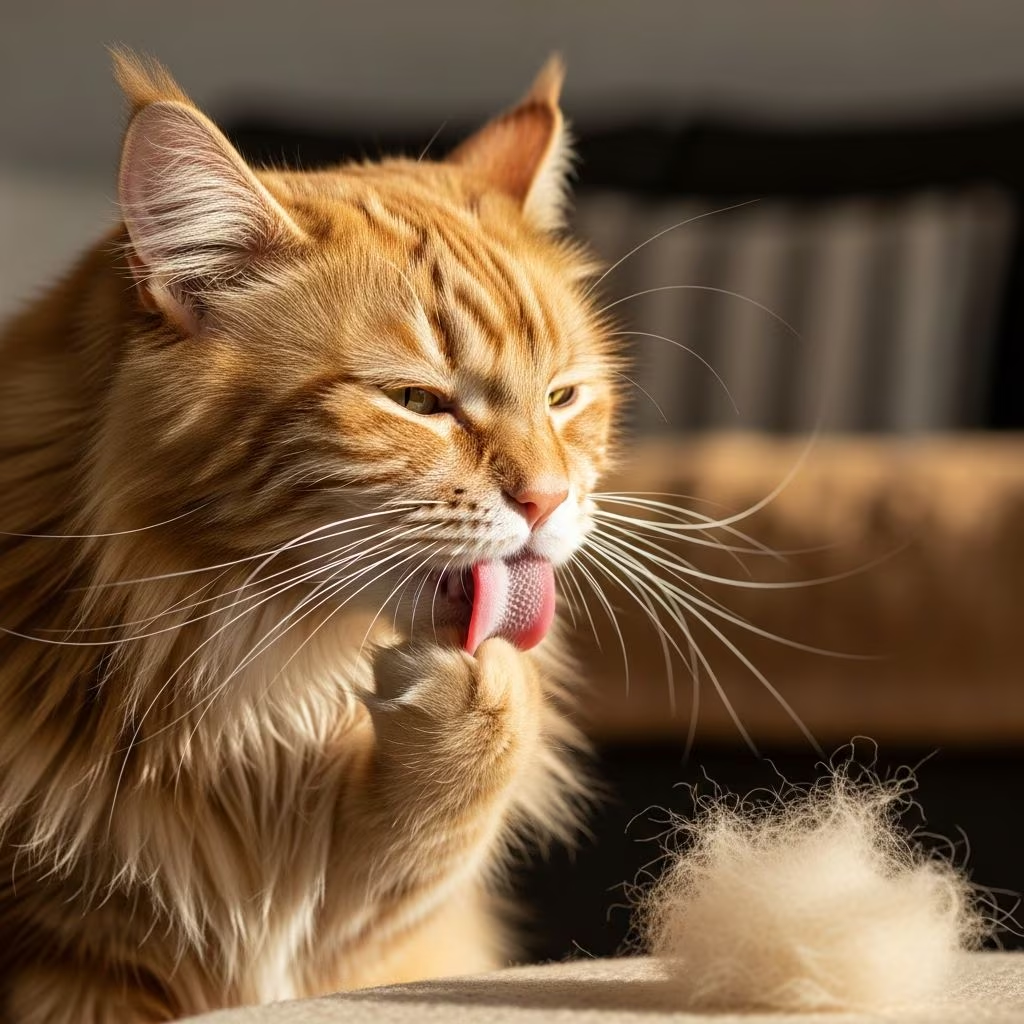
Hairballs are one of the most common concerns for cat owners, affecting felines of all ages and coat types. While many cat owners view hairballs as a normal part of cat ownership, they can actually cause significant discomfort and, in some cases, lead to serious digestive complications. Understanding why hairballs form and implementing preventative measures can dramatically improve your cat’s quality of life and reduce the frequency of these unpleasant episodes.
Why Do Cats Develop Hairballs?
Hairballs develop as a natural consequence of a cat’s grooming habits. During self-grooming, cats ingest loose hair from their coat, which normally passes through their digestive system. However, when excessive hair accumulates in the stomach or small intestine, it becomes compacted into a ball. This is particularly problematic for long-haired breeds, but short-haired cats can also experience this issue. The problem becomes more pronounced during seasonal shedding periods when cats lose significantly more hair than usual.
Cats with underlying health conditions, digestive sensitivities, or those that overgroom due to stress or anxiety may be more susceptible to hairball formation. Understanding these contributing factors is essential for developing an effective prevention strategy tailored to your individual cat’s needs.
The Role of Regular Grooming in Hairball Prevention
Grooming represents the most direct and effective method for reducing hairball incidents. By removing loose fur before your cat ingests it, you significantly decrease the amount of hair that can potentially accumulate in their digestive tract. The frequency and intensity of grooming should vary based on your cat’s coat type and individual shedding patterns.
Grooming Frequency Guidelines
- Long-haired cats: Daily brushing and combing sessions are recommended to prevent matting and minimize hair ingestion.
- Short-haired cats: Weekly brushing typically suffices for most short-haired breeds, though increased frequency during shedding seasons is beneficial.
- Seasonal adjustments: Spring and fall often require more frequent grooming as cats naturally shed more during these periods.
Effective Grooming Techniques
The tools and methods you use matter as much as the frequency of grooming sessions. Various brushing tools are available to suit different coat types and cat preferences, including bristle brushes, slicker brushes, and specialized pet hair removal gloves. After brushing, using fragrance-free baby wipes or damp paper towels can remove additional loose fur that brushing may have missed.
If your cat resists home grooming, professional grooming services offer an excellent alternative. Veterinarians and reputable groomers can provide haircuts designed to reduce shedding, with particular effectiveness for long-haired breeds when performed twice yearly. Some cats benefit from strategic trims, such as belly shaves targeting areas where cats groom most intensively.
Nutritional Approaches to Hairball Management
What your cat eats directly impacts their ability to process and eliminate ingested hair. Strategic dietary modifications can support digestive health and facilitate the natural passage of hair through the gastrointestinal tract.
High-Fiber Diets
Fiber plays a crucial role in maintaining healthy digestive function in cats. While cats are obligate carnivores and don’t require plant-based fiber in the way omnivores do, adding controlled amounts of fiber to their diet helps move ingested hair through their system more efficiently. Many commercial cat food brands formulate hairball control diets specifically designed with elevated fiber content to address this issue.
Both wet and dry hairball control food options are available. Wet food formulations, such as prescription or premium brands focused on hairball reduction, are often considered healthier choices as they provide additional moisture that supports digestive function. If your cat resists diet changes, transitioning gradually over 7-10 days can improve acceptance rates.
Supplementary Nutrition
Beyond commercial hairball control foods, specific supplements can enhance your cat’s diet. Natural fiber supplements provide a gentle way to sweep hair through the digestive system without requiring a complete diet change. Omega-3 fatty acids from fish oil promote healthy skin and coat, reducing overall shedding and the amount of loose hair your cat ingests.
Some nutrition experts recommend adding egg yolks to your cat’s diet, as they contain nutrients that support gastrointestinal motility—the muscular contractions that move food and hair through the digestive tract. One or two egg yolks weekly can be an effective long-term strategy for managing hairball-related digestive issues. Always consult your veterinarian before introducing new foods or supplements to ensure they’re appropriate for your cat’s individual health status.
Hydration’s Critical Role in Digestive Health
Water intake directly influences your cat’s digestive efficiency. Adequate hydration helps flush the digestive system and prevents hair from accumulating or becoming compacted in the stomach. Cats that consume primarily dry food may not receive sufficient moisture through their diet, making supplementary water sources essential.
Increasing Water Consumption
- Place multiple water bowls throughout your home in areas your cat frequents, such as bathrooms, laundry rooms, and bedrooms.
- Install a cat water fountain, as many felines prefer running water to still water and drink more frequently when water is in motion.
- Offer fresh, clean water regularly, as some cats are sensitive to water smell or taste and may prefer freshly changed bowls.
- Consider transitioning to canned or wet food formulations that provide additional hydration through meals.
Better hydration supports overall digestive system function and significantly reduces the likelihood of hair clumping and forming problematic blockages.
Over-the-Counter Hairball Remedies
When preventative measures alone aren’t sufficient, various commercially available products can help manage hairballs by lubricating the digestive tract and facilitating hair passage.
Intestinal Lubricant Gels
Hairball-control gels, such as Laxatone, act as digestive lubricants that ease the movement of ingested fur through the gastrointestinal tract. These petroleum-based or natural formula laxatives are typically administered two to three times weekly and come in flavored varieties that most cats readily accept. Your veterinarian can recommend specific products and appropriate dosing schedules for your cat’s needs.
Alternatively, some cat owners apply small amounts of petroleum jelly directly to their cat’s paw, allowing the cat to lick it off naturally, which provides similar digestive tract lubrication.
Dietary Supplements and Treats
Hairball remedy treats formulated with fiber and supportive ingredients offer convenient ways to deliver hairball-fighting nutrients. These treats combine prevention and palatability, making them an easier addition to your routine compared to other remedies. Your veterinarian can recommend appropriate treat options that align with your cat’s overall dietary plan.
Addressing Behavioral and Environmental Factors
Beyond the physical aspects of hairball prevention, environmental and behavioral factors significantly influence how frequently your cat grooms and whether excessive self-licking contributes to hairball formation.
Stress Reduction and Environmental Enrichment
Cats that experience stress or boredom often engage in excessive grooming as a self-soothing behavior, which dramatically increases hair ingestion. Creating an enriched environment with climbing structures, scratching posts, interactive toys, and various play opportunities helps reduce stress-related overgrooming. Providing vertical spaces, comfortable resting areas, and regular interactive play sessions can significantly decrease anxiety-driven grooming behaviors.
Monitoring for Overgrooming
If you notice your cat grooming excessively, this behavior may indicate pain, anxiety, allergies, or dermatological issues requiring veterinary attention. Excessive grooming often precedes increased hairball incidents, making early intervention important. Your veterinarian can help identify underlying causes and recommend appropriate treatments.
When to Consult Your Veterinarian
While most hairball prevention strategies can be implemented at home, certain situations warrant professional veterinary evaluation. Schedule a veterinary appointment if your cat experiences frequent hairballs despite preventative measures, shows signs of digestive distress, has difficulty defecating, appears lethargic, or displays reduced appetite. These symptoms may indicate hairball-related blockages or other underlying digestive conditions requiring medical intervention.
Regular veterinary check-ups provide opportunities to discuss your cat’s hairball history, receive personalized prevention recommendations, and ensure any underlying health conditions aren’t contributing to excessive hairball formation.
Creating Your Cat’s Personalized Hairball Prevention Plan
Effective hairball management typically requires a multi-faceted approach combining several strategies rather than relying on a single solution. Your personalized plan should account for your cat’s age, coat length, health status, lifestyle, and individual tolerance for various interventions.
| Prevention Method | Frequency | Best For | Additional Considerations |
|---|---|---|---|
| Regular Brushing | Daily (long-haired), Weekly (short-haired) | All cats, especially long-haired breeds | Most effective single intervention; builds bonding time |
| Hairball Control Food | Daily, ongoing | Cats prone to frequent hairballs | May require gradual transition; provides consistent support |
| Hydration Support | Continuous access | All cats, especially dry food eaters | Water fountains increase drinking; low-cost intervention |
| Lubricant Gels | 2-3 times weekly | Cats with persistent hairballs | Coordinate with veterinarian; flavored options improve acceptance |
| Professional Grooming | Every 6-12 months | Long-haired cats or cats resistant to home brushing | Strategic haircuts provide longer-term benefits |
Frequently Asked Questions About Feline Hairballs
Can hairballs be completely eliminated?
Complete elimination is unlikely, but the frequency and severity can be dramatically reduced through consistent preventative measures. Most cats will occasionally cough up a hairball despite excellent prevention efforts.
How long does it take to see improvement?
Most preventative strategies show noticeable improvement within 2-4 weeks of consistent implementation. Dietary changes may require longer as your cat’s digestive system adjusts to new food formulations.
Are hairballs dangerous?
While occasional hairballs are typically manageable, severe or frequent hairballs can cause intestinal blockages, which are serious medical emergencies requiring surgical intervention in some cases. Prevention is significantly easier than treating complications.
Do all cats get hairballs?
While most cats experience occasional hairballs, some cats are more prone to frequent occurrences due to coat length, grooming habits, digestive sensitivity, or underlying health conditions. Long-haired cats and those with high grooming activity develop hairballs more frequently.
Can I give my cat hairball remedies indefinitely?
Yes, most over-the-counter hairball remedies are designed for regular, ongoing use and are safe for long-term application. However, always follow veterinary recommendations regarding frequency and product selection for your specific cat.
Conclusion
Preventing hairballs in cats requires a comprehensive approach combining regular grooming, dietary optimization, proper hydration, and when necessary, over-the-counter remedies. By understanding your individual cat’s needs and implementing a tailored prevention strategy, you can significantly reduce hairball incidents and improve their overall digestive health and comfort. Consistency is key—establishing regular grooming routines, maintaining appropriate nutrition, and encouraging adequate water intake creates the foundation for effective hairball management throughout your cat’s life.
References
- Cat Hairballs 101: How to Help — PetMD. Accessed 2026. https://www.petmd.com/cat/general-health/cat-hairballs-101-how-help
- A Hairy Dilemma — Cornell University College of Veterinary Medicine, Cornell Feline Health Center. Accessed 2026. https://www.vet.cornell.edu/departments-centers-and-institutes/cornell-feline-health-center/health-information/feline-health-topics/hairy-dilemma
- The Ultimate Guide to Cat Hairballs: Causes, Prevention, and What to Do — Little Silver Animal Hospital. Accessed 2026. https://littlesilveranimalhospital.com/?p=1303
- Hairball Treatment for Cats: 7 Remedies — Whisker. Accessed 2026. https://www.whisker.com/blog/cat-hairball-remedies
- Essential Cat Grooming Tips for Less Shedding — Insight Vet Wellness. Accessed 2026. https://insightvetwellness.com/cat-and-dog-grooming-in-el-dorado-hills-ca/combating-hairballs-essential-cat-grooming-tips-for-less-shedding/
- Hairballs in Cats: Causes, Symptoms, & Remedies — WebMD. Accessed 2026. https://www.webmd.com/pets/cats/what-to-do-about-hairballs-in-cats
- Minimizing Hairballs in Cats — ASPCA Pet Health Insurance. Accessed 2026. https://www.aspcapetinsurance.com/resources/minimizing-hairballs-in-cats/
- How Best to Manage Hairballs — Food Fur Life. Accessed 2026. https://www.foodfurlife.com/how-to-best-manage-hairballs.html
- Hairball Remedies for Cats — VCA Animal Hospitals. Accessed 2026. https://vcahospitals.com/resources/conditions-cat/stomach-digestion/hairball-remedies-for-cats



