

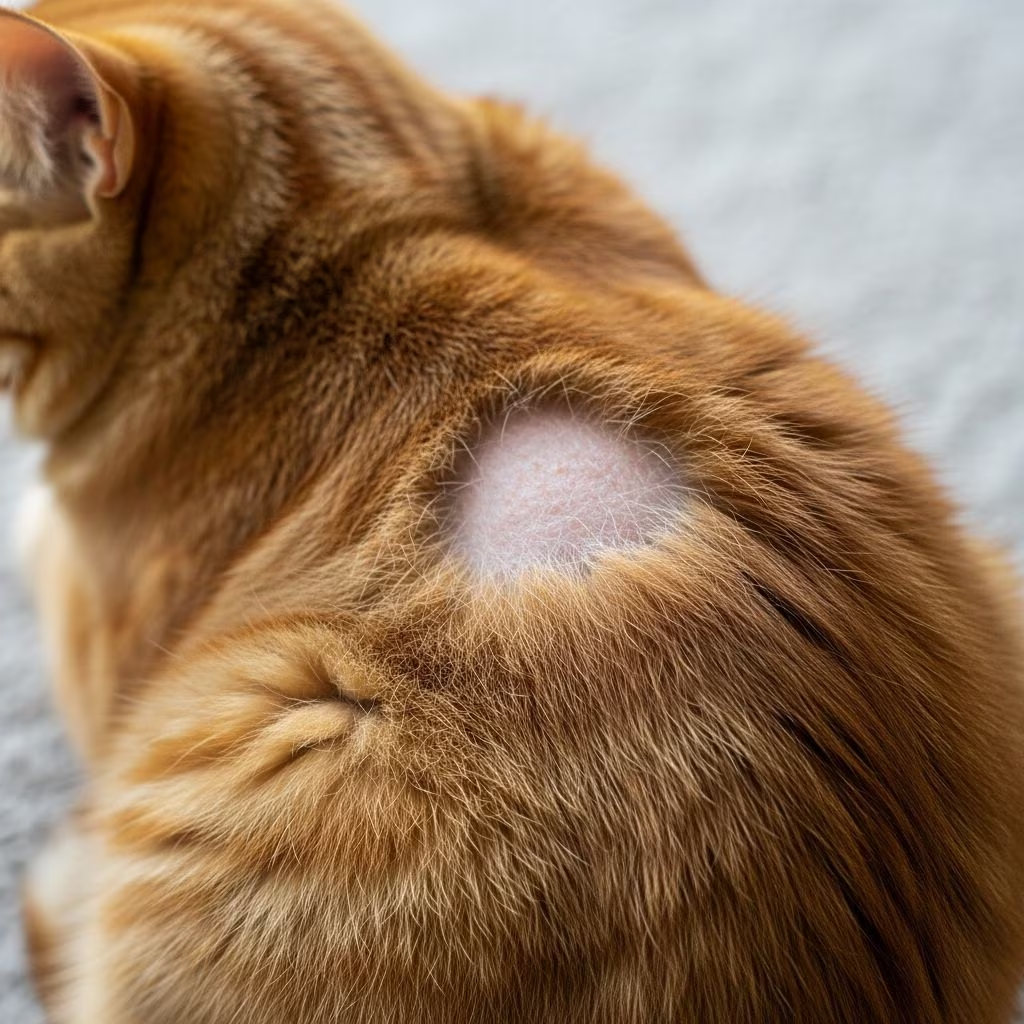
Hair loss in cats, medically known as alopecia, represents one of the most common concerns cat owners bring to veterinary clinics. When a cat experiences significant hair loss, thick patches of fur shed from various areas of the body, sometimes leaving exposed skin that may appear red or irritated. This condition can indicate underlying health issues ranging from minor to serious, making it essential for pet owners to understand the various triggers and appropriate responses. Unlike occasional shedding, which is a natural process, excessive hair loss warrants investigation and professional evaluation.
The Distinction Between Normal Shedding and Excessive Hair Loss
Cats naturally shed fur throughout the year as part of their normal grooming cycle. This seasonal shedding intensifies during spring and fall as cats prepare for temperature changes. However, recognizing the difference between routine shedding and abnormal hair loss is crucial for identifying potential health problems. Excessive hair loss typically manifests as visible bald patches, thinning fur in localized areas, or noticeable amounts of hair on furniture and bedding beyond the normal seasonal period.
The pattern of hair loss can provide valuable clues about its underlying cause. Over-grooming often appears on the abdomen and legs, while parasitic or fungal infections may create more localized patterns. Ringworm, for instance, tends to produce circular patches of hair loss, whereas stress-related hair loss typically affects the stomach, legs, and sides of the body.
Parasitic Infestations as Primary Hair Loss Triggers
Parasites rank among the most frequent culprits behind feline hair loss. Fleas represent the leading parasitic cause, creating intense itching that drives cats to scratch and bite excessively at their skin. Beyond the direct irritation they cause, fleas can trigger a severe allergic reaction in susceptible cats known as flea allergy dermatitis, resulting in dramatic hair loss concentrated around the tail, back, and thighs.
Mites and lice also contribute significantly to parasitic hair loss. Ear mites and mange mites cause considerable skin discomfort, prompting continuous scratching that leads to bald spots and thinning fur. The challenge with parasitic infestations is that cats may not show obvious signs of infestation without thorough veterinary examination, making professional diagnosis essential.
Prevention through regular preventative treatments represents the most effective approach to parasitic hair loss. Veterinarians can recommend appropriate flea and parasite control products tailored to individual cat needs and environmental factors.
Allergic Reactions and Dietary Sensitivities
Allergies constitute one of the most common causes of hair loss in felines, manifesting through multiple pathways. Cats can develop allergies to food ingredients, environmental factors, or even contact allergens in their living spaces.
Food-Related Allergies
Food allergies trigger immune responses that result in itchy skin and subsequent hair loss. Common culprits include chicken, dairy, and grains. Cats with food allergies often exhibit excessive licking or scratching, leading to bald patches. Beyond dermatological symptoms, food allergies may also present gastrointestinal issues. Identifying specific food allergens typically requires an elimination diet conducted under veterinary guidance, allowing owners to pinpoint problematic ingredients and adjust their cat’s nutrition accordingly.
Environmental Allergens
Environmental allergies arise from exposure to pollen, mold, dust mites, and other airborne irritants. Cats with environmental allergies frequently experience itching and inflammation during specific seasons or when exposed to particular indoor allergens. If hair loss occurs seasonally, environmental allergens warrant investigation. Limiting exposure to identified allergens and consulting a veterinarian for treatment options can significantly reduce shedding and associated discomfort.
Additionally, cats may develop contact dermatitis from cleaning products, new materials in their living environment, or grooming products, resulting in localized hair loss in affected areas.
Infectious Skin Conditions
Both bacterial and fungal infections present significant threats to feline coat health and can precipitate substantial hair loss. Ringworm, despite its misleading name, represents a fungal infection rather than a parasitic condition. This infection characteristically creates circular patches of hair loss and often presents with additional symptoms including redness, swelling, scabbing, and a greasy texture on affected skin.
Bacterial skin infections similarly cause irritation that prompts excessive scratching and grooming, resulting in hair loss. These infections frequently develop secondary to other conditions or may arise from breaks in skin integrity caused by scratching or self-trauma.
Dermatitis, a general term for inflamed skin, encompasses various underlying causes including allergies, infections, or environmental irritants. Cats suffering from dermatitis excessively scratch or bite affected areas, creating additional damage and hair loss. Professional veterinary diagnosis through skin scrapings, fungal cultures, or other diagnostic tests helps identify specific infections and guide appropriate treatment protocols.
Hormonal Imbalances and Metabolic Disorders
Hormonal dysfunction represents an important yet sometimes overlooked cause of feline hair loss. Hyperthyroidism, a condition where the thyroid gland produces excessive thyroid hormone, accelerates metabolism and causes skin and hair to deteriorate faster than normal. This condition typically affects older cats and frequently accompanies other symptoms including rapid weight loss, increased appetite, and behavioral changes.
Cushing’s disease, or hyperadrenocorticism, occurs when the adrenal glands produce excessive cortisol. This hormonal excess weakens skin structure, leading to thinning fur and bald patches. Cushing’s disease often presents with additional symptoms such as increased thirst and frequent urination.
Both conditions require proper veterinary diagnosis through blood tests and other diagnostic procedures. Treatment options vary depending on the specific hormonal disorder but may include medication, dietary management, or other therapeutic interventions. Early detection and management significantly improve outcomes and reduce associated symptoms including hair loss.
Stress, Anxiety, and Psychogenic Alopecia
Psychological factors profoundly influence feline health and behavior, with stress and anxiety frequently manifesting as excessive grooming and subsequent hair loss. Cats are sensitive animals that respond negatively to environmental changes, making them susceptible to stress-related conditions.
Common stress triggers include:
- Moving to a new home or changes in living environment
- Introduction of new pets or family members
- Alterations to daily routines or feeding schedules
- Loud noises, construction, or household disruptions
- Changes in social dynamics or loss of companionship
When experiencing stress or anxiety, cats may engage in excessive self-grooming as a coping mechanism, a behavior termed psychogenic alopecia. This compulsive grooming results in noticeable bald patches and thinning fur, typically appearing on the stomach, legs, and sides of the body.
Managing stress-related hair loss requires addressing the root cause of anxiety and providing environmental support. Environmental enrichment through interactive toys, climbing structures, and safe spaces helps reduce stress. Maintaining consistent routines and providing additional attention during periods of household change can significantly mitigate anxiety-related hair loss.
Other Contributing Factors to Hair Loss
Beyond the primary causes outlined above, several additional factors can contribute to feline hair loss. Urinary tract issues can cause continual licking, with accompanying hair loss resulting from the repeated trauma. Poorly fitting collars or halters may create friction that causes localized hair loss. Skin tumors, though less common, occasionally cause hair loss in affected areas.
Immune system suppression from conditions like feline leukemia compromises the cat’s ability to maintain a healthy coat while simultaneously increasing susceptibility to secondary skin infections. These infections then compound hair loss problems through additional inflammation and discomfort.
Diagnostic Approaches to Hair Loss
Accurate diagnosis of the underlying cause of hair loss requires professional veterinary evaluation. Veterinarians employ multiple diagnostic techniques depending on suspected causes:
| Diagnostic Method | Purpose | Typical Causes Identified |
|---|---|---|
| Physical Examination | Visual inspection of skin and fur patterns | Parasites, dermatitis, infection signs |
| Skin Scrapings | Microscopic analysis of skin samples | Mites, fungal elements |
| Fungal Culture | Laboratory culture of collected samples | Ringworm and other fungal infections |
| Blood Tests | Evaluation of hormone and metabolic levels | Hyperthyroidism, Cushing’s disease |
| Allergy Testing | Identification of specific allergens | Food and environmental allergies |
| Bacterial Culture | Identification of bacterial infections | Bacterial skin infections |
Treatment Options and Management Strategies
Parasite-Related Hair Loss Treatment
Addressing parasitic causes begins with eliminating the infestation through appropriate flea and parasite control products. Veterinarians can recommend prescription-strength treatments more effective than over-the-counter options. Treatment typically extends beyond the initial application to break the parasite life cycle, requiring consistent application over several weeks or months. Environmental treatment may also be necessary to eliminate parasites from the cat’s living spaces.
Allergy Management
Managing allergic hair loss depends on identifying and eliminating the allergen source. Food allergies respond to dietary changes, potentially requiring prescription diets or elimination trials. Environmental allergies may be managed through reducing exposure to identified allergens, air filtration, or environmental modifications. Veterinarians may recommend antihistamines, corticosteroids, or other anti-inflammatory medications to reduce symptoms while underlying causes are addressed.
Infection Treatment
Fungal infections like ringworm require antifungal medications administered orally or topically, sometimes in combination. Treatment duration typically extends several weeks to ensure complete eradication. Bacterial infections respond to appropriate antibiotics selected based on culture results. Secondary skin infections require prompt treatment to prevent complications and additional hair loss.
Hormonal Condition Management
Hyperthyroidism treatment may involve medication, dietary management, radioactive iodine therapy, or surgical intervention depending on severity and individual cat circumstances. Cushing’s disease management typically involves medication to regulate cortisol production. Both conditions require ongoing veterinary monitoring and periodic reassessment to ensure treatment effectiveness.
Stress Reduction Strategies
Managing stress-related hair loss requires a multifaceted approach. Providing environmental enrichment through interactive toys, puzzle feeders, and climbing structures engages cats mentally and reduces anxiety. Maintaining consistent daily routines provides security and predictability. Additional attention and playtime strengthen the human-animal bond and reduce stress levels. In some cases, veterinarians may recommend calming supplements, pheromone diffusers, or anti-anxiety medications to support behavioral management.
When to Seek Veterinary Care
Pet owners should schedule veterinary appointments when observing the following signs:
- Sudden or rapid hair loss exceeding normal seasonal shedding
- Visible bald patches or areas of thin fur
- Skin redness, swelling, scabbing, or other visible skin abnormalities
- Excessive scratching, licking, or grooming behaviors
- Hair loss accompanied by other symptoms such as weight changes, appetite alterations, or behavioral shifts
- Hair loss persisting for more than a few weeks
- Signs of skin infection or parasitic infestation
Early intervention significantly improves treatment outcomes and prevents complications from developing. What begins as minor hair loss can progress to serious skin damage or systemic health issues if left untreated.
Frequently Asked Questions About Feline Hair Loss
Q: Is all cat hair loss abnormal?
A: Seasonal shedding is normal, but excessive hair loss, bald patches, or persistent shedding beyond normal cycles warrants veterinary evaluation. The distinction between routine shedding and pathological hair loss requires professional assessment.
Q: Can stress alone cause significant hair loss in cats?
A: Yes, stress-induced psychogenic alopecia can result in substantial hair loss through excessive grooming. However, stress often exacerbates other underlying conditions, so comprehensive evaluation is recommended.
Q: How long does treatment for cat hair loss typically take?
A: Treatment duration varies significantly depending on the underlying cause. Parasitic infestations may resolve within weeks with appropriate treatment, while hormonal conditions or chronic allergies require ongoing management. Most conditions show improvement within 4-8 weeks of appropriate treatment.
Q: Are certain cat breeds more prone to hair loss?
A: While any cat can experience hair loss, some breeds may have genetic predispositions to certain conditions. Long-haired breeds may show hair loss more obviously than short-haired breeds.
Q: Can diet affect cat hair loss?
A: Absolutely. Nutritional deficiencies can impair coat health, while food allergies can trigger allergic hair loss. Quality nutrition supports healthy skin and fur.
Prevention and Long-Term Management
Preventing hair loss begins with maintaining appropriate preventative care. Regular flea and parasite treatments protect against parasitic infestations. Scheduled veterinary check-ups enable early detection of health issues before they manifest as hair loss. Maintaining consistent routines and minimizing household stress supports psychological well-being. Providing high-quality nutrition tailored to individual cat needs promotes skin and coat health. Regular grooming helps identify skin abnormalities early and maintains coat condition.
Long-term management of chronic conditions requires ongoing veterinary collaboration. Regular monitoring ensures treatment effectiveness and allows for adjustments as needed. Open communication with veterinary professionals enables optimization of management strategies over time.
References
- Hair Loss (Alopecia) in Cats – Cat Owners — Merck Veterinary Manual. 2024. https://www.merckvetmanual.com/cat-owners/skin-disorders-of-cats/hair-loss-alopecia-in-cats
- Alopecia in Cats: What It Is and Why Your Cat Is Losing Hair — PetMD. 2024. https://www.petmd.com/cat/conditions/skin/alopecia-cats-what-it-and-why-your-cat-losing-hair
- Cat Hair Loss: Causes and Treatment — Best Friends Animal Society. 2024. https://bestfriends.org/pet-care-resources/cat-hair-loss-causes-and-treatment
- Reasons Your Cat’s Hair is Falling Out — Walnut Creek Veterinary Clinic. 2024. https://walnutcreekvetclinic.com/articles/cats-hair-is-falling-out
- Cat Losing Hair? Causes and When to Worry — Fulton County Veterinary Clinic. 2024. https://fultoncountyvetclinic.com/blog/cat-losing-hair/
- Reasons Your Cat’s Hair is Falling Out — The Ridge Veterinary Clinic. 2024. https://theridgevet.com/articles/cats-hair-is-falling-out



