

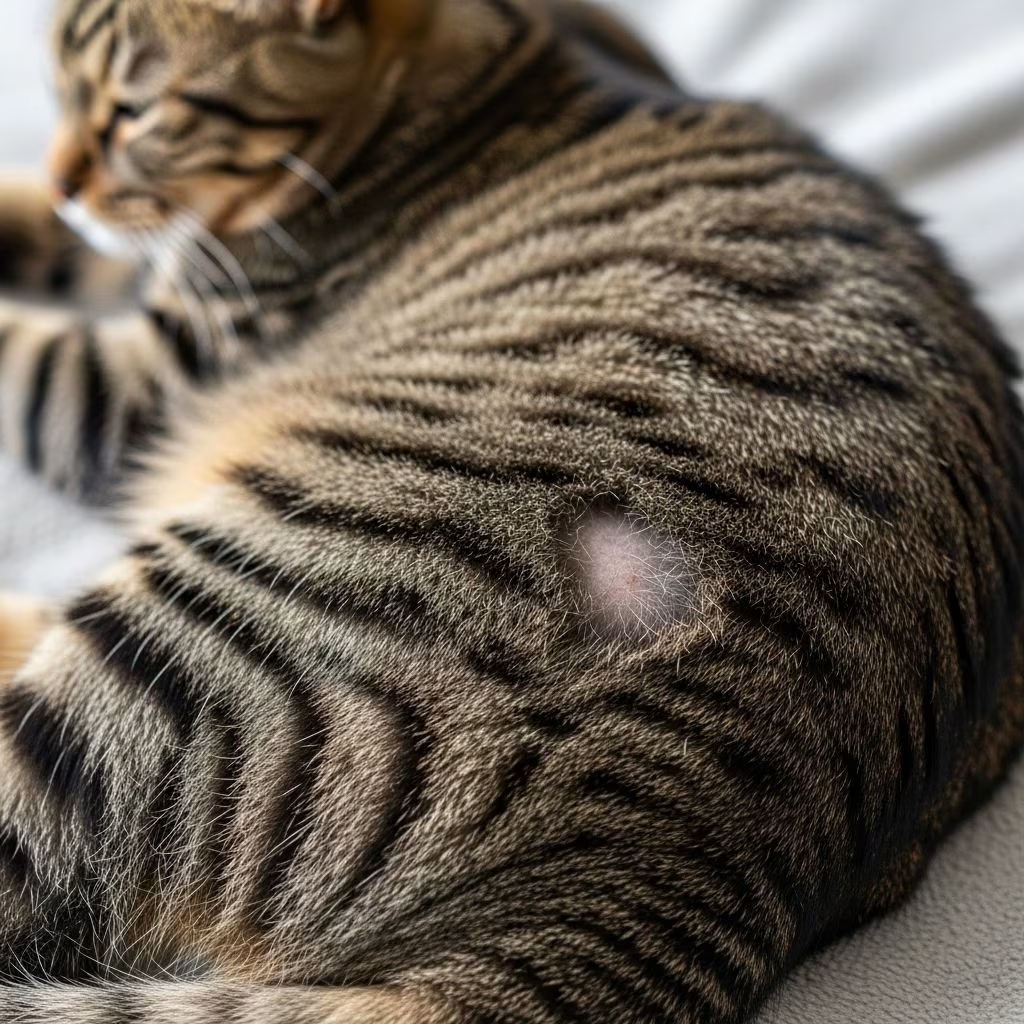
Cat owners frequently encounter the challenge of managing excessive fur around their homes. While some degree of hair shedding is completely normal for felines, understanding when shedding becomes problematic can help you identify underlying issues and maintain your cat’s coat health. This comprehensive guide explores the various factors contributing to abnormal hair loss in cats and provides practical strategies for managing this common concern.
The Natural Shedding Cycle in Cats
Before addressing excessive shedding, it’s important to recognize that hair loss is a natural biological process for cats. Felines continuously shed old fur and grow new hair throughout their lives. This cycle intensifies during specific times of the year, particularly in spring when cats transition from their thicker winter coats to lighter summer fur as daylight hours increase.
The amount of shedding varies significantly among individual cats and different breeds. Long-haired breeds typically shed more noticeably than their short-haired counterparts, simply due to the volume of hair they carry. Additionally, cats living in climate-controlled indoor environments may shed year-round rather than following strict seasonal patterns, making it challenging for owners to predict when excessive fur might appear.
Nutritional Factors and Dietary Concerns
A cat’s coat quality directly reflects their nutritional status. The hair structure in felines is primarily composed of proteins, making adequate protein intake essential for maintaining strong, healthy hair growth. Beyond protein, several micronutrients play critical roles in coat and skin health, including vitamin A, vitamin E, vitamin B12, and zinc—all of which regulate cellular growth in hair follicles and skin tissue.
Omega fatty acids deserve special attention in feline nutrition. These essential fats support skin integrity and health, and deficiencies can indirectly contribute to hair loss by disrupting the skin environment necessary for optimal hair growth. Cats consuming low-quality foods or diets lacking proper nutritional balance often display noticeably dull, thin coats with increased shedding.
However, it’s crucial to understand that dietary changes should only be made under veterinary guidance. Some cats may develop nutrient deficiencies despite consuming nutritionally complete and balanced commercial diets, often due to underlying medical conditions affecting nutrient absorption or utilization. Before adjusting your cat’s food, consult with your veterinarian to determine whether dietary modification is genuinely necessary.
Medical Conditions Associated with Excessive Hair Loss
Abnormal shedding frequently signals an underlying health issue requiring veterinary attention. Several categories of medical problems can trigger excessive hair loss in cats:
Parasitic Infections and Skin Infestations
External parasites represent one of the most common causes of abnormal shedding. Fleas and mites cause irritation that prompts cats to scratch and groom excessively, leading to visible hair loss and secondary skin damage. Flea allergy dermatitis, where cats develop allergic reactions to flea saliva, can occur even with minimal flea exposure and cause severe itching and hair loss.
Infectious Skin Diseases
Both bacterial and fungal skin infections impact coat quality and trigger excessive shedding. Ringworm, a common fungal infection in cats, causes localized hair loss and should be treated promptly as it’s transmissible to humans and other pets. Bacterial skin infections may develop following scratching or as primary infections, both requiring antibiotic treatment.
Allergic Reactions
Cats can develop allergies to food components, environmental substances, or contact allergens. Food allergies may manifest as skin problems before digestive symptoms appear, making dietary trials necessary for diagnosis. Environmental allergies follow seasonal patterns and may cause year-round issues in sensitive cats, triggering scratching and excessive grooming that leads to hair loss.
Systemic Health Disorders
Several internal diseases manifest through abnormal shedding and poor coat condition. These include kidney disease, diabetes mellitus, hyperthyroidism, liver disease, thyroid disorders, and adrenal gland dysfunction. Gastrointestinal conditions such as inflammatory bowel disease, pancreatitis, and exocrine pancreatic insufficiency can interfere with nutrient absorption, indirectly causing nutrient deficiencies that affect hair growth. Some cancers also produce coat and skin changes.
Behavioral and Stress-Related Issues
Psychological stress significantly impacts feline shedding patterns. Cats experiencing anxiety may either overgroom or undergo changes in grooming behavior, both contributing to increased hair loss. Stressors can be temporary, such as veterinary visits, or long-term, such as household changes, new pet introductions, or moving to a new home. Stressed cats may also exhibit appetite changes, excessive sleeping or insomnia, and withdrawal from social interaction.
Seasonal and Environmental Influences
The changing seasons dramatically affect feline shedding patterns. As temperatures warm and daylight extends in spring, cats naturally shed their dense winter coats to prepare for warmer weather. This seasonal shedding can be quite dramatic, with some cats losing significantly more fur during these transition periods.
Indoor cats may experience different shedding patterns compared to outdoor cats due to exposure to artificial lighting and climate control. Maintaining consistent indoor temperatures throughout the year can sometimes result in continuous shedding rather than the distinct seasonal cycles seen in naturally exposed cats.
Breed-Specific Shedding Characteristics
Certain cat breeds are genetically predisposed to heavier shedding. Long-haired breeds naturally shed more visibly due to their greater hair volume, while some short-haired breeds also have higher shedding tendencies regardless of coat length. Understanding your cat’s breed characteristics helps distinguish between normal and abnormal shedding.
Some cats may inherit genetic conditions affecting hair growth, such as hereditary alopecia, which requires veterinary diagnosis and management.
Distinguishing Normal from Excessive Shedding
The key to addressing shedding concerns involves recognizing when hair loss becomes abnormal. Signs suggesting problematic shedding include:
- Visible bald patches or areas of thin hair
- Sores, scabs, or open wounds on the skin
- Intense itching or frequent scratching
- Changes in skin appearance, such as redness or scaling
- Hair breakage rather than shedding from the root
- Accompanying signs of illness or behavior changes
If you observe any of these indicators alongside increased shedding, scheduling a veterinary appointment is essential.
Diagnostic Approach and Veterinary Evaluation
Determining the cause of excessive shedding requires professional investigation. Your veterinarian will conduct a thorough physical examination, review your cat’s medical history, discuss recent environmental changes, and potentially perform diagnostic tests such as skin scrapings, fungal cultures, or blood work to identify underlying conditions.
Attempting to treat abnormal shedding without proper diagnosis often leads to ineffective management and may delay treatment of serious health conditions. The underlying cause directly determines the appropriate treatment approach.
Treatment Strategies Based on Underlying Causes
Once a veterinarian identifies the cause of excessive shedding, targeted treatment can begin. Common treatment approaches include:
- Parasite prevention medications and treatments
- Antibiotic or antifungal medications for infections
- Allergy management through medications or dietary changes
- Wound care and treatment for skin injuries
- Chronic disease management protocols
- Behavioral modification and stress reduction techniques
Following your veterinarian’s recommendations closely is crucial for resolving the underlying condition and returning your cat’s shedding to normal levels.
Managing Normal Shedding at Home
Even when shedding is normal, implementing management strategies can reduce the amount of loose hair in your home. Regular brushing removes dead hair before it falls out naturally, decreasing visible shedding and preventing mats in long-haired cats.
Daily brushing during peak shedding seasons, such as spring, provides the most significant benefit. Short-haired cats benefit from soft-bristled brushes or grooming gloves, while long-haired cats require slicker brushes or combs designed to reach the undercoat. Deshedding tools specifically designed to remove loose undercoat fur prove particularly effective during seasonal transitions.
Supporting Your Cat’s Overall Health
Maintaining optimal coat and skin health requires a multi-faceted approach. Ensuring your cat receives complete and balanced nutrition supports hair growth from within. Regular veterinary care, including vaccinations, parasite prevention, and health screenings, catches problems early before they manifest as coat issues.
Creating a low-stress environment contributes significantly to coat health. Providing safe spaces where your cat can retreat, maintaining consistent routines, offering adequate play opportunities, and minimizing sudden environmental changes all help reduce stress-related shedding.
Frequently Asked Questions
Q: Is it normal for cats to shed year-round?
A: Yes, cats shed continuously, though shedding intensifies during seasonal transitions. Indoor cats may shed more consistently throughout the year due to artificial lighting and temperature control.
Q: Can diet supplements help reduce shedding?
A: Only under veterinary guidance should supplements be introduced. Adding supplements without professional assessment may be unnecessary and could interact with medications or existing health conditions.
Q: When should I contact a veterinarian about my cat’s shedding?
A: Contact your veterinarian if you notice bald patches, skin irritation, excessive scratching, behavioral changes, or if shedding seems significantly more than your cat’s normal pattern.
Q: How can I reduce stress-related shedding?
A: Provide a safe, comfortable space, maintain consistent routines, increase interactive play, and minimize exposure to stressors. Your veterinarian may recommend calming supplements or other interventions.
Q: Does brushing frequency affect how much cats shed?
A: Regular brushing removes loose hair that would otherwise fall out, reducing visible shedding in your home. It doesn’t decrease the actual amount of hair your cat sheds, but makes management more effective.
Conclusion: Taking Action on Excessive Shedding
Excessive cat shedding often reflects underlying health issues, nutritional imbalances, environmental stressors, or natural seasonal changes. Rather than making assumptions or attempting self-directed treatments, consulting with your veterinarian provides the most effective path forward. A professional can distinguish between normal and abnormal shedding, identify contributing factors, and recommend appropriate interventions tailored to your individual cat’s needs. By combining professional veterinary care with proper home management and supportive care, you can help your feline companion maintain a healthy coat while addressing any serious underlying health concerns.
References
- Role of nutritional deficiency in excessive shedding in cats — Vetster. Accessed February 17, 2026. https://vetster.com/en/wellness/role-of-nutritional-deficiency-in-excessive-shedding-in-cats
- Excessive Shedding in Cats — Hill’s Pet Nutrition. Accessed February 17, 2026. https://www.hillspet.com/cat-care/healthcare/excessive-cat-shedding
- Why is my cat shedding so much? — Animal Friends Dermatology. July 15, 2024. https://www.animalfriendsdermatology.com/site/blog/2024/07/15/why-cat-shedding-much
- Cat Shedding: Why is Your Cat Shedding So Much? — Purina. Accessed February 17, 2026. https://www.purina.com/articles/cat/health/routine-care/why-is-cat-shedding-so-much
- Why is my cat shedding so much? How to reduce shedding — Chewy. Accessed February 17, 2026. https://www.chewy.com/education/cat/grooming/how-to-manage-cat-shedding-grooming-deshedding-brushes-cleaning-tips
- 8 Ways to Reduce Cat Shedding — Bond Vet. Accessed February 17, 2026. https://bondvet.com/blog/ways-to-reduce-cat-shedding



