

Feline Grooming for the Owner: A Complete Guide to Keeping Your Cat Healthy and Beautiful
Grooming is one of the most important aspects of feline care, yet many cat owners underestimate its significance. Beyond keeping your cat looking beautiful, regular grooming plays a vital role in maintaining your feline’s overall health, preventing serious skin conditions, and strengthening the bond between you and your pet. Whether you have a long-haired Persian or a short-haired domestic cat, understanding proper grooming techniques and schedules will help ensure your cat remains healthy, comfortable, and happy throughout her life.
Why Grooming Matters for Your Feline
Grooming is far more than a cosmetic practice—it’s a fundamental component of your cat’s health and well-being. Regular grooming removes loose hairs and dead skin cells that can accumulate on your cat’s coat, keeping it clean and free from dirt, debris, and external parasites. When you brush your cat regularly, you’re also distributing natural skin oils along the hair shafts, which keeps the coat moisturized and shiny.
One of the most significant benefits of regular brushing is the reduction of hairballs. Cats naturally groom themselves for several hours each day, and during this process, they swallow loose hairs. Daily brushing can dramatically reduce the amount of hair your cat ingests during self-grooming, thereby decreasing the frequency and severity of hairballs—a common health concern in felines.
Additionally, grooming sessions provide an excellent opportunity to monitor your cat’s health. By regularly examining your cat’s skin and coat, you can identify potential problems early, such as lumps, cuts, signs of infection, or parasitic infestations. Early detection of health issues often leads to better treatment outcomes and can prevent minor problems from developing into serious conditions.
Brushing: The Foundation of Feline Grooming
Grooming Frequency Based on Coat Type
The frequency of brushing depends largely on your cat’s coat type. All cats benefit from regular brushing, but the specific schedule varies significantly:
Long-haired cats require the most frequent grooming attention. Cats with long, silky, or curly coats should be brushed daily to prevent their hair from becoming tangled or matted. Matting is particularly common around sensitive areas such as the ears, in the armpits, and along the back of the legs. Daily brushing not only prevents mats but also removes loose undercoat that can trap debris and parasites.
Short-haired cats require less frequent attention but should still be brushed regularly. Short-haired cats benefit from at least weekly brushing to remove loose hairs and maintain coat health. Many owners assume that short-haired cats don’t need grooming, but this assumption is incorrect. Short-haired cats produce loose fur year-round, and regular brushing removes this fur, stimulates circulation, and prevents skin issues.
Selecting the Right Tools
Using the correct grooming tools is essential for effective and comfortable grooming. Different brush types serve different purposes based on your cat’s coat characteristics:
Stiff bristle brushes work best for cats with short coats or sparse undercoats. These brushes effectively remove loose surface hairs without irritating the skin.
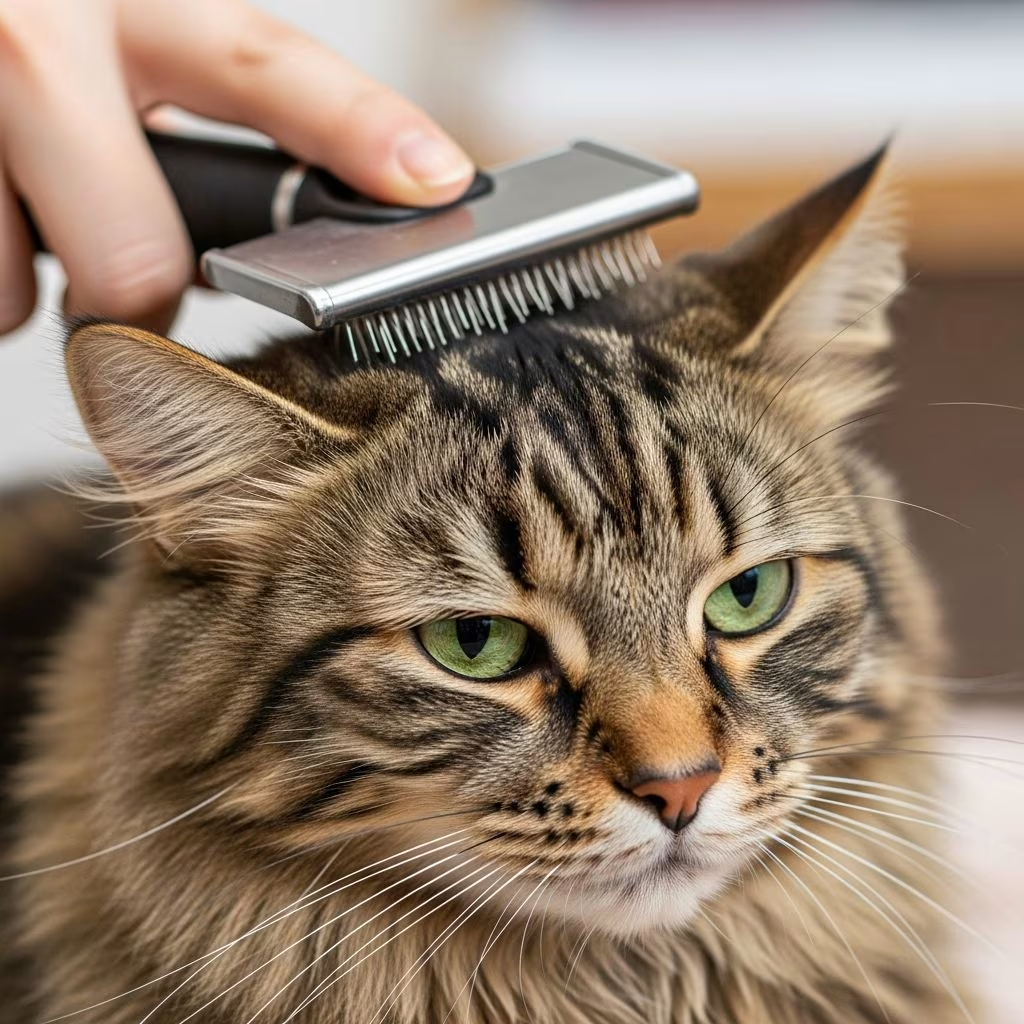
Long-toothed metal combs or brushes with rows of offset tines are ideal for medium and long-haired cats. These tools help remove loose hair and gently smooth minor tangles without causing discomfort. Metal combs are particularly useful for working through longer hair and identifying potential mats before they become problematic.
Your veterinary health care team can provide specific recommendations for grooming tools that will work particularly well for your individual cat’s coat type. The key is selecting tools designed for your cat’s specific needs rather than using generic brushes that may not be effective or comfortable.
Making Grooming a Positive Experience
Introducing grooming to your cat requires patience and a gentle approach. Start with short grooming sessions and always end on a positive note. Many cats respond better to grooming when they’re in a relaxed state, such as after a meal or play session when they’re naturally calm and content.
When using any grooming tool, be gentle and avoid excessive pulling on tangles or mats. Rough grooming can cause discomfort and make your cat resistant to future grooming sessions. Instead, use slow, deliberate strokes and take time to work through tangles carefully. Reward your cat with treats and praise during and after grooming to create positive associations with the grooming process.
Managing Tangles, Mats, and Burrs
Despite your best efforts at regular brushing, tangles and mats can still develop, particularly in long-haired cats. How you handle these situations determines whether grooming remains a positive experience for your cat.
For minor tangles and burrs: If your cat has just picked up a burr or grass awn, or if a tangle is small and relatively recent, you may be able to remove it by brushing or combing it out gently. Work slowly and patiently, starting from the outer edges of the tangle and gradually working toward the center.
For extensive mats: When tangles are severe or there’s a large clump of burrs or grass awns forming a mat, it may be necessary to cut out the clump of hair. However, extreme care must be taken during this process. Scissors are never recommended for mat removal because they can easily slip and cut your cat’s delicate skin. Instead, use clippers specifically designed for pet grooming.
When to seek professional help: When tangles are severe or extensive, it’s strongly recommended that you seek professional care from a groomer or your veterinarian. Professional groomers have the expertise and specialized tools to remove mats safely and completely. Additionally, if a mat has caused any skin irritation, take your cat to your veterinarian so that appropriate treatment can be prescribed.
Important pre-bathing tip: If you’re planning on bathing your cat, make sure that you brush out as many burrs or tangles from the coat before bathing, since tangles become nearly impossible to remove after a bath.
Nail Trimming and Claw Care
Keeping your cat’s claws trimmed is essential for her comfort and for protecting your furniture and family members from accidental scratches. Most cats need nail trims every 2–3 weeks, though some cats may need more frequent trimming depending on their activity level and how quickly their nails grow.
How to Trim Your Cat’s Nails
Cat claws are usually white or clear, making it easy to identify and avoid the sensitive quick—the pink area inside the nail that contains blood vessels and nerves. Trimming a cat’s claw involves removing only the hooked portion of the nail, without touching the area near the quick.
You’ll need a small scissors-type trimmer designed specifically for cats. These trimmers are engineered to remove only the hooked portion of your cat’s claw safely. When trimming, angle the clipper to remove the curved tip of the nail, being careful to avoid the quick.
Training Your Cat for Nail Trims
Cats can be trained to tolerate claw trims with patience and positive reinforcement. Many cats prefer to be gently restrained on your lap or even bundled into a towel for their grooming sessions. This creates a secure, comfortable environment where your cat feels safe and supported during the procedure.
Start by handling your cat’s paws frequently outside of grooming sessions, so she becomes accustomed to having her feet touched. Offer treats and praise when she allows you to examine her paws. This desensitization process makes actual nail trimming less stressful when the time comes.
Supporting Natural Claw Maintenance
While scratching posts help keep your cat’s nails naturally worn down through normal scratching behavior, they don’t eliminate the need for regular trimming. Scratching posts provide environmental enrichment and allow your cat to shed the outer sheaths of her claws, but manual trimming is still necessary to keep nails at an appropriate length and prevent overgrowth.
Bathing Your Cat
Bathing cats presents a significant challenge for many cat owners, as most cats don’t enjoy the water experience. However, occasional bathing can be beneficial for managing certain skin conditions or treating flea infestations.
When to Bathe Your Cat
Most cats don’t need frequent baths under normal circumstances, as they’re highly efficient self-groomers. However, bathing may be necessary in specific situations such as:
– Treating skin conditions or infections that require medicated shampoo
– Addressing flea or parasite infestations
– Removing stubborn dirt or debris from the coat
– Helping cats with limited mobility who cannot groom themselves adequately
How to Bathe Your Cat Successfully
If you have a new kitten, you can teach her to tolerate baths by starting when she is young, but it can be difficult to train an adult cat to accept bathing as part of her grooming routine. Many cat owners choose to take their cat to a professional groomer or arrange with their veterinarian to have the cat sedated and groomed at the veterinary clinic.
If you decide to bathe your cat at home, follow these guidelines for success:
Preparation: Brush out all tangles and mats before bathing, as water makes tangles impossible to remove. Use lukewarm water—not hot—and have all supplies ready before you begin.
Shampooing: Use a cat-specific shampoo and work it gently through the coat. Avoid getting shampoo in your cat’s eyes or ears.
Rinsing: Thoroughly rinse out all shampoo traces. This is especially critical if using a medicated or flea shampoo, as residue can be toxic if ingested during your cat’s post-bath grooming.
Conditioning: For best results, apply a conditioning product after shampooing to restore moisture to the skin and minimize the development of dandruff.
After the bath: Expect your cat to groom vigorously after the bath, so ensure all products are completely rinsed away.
Hair Trimming and Coat Maintenance
Some long-haired cat breeds require occasional hair trimming to maintain coat health and prevent matting. However, there are important considerations before deciding to trim your cat’s coat.
When Professional Trimming is Needed
Breeds such as Persians and Maine Coons with luxurious, flowing coats often benefit from professional grooming services. Their fur tangles easily and can hide debris, parasites, or skin issues. A professional groomer can trim the coat to prevent matting while maintaining your cat’s appearance.
Summer Haircuts and Sun Protection
If your cat requires a haircut during the summer months, it’s important to leave at least 1 inch (2.5 cm) of hair coat to avoid sunburn or sun damage to the skin. Even though cats are indoor animals most of the time, if your cat spends time in sunny windows or outdoors, adequate coat coverage is essential for skin protection.
Should You Shave Your Cat?
Generally, you should not shave your cat’s coat completely. A cat’s coat helps regulate her body temperature, and shaving can lead to sunburn, stress, and behavioral problems. Before making any decision about significant coat removal, consult with your veterinarian to discuss your cat’s specific situation and needs.
Ear and Eye Care During Grooming
During grooming sessions, pay attention to your cat’s ears and eyes. These sensitive areas require special care:
Ear cleaning: You should clean your cat’s ears only if they look dirty. Use a vet-approved ear cleaner and a cotton pad—never use cotton swabs, which can damage the ear canal. When in doubt, consult your veterinarian about whether your cat’s ears need cleaning.
Eye monitoring: While grooming, examine your cat’s eyes for any discharge, redness, or cloudiness. These could indicate infections or other health concerns requiring veterinary attention.
Professional Grooming Services
Some grooming tasks are best left to professionals, especially if your cat becomes anxious or aggressive during grooming. Professional groomers have the expertise, tools, and experience to handle challenging grooming situations safely and effectively.
When to seek professional help:
– Your cat becomes extremely stressed or aggressive during grooming
– You need assistance with extensive mat removal
– Your cat requires a medicated bath or flea treatment
– You’re uncomfortable performing certain grooming tasks
– Your cat has mobility issues or behavioral challenges
Professional grooming services typically include shampooing, blow drying, ear cleaning and plucking, nail trimming, and hair cutting as needed. Professional groomers can also guide you toward certified feline specialists or recommend trusted groomers in your area.
Building a Grooming Routine
Establishing a consistent grooming routine is key to success. Here are steps to build a grooming practice that works for you and your cat:
Start slowly: Begin with short grooming sessions of just a few minutes. Many cats respond better when grooming doesn’t feel like an overwhelming experience.
Choose the right time: Groom your cat when she’s relaxed, such as after meals or play sessions.
Use positive reinforcement: Offer treats, praise, and affection during and after grooming to create positive associations.
Be consistent: Establish a regular grooming schedule so your cat knows what to expect.
Invest in quality tools: Proper grooming tools make the process easier and more effective for both you and your cat.
Know when to ask for help: Don’t hesitate to contact your veterinarian or a professional groomer when you need guidance or assistance.
Frequently Asked Questions
Q: How often should I groom my short-haired cat?
A: Short-haired cats should be brushed at least once a week to remove loose hairs, dead skin cells, and debris. Daily brushing is beneficial if your cat sheds heavily.
Q: What’s the best way to remove mats from my cat’s coat?
A: For minor tangles, use a gentle brushing technique. For severe mats, use pet-specific clippers (never scissors) or seek professional grooming help. Always be extremely careful not to cut your cat’s skin.
Q: How often should I trim my cat’s nails?
A: Most cats need nail trims every 2–3 weeks, though this varies based on how quickly your individual cat’s nails grow and how active she is.
Q: Can I give my cat a bath at home?
A: Yes, you can bathe your cat at home, though many cats dislike baths. Use lukewarm water, cat-specific shampoo, and rinse thoroughly. Starting young makes it easier to train cats to tolerate bathing.
Q: Is it safe to shave my cat’s coat in summer?
A: You should generally avoid shaving your cat, as the coat helps regulate body temperature. If trimming is necessary, leave at least 1 inch of hair to prevent sunburn and stress.
Q: How can I make my cat more comfortable with grooming?
A: Start with short sessions, groom during relaxed times, use positive reinforcement with treats and praise, and handle your cat’s paws frequently to build tolerance for touch.
Q: What should I do if my cat has sensitive skin or skin conditions?
A: Consult your veterinarian about appropriate grooming practices for your cat’s specific condition. They may recommend medicated shampoos or adjusted grooming frequencies.
References
- Cat Grooming Guide — V.E.T. Care Hospital. 2025-07-01. https://vetcarehosp.com/2025/07/01/cat-grooming-guide/
- Grooming and Coat Care for Your Cat — VCA Animal Hospitals. https://vcahospitals.com/know-your-pet/grooming-and-coat-care-for-your-cat
- Pet Grooming in Houston, TX — VCA Jones Road Animal Hospital. https://vcahospitals.com/jones-road/services/pet-grooming
- Handling Exercises for Trimming Nails and Brushing Teeth — VCA Animal Hospitals. https://vcahospitals.com/know-your-pet/handling-exercises-for-trimming-nails-and-brushing-teeth
- Coat and Skin Appearance in the Healthy Cat — VCA Animal Hospitals. https://vcahospitals.com/know-your-pet/coat-and-skin-appearance-in-the-healthy-cat



