

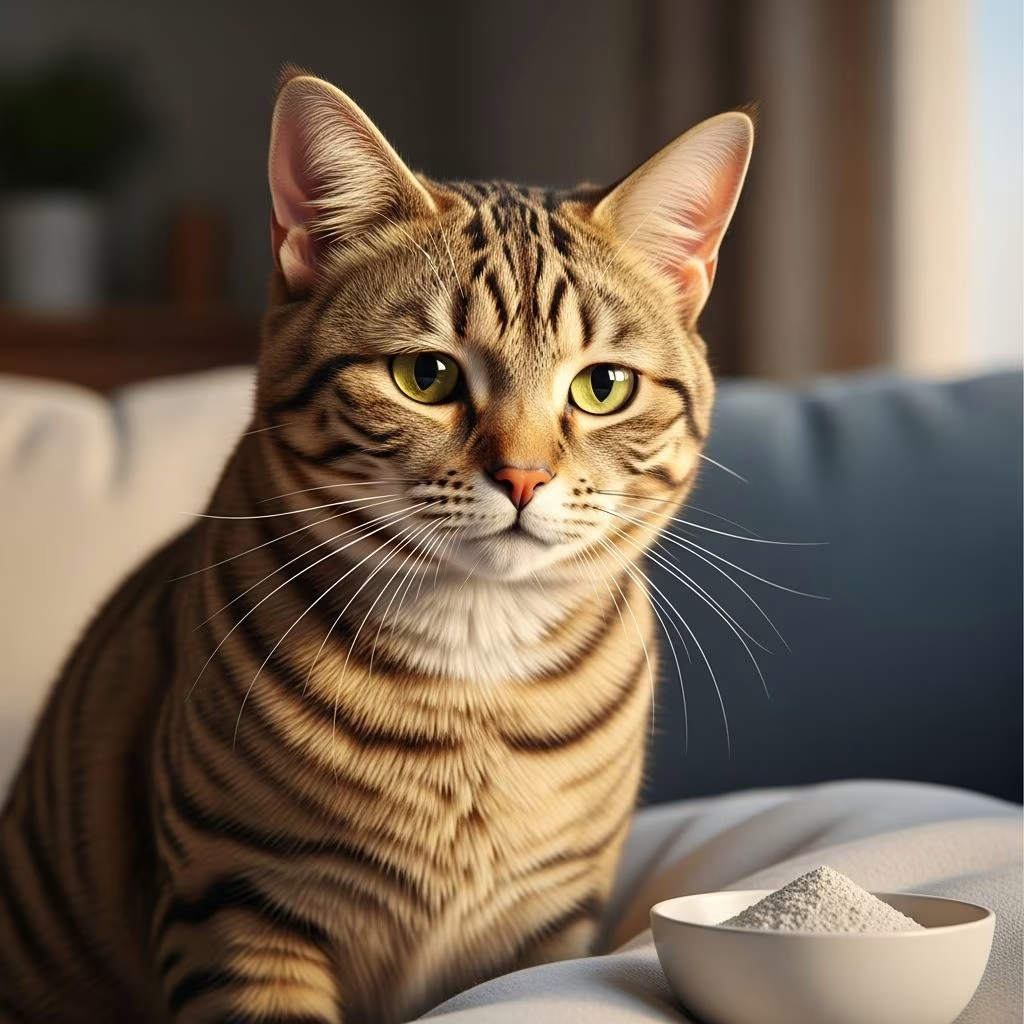
Gastrointestinal disturbances represent one of the most frequently encountered health challenges in domestic cats. When cats experience loose stools or diarrhea, pet owners often seek immediate solutions to restore their feline companion’s comfort and normal bowel function. Understanding the available treatment options—from absorbent medications to dietary adjustments—empowers cat owners to work effectively with their veterinarians to resolve these issues.
Understanding Feline Diarrhea: Scope and Significance
Diarrhea in cats can range from acute episodes lasting only a few days to chronic conditions persisting for weeks or months. The underlying causes vary considerably, encompassing dietary indiscretions, parasitic infections, bacterial overgrowth, inflammatory conditions, and food sensitivities. The severity and duration of the condition directly influence which treatment approaches prove most effective.
Acute diarrhea episodes, particularly those lasting fewer than 48 hours without accompanying symptoms like vomiting or appetite loss, may respond well to conservative home management strategies. However, persistent diarrhea lasting longer than 48 hours, accompanied by systemic signs, or involving visible blood requires professional veterinary evaluation and targeted intervention.
Absorbent Agents: Mechanisms and Applications
Kaolin-Pectin Formulations
Kaolin-pectin represents one of the safest and most widely recommended absorbent options for feline patients. These compounds work by binding excess fluid within the intestinal tract and absorbing bacterial toxins and other harmful substances. Unlike certain other anti-diarrheal medications, kaolin-pectin formulations carry minimal risk of adverse effects when used as directed in cats. This safety profile makes them suitable for initial at-home management when recommended by a veterinarian.
Bismuth Subsalicylate
Bismuth subsalicylate offers multiple therapeutic properties beneficial for gastrointestinal upset, including antibacterial, antienterotoxin, and anti-inflammatory effects. However, this agent requires careful dosing in cats due to their unique metabolic characteristics. The recommended feline dosage ranges from 0.5 to 1 ml/kg administered orally every 12 hours, with treatment duration limited to no more than two or three days. Pet owners should exercise caution when using this medication, as salicylate compounds are slowly eliminated in cats if systemic absorption occurs. An unusual but harmless side effect involves the development of green-black stools resembling melena, along with notable resistance to the medication’s taste by most feline patients.
Pharmaceutical Interventions for Underlying Causes
Antimicrobial and Antiparasitic Therapy
When diarrhea results from specific infectious or parasitic organisms, targeted pharmaceutical treatment becomes essential. Metronidazole represents a commonly prescribed antimicrobial for treating protozoan infections, including giardia, which frequently affects cats. This medication has demonstrated effectiveness at reducing cyst shedding in experimentally infected cats. However, the maximum daily dose should not exceed 50 mg/kg, as higher doses carry risk of neurotoxicosis. Signs of toxicity include lethargy, vomiting, incoordination, vocalization, and seizures, though these typically resolve within five to seven days of discontinuing the drug.
A particular challenge with metronidazole involves its unpalatability and the profuse salivation cats exhibit when broken tablets are administered. Veterinarians often address this by compounding the medication into smaller capsules or placing partial tablets within gelatin capsules to improve administration tolerability.
Fenbendazole and sulfadimethoxine represent additional antimicrobial options for parasitic or bacterial infections. Sulfadimethoxine, a bacteriostatic agent approved for treating sulfonamide-sensitive bacterial infections and coccidiosis-associated enteritis, carries an important caveat: while approved in dogs, it is not FDA-approved for treating coccidiosis in cats and has been associated with treatment failures in acute feline cases.
Corticosteroid Therapy for Inflammatory Conditions
When chronic diarrhea stems from inflammatory bowel disease (IBD)—characterized by persistent gastrointestinal inflammation without identifiable pathogens—corticosteroids become the cornerstone of treatment. Prednisolone is preferred to prednisone in feline patients due to superior bioavailability in cats. This medication effectively suppresses the intestinal inflammation typical of lymphoplasmacytic or eosinophilic patterns observed on histology.
For cats poorly tolerating prednisolone, budesonide offers an alternative corticosteroid option. This locally acting agent undergoes extensive first-pass hepatic metabolism, theoretically minimizing systemic exposure. While budesonide has not been extensively evaluated in cats, research in canine patients demonstrates fewer unwanted side effects compared to prednisone. The recommended feline dosage is 1 mg administered orally every 24 hours. Long-term use still carries potential for pituitary-adrenal axis suppression, indicating some degree of systemic effect.
Nutritional Management Strategies
Dietary Selection Principles
Dietary intervention represents an essential component of diarrhea management, often beneficial either independently or alongside pharmaceutical treatments. Multiple dietary approaches exist, including highly digestible formulations, high-fiber options, and elimination diets targeting food sensitivities.
A lower-fat diet featuring novel protein and carbohydrate sources—ingredients the cat has never previously consumed—frequently benefits cats with dietary intolerance or allergy-related diarrhea. Such diets should be introduced gradually and maintained for 3 to 4 weeks to assess clinical improvement. The focus on digestibility cannot be overstated, as highly digestible formulations reduce intestinal workload and promote more efficient nutrient absorption.
Transition Protocols
When changing a cat’s diet, abrupt transitions can precipitate or worsen diarrhea by disrupting the intestinal environment. The recommended approach involves gradually shifting the cat from current food to new food over a 7 to 10 day period, systematically increasing new food portions while decreasing original food amounts daily. This measured transition minimizes digestive upset and allows beneficial gut bacteria populations to adapt to dietary changes.
Supplemental and Adjunctive Treatments
Probiotic Supplementation
Probiotics—beneficial bacteria supporting intestinal health—represent a commonly recommended adjunctive therapy for feline diarrhea. These products help reestablish normal gut microbiota populations disrupted by infection, medication, or dietary changes. However, the quality and effectiveness of probiotic formulations vary considerably among commercial products. Consultation with a veterinarian before initiating any probiotic regimen ensures selection of evidence-supported products most likely to benefit the individual patient.
Pancreatic Enzyme Supplementation
For cats with exocrine pancreatic insufficiency (EPI)—a rare but significant cause of chronic, voluminous diarrhea accompanied by weight loss—pancreatic enzyme replacement forms the management cornerstone. Powdered pancreatic enzyme extracts should be mixed directly with food before feeding, using a dosage of 1/4 to 3/4 teaspoon per meal.
Cobalamin and Additional Support
Cobalamin supplementation, gastrointestinal protectants, and motility modifiers may be incorporated into treatment plans for specific conditions or in cases where conservative therapy is preferred for nonspecific diarrhea.
Medications to Avoid: Safety Considerations
While multiple anti-diarrheal options exist, certain medications carry significant risks in feline patients. Diphenoxylate hydrochloride and loperamide hydrochloride, though sometimes used for canine diarrhea, are rarely appropriate for cats and can cause serious adverse reactions including respiratory depression and paradoxical excitatory behavior. Veterinarians generally advise against these medications in feline medicine, reserving them for only the most exceptional circumstances under close supervision.
Fluid and Electrolyte Management
Persistent diarrhea, particularly when voluminous or watery, can lead to significant fluid loss and electrolyte imbalances. Veterinary management may include fluid therapy to correct dehydration and restore normal electrolyte concentrations including sodium, potassium, and chloride. Additionally, acid-base balance disturbances may require correction through appropriate supportive care.
When Professional Evaluation Becomes Necessary
Pet owners should recognize situations requiring prompt veterinary attention. If home remedies fail to produce improvement within 48 hours, or if diarrhea accompanies vomiting, appetite loss, lethargy, or visible blood, professional evaluation becomes essential. Similarly, any episode of severe symptoms warrants immediate veterinary assessment. In these situations, veterinarians may recommend diagnostic procedures including abdominal imaging, fecal analysis, or gastrointestinal biopsy through exploratory surgery.
Comprehensive Treatment Planning
Successful diarrhea management frequently requires multimodal approaches combining targeted pharmaceutical therapy addressing underlying causes with dietary modifications and adjunctive supports. The veterinarian’s primary focus centers on identifying and treating the root cause rather than simply suppressing symptoms. Once a diagnosis is established, treatment can address the underlying problem rather than providing temporary symptomatic relief.
Many acute diarrhea cases respond remarkably well to conservative treatment, allowing the body’s natural healing mechanisms to resolve the problem without ever establishing a definitive underlying diagnosis. As stools return to normal, the cat’s regular diet can typically be reintroduced gradually over seven to ten days.
Frequently Asked Questions
Can I use over-the-counter anti-diarrheal medications for my cat?
While kaolin-pectin supplements are considered safe for feline use, most anti-diarrheal medications should not be administered without veterinary supervision due to potential safety concerns specific to cats. Always consult your veterinarian before giving any medication.
How long should I wait before contacting my veterinarian about my cat’s diarrhea?
If diarrhea persists beyond 48 hours, worsens despite home care, or is accompanied by vomiting, appetite loss, or other concerning symptoms, contact your veterinarian promptly.
Will changing my cat’s food help resolve diarrhea?
Dietary modifications can be highly beneficial, particularly for diarrhea related to food sensitivity or digestibility issues. However, changes should be implemented gradually over 7-10 days and may require 3-4 weeks at the new diet to assess full effectiveness.
Are probiotics safe for cats with diarrhea?
Probiotics are generally safe and recommended by veterinarians. However, quality varies among products, so consult your veterinarian for product recommendations before selection.
Key Takeaways for Feline Diarrhea Management
- Identify the underlying cause whenever possible, as successful treatment typically depends on addressing the root problem
- Use safe absorbent agents like kaolin-pectin for initial management
- Implement dietary modifications gradually, allowing 3-4 weeks for assessment
- Incorporate probiotics and other adjunctive therapies as recommended by your veterinarian
- Recognize situations requiring professional veterinary evaluation, particularly when symptoms persist beyond 48 hours
- Avoid anti-diarrheal medications without explicit veterinary guidance
- Maintain close communication with your veterinary team regarding treatment response and any emerging symptoms
References
- How to manage feline chronic diarrhea, Part II: Treatment — DVM360. Accessed February 2026. https://www.dvm360.com/view/how-manage-feline-chronic-diarrhea-part-ii-treatment
- Managing Chronic Diarrhea in Cats — Tri-County Animal Hospital. Accessed February 2026. https://tricountyah.com/pet-health/chronic-diarrhea-cats/
- What to feed a cat with diarrhea — Vetster. Accessed February 2026. https://vetster.com/en/wellness/what-to-feed-a-cat-with-diarrhea
- Diarrhea in Cats — VCA Animal Hospitals. Accessed February 2026. https://vcahospitals.com/know-your-pet/diarrhea-in-cats
- Diarrhea in Cats: Common Causes & When It’s Serious — Springfield Veterinary Referral Center. 2024. https://www.vetreferralcenter.com/site/blog/2024/02/15/diarrhea-cats
- Cat Diarrhea: Causes, Symptoms & Treatment — Purina US. Accessed February 2026. https://www.purina.com/articles/cat/health/digestion/cat-diarrhea-causes-treatment
- Cat Diarrhea Treatment: What to Give Cats With Diarrhea — PetMD. Accessed February 2026. https://www.petmd.com/cat/general-health/cat-diarrhea-treatment
- Why Does My Cat Have Diarrhea? — Exeter Vets. 2024. https://www.pccompanionvets.com/site/blog/2024/04/15/diarrhea-cat



