

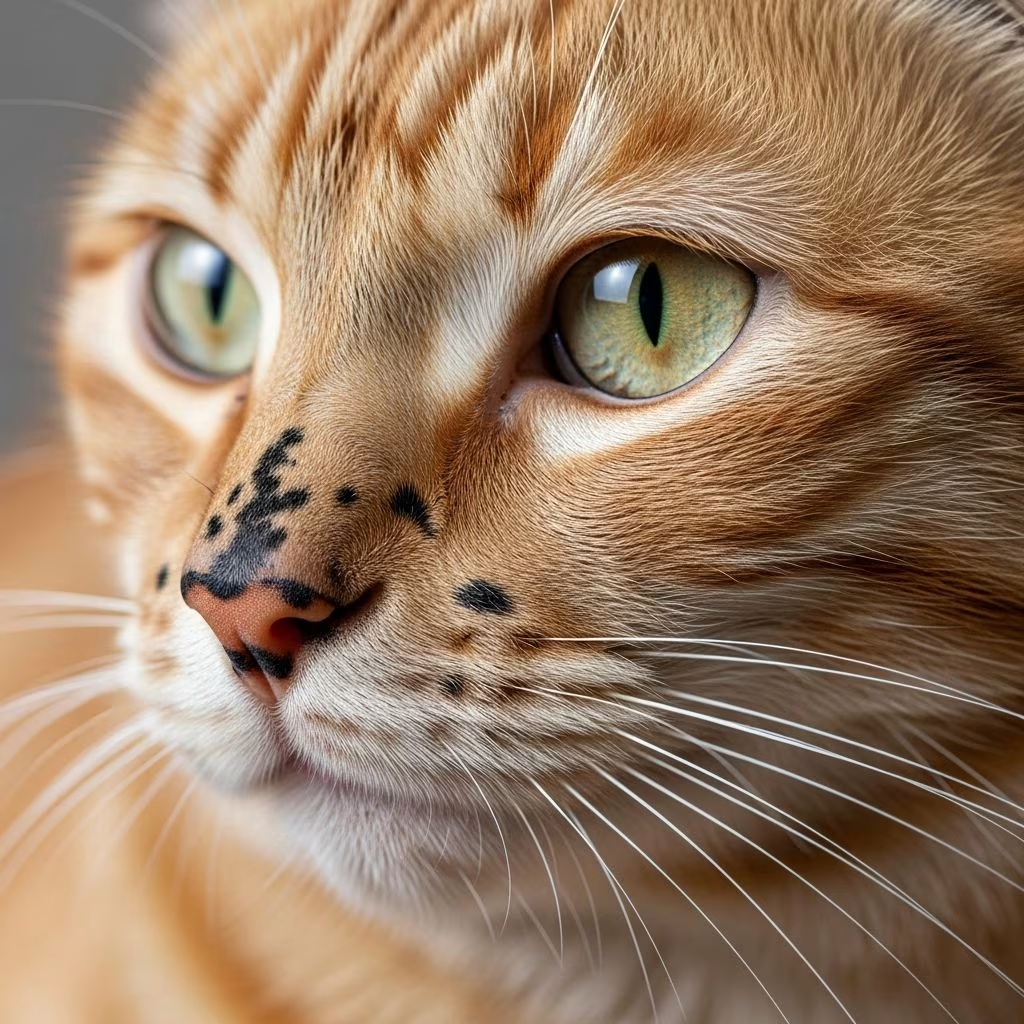
If you’ve noticed dark spots appearing on your cat’s nose, lips, or eyelids, you might be wondering what’s happening to your beloved companion. These charming little markings, often called “cat freckles,” are a completely natural phenomenon known as lentigo. Unlike the sudden appearance of these spots might suggest, lentigo is neither a disease nor a cause for alarm. Instead, it’s a common pigmentation condition that affects many cats, particularly those with orange or reddish coat colors. Understanding what lentigo is and how it develops can help you appreciate these adorable marks while knowing when—and if—you need to consult your veterinarian.
The Science Behind Feline Pigmentation Spots
Lentigo represents a straightforward biological process involving increased pigmentation in specific areas of a cat’s skin. The condition occurs when melanocytes, the specialized cells responsible for producing pigment, cluster together in concentrated areas rather than distributing evenly across the skin’s surface. This clustering creates the characteristic small, flat, dark spots that give the condition its nickname of “cat freckles”. Unlike raised or textured skin growths, genuine lentigo spots remain perfectly flat against the skin’s surface and cause no irritation or discomfort to your feline friend.
The appearance of these spots is influenced by your cat’s genetics and coat color. Cats with orange fur carry a specific gene that produces pheomelanin, the orange pigment, and this same genetic factor causes melanin to concentrate in particular areas of the body. This explains why lentigo appears so much more frequently in certain breeds and color patterns, creating a predictable pattern in which cats develop these charming marks.
Which Cats Are Most Susceptible to Lentigo?
While lentigo can technically develop in any cat, certain breeds and color patterns show a significantly higher predisposition to this condition. Orange tabbies are by far the most commonly affected cats, but the condition also frequently appears in calico and tortoiseshell cats due to their orange genetic component. Occasionally, silver or cream-colored cats may develop lentigo spots as well. Male cats with orange coloring or orange markings on their faces are particularly prone to developing these pigmented spots.
The genetic basis for lentigo explains why certain feline families show a higher incidence of the condition. If your cat belongs to one of these color categories, the likelihood of spotting lentigo increases as your cat ages. This hereditary nature of the condition means it has nothing to do with your cat’s diet, lifestyle, or care quality—it’s simply written into your cat’s DNA.
When Do Lentigo Spots Typically Appear?
Most cats don’t arrive in the world with lentigo spots already present. Instead, these pigmented marks tend to emerge as cats mature and age. The earliest signs typically begin appearing around one year of age, usually first manifesting on the lips and eyelids. As your cat enters adulthood and continues to age, additional spots may gradually develop on other areas including the nose, gums, roof of the mouth, inside the ears, and even on foot pads. The progressive nature of lentigo means that an older cat may have considerably more spots than a younger one.
The timeline for lentigo development varies among individual cats. Some cats may develop only a few spots over their lifetime, while others accumulate numerous freckles as they age. The good news is that this progression causes no pain, discomfort, or health consequences for your cat—it’s purely a cosmetic change that many cat owners find endearing.
Distinguishing Lentigo From Other Skin Conditions
While lentigo is harmless, other skin conditions can sometimes produce dark spots that require veterinary attention. Being able to differentiate between benign lentigo and potentially concerning conditions is important for responsible cat ownership. Several red flags should prompt you to schedule a veterinary examination rather than assuming the spots are simple freckles.
Characteristics of Normal Lentigo:
- Spots are consistently small and flat, not raised or bumpy
- Color is uniform brown or black
- Spots show no signs of irritation, inflammation, or discharge
- No bleeding, cracking, or scabbing is present
- Spots appear on hairless or sparsely haired areas like the nose, lips, eyelids, and gums
- The skin around spots appears healthy and normal
- Spots develop gradually over months or years
Warning Signs Requiring Veterinary Evaluation:
- Any spots that are raised or have a bumpy texture
- Spots displaying colors other than brown or black, such as red or pink
- Dark spots on the gums that could indicate fungal infection or oral cancer
- Spots appearing on areas covered by your cat’s fur
- Spots with blurry, irregular, or poorly defined edges
- Signs of inflammation, bleeding, or discharge around the spots
- Spots that appear suddenly or increase rapidly in number or size
- Any dark spots visible within the eye itself, which could indicate iris melanosis
Related Pigmentation Conditions in Felines
While exploring your cat’s skin changes, it’s helpful to understand that lentigo isn’t the only pigmentation-related condition affecting cats. Hyperpigmentation, a broader category of increased melanin production, can develop in response to chronic skin irritation, inflammation from allergies, hormonal imbalances, or prolonged sun exposure. Unlike the inherited nature of lentigo, hyperpigmentation typically develops as a response to environmental or health factors.
Another distinct condition is vitiligo, which causes the opposite effect—loss of pigmentation rather than increased pigmentation. Vitiligo is hereditary and most commonly seen in Siamese cats, creating bleached areas of skin that may involve hair and claws. This condition typically develops in young adulthood and most often affects the face, particularly the bridge of the nose and areas around the eyes.
Environmental and Lifestyle Factors Affecting Nose Color
While lentigo itself is a genetic condition, your cat’s overall nose color can fluctuate due to various environmental and physiological factors. Temperature changes significantly impact nose coloration due to the tiny blood vessels running through the thin skin covering the nose. When exposed to cold, these vessels constrict to minimize heat loss and preserve blood flow to vital organs, causing the nose to appear paler. Conversely, after napping in warm spots, your cat’s nose may appear noticeably pinker due to increased circulation bringing more blood to the surface.
Sun exposure also influences nose pigmentation. Cats that enjoy basking in sunny windows may develop darker noses due to increased melanin production, similar to how human skin tans. However, excessive sun exposure can be harmful, potentially causing sunburn in cats with light-colored noses and contributing to more serious skin conditions. Providing shaded resting areas for outdoor cats helps protect them from UV-related damage.
When Medical Conditions Cause Nose Color Changes
While most nose color changes are harmless and temporary, certain medical conditions can produce significant color alterations that warrant prompt veterinary evaluation. A pale or whitish nose may indicate anemia, a condition involving decreased red blood cells that can result from blood loss, poor nutrition, or underlying diseases. Poor circulation caused by heart disease or low blood pressure can also cause the nose to appear abnormally pale. If your cat shows lethargy, rapid breathing, or loss of appetite alongside a pale nose, veterinary attention is essential.
A bluish or purplish tint to the nose indicates cyanosis, signaling that your cat’s body isn’t receiving adequate oxygen. This condition can stem from respiratory issues, heart disease, or lung infections and requires immediate veterinary care, especially if accompanied by breathing difficulties or weakness. Similarly, a yellowish tint to the nose, ears, and gums may indicate jaundice related to liver disease, particularly if accompanied by vomiting, weight loss, or behavioral changes.
Addressing Hyperpigmentation and Infections
Sometimes dark spots or darkening on your cat’s nose results from skin inflammation caused by allergies or infections rather than inherited lentigo. Bacterial and fungal infections can produce dark spots along with crusting and irritation around the nose area. Allergic reactions to food, environmental factors, or cleaning products can also trigger pigmentation changes. If you notice scabbing, swelling, or excessive scratching around your cat’s nose, professional veterinary guidance becomes necessary to identify and address the underlying cause.
Frequently Asked Questions About Feline Lentigo
Is lentigo painful or uncomfortable for cats?
No, lentigo is purely a cosmetic condition causing no pain, discomfort, or irritation. The spots are completely benign and don’t affect your cat’s quality of life in any way. Your cat won’t require medication or special care simply for having lentigo.
Can lentigo develop into cancer?
Lentigo spots themselves are not precancerous and have no medical consequences. However, any significant changes in your cat’s skin should be evaluated by a veterinarian to rule out other conditions. The key is distinguishing between harmless lentigo and other skin abnormalities that might require treatment.
Should I try to remove or treat lentigo spots?
Since lentigo causes no health problems and is purely cosmetic, treatment is neither necessary nor recommended. The spots are a natural part of your cat’s aging process and actually add character to many cats’ appearances. Most cat owners find these “freckles” rather charming.
How can I monitor my cat for serious skin conditions?
Regular grooming and petting sessions provide excellent opportunities to examine your cat’s skin closely. Familiarize yourself with your cat’s normal spots and coloration, and note any new developments or changes in existing marks. Schedule veterinary check-ups regularly, and mention any new skin developments to your veterinarian.
Practical Tips for Managing Your Cat’s Skin Health
While lentigo requires no special care, maintaining your cat’s overall skin and coat health supports wellbeing. Regular brushing helps you monitor your cat’s skin condition and catch any unusual changes early. Providing balanced nutrition supports healthy skin and coat development. Limiting sun exposure during peak hours protects your cat from UV damage, and offering shaded outdoor spaces or indoor window perches allows your cat to enjoy sunlight safely.
Schedule annual veterinary examinations where your vet can assess your cat’s skin condition. During these appointments, mention any new spots or pigmentation changes you’ve noticed. Your veterinarian can distinguish between harmless lentigo and conditions requiring treatment, giving you peace of mind about your cat’s health.
Embracing Your Cat’s Unique Appearance
The appearance of lentigo spots on your cat’s nose, lips, or eyelids represents a natural and entirely normal aspect of feline aging. Rather than signaling illness or requiring intervention, these charming “freckles” are simply your cat’s unique way of showing character and individuality. Many cat owners find these pigmented spots endearing, adding to their cat’s distinctive appeal and personality. By understanding the nature of lentigo and learning to distinguish it from conditions that do require veterinary attention, you can appreciate these marks while maintaining vigilance about your cat’s actual health needs.
References
- Why is My Cat’s Nose Changing Color? — North Kenny Veterinary Clinic. https://northkennyvet.com/blog/cats-nose-changing-color/
- Lentigo in Cats: Furry Friend Freckles or Something Else? — Creative.Science. https://creative.science/education/lentigo-in-cats-furry-friend-freckles-or-something-else
- Lentigo in Cats — Wag! https://wagwalking.com/cat/condition/lentigo-in-cats
- Congenital and Inherited Skin Disorders of Cats — Merck Veterinary Manual. https://www.merckvetmanual.com/cat-owners/skin-disorders-of-cats/congenital-and-inherited-skin-disorders-of-cats
- Skin Turning Black (Hyperpigmentation) in Cats — Vetster. https://vetster.com/en/symptoms/cat/skin-turning-black
- Why Does My Cat’s Nose Change Color? — Cats.com. https://cats.com/why-does-my-cats-nose-change-color



