

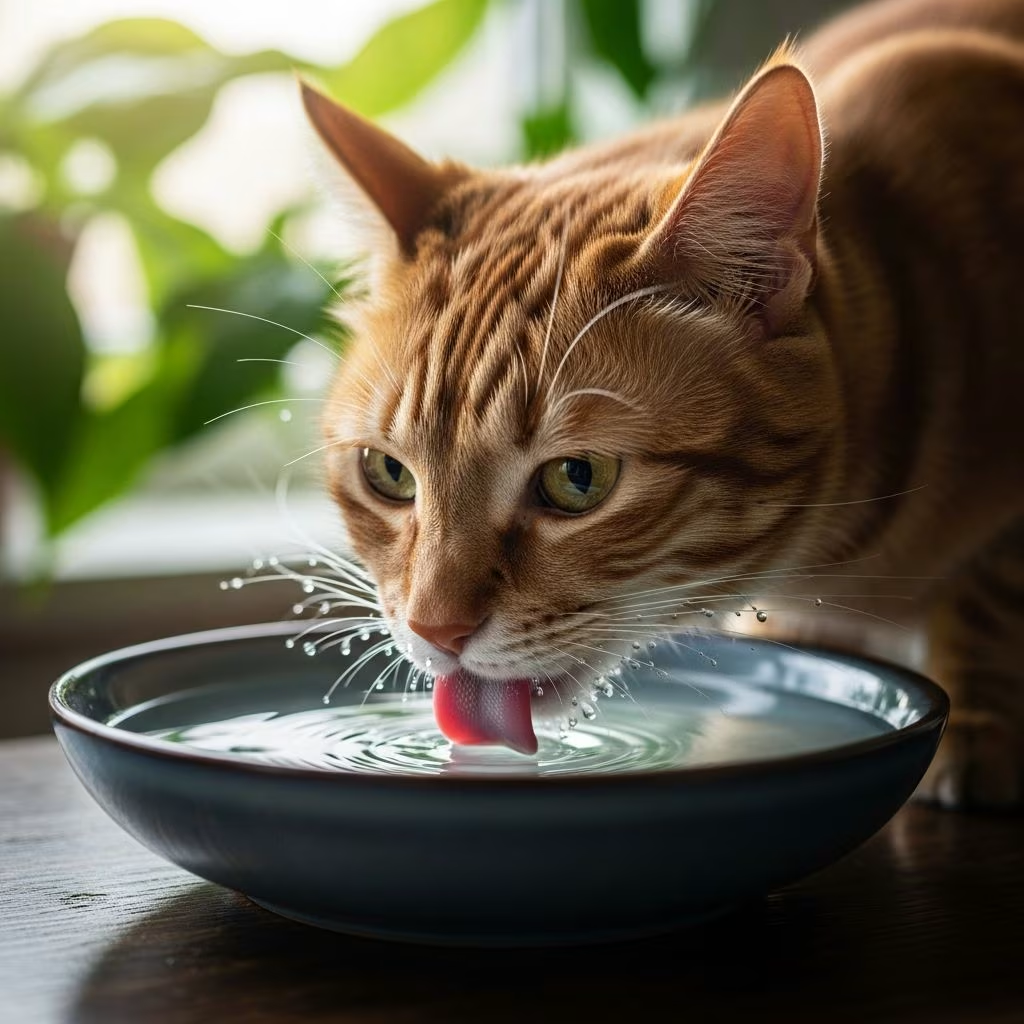
Understanding Your Cat’s Unique Water Needs
Water comprises approximately two-thirds of your cat’s body composition and plays a critical role in maintaining virtually every physiological process. From supporting kidney function to facilitating nutrient absorption and regulating body temperature, adequate hydration is foundational to feline wellness. Yet many domestic cats exist in a state of chronic, low-grade dehydration without their owners realizing it.
The challenge isn’t that cats lack the biological ability to stay hydrated—it’s that their evolutionary history has shaped behavioral patterns that work against them in modern domestic environments. Unlike humans and dogs, cats evolved as hunters whose prey provided most of their daily fluid intake. This evolutionary adaptation created a naturally suppressed thirst drive, meaning cats rely more on moisture-rich food than on independent water-seeking behavior.
Why Cats Struggle with Adequate Hydration
The primary obstacle to feline hydration is the combination of a naturally low thirst drive and diets that fail to compensate for this biological limitation. When cats are fed primarily dry kibble, they often fail to drink sufficient supplemental water to meet their hydration needs. Research from the WALTHAM Centre for Pet Nutrition demonstrates this pattern clearly: when six healthy cats were offered identical nutrients but with varying moisture levels—ranging from just 6.3 percent in dry food to 73.3 percent in wet food—those consuming the dry food actually drank less water than cats on higher-moisture diets, despite requiring additional fluid intake to maintain hydration levels.
This occurs because cats don’t naturally compensate for moisture deficiency by increasing water consumption. Even when water bowls are readily available, many cats consuming dry kibble remain moderately dehydrated. The consequences of this silent dehydration can be substantial, ranging from urinary tract complications to kidney dysfunction.
The Hidden Health Impacts of Insufficient Fluid Intake
Dehydration in cats produces several interconnected health challenges. The most commonly documented consequence involves the urinary system, where inadequate hydration leads to more concentrated urine. Concentrated urine creates an environment where mineral crystals are more likely to develop and accumulate, increasing the risk of feline lower urinary tract disease (FLUTD).
Research reveals that cats consuming high-moisture diets produce significantly more dilute urine with greater urinary volume and lower concentrations of stone-forming crystals like calcium oxalate. In some studies, transitioning cats to wet food has been associated with reduced recurrence rates of urinary tract disease, making dietary moisture a protective factor rather than merely a convenience consideration.
Beyond urinary complications, dehydration can contribute to kidney disease, bladder inflammation (cystitis), and in severe cases, life-threatening urethral blockages, particularly in male cats. The insidious nature of feline dehydration means these conditions may progress significantly before owners notice any visible signs.
Moisture-Rich Feeding: The Most Effective Hydration Strategy
The most reliable method to ensure adequate hydration is incorporating moisture-rich foods into your cat’s diet. Canned food, pouches, raw diets, and rehydrated freeze-dried options typically contain 70 to 80 percent water, closely matching the natural moisture content of the prey cats would consume in wild environments. This approach addresses hydration at the source rather than relying on behavioral changes to water consumption.
One significant advantage of moisture-rich feeding is the improvement in satiety and portion control. Dry kibble is calorie-dense and low in moisture, allowing cats to consume excessive calories before feeling satisfied. Conversely, wet food naturally contains fewer calories per gram due to its high water content, creating volume that promotes feelings of fullness without deprivation. Additionally, the mechanics of eating wet food—lapping and licking rather than gulping kibble—naturally slows consumption, further supporting weight management objectives.
For cats that struggle with digestive sensitivities, moisture-rich diets offer additional benefits. The hydration within wet food helps move nutrients through the gastrointestinal tract more efficiently, reducing constipation risk and facilitating easier passage of hair through the intestines. Cats prone to hairballs may experience relief when consuming softer, well-hydrated stools. Wet food also places less digestive strain than dry kibble, making it gentler for cats experiencing occasional vomiting, diarrhea, or irregular stools while maintaining necessary protein and nutrient intake.
Practical Implementation Strategies
Hybrid Feeding Approaches
For households wanting to maintain some kibble convenience while improving hydration, combining wet and dry foods provides meaningful benefits without complete dietary overhaul. A simple approach involves topping dry kibble portions with canned food or moisture-rich puree sticks, increasing both water intake and palatability simultaneously. This hybrid strategy also eases gradual transitions for cats accustomed to dry food, allowing digestive systems time to adjust while progressively increasing moisture intake.
Water Station Optimization
Beyond dietary moisture, establishing multiple water stations throughout your home encourages regular hydration. Cats frequently prefer running water over still water in bowls, making water fountains an effective investment. The continuous flow of fountain water maintains oxygen levels and visual appeal, enticing more frequent drinking than stagnant water. It’s important to clean fountains regularly to prevent bacterial growth and maintain water quality.
Bowl selection matters more than many owners realize. Cats demonstrate stronger preference for wide, shallow bowls rather than deep ones. Stainless steel or ceramic bowls provide superior alternatives to plastic, which can retain bacteria and affect water taste. Positioning bowls away from food and litter areas respects cats’ natural preference for separating feeding and elimination zones.
Flavor Enhancement Without Compromise
For particularly resistant cats, adding palatable liquid bases can enhance hydration appeal. Low-sodium broths or nutrient-enriched supplements designed specifically for feline hydration can encourage consumption when added to food or offered separately. Research indicates that nutrient-enriched water supplements increase feline water intake by approximately three times compared to plain water alone. These supplements contain osmolytes that help drive water into cells, improving cellular hydration beyond simple fluid volume increases.
Recognizing Dehydration Signs in Your Cat
Early detection of dehydration allows for intervention before complications develop. Observable signs include reduced skin elasticity—when gently pulled, dehydrated cats’ skin returns to normal position more slowly—reduced urination frequency, dark-colored urine, lethargy, and dry gums or mucous membranes. If you notice any dehydration indicators, immediate veterinary consultation is essential.
Specialized Hydration Solutions for Health Conditions
Cats with existing urinary tract issues, kidney disease, or other chronic conditions may benefit from supplemental hydration strategies beyond standard dietary adjustments. Nutrient-enriched water supplements have demonstrated clinical effectiveness in dehydrated cats, promoting fluid intake in outpatient settings where cats previously consumed inadequate water volumes. These solutions prove particularly valuable for cats with mild dehydration, offering voluntary consumption rates that rival or exceed subcutaneous fluid administration volumes.
Transitioning to Higher-Moisture Diets
Introducing dietary changes requires patience and gradual implementation to avoid digestive upset. Begin by mixing small quantities of wet food with existing dry kibble, progressively increasing the wet food proportion over 7-10 days. Monitor your cat’s digestive response, and adjust transition speed accordingly. Some cats adapt quickly, while others require longer adjustment periods.
For particularly selective eaters, offering multiple canned food varieties in different textures—pates, shreds, and gravy-based formulas—increases the likelihood of finding appealing options. Many cats respond enthusiastically once they discover wet food flavors they prefer.
Long-Term Health Benefits of Prioritizing Hydration
The cumulative effects of consistent, adequate hydration extend throughout your cat’s lifetime. Properly hydrated cats maintain healthier urinary tract function, reduced kidney disease risk, improved digestive efficiency, better weight management, and enhanced overall vitality. By addressing hydration through dietary means rather than relying solely on behavioral changes, you’re working with your cat’s natural biology rather than against evolutionary adaptations.
Frequently Asked Questions About Feline Hydration
How much water should my cat drink daily?
Cats should consume at least 25 milliliters of fluid per kilogram of body weight daily. However, the source of this fluid matters significantly—moisture from food counts toward this requirement, and cats consuming high-moisture diets may drink less independently while maintaining adequate total fluid intake.
Can I add water to dry kibble?
Yes, adding warm water or low-sodium broth to dry kibble increases moisture content and can improve hydration. However, this approach is less effective than transitioning to fully wet food, as kibble-based moisture lacks the full nutritional advantages of purpose-formulated wet foods.
Is wet food more expensive than dry kibble?
Wet food typically costs more per serving than dry kibble. However, the health benefits—reduced veterinary expenses for urinary and kidney issues, improved weight management reducing obesity-related treatments, and enhanced longevity—often offset higher food costs over your cat’s lifetime.
What if my cat refuses wet food?
Gradual introduction using hybrid feeding, flavor enhancement with broths or nutrient-enriched supplements, and offering multiple texture varieties typically encourage acceptance. Some cats require extended exposure before embracing new textures.
Are water fountains necessary for hydration?
While not strictly necessary, fountains effectively encourage drinking by appealing to cats’ natural preference for moving water. They’re particularly valuable for cats consuming primarily dry food and resistant to other hydration strategies.
Conclusion: Supporting Your Cat’s Lifelong Wellness
Cats are remarkable survivors whose evolutionary adaptations allowed them to thrive in their native environments. However, these same adaptations—particularly the suppressed thirst drive—work against them in modern domestic settings where dry food dominates. By understanding feline hydration biology and implementing evidence-based strategies, you transform one of the easiest and most impactful wellness interventions into a cornerstone of lifelong health.
Whether through transitioning to moisture-rich diets, establishing optimal water stations, or implementing hybrid feeding approaches, prioritizing hydration protects kidney function, supports urinary tract health, improves weight management, and enhances overall feline vitality. Your commitment to understanding and addressing your cat’s hydration needs represents one of the most meaningful health decisions you can make.
References
- Cat Hydration: Why Water is a Key Nutrient to Lifelong Health in Felines — Petage, Dr. Katy Miller. 2025-10-01. https://www.petage.com/cat-hydration-why-water-is-a-key-nutrient-to-lifelong-health-in-felines/
- Understanding the Factors in Feline Hydration: Is This Cat Drinking Enough? — Purina Vet Centre. https://vetcentre.purina.co.uk/sites/default/files/vet_materials/understanding_the_factors_in_feline_hydration_is_this_cat_drinking_enough_0.pdf
- National Pet Hydration Awareness Month — Castle Rock Cat Hospital. https://castlerockcathospital.com/news/pet-hydration-awareness-month-cat
- The Importance of Hydration in Cats: Why It Matters and How to Encourage It — Countryside Vets. https://countrysidevets.com/blog/the-importance-of-hydration-in-cats-why-it-matters-and-how-to-encourage-it/
- Reasons Why Your Cat Should Drink More Water — Hill’s Pet Nutrition. https://www.hillspet.com/cat-care/nutrition-feeding/drinking-water-can-save-your-cats-bladder
- Voluntary Acceptance of Nutrient-Enriched Water Supplement in Dehydrated Pet Cats — PMC/National Institutes of Health. https://pmc.ncbi.nlm.nih.gov/articles/PMC12089729/
- The Nutritional Value of Water — Pet Food Institute. https://www.petfoodinstitute.org/nutritional-value-water/



