

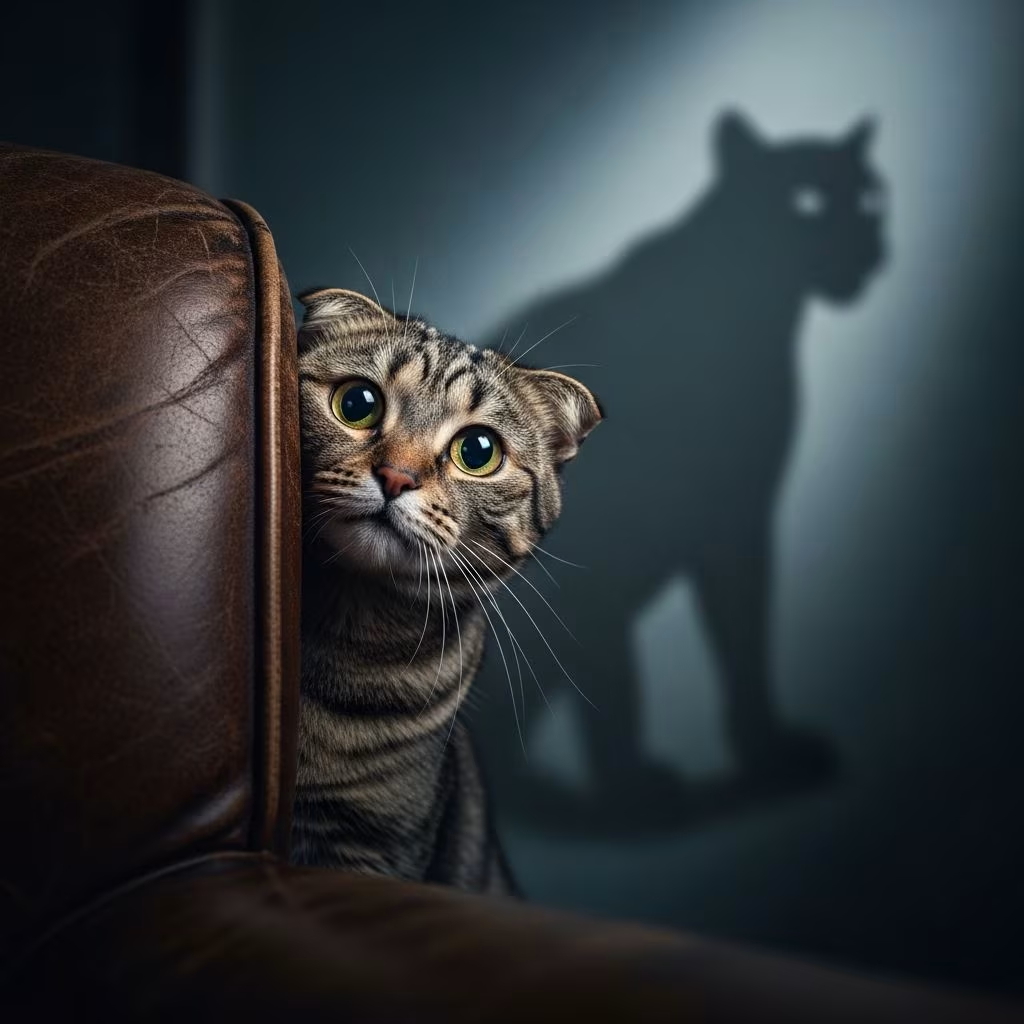
Cats often project an image of unflappable independence, yet they harbor deep-seated fears shaped by their evolutionary past as both hunters and hunted. Understanding these triggers not only demystifies peculiar behaviors but also empowers owners to foster a safer, more reassuring home environment. This comprehensive exploration draws from veterinary insights and behavioral studies to outline prevalent anxieties, their manifestations, and actionable remedies.
Why Cats Develop Fears: Instincts at Play
Domestic cats descend from wild African felines that navigated harsh deserts, relying on acute senses for survival. Their heightened hearing detects frequencies up to 64 kHz—far beyond human limits—making everyday sounds overwhelming. Similarly, their smell is 14 times more sensitive than ours, turning novel scents into potential threats. When faced with uncertainty, cats instinctively opt for fight, flight, or freeze responses, puffing fur, hissing, or hiding to assess danger. Recognizing these as survival mechanisms helps owners respond with patience rather than punishment.
Top Auditory Terrors: Noises That Startle
Loud, unpredictable sounds top the list of feline frights due to their superior auditory acuity. Fireworks explode with concussive booms and acrid smoke, mimicking predatory attacks. Thunder rumbles at volumes that rattle their eardrums, while household culprits like vacuum cleaners, hair dryers, lawnmowers, and doorbells mimic roaring beasts.
- Fireworks and Thunder: Annual events amplify panic; chemicals in fireworks add toxicity risks.
- Household Appliances: Vacuums’ roar and vibration signal monstrous invaders.
- Sudden Bangs: Slamming doors or dropped objects provoke instant flight.
Symptoms include dilated pupils, flattened ears, tail thrashing, and hiding. To mitigate, create a quiet sanctuary with heavy curtains and white noise machines during storms.
Unwelcome Intruders: Strangers and New Animals
Cats imprint via scent; unfamiliar humans or pets disrupt this olfactory map, evoking wariness. Past traumas like neglect amplify stranger aversion, while large dogs trigger prey instincts despite friendliness. New animals introduce competitive smells and territorial disputes.
| Fear Trigger | Why It Scares | Calming Strategy |
|---|---|---|
| Strangers | Unfamiliar scents/sights | Guests sit low, offer treats quietly |
| Dogs/Other Pets | Predator size/movement | Gradual supervised intros |
| Visitors | Sudden presence | Scent swapping via blankets |
Positive associations via treats and play rebuild trust over weeks.
Aquatic Aversions: The Water Dilemma
Unlike aquatic-adapted kin like fishing cats, most domestic breeds hail from arid origins, rarely encountering water. Self-grooming reduces bathing needs, and wet fur hampers escape from threats by adding weight and chill. Bath time elicits claws and contortions as cats associate water with vulnerability.
- Minimal kitten exposure perpetuates aversion.
- Sudden splashes heighten panic.
Desensitize by letting kittens play near dripping faucets; adults tolerate damp cloths before full immersion.
Disruptive Shifts: Environmental Upheavals
Cats crave routine; alterations in litter type/location, furniture, feeding schedules, or moves unravel their security. New cleansers, perfumes, or candles overwhelm sensitive noses. Baby arrivals or travel compound chaos with novel sounds and scents.
- Prepare Ahead: Introduce changes gradually, like mixing new litter.
- Maintain Anchors: Keep familiar bed and bowls accessible.
- Pheromone Aids: Synthetic feline pheromones mimic calming scents.
Post-move, confine to one room initially for scent territorializing.
Sudden Surprises: Movements and Novel Objects
Quick gestures or appearing items exploit cats’ ambush-honed vigilance. Cucumbers startled viral felines not for snake mimicry alone, but sudden backyard placement. Unfamiliar fruits, bags, or ironing boards register as stealthy foes.
Avoid intentional scares—they erode trust and spike cortisol. Instead, reveal objects slowly while feeding nearby.
Olfactory Overloads: Pungent Repellents
Potent aromas like citrus, peppermint, eucalyptus, or ammonia-based cleaners assault nasal passages. Place near litter/food zones, they deter use entirely.
- Opt for unscented products.
- Ventilate strongly scented areas.
Cramped Quarters: Confinement Claustrophobia
While cozy boxes appeal, forced enclosure like carriers induces helplessness. Vet trips pair with nausea, cementing dread.
Counter by leaving carriers open with bedding inside; feed meals within to link positivity.
Decoding Fear Signals and Health Ties
Watch for arched backs, swishing tails, growling, or urinary issues—stress manifests physically. Chronic anxiety risks cystitis or appetite loss. Consult vets if behaviors persist; medications like anti-anxieties complement behavioral tweaks.
Mastering Desensitization: Step-by-Step Help
Systematic exposure cures many phobias.
- Identify trigger (e.g., vacuum sound).
- Play recording at whisper volume during treats.
- Increment volume/duration over days.
- Pair with play for endorphin boost.
Patience yields confident cats; progress varies by individual.
Building a Fear-Proof Haven
Enrich environments with vertical spaces, hiding spots, and consistent routines. Feliway diffusers and interactive toys preempt stress. Multi-cat homes need ample resources to avert rivalry.
Frequently Asked Questions
Why do cats hide during thunderstorms?
Their acute hearing amplifies thunder; hiding activates freeze instinct until safe.
Can all cats be trained to like water?
Many tolerate with gradual exposure from kittenhood, though full fondness is rare.
How long does it take to overcome a fear?
Weeks to months via desensitization; consistency is key.
Is cucumber fear real or just viral hype?
Reaction stems from sudden novelty, not inherent veggie phobia.
What if my cat’s fear causes aggression?
Seek vet/behaviorist; rule out pain, consider meds.
Preventive Measures for Lifelong Confidence
Socialize kittens broadly before 12 weeks. Rotate toys to normalize novelty. Annual vet checkups catch emerging issues. Ultimately, empathy transforms fearful felines into bold companions.
References
- What Are Cats Afraid Of? 10 Common Cat Fears and Anxieties — PetMD. 2023-05-15. https://www.petmd.com/cat/general-health/what-are-cats-afraid-of
- Scaredy Cats: 5 Things That Scare Cats — Diamond Pet. 2022-11-10. https://www.diamondpet.com/blog/behavior/psychology/scaredy-cats-five-things-that-scare-cats/
- What Are Cats Afraid Of? How to Approach a Feline’s Most Common Fears — Cat in a Flat. 2024-03-22. https://catinaflat.com/blog/what-are-cats-afraid-of
- Common Things That Scare Cats — PetCareRx. 2021-08-05. https://www.petcarerx.com/article/common-things-that-scare-cats/4066
- What Scares Cats the Most? — Cole and Marmalade (YouTube). 2016-04-29. https://www.youtube.com/watch?v=ADkLccElQC0
- The Fearful Cat — PAWS. 2023-01-12. https://www.paws.org/resources/fearful-cat/



