

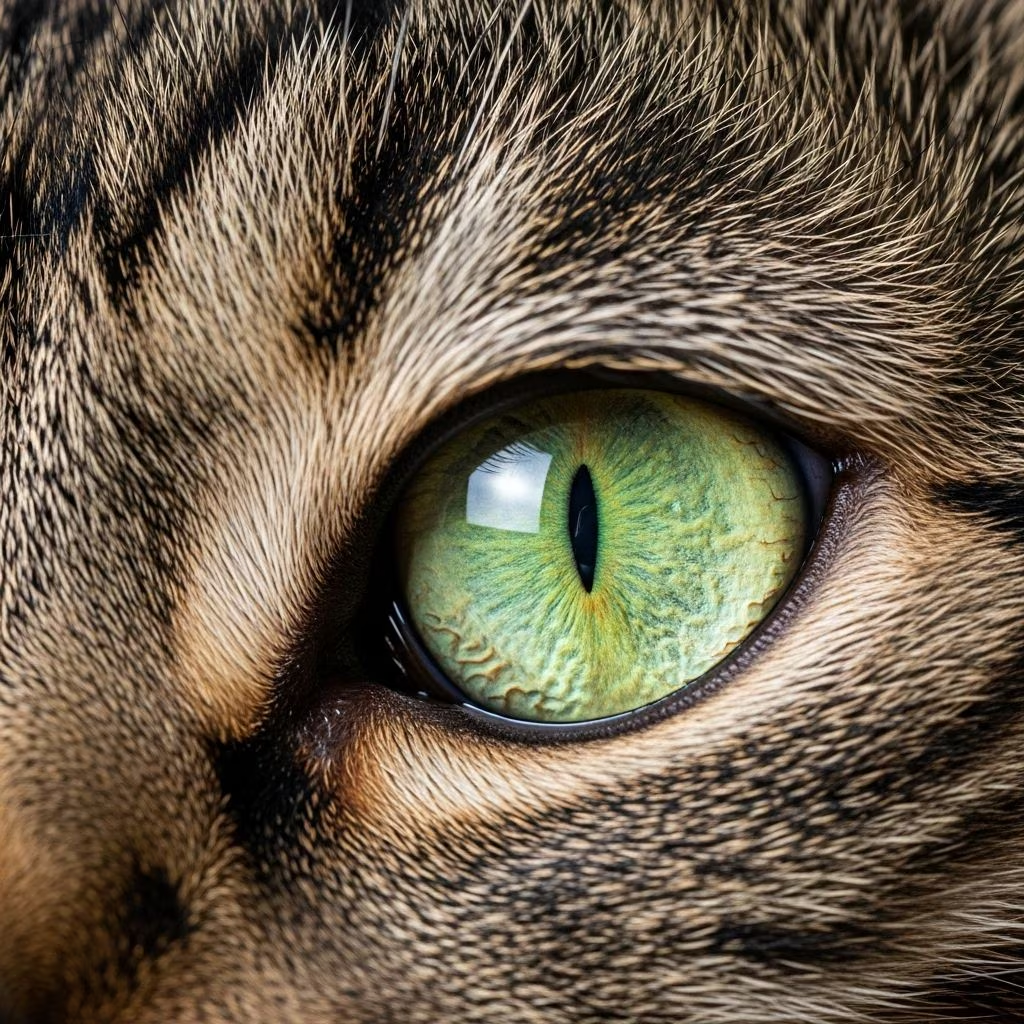
Cats rely on sharp vision for hunting, navigating, and interacting with their world. However, various disorders can impair this vital sense, ranging from mild irritations to vision-threatening conditions. Early detection through observant pet ownership and prompt veterinary intervention is key to preserving ocular health. This guide details prevalent issues, their manifestations, management approaches, and proactive steps.
Recognizing Ocular Distress Signals
Subtle changes in a cat’s eyes or behavior often signal trouble. Common indicators include:
- Redness or swelling around the eyes
- Excessive tearing or unusual discharge (clear, pus-like, or colored)
- Squinting, frequent blinking, or pawing at the face
- Cloudy corneas, altered pupil shape, or sensitivity to light
- Visible third eyelid protrusion or unequal pupil sizes
These signs warrant immediate attention, as untreated problems can escalate rapidly.
Infections of the Conjunctiva and Surrounding Tissues
Conjunctivitis, often called pink eye, tops the list of feline ocular afflictions. This inflammation of the conjunctiva—the thin membrane covering the eye’s white part and inner eyelids—stems from bacterial, viral, or allergic triggers.
Bacterial culprits like Chlamydia or Mycoplasma proliferate in multi-cat environments, producing thick yellow-green discharge. Viral agents, notably feline herpesvirus, cause watery eyes and respiratory symptoms, persisting lifelong with flare-ups under stress. Allergens provoke itching and clear tears.
Treatment hinges on the cause: antibiotic ointments such as Terramycin or Vetropolycin for bacteria; antivirals like famciclovir or L-lysine supplements for viruses; and allergen avoidance with anti-inflammatories for sensitivities. Supportive lubrication prevents secondary damage.
Corneal Surface Damage and Ulceration
The cornea, the eye’s transparent outer dome, is prone to scratches and ulcers from trauma, infections, or eyelid abnormalities. Feline corneal ulcers present as painful, cloudy patches, prompting squinting and pawing.
Superficial lesions heal with antibiotic drops, pain relief, and protective collars. Deeper ulcers demand fluorescein staining for diagnosis and possibly surgery like grafts. Eosinophilic keratitis, an immune-mediated variant, features white plaques and responds to corticosteroids.
| Ulcer Type | Symptoms | Treatment |
|---|---|---|
| Superficial | Mild cloudiness, tearing | Topical antibiotics, lubrication |
| Deep/Non-healing | Severe pain, vision loss risk | Surgery, grid keratotomy |
| Eosinophilic | White corneal lesions | Immunosuppressants |
Pressure-Related Emergencies: Glaucoma
Glaucoma arises from elevated intraocular pressure, compressing the optic nerve and causing irreversible blindness. Primary forms are genetic; secondary ones link to uveitis or tumors. Cats exhibit a dilated pupil, corneal haze, and profound discomfort, often bulging eyes.
Acute cases require pressure-lowering drops (e.g., latanoprost), oral carbonic anhydrase inhibitors, or emergency surgery. Chronic management involves lifelong meds; end-stage enucleation relieves pain. Prognosis improves with swift action.
Clouding of the Lens: Cataracts
Though rarer in cats than dogs, cataracts cloud the lens, progressively blurring vision. Aging, trauma, or systemic diseases like diabetes trigger them. Affected cats bump into objects and dilate pupils in bright light.
Intraocular lens extraction surgery restores sight in eligible cases, but many adapt via heightened other senses. Addressing root causes prevents progression.
Tear Deficiency: Dry Eye Syndrome
Keratoconjunctivitis sicca (KCS) results from inadequate tear production, drying the cornea and inviting ulcers. Immune dysfunction predominates, yielding sticky discharge and dull eyes.
Cyclosporine or tacrolimus ointments stimulate glands, paired with artificial tears. Parotid duct transposition surgery reroutes saliva for moisture in refractory instances.
Eyelid Malpositions and Anomalies
Entropion inverts eyelids, abrading the cornea with lashes. Breeds like Persians are susceptible, showing ulcers and epiphora. Temporary suturing precedes definitive surgery.
Ectopic cilia—misplaced inner lid hairs—erode corneas surgically via cryotherapy. Masses or cherry eye (prolapsed gland) may need excision or replacement.
Internal Inflammation: Uveitis
Uveitis inflames the uvea (iris, ciliary body, choroid), often from FIV/FeLV, toxoplasmosis, or trauma. Signs encompass miosis, hyphema, and vision decline.
Topical/systemic steroids, atropine for spasms, and cause-specific therapies (antifungals, antibiotics) control it. Monitoring prevents secondary glaucoma or cataracts.
Intruders and Trauma: Foreign Materials
Grass seeds, dust, or fights embed particles, fostering infection. Cats paw frantically with tearing. Vets flush under sedation, apply antibiotics, and patch if needed.
Preventive Strategies for Lasting Clarity
Proactive care minimizes risks:
- Annual vet exams with fluorescein tests
- Gentle face wiping with saline-damp cloths
- Vaccinations against herpesvirus/calicivirus
- Stress reduction via enrichment
- Nutrient-rich diets supporting immunity
Indoor living curbs trauma.
Household Supportive Measures
While awaiting vet care:
- Clean gently with sterile saline
- Prevent self-trauma with cones
- Avoid OTC human drops
Professional diagnostics like tonometry or cultures guide therapy.
Frequently Asked Questions
Can cat eye issues resolve without treatment?
Minor irritations may self-limit, but infections/ulcers risk scarring or rupture. Seek care promptly.
Are eye drops safe for home use?
Only vet-prescribed ones; others irritate or mask issues.
Why does my cat’s third eyelid show?
Indicates pain, dehydration, or systemic illness like FIV.
Is blindness reversible in older cats?
Depends on cause; cataracts yes via surgery, glaucoma often not.
How to differentiate allergies from infections?
Allergies bilateral/clear tears; infections unilateral/pus. Vet confirms.
When to Escalate to Specialists
Persistent/recurrent cases benefit from veterinary ophthalmologists for advanced tools like electroretinography.
References
- Keeping Your Cat’s Eyes in Purr-fect Health — Stack Veterinary Hospital. 2023. https://stackvethospital.com/keeping-your-cats-eyes-in-purr-fect-health/
- Cat Eye Infections: Home Remedies — Animal Eye Guys. 2023-10-15. https://www.animaleyeguys.com/site/blog/2023/10/15/cat-eye-infection-home-remedy
- Top Eye Problems for Cats — ASPCA Pet Insurance. N/A. https://www.aspcapetinsurance.com/resources/top-eye-problems-for-cats/
- Feline Eye Conditions — Animal Eye Associates. N/A. https://animaleyegroup.com/feline-eye-conditions/
- Eye Problems In Cats — Lapel Animal Clinic. 2022-09-01. https://lapelvet.com/2022/09/01/anderson-in-vets-eye-problems-in-cats/



