

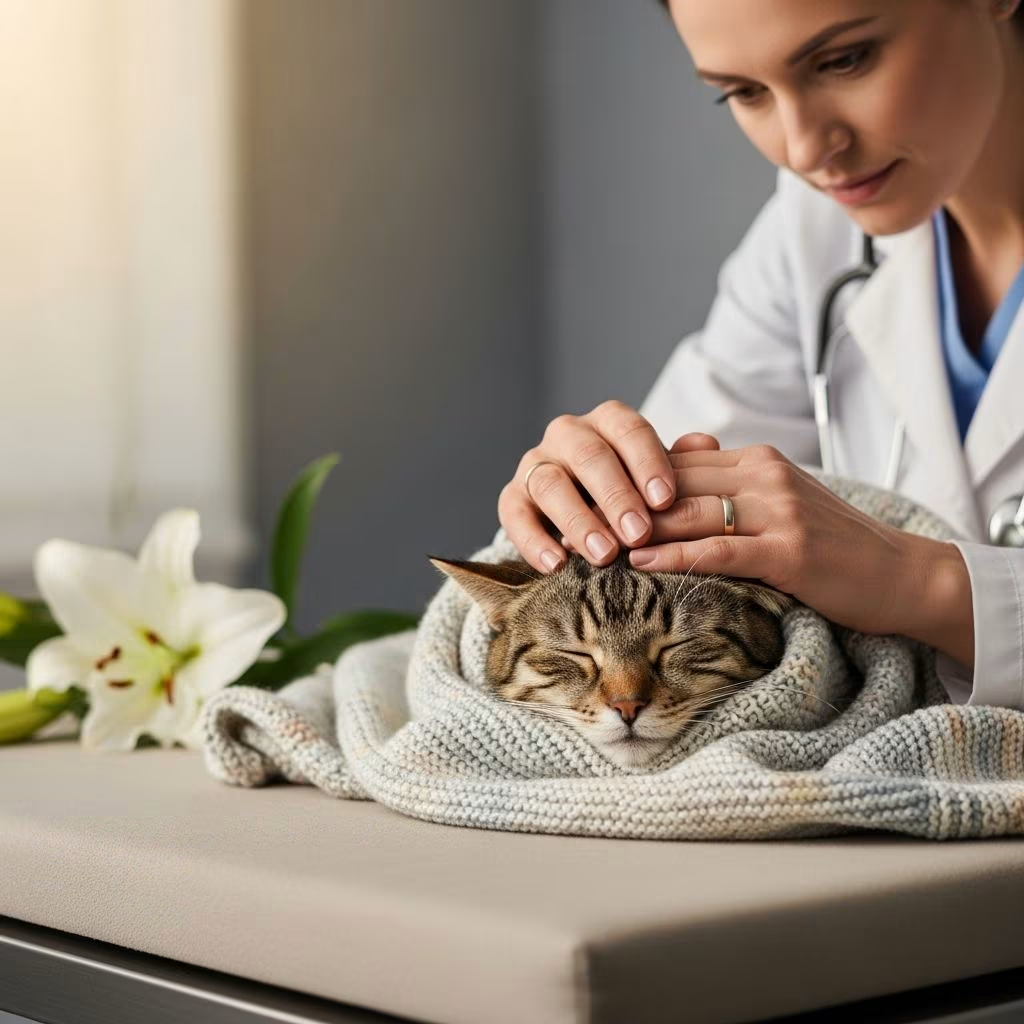
Making the decision to end a beloved cat’s suffering is one of the most difficult choices a pet owner must face. When a feline companion is experiencing terminal illness, severe chronic pain, irreversible injury, or significant age-related decline that compromises their quality of life, euthanasia offers a merciful alternative to prolonged suffering. This comprehensive guide explains the veterinary procedures, sedation protocols, and emotional considerations involved in this final act of care for your feline friend.
Recognizing When Euthanasia May Be Appropriate
According to veterinary ethics standards, euthanasia is considered an appropriate and humane decision when a cat can no longer experience more joy than discomfort in their daily life. Cats experiencing terminal diagnoses, unmanageable pain, loss of bodily functions, or inability to eat or move may be candidates for euthanasia. Pet owners often struggle with this decision, but veterinarians can help assess quality of life indicators and provide guidance on whether this option aligns with their cat’s best interests.
The decision involves careful consultation with your veterinarian about your cat’s prognosis, pain management options already attempted, and realistic expectations for improvement. Some owners benefit from obtaining a second opinion, giving themselves time to process the decision, and ensuring all family members have had adequate opportunity to say goodbye.
The Initial Consultation: Setting Expectations
Before scheduling euthanasia, most veterinary practices conduct a thorough consultation to discuss the procedure and answer questions. During this conversation, your veterinarian will explain the specific techniques they employ, discuss your preferences regarding your presence during the procedure, and address concerns about pain management throughout the process. This dialogue allows you to understand exactly what will happen and feel confident in your decision.
Your vet may also discuss practical matters such as whether you wish to remain in the room, whether you want to hold your cat during any portion of the procedure, and what will happen to your cat’s remains afterward. Some practices offer cremation services, private or communal, while others may discuss burial options. Clarifying these details beforehand reduces anxiety and allows you to focus on the emotional aspects of saying goodbye.
Pre-Euthanasia Sedation: The Foundation of Comfort
The first and most critical step in humane feline euthanasia is administering sedation before the final injection. This foundational step ensures your cat experiences no fear, anxiety, or pain during the procedure. Veterinarians typically use combinations of medications designed to create deep relaxation or unconsciousness prior to administering the euthanasia solution.
Common Sedation Medication Combinations
Veterinarians frequently employ multi-drug sedation protocols to maximize comfort and minimize stress responses. Popular combinations include:
- Benzodiazepines combined with phenothiazines to provide both anxiety relief and muscular relaxation
- Opioid medications added to the combination for enhanced pain management and sedation depth
- Combinations tailored to individual cats based on their medical conditions, age, and sensitivity to medications
These medications work synergistically to create a state of deep sedation where your cat becomes progressively calmer and eventually fully unconscious, typically within 3 to 10 minutes depending on the route of administration and medication combination used.
Routes of Sedation Administration
Veterinarians have multiple options for delivering sedation medications. Subcutaneous injections (beneath the skin, often in the scruff or along the back muscle) are frequently used because they are less invasive, cause minimal distress, and use very small gauge needles to avoid discomfort. This route works particularly well for anxious cats and allows owners to continue holding and comforting their pets throughout the sedation process.
The subcutaneous approach is especially advantageous because it requires no special equipment, can be administered quickly, and allows caregivers to maintain physical closeness with their cat during this vulnerable time. Some cats may experience brief disorientation or restlessness as sedation takes effect, but gentle handling and reassuring communication help minimize any distress.
Administration Routes for Euthanasia Solution
Once your cat is deeply sedated or fully unconscious, veterinarians employ different techniques for administering the final euthanasia medication, each with specific advantages depending on your cat’s condition and your preferences.
Intrahepatic Injection Technique
The intrahepatic route, administering the euthanasia solution directly into an organ within the abdominal cavity (typically the liver or kidney), is becoming increasingly common for feline euthanasia. This method offers several significant advantages for cat owners and veterinarians alike.
With the intrahepatic technique, your veterinarian does not need to clip fur, place an intravenous catheter, or restrain your cat for extended periods. The procedure involves a single injection into the abdominal cavity once your cat is fully sedated. This approach allows you to remain holding your cat throughout the procedure, maintaining physical contact and providing comfort during their final moments. The euthanasia solution dose for this route is 3 ml per 4.5 kg (10 lbs) of body weight.
The primary consideration with this technique is ensuring adequate needle penetration of the target organ. Insufficient penetration can extend the time from injection to death to as long as ten minutes. Experienced veterinarians use appropriately sized needles (typically one-inch needles for most cats) to ensure proper administration and minimize this delay. Caregivers should be informed of this timeline variation so they understand their cat may take several minutes to pass using this method.
Intravenous Injection Technique
The intravenous (IV) route, where euthanasia solution is injected directly into a vein, remains a standard technique in veterinary practice. This method works most effectively in relaxed, sedated cats and produces very rapid results. The standard dose is 1 ml per 4.5 kg (10 lbs) of body weight, though cats with circulatory compromise may require 2 ml per 4.5 kg.
With IV administration, loss of consciousness occurs almost immediately—within approximately five seconds—with deep anesthesia following within ten seconds. Cardiac standstill typically occurs within approximately 40 seconds, though this depends on individual circulation times and other physiological factors. This rapid progression makes the IV route attractive for quick, efficient euthanasia when the cat’s veins are accessible.
Before IV injection, veterinarians typically place an intravenous catheter to ensure secure vascular access. A small patch of fur is shaved from the injection site, usually on the front leg, though the medial saphenous vein on the hind leg is also commonly used. Many practitioners can place a well-positioned butterfly catheter without removing your cat from the room, allowing you to remain present and provide comfort throughout.
The main disadvantage of the IV technique is that accessing veins can be challenging, particularly in smaller cats or those with compromised circulation. Cats with certain medical conditions or very small body size may make venipuncture difficult or impossible. Additionally, the veterinarian must possess strong venipuncture skills to successfully place the catheter and administer medication directly into the vein.
What Happens During the Final Moments
After your cat receives the euthanasia medication while deeply sedated or unconscious, their body undergoes a gentle transition. Your cat will remain completely unaware and unresponsive to all stimuli, experiencing no pain or discomfort whatsoever. The medication works by overdosing an anesthetic barbiturate—typically sodium pentobarbital—which causes loss of consciousness, slowed heart rate, and eventual cessation of heartbeat.
Over the next few minutes, breathing and heart function gradually cease quietly and peacefully. While rare, some cats may take final deep breaths, exhibit slight muscle twitching, or stretch their legs—these are purely reflexive responses and indicate no conscious awareness or suffering. Many veterinarians step away after administering the final injection to allow you private time with your cat if you desire, enabling you to be present for their passing without veterinary intervention interfering with those final moments together.
Your Role as a Caregiver During Euthanasia
Most veterinary practices recognize the profound importance of the human-animal bond during euthanasia and actively encourage owner participation in ways that feel emotionally appropriate. Your veterinarian will discuss your preferences regarding your presence and involvement in the procedure.
Options for Your Presence
- Remaining in the room throughout the entire process, from initial sedation through final passing
- Being present for the sedation phase and saying goodbye, then stepping out before the final injection
- Staying through the final injection while your cat is unconscious and unaware
- Holding your cat during sedation and final injection if this provides comfort
- Being present but not holding your cat if you prefer distance while remaining emotionally connected
There is no single “correct” way to approach this. Your veterinarian should accommodate your emotional needs while ensuring the procedure proceeds smoothly and humanely. If you wish to hold your cat throughout, experienced veterinarians can work around your arms to administer medications. If you need to step away, that choice is equally valid and does not diminish your love or your cat’s dignity.
Special Considerations for Different Cats
Cats with specific medical conditions or temperament challenges require modified approaches to ensure comfort and safety. Cats in chronic pain may experience hyperalgesia (increased sensitivity to pain stimuli) and hyperactivity, making gentle handling and adequate sedation even more critical. Anxious or aggressive cats benefit from extended sedation protocols that fully relax them before any procedures occur.
Cats with compromised circulation, kidney disease, liver disease, or cardiac conditions may require adjusted medication doses and administration routes. Your veterinarian will assess your individual cat’s medical history and tailor the euthanasia protocol accordingly. Senior cats, while often calmer, may require careful consideration of their organ function when selecting specific medications and doses.
After Euthanasia: Grieving and Memorial Options
After your cat passes, veterinary practices typically offer information about cremation, burial, or other memorial services. Some owners choose private cremation, receiving their cat’s ashes afterward for home burial or keeping in an urn. Others select communal cremation, where multiple pets are cremated together. Some prefer traditional burial in a pet cemetery or their own yard.
Many owners find comfort in creating memorials—photo albums, memory boxes, planted trees, or donations to animal welfare organizations in their cat’s name. Grief after losing a beloved pet is entirely valid, and some pet owners benefit from support groups, counseling, or connecting with others who have experienced similar loss.
Frequently Asked Questions
Will my cat feel any pain during euthanasia?
No. With proper sedation administered before the euthanasia solution, your cat will be deeply asleep or unconscious throughout the procedure. They will not feel pain during any injections or medications. The only brief sensation they might experience is the initial sedation injection, which causes momentary discomfort similar to any injection, but this occurs before they are fully sedated.
How long does the entire procedure take?
The sedation phase typically takes 3 to 10 minutes as your cat progressively relaxes and falls into deep sleep. The final injection and passing may occur within seconds (IV route) to several minutes (intrahepatic route). Most owners spend 15 to 30 minutes total during the procedure, allowing time for saying goodbye before and after.
Can I stay in the room while my cat is euthanized?
Yes. Most veterinary practices encourage owners to remain present if they choose to do so. Your veterinarian will discuss your preferences and accommodate your needs, whether you want to hold your cat, stay near but not hold them, or step out at any point.
What if my cat’s veins are hard to access?
If IV access is difficult, your veterinarian can use the intrahepatic route instead, which doesn’t require vein access and still provides humane, rapid euthanasia. This is one reason why discussing your cat’s specific medical situation during consultation is important—your vet can plan the best approach beforehand.
Will my cat make noise or have involuntary movements?
Cats may vocalize briefly during the initial sedation as the medication takes effect, similar to how people experience dizziness with anesthesia. Once deeply sedated or unconscious, they should not vocalize. Rarely, final reflexive movements like muscle twitching or leg stretching may occur after consciousness is lost, but these indicate no awareness or discomfort.
How do I know if my cat is truly ready for euthanasia?
Your veterinarian can help assess your cat’s quality of life, considering whether they experience more discomfort than joy, whether they’ve lost vital functions, and whether pain management has become inadequate. Discussing specific symptoms, your cat’s response to treatment, and realistic prognosis helps guide this deeply personal decision.
Supporting Yourself Through This Difficult Decision
Choosing euthanasia for a beloved cat is an act of love and compassion, not a failure. This decision prioritizes your cat’s wellbeing and prevents unnecessary suffering. Many pet owners benefit from acknowledging their grief, discussing their feelings with understanding friends or family, and recognizing that they provided their cat with a dignified, pain-free passing.
Some owners find it helpful to create a timeline of happy memories, write a goodbye letter, or plan a small memorial ceremony. Others prefer to move forward by volunteering at animal shelters or supporting feline welfare organizations. There is no prescribed timeline for grief, and your feelings—whether sadness, relief, guilt, or a complex mixture of emotions—are all valid responses to losing a cherished companion.
References
- Euthanasia Process — Cat Veterinary Society. Accessed 2026. https://catvets.com/resource/end-of-life-toolkit-euthanasia-process/
- How Are Cats Put Down? Understanding Your Options and Costs — CareCredit. Accessed 2026. https://www.carecredit.com/well-u/pet-care/cat-euthanasia-cost/
- Euthanasia Procedure for Cats — Rainbow Bridge Veterinary Services. Accessed 2026. https://rainbowbridgevet.com/euthanasia-procedure-dogs
- Cat Euthanasia: Understanding the Process and What to Expect — The Kindest Goodbye. Accessed 2026. https://thekindestgoodbye.com/au/cat-euthanasia-understanding-the-process/
- The Euthanasia Procedure — Compassion Understood. Accessed 2026. https://www.compassionunderstood.com/page/the-euthanasia-procedure
- Putting a Cat Down – Advice on Euthanasia — Cats Protection. Accessed 2026. https://www.cats.org.uk/help-and-advice/getting-a-cat/putting-a-cat-down
- Saying Goodbye to Your Cat: Cat Euthanasia — Blue Cross. Accessed 2026. https://www.bluecross.org.uk/advice/cat/wellbeing-and-care/time-to-say-goodbye-to-your-cat



