

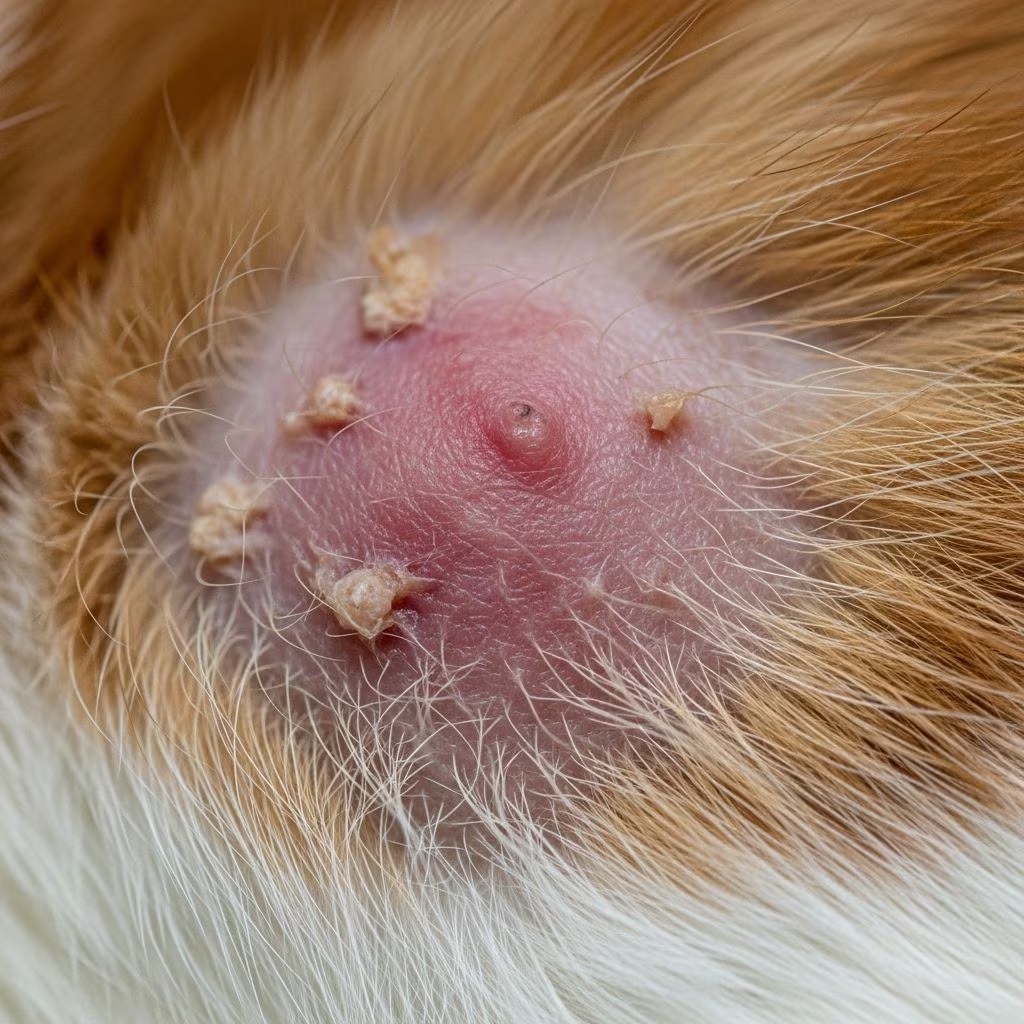
This condition, often termed eosinophilic granuloma complex, involves inflammatory skin responses in cats driven by eosinophil activity. It manifests in distinct forms affecting lips, gums, tongue, and skin surfaces, typically linked to allergic or immune-mediated triggers.
Recognizing the Core Manifestations
Cats with this syndrome display specific lesion types, each with unique appearances and common sites. Understanding these helps in early detection.
- Linear Granuloma: Elongated, raised reddish lesions, frequently on hind legs or thighs, sometimes ulcerated.
- Eosinophilic Plaque: Circular, raised, eroded skin patches, often on abdomen, inner thighs, or back, intensely itchy.
- Indolent or Rodent Ulcer: Shallow, crater-like erosions mainly on upper lip, potentially spreading to gums or nose.
These lesions arise from hypersensitivity reactions, where eosinophils infiltrate tissues, causing damage. Young to middle-aged cats, especially breeds like Burmese or Himalayan, show higher susceptibility.
Potential Triggers and Risk Factors
The precise cause remains elusive, but evidence points to hypersensitivity as primary. Common instigators include:
| Trigger Type | Description | Prevalence |
|---|---|---|
| Flea Bite Hypersensitivity | Even minimal flea exposure provokes severe reactions due to saliva allergens. | High |
| Atopy or Environmental Allergens | Pollen, dust mites, or molds trigger immune overresponses. | Moderate |
| Food Sensitivities | Proteins in diet cause ongoing inflammation. | Variable |
| Arthritis or Autoimmunity | Rare links to underlying joint issues or immune dysregulation. | Low |
Parasite control is crucial, as flea allergies often underlie cases. Genetic predispositions in certain breeds amplify risks.
Observing Symptoms in Your Cat
Owners notice behavioral shifts alongside visible changes. Key signs include:
- Excessive grooming or chewing at affected areas, leading to hair loss.
- Redness, swelling, or oozing from lesions.
- Discomfort when eating or touching face if oral involvement.
- Secondary infections causing foul odors or pus.
Without intervention, lesions persist chronically, waxing and waning, impacting quality of life.
Diagnostic Approaches for Confirmation
Veterinarians employ systematic steps to differentiate from mimics like cancers or infections.
- Clinical Examination: Assessing lesion morphology and distribution.
- Cytology or Biopsy: Microscopic analysis reveals eosinophil dominance, confirming diagnosis.
- Allergy Testing: Intradermal or serum tests identify environmental triggers.
- Flea Product Trials: Strict flea prevention for 4-6 weeks rules out ectoparasites.
- Dietary Elimination: Novel protein diets test food allergies.
Biopsy provides definitive proof, showing collagen degeneration and eosinophilic infiltrates.
Primary Treatment Strategies
Management centers on immunosuppression and trigger elimination. Corticosteroids form the backbone.
- Prednisolone or Dexamethasone: Oral doses (1-2 mg/kg daily) induce rapid remission in most cases.
- Cyclosporine: Alternative for steroid-intolerant cats, modulating T-cell activity.
- Chlorambucil: Added for refractory instances, as a potent immunosuppressant.
Therapy duration varies: initial high doses taper over weeks to months. Antibiotics address secondary bacteria.
Supportive and Adjunctive Therapies
Beyond drugs, holistic measures enhance outcomes.
- Topical Agents: Steroid creams or sprays for localized relief, avoiding excessive licking.
- Essential Fatty Acids: Omega-3 supplements reduce inflammation long-term.
- Medicated Cleansers: Antiseptic shampoos prevent infections.
- Allergen Immunotherapy: Custom vaccines for identified allergies show promise.
Dietary shifts to hypoallergenic formulas aid if food-related.
Long-Term Care and Monitoring
Many cats require ongoing maintenance to prevent flares.
- Monthly vet check-ups to adjust meds.
- Year-round flea preventatives.
- Environmental hypoallergenics: air filters, frequent bedding washes.
- Weight management to minimize steroid side effects.
Relapse is common upon dose reduction, necessitating balanced minimal effective therapy.
Prognosis and Expected Outcomes
With prompt treatment, over 80% achieve lesion resolution. Chronic cases may need lifelong low-dose meds, but most live comfortably. Untreated, progression risks scarring or systemic spread.
Frequently Asked Questions
Is eosinophilic syndrome contagious?
No, it’s an internal immune reaction, not transmissible to other cats or humans.
Can diet alone cure it?
Not typically; diet helps if allergy-linked, but meds are usually essential.
How quickly do treatments work?
Improvements often within days of steroids, full healing in 2-4 weeks.
Are there breed-specific risks?
Yes, Oriental breeds like Siamese face higher incidence.
What if my cat resists oral pills?
Liquid formulations, injections, or alternatives like cyclosporine capsules exist.
Preventive Measures for Healthy Skin
Proactive steps reduce onset likelihood:
- Consistent flea control products.
- Hypoallergenic environments.
- Regular grooming to spot issues early.
- Balanced nutrition with skin-supporting nutrients.
Early vet consults at symptom onset improve success rates dramatically.
References
- Autoimmune Skin Disease in Cats — VCA Animal Hospitals. 2023. https://vcahospitals.com/know-your-pet/autoimmune-skin-disease-in-cats
- Skin Conditions in Cats: Types, Symptoms & Treatment — UrgentVet. 2024-01-15. https://urgentvet.com/skin-conditions-in-cats-types-symptoms-treatment/
- Cat Skin Infections: Symptoms & Treatment — Cornell Veterinary Hospital Saratoga. 2023-05-10. https://cvhsaratoga.com/blog/cat-skin-infections-symptoms-treatment/
- Dermatology for Cats and Dogs: Common Skin Disorders and Treatments — Veterinary Associates of Manhattan. 2024. https://vamvh.com/dermatology-for-cats-and-dogs-common-skin-disorders-and-treatments/
- Feline Atopic Skin Syndrome — Today’s Veterinary Practice. 2023-11-20. https://todaysveterinarypractice.com/dermatology/feline-atopic-skin-syndrome/
- Cat Skin Conditions: Signs, Causes and Management — Royal Canin. 2024. https://www.royalcanin.com/us/es-us/cats/health-and-wellbeing/cat-skin-conditions-signs-causes-and-management
- Treatment of Skin Disorders in Cats — Merck Veterinary Manual. 2025-02-01. https://www.merckvetmanual.com/cat-owners/skin-disorders-of-cats/treatment-of-skin-disorders-in-cats



