
Feline Eosinophilic Granuloma Complex in Cats
Understanding feline eosinophilic granuloma complex: causes, symptoms, and treatment options for cats.
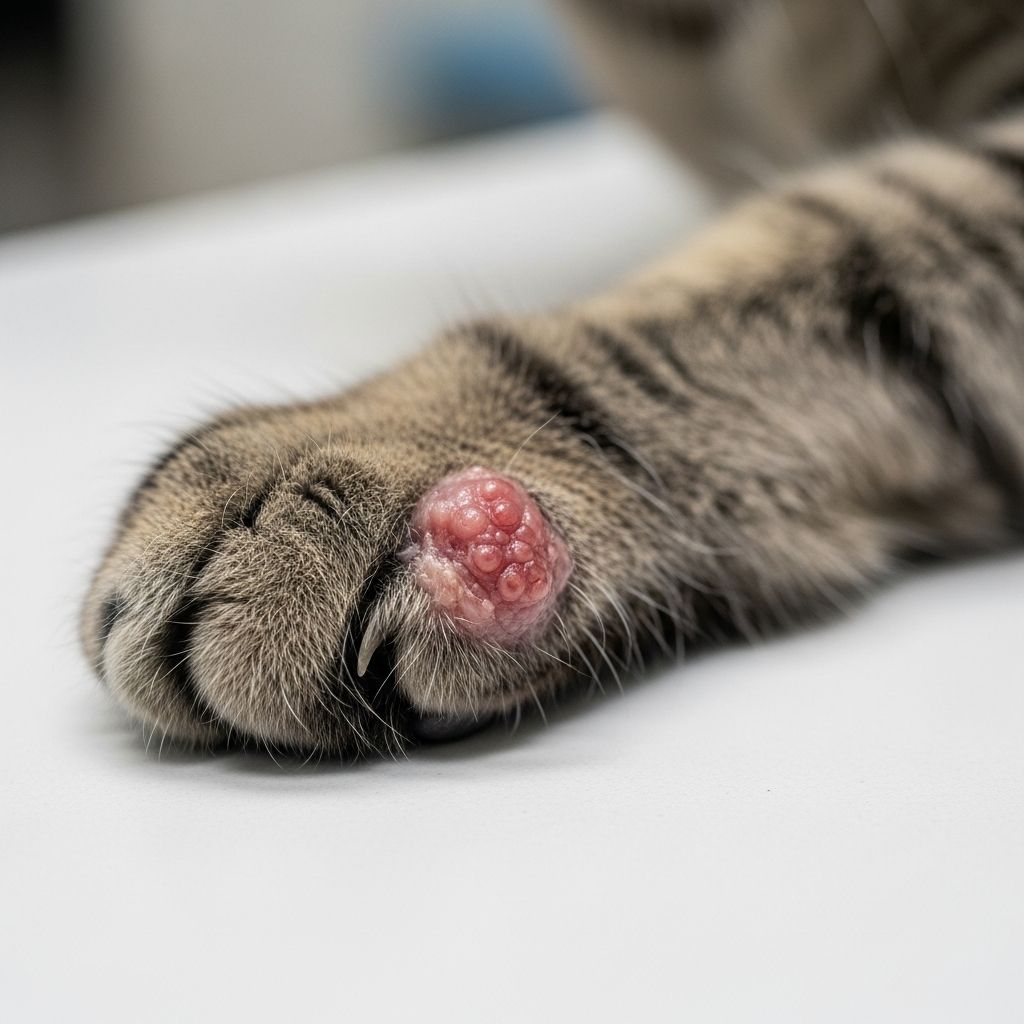
Understanding Feline Eosinophilic Granuloma Complex
Feline eosinophilic granuloma complex (EGC) represents a significant dermatological condition affecting cats of various ages and backgrounds. This condition is characterized by the development of inflammatory skin lesions that can cause considerable discomfort and distress to affected felines. The term “eosinophilic granuloma complex” is used to describe three distinct types of skin lesions that cats may develop, each with its own characteristic appearance and location patterns. Understanding this condition is crucial for cat owners and veterinarians alike, as early recognition and intervention can significantly improve outcomes and enhance the quality of life for affected animals.
The condition draws its name from eosinophils, a type of white blood cell that plays a central role in the inflammatory response characteristic of EGC. When these cells accumulate in the skin, they trigger an inflammatory cascade that results in the formation of lesions. The complexity of this condition lies not only in its varied presentation but also in the multiple underlying factors that may contribute to its development.
The Three Forms of Eosinophilic Granuloma Complex
Feline eosinophilic granuloma complex manifests in three distinct clinical presentations, each with unique characteristics and typical locations on the feline body. Understanding these differences is essential for proper identification and treatment planning.
Eosinophilic Plaques
Eosinophilic plaques represent one of the most commonly observed manifestations of EGC in cats. These lesions appear as circumscribed, raised, round-to-oval formations that are frequently ulcerated and have a moist or glistening appearance. The plaques typically develop on the abdomen, inner thighs, near the chest, under the front legs, and near the anal region. Cats with eosinophilic plaques often experience significant hair loss in the affected areas, accompanied by redness and visible erosions of the skin surface.
One of the hallmark characteristics of eosinophilic plaques is their intensely pruritic nature. Affected cats may be observed constantly licking, scratching, and rubbing the lesioned areas, which can lead to secondary bacterial infections that complicate the condition further. The plaques are particularly distressing for cats because of the combination of physical discomfort and the behavioral compulsion to traumatize the affected skin further.
Eosinophilic Granulomas
Eosinophilic granulomas present differently from plaques, appearing as raised, circular, yellowish-to-pink nodules that may coalesce into linear patterns. These lesions often display a coarse, cobblestone pattern and typically feature a linear orientation along body surfaces. The back of the thighs represents the most common location for eosinophilic granulomas, though they may also develop on the chin, paw pads, lips, and other areas of the body.
A distinctive feature of eosinophilic granulomas is the potential for associated swelling. Cats with these lesions may develop edema (swelling) of the lips or chin, as well as swelling in the footpads. This swelling can lead to functional impairment, causing lameness if the footpads are extensively involved. Unlike plaques, granulomas may cause less intense itching, though they can still be uncomfortable and may become painful if secondarily infected.
Indolent Ulcers
Indolent ulcers, also commonly referred to as “rodent ulcers,” represent the third manifestation of EGC. The terminology “rodent ulcer” originates from historical misconceptions where people believed these lesions resulted from rodent bites, which is not the case. These ulcers most commonly develop on the upper lip and within the oral cavity on the gums or tongue.
Indolent ulcers are characterized by slightly raised margins and a non-bleeding appearance in most cases. Interestingly, these lesions are typically painless or only mildly painful, which can delay detection by cat owners. The ulcers range in size from small, barely noticeable lesions to large, extensive ulcerations that can disfigure the lips. Some lesions may bleed spontaneously or with minor trauma. There is a concerning potential for indolent ulcers to transform into more malignant forms, including carcinoma, which underscores the importance of veterinary monitoring and intervention.
Understanding the Causes of Eosinophilic Granuloma Complex
The exact etiology of feline eosinophilic granuloma complex remains incompletely understood, though extensive research has identified several contributing factors. The complexity of potential causes means that each case may have different underlying triggers, requiring individualized diagnostic and therapeutic approaches.
Allergic Hypersensitivity
Current research strongly suggests that allergic hypersensitivity represents the primary mechanism underlying most cases of EGC, particularly in cats that experience recurrent lesions. Three primary allergic triggers have been identified as significant contributors to the development of eosinophilic granuloma complex in felines:
Flea Allergy Dermatitis: This represents one of the most common allergic triggers. Unlike simple mechanical irritation from flea bites, flea allergy dermatitis involves a hypersensitive immune response to flea saliva proteins. Even minimal flea exposure can trigger severe reactions in sensitized cats. A rigorous flea control program is essential for all animals in the household to manage this trigger effectively.
Food Allergies: Dietary hypersensitivities constitute another significant category of allergic triggers for EGC. Common food allergens include beef, fish, chicken, and dairy products, though any food component may theoretically trigger a reaction in a susceptible individual. Identification of food allergies typically requires systematic dietary elimination trials conducted under veterinary guidance.
Environmental Allergies: Feline atopic dermatitis, triggered by environmental allergens such as pollen, mold spores, and dust mites, may also precipitate the development of eosinophilic granuloma complex. Environmental triggers can be particularly challenging to control, as complete avoidance is often impossible.
Genetic and Hereditary Factors
Research evidence suggests that genetic predisposition may play a significant role in susceptibility to EGC. Some breeds and individual cats appear to have an inherent tendency toward developing eosinophilic granuloma complex lesions, suggesting that hereditary factors influence the pathogenesis of this condition. Additionally, female cats may be more likely to develop one or more syndromes of eosinophilic granuloma complex compared to males, indicating potential hormonal influences on disease susceptibility.
Other Contributing Factors
Beyond allergies and genetic factors, several other causative elements have been identified. Bacterial infections may initiate or perpetuate lesion formation, with secondary bacterial infection frequently complicating existing eosinophilic lesions and potentially worsening the condition. Certain cats may develop idiopathic EGC, where no underlying cause can be definitively identified despite comprehensive investigation.
Clinical Signs and Symptoms
The clinical presentation of feline eosinophilic granuloma complex varies considerably depending on which of the three lesion types predominate. However, several common themes unite the different manifestations of this condition.
One of the most consistent features across all forms of EGC is the significant pruritus (itching) that many lesions produce. Cats with plaques in particular are often observed engaging in excessive licking, scratching, and rubbing behaviors that intensify the condition and frequently result in secondary bacterial infection. This behavioral component often signals the presence of EGC to observant cat owners.
Hair loss is another common finding, particularly in areas where lesions are present. The combination of the lesion itself and the trauma from self-inflicted scratching contributes to alopecia in affected regions. Visible inflammation, redness, and erosion of the skin surface characterize many presentations.
Lymph node enlargement may occur in some cats with eosinophilic plaques, representing reactive lymphadenopathy in response to the inflammatory process. Most significantly, lesions of multiple types or even all three syndromes may develop simultaneously in the same individual, creating a complex clinical picture that requires careful assessment and management.
Age and Demographic Patterns
Eosinophilic granuloma complex demonstrates distinct age-related patterns in its presentation. Eosinophilic plaques typically affect cats in the two-to-six-year age range, representing the peak incidence period for this manifestation. Genetically initiated eosinophilic granulomas are generally observed in cats younger than two years of age, suggesting an early developmental component in some cases. Allergic disorders, by contrast, usually develop after a cat has reached two years of age, often emerging in middle-aged or older cats.
Diagnostic Approach to Eosinophilic Granuloma Complex
Accurate diagnosis of feline eosinophilic granuloma complex requires a systematic and comprehensive approach, combining clinical assessment with laboratory and sometimes histopathological investigation.
Clinical Examination
The diagnostic process begins with a thorough physical examination and detailed history. The veterinarian will assess the number, location, size, and character of lesions present. The characteristic appearance and distribution patterns often provide valuable diagnostic clues. The presence of oral ulcers, particularly on the upper lip, strongly suggests indolent ulcers as a component of the presentation.
Investigation of Underlying Causes
Once EGC is suspected, systematic investigation of potential underlying causes becomes paramount. This typically involves implementing strict flea control measures across all household animals, even if fleas are not immediately evident, since flea allergy can develop to minimal exposure levels. Comprehensive flea control programs should address both adult fleas and immature stages.
Allergy testing may be recommended to identify specific environmental or other allergens contributing to the condition. Additionally, a diagnostic food elimination trial using a veterinarian-recommended diet helps determine whether dietary hypersensitivity contributes to the lesion formation. These dietary trials typically require 8-12 weeks of strict adherence to identify dietary triggers.
Advanced Diagnostic Techniques
For cases where diagnosis remains uncertain, several additional diagnostic techniques may be employed. Skin cytology, involving examination of samples obtained from lesions, can identify secondary infections and provide additional diagnostic information. Bacterial and fungal cultures help identify any secondary infections requiring specific antimicrobial therapy. Skin biopsy and histopathological examination may be necessary in atypical presentations or when malignant transformation is suspected, particularly for indolent ulcers.
Treatment Strategies for Eosinophilic Granuloma Complex
Management of feline eosinophilic granuloma complex requires a multifaceted approach tailored to the individual patient’s presentation and identified underlying causes.
Management of Underlying Allergies
The foundation of EGC treatment involves identifying and controlling underlying allergic triggers whenever possible. Strict flea prevention for all household cats represents the initial and most important intervention, as flea allergy represents the most common allergic trigger. Rigorous adherence to year-round flea prevention protocols is essential, even in indoor cats.
When food allergy is suspected or confirmed through dietary elimination trials, implementation of an appropriate hypoallergenic or novel protein diet becomes central to long-term management. Environmental allergen avoidance, though challenging, should be maximized when environmental triggers are identified.
Antimicrobial Therapy
Secondary bacterial infections frequently complicate eosinophilic lesions, making antibiotic therapy beneficial in most cases of EGC. Broad-spectrum antibiotics are typically initiated pending culture results, with subsequent adjustment based on sensitivity testing when available. The presence of secondary bacterial infection not only worsens the clinical condition but also perpetuates inflammation and delays healing.
Anti-inflammatory and Immunosuppressive Medications
When underlying causes cannot be identified or adequately controlled, or when lesions persist despite allergen management, additional pharmacological interventions become necessary. Corticosteroids represent a traditional option for managing inflammation and pruritus associated with EGC. However, long-term corticosteroid use carries potential for adverse effects with chronic administration.
Cyclosporine offers an alternative immunosuppressive approach, particularly valuable for cats requiring long-term management who may not tolerate extended corticosteroid therapy well. This medication works through selective immunosuppression and can provide sustained benefit in many cases. The choice between corticosteroids and cyclosporine depends on individual patient factors, response to therapy, and potential adverse effects.
Supportive Care
Beyond specific pharmacological interventions, supportive measures enhance treatment outcomes. Regular veterinary monitoring allows early detection of treatment response or emergence of complications. Owner education regarding strict adherence to prescribed medications, flea prevention protocols, and dietary restrictions improves treatment success rates.
Prognosis and Long-Term Management
The prognosis for cats with feline eosinophilic granuloma complex varies considerably depending on the underlying cause and individual response to treatment. In many cases, particularly when allergic triggers can be identified and controlled, lesions may resolve substantially or completely with appropriate management.
However, it is important to note that EGC frequently requires lifelong treatment and management. Cats predisposed to recurrent lesions may require ongoing therapy to maintain remission. The condition rarely resolves spontaneously and typically requires sustained intervention. Owner commitment to long-term management protocols significantly influences treatment success and the quality of life for affected cats.
Frequently Asked Questions (FAQs)
Q: Can feline eosinophilic granuloma complex be cured completely?
A: While many cases improve significantly with appropriate treatment addressing underlying causes, complete cure is not always possible. Most cats require ongoing management and monitoring, with the goal of keeping lesions in remission and maintaining quality of life. The success of cure depends largely on whether the underlying allergic trigger can be identified and controlled.
Q: Is eosinophilic granuloma complex contagious to other cats?
A: No, EGC is not contagious between cats. It is an individual cat’s hypersensitivity or allergic response and does not spread from one cat to another. However, if multiple cats in the same household are exposed to the same environmental trigger or allergen, they may each independently develop the condition.
Q: How long does treatment typically take to show results?
A: The timeline for treatment response varies significantly among individual cats. Some cats show improvement within 2-4 weeks of initiating appropriate therapy, while others may require 8-12 weeks or longer to demonstrate significant improvement. Dietary trials for suspected food allergy typically require 8-12 weeks for proper evaluation.
Q: What is the role of diet in managing EGC?
A: Diet plays an important role when food allergy contributes to EGC development. Your veterinarian may recommend a hypoallergenic diet or elimination trial using novel protein sources. Addressing dietary triggers can significantly reduce lesion formation in susceptible cats.
Q: Are certain cat breeds more prone to eosinophilic granuloma complex?
A: While EGC can affect any cat, genetic and hereditary factors suggest that some cats may be predisposed to developing this condition. Additionally, female cats appear more likely to develop EGC compared to males. Discuss breed-specific risks with your veterinarian if you have concerns.
Q: Can indoor cats develop eosinophilic granuloma complex?
A: Yes, indoor cats can develop EGC. While flea allergy is less common in exclusively indoor cats with good flea prevention, indoor cats can still experience food allergies, environmental allergies to indoor triggers like dust mites or mold, and genetically determined forms of the condition.
Q: What should I do if I notice symptoms of EGC in my cat?
A: Contact your veterinarian promptly if you notice any of the clinical signs associated with EGC, including unexplained hair loss, red or ulcerated skin lesions, excessive licking or scratching of specific areas, or oral ulcers. Early diagnosis and intervention provide the best opportunity for effective management and improved outcomes.
References
- Eosinophilic Granuloma Complex in Cats — PetMD. Accessed November 2025. https://www.petmd.com/cat/conditions/skin/c_ct_eosinophilic_granuloma_complex
- Eosinophilic Granuloma Complex in Cats — International Cat Care. Accessed November 2025. https://icatcare.org/articles/eosinophilic-granuloma-complex-in-cats
- Eosinophilic Granuloma Complex in Cats — Merck Veterinary Manual. Accessed November 2025. https://www.merckvetmanual.com/cat-owners/skin-disorders-of-cats/eosinophilic-granuloma-complex-in-cats
- Some Aspects of the Diagnosis and Treatment of Eosinophilic Granuloma Complex in Cats — National Institutes of Health. Accessed November 2025. https://pmc.ncbi.nlm.nih.gov/articles/PMC10730546/
- Eosinophilic Granuloma Complex in Cats — VCA Animal Hospitals. Accessed November 2025. https://vcahospitals.com/know-your-pet/feline-eosinophilic-granuloma-complex-in-cats
- Feline Eosinophilic Dermatitis — PDSA. Accessed November 2025. https://www.pdsa.org.uk/pet-help-and-advice/pet-health-hub/conditions/feline-eosinophilic-dermatitis
Similar Articles








Read full bio of medha deb




