

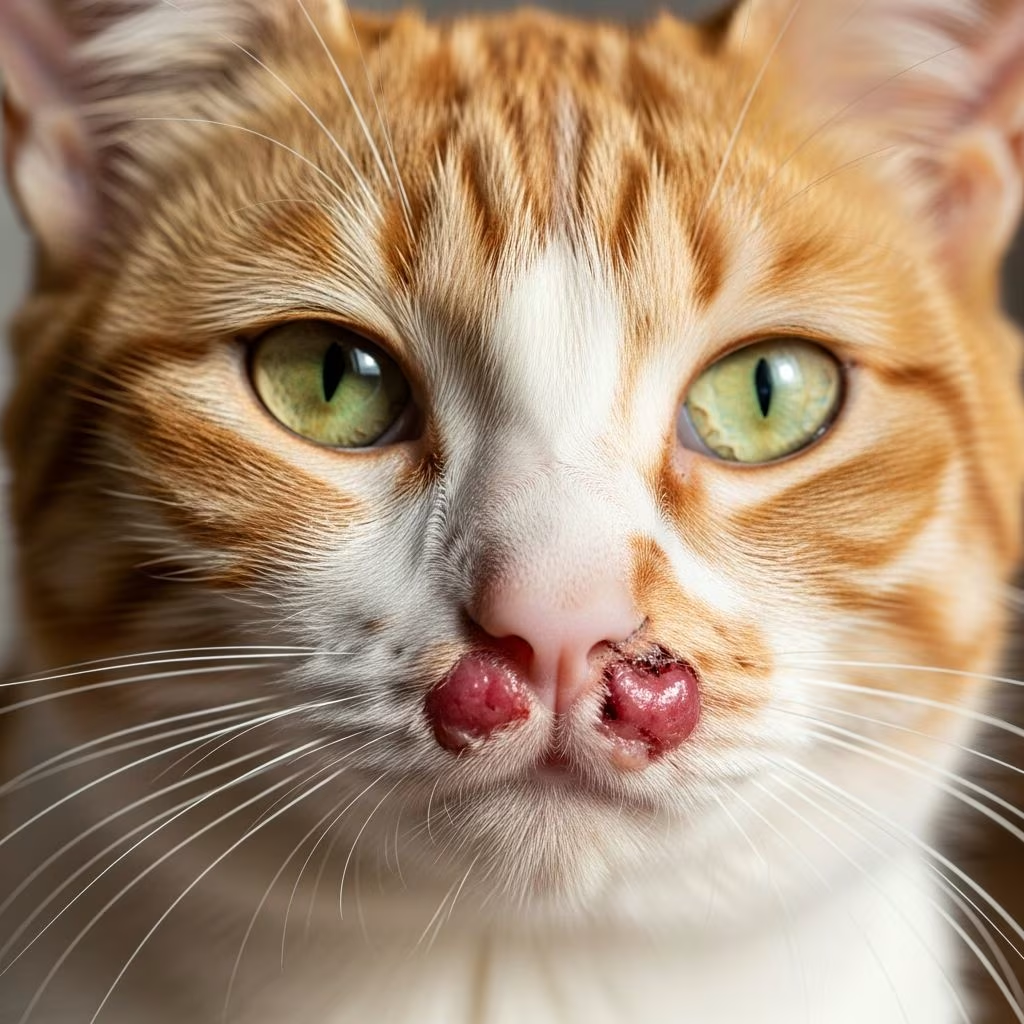
Understanding Feline Eosinophilic Granuloma Complex in Cats
Feline eosinophilic granuloma complex (EGC) represents a significant dermatological condition affecting cats worldwide. This complex group of skin lesions comprises three distinct types of inflammatory conditions that frequently occur in cats of various ages and backgrounds. Understanding this condition is essential for cat owners and veterinarians alike, as early recognition and appropriate management can significantly improve outcomes and enhance quality of life for affected felines.
Eosinophilic granuloma complex is characterized by the accumulation of eosinophils, a type of white blood cell, at the surface of the skin, leading to various inflammatory skin manifestations. The condition typically involves hypersensitivity reactions that trigger the immune system to overreact to certain stimuli, resulting in the development of skin lesions. While the exact etiology remains incompletely understood, research has identified several contributing factors that veterinarians consider when diagnosing and treating affected cats.
What Is Feline Eosinophilic Granuloma Complex?
Eosinophilic granuloma complex is a term used to describe three types of distinct skin lesions that may occur individually or concurrently in cats. These three components—eosinophilic plaques, eosinophilic granulomas, and indolent ulcers—together comprise the diagnostic entity known as EGC. Each type presents with characteristic clinical features and distribution patterns that aid veterinarians in diagnosis and treatment planning.
The condition is not a single disease entity but rather a spectrum of inflammatory responses that manifest differently depending on the underlying trigger and the individual cat’s immune response. This complex nature makes EGC particularly challenging to diagnose and treat, as multiple factors may contribute to its development and perpetuation. Understanding the distinction between the three types of lesions is crucial for accurate diagnosis and appropriate therapeutic intervention.
The Three Types of Eosinophilic Lesions
Eosinophilic Plaques
Eosinophilic plaques represent one of the most common manifestations of EGC in cats. These lesions appear as circumscribed, raised, round-to-oval formations that are frequently ulcerated and present with a moist or glistening appearance. The plaques are typically intensely pruritic, causing cats to excessively lick and scratch the affected areas, which often leads to secondary bacterial infections that complicate the condition.
These lesions most commonly appear on the ventral abdomen, inner thigh areas, chest, axillae (underarm areas), and near the anus. Associated symptoms include hair loss, red skin, and erosions. In some cases, cats may develop enlarged lymph nodes in the affected regions. The itching associated with eosinophilic plaques can be severe, and the constant trauma from licking often results in self-inflicted injuries that may become secondarily infected with bacteria.
Eosinophilic Granulomas
Eosinophilic granulomas represent the second component of EGC and manifest differently from plaques. These lesions typically display a linear orientation and feature a coarse, cobblestone pattern that ranges in color from white to yellow. They often appear as coalescing, raised, swollen, firm plaques that may be papular to nodular and frequently become eroded.
The most common locations for eosinophilic granulomas include the back of the thighs, head, face, bridge of the nose, ears, paw pads, lips, chin, and mouth areas. These lesions may cause lip or chin swelling (edema), footpad swelling, pain, and lameness depending on their location and severity. Unlike plaques, granulomas tend to be less intensely pruritic, though they still cause significant discomfort to affected cats.
Indolent Ulcers (Rodent Ulcers)
Indolent ulcers, commonly referred to as “rodent ulcers,” represent the third type of lesion within the EGC spectrum. The name “rodent ulcer” originated from the erroneous historical belief that these lesions resulted from rodent bites, though this theory has long been disproven. These ulcers appear as well-defined, red skin ulcers that are typically not painful or intensely itchy, distinguishing them from the other lesion types.
Indolent ulcers most commonly develop on the upper lip and within the oral cavity, appearing on the gums and palate. The lesions present with slightly raised margins and typically do not bleed. While generally painless, these ulcers can significantly impact a cat’s ability to eat and drink comfortably. The lesions range from small and barely noticeable ulcers to large and extensive ulcers that may disfigure the lips, and some cats may develop swollen, puffy chins as a result.
Causes and Risk Factors of EGC
The exact cause of eosinophilic granuloma complex in cats remains incompletely understood; however, research studies consistently suggest that allergic hypersensitivity reactions play a central role in most cases, particularly those that recur. Multiple underlying triggers have been identified that may precipitate the development of EGC lesions in susceptible cats.
Allergic and Hypersensitivity Factors
Allergic reactions represent the most commonly identified underlying cause of EGC in cats. These allergies may manifest in several forms:
Flea Allergy Dermatitis: Hypersensitivity to flea saliva stands as one of the most significant causes of EGC. Importantly, cats do not need to be heavily infested with fleas to develop this allergic response; even exposure to a single flea bite may trigger clinical signs in sensitized individuals.
Food Allergies: Certain food components may trigger allergic reactions in predisposed cats, leading to the development of EGC lesions. Food allergies typically develop after a cat reaches two years of age and require dietary elimination trials for identification.
Environmental Allergies: Cats may develop atopic dermatitis (feline atopy) in response to environmental allergens such as pollen, mold, dust mites, and other inhaled allergens. These environmental triggers can vary seasonally or remain present year-round depending on the specific allergen and local conditions.
Insect Hypersensitivity: Beyond fleas, cats may develop hypersensitivity reactions to mosquito bites and other insects, contributing to EGC development in some cases.
Genetic and Hereditary Factors
Research suggests that genetic predisposition and hereditary factors may contribute to EGC susceptibility in certain cat populations. Some cats appear genetically predisposed to develop eosinophilic granulomas at young ages, typically before two years of age. This genetic component explains why some cats develop severe EGC despite minimal environmental triggers, while others remain unaffected despite similar exposures.
Other Contributing Factors
Additional factors that may influence EGC development include infectious agents and secondary bacterial infections. Secondary bacterial infections frequently complicate eosinophilic plaques through constant licking and scratching, which can significantly worsen the clinical presentation. Some cases prove idiopathic in nature, meaning no specific underlying cause can be identified despite thorough investigation.
Clinical Signs and Symptoms
The clinical presentation of eosinophilic granuloma complex varies depending on which type of lesion predominates, though multiple lesion types may occur simultaneously in the same cat. Lesions of all three syndromes may develop spontaneously and suddenly, making EGC a condition that can appear without warning.
Cats of various ages may develop EGC, though certain patterns emerge regarding age of onset. Genetically initiated eosinophilic granulomas are generally seen in younger cats, typically under two years of age, while allergic disorders usually develop after a cat reaches two years of age. Additionally, female cats may be more likely to develop one or more syndromes of eosinophilic granuloma complex compared to males.
The most commonly observed clinical signs include hair loss, red skin, ulceration, and varying degrees of pruritus. Affected cats frequently exhibit excessive licking and scratching behaviors, which can lead to self-traumatization and secondary infections. Swelling may occur in affected areas, particularly around the lips and chin. Some cats with oral lesions may experience difficulty eating or drinking, leading to decreased appetite and potential weight loss.
Diagnosis of Eosinophilic Granuloma Complex
Accurate diagnosis of EGC requires a combination of clinical observation, patient history, physical examination, and often additional diagnostic testing. Veterinarians must rule out other potential causes of similar skin lesions before confirming an EGC diagnosis.
Clinical Examination and History
The diagnostic process begins with a thorough physical examination and detailed patient history. The veterinarian will assess the appearance, location, and distribution of skin lesions, noting their characteristics and any associated symptoms. Information regarding the cat’s age, breed, prior medical history, current diet, flea prevention status, and the timeline of lesion development provides valuable diagnostic information.
Diagnostic Testing
Several diagnostic tests may aid in confirming EGC and identifying underlying causes:
Skin Cytology: Examination of cells obtained from affected skin areas under a microscope can reveal the presence of eosinophils and help differentiate EGC from other skin conditions.
Skin Cultures: Bacterial cultures help identify secondary bacterial infections that commonly complicate EGC lesions, guiding antibiotic selection.
Skin Biopsy and Histopathology: In challenging cases, a skin biopsy may be performed to examine tissue architecture microscopically and confirm the presence of eosinophilic infiltration characteristic of EGC.
Identifying Underlying Causes
Identifying and controlling underlying hypersensitivities is crucial for effective EGC management. The diagnostic approach typically follows a systematic sequence:
Flea Control Assessment: A strict flea control program for all pets in the household should be instituted, as flea allergy dermatitis represents the most common underlying cause. All cats and other pets in the home require consistent, year-round flea prevention, even if fleas are not visible.
Dietary Elimination Trial: A diagnostic food trial using a limited antigen or hypoallergenic diet recommended by the veterinarian is instituted to evaluate for food allergy. This trial typically lasts 8-12 weeks to allow adequate time for clinical improvement if food allergy is present.
Environmental Assessment: If flea allergy and food allergy are ruled out, environmental allergens should be considered as potential triggers. Allergy testing through intradermal skin testing or serum testing may help identify specific environmental allergens.
Treatment Options for EGC
Treatment of eosinophilic granuloma complex requires a multifaceted approach addressing both the active lesions and underlying contributing factors. The most effective treatment strategy combines identification and control of underlying causes with appropriate symptomatic management.
Management of Underlying Causes
First-line treatment focuses on identifying and controlling the underlying hypersensitivity. Strict flea control using veterinarian-recommended flea prevention products is essential, even in cats with no visible fleas, as this represents the most commonly identified trigger. A diagnostic food trial should be pursued in cats with suspected food allergies, typically involving a limited antigen or hydrolyzed protein diet for 8-12 weeks.
Topical Treatments
Topical therapies may provide relief and promote healing in affected areas. Gentle cleansing of lesions and application of prescribed topical medications can reduce secondary infection risk and promote comfort.
Antibiotic Therapy
All forms of EGC can often benefit from antibiotic treatment, particularly when secondary bacterial infections complicate the primary lesions. Appropriate antibiotic selection based on culture and sensitivity results helps prevent the condition from worsening and promotes healing.
Corticosteroids and Immunosuppressive Agents
In cases where the underlying problem cannot be identified or controlled, treatment with corticosteroids or cyclosporine may be required. These medications suppress the immune response and reduce inflammation, providing symptom relief when other approaches prove insufficient. Corticosteroids may be administered orally, topically, or via injection depending on the clinical situation and lesion distribution.
Cyclosporine Therapy
Cyclosporine represents an alternative immunosuppressive option that may be particularly useful in cats that do not respond adequately to corticosteroids or in those requiring long-term treatment. This medication modulates immune function with potentially fewer systemic side effects than prolonged corticosteroid use.
Long-Term Management and Prognosis
Eosinophilic granuloma complex in cats is a serious pathology that frequently requires lifelong treatment, making rapid diagnosis and intervention important for optimal outcomes. The prognosis depends on the identification and control of underlying causes, the cat’s individual response to treatment, and the owner’s commitment to long-term management.
Cats with identified and controllable underlying allergies generally have good prognoses with consistent management. Those with idiopathic EGC or multiple uncontrollable triggers may require ongoing medical therapy to maintain clinical signs. Regular veterinary monitoring allows for treatment adjustments and early intervention if lesions recur or worsen.
Frequently Asked Questions About Feline Eosinophilic Granuloma Complex
Q: What does “rodent ulcer” mean, and why is this term used?
A: “Rodent ulcer” is a historical misnomer for indolent ulcers, originating from the mistaken belief that these lesions were caused by rodent bites. Modern veterinary medicine has established that these ulcers result from allergic hypersensitivity reactions, not rodent bites. The term persists in veterinary literature despite being inaccurate.
Q: Can eosinophilic granuloma complex be cured completely?
A: While EGC cannot always be cured completely, it can be effectively managed with appropriate treatment. If the underlying cause is identified and controlled—such as successfully managing flea allergies or identifying a food trigger—many cats experience significant improvement or remission. However, some cats may require lifelong management.
Q: How long does a dietary elimination trial take to show results?
A: Dietary elimination trials typically require 8-12 weeks to assess effectiveness. During this period, only the prescribed limited antigen or hydrolyzed protein diet should be fed, with no other foods or treats to avoid introducing potential allergens.
Q: Can indoor cats develop eosinophilic granuloma complex?
A: Yes, indoor cats can develop EGC. While flea allergy represents a common cause, environmental allergies to indoor allergens like dust mites, mold, and pollen can trigger EGC development even in exclusively indoor cats.
Q: Is eosinophilic granuloma complex contagious?
A: No, EGC is not contagious. It represents an inflammatory allergic reaction specific to individual cats and cannot be transmitted to other cats or animals.
Q: What is the difference between eosinophilic plaques and eosinophilic granulomas?
A: Eosinophilic plaques are typically intensely pruritic, round-to-oval ulcerated lesions appearing on the abdomen and inner thighs, often accompanied by hair loss. Eosinophilic granulomas are less itchy, linear lesions with a cobblestone pattern, most commonly appearing on the back of thighs, chin, and paw pads.
References
- Eosinophilic Granuloma Complex in Cats — PetMD. Accessed November 2025. https://www.petmd.com/cat/conditions/skin/c_ct_eosinophilic_granuloma_complex
- Eosinophilic Granuloma Complex in Cats — International Cat Care. Accessed November 2025. https://icatcare.org/articles/eosinophilic-granuloma-complex-in-cats
- Feline Allergy: Eosinophilic Granuloma Complex — MedVet. Accessed November 2025. https://www.medvet.com/feline-allergy-eosinophilic-granuloma-complex/
- Eosinophilic Granuloma Complex in Cats — Merck Veterinary Manual. Accessed November 2025. https://www.merckvetmanual.com/cat-owners/skin-disorders-of-cats/eosinophilic-granuloma-complex-in-cats
- Some Aspects of the Diagnosis and Treatment of Eosinophilic Granuloma Complex in Cats — National Institutes of Health. November 2023. https://pmc.ncbi.nlm.nih.gov/articles/PMC10730546/
- Eosinophilic Granuloma in Cats — PDSA. Accessed November 2025. https://www.pdsa.org.uk/pet-help-and-advice/pet-health-hub/conditions/feline-eosinophilic-dermatitis
- Eosinophilic Granuloma Complex in Cats — VCA Animal Hospitals. Accessed November 2025. https://vcahospitals.com/know-your-pet/feline-eosinophilic-granuloma-complex-in-cats



