

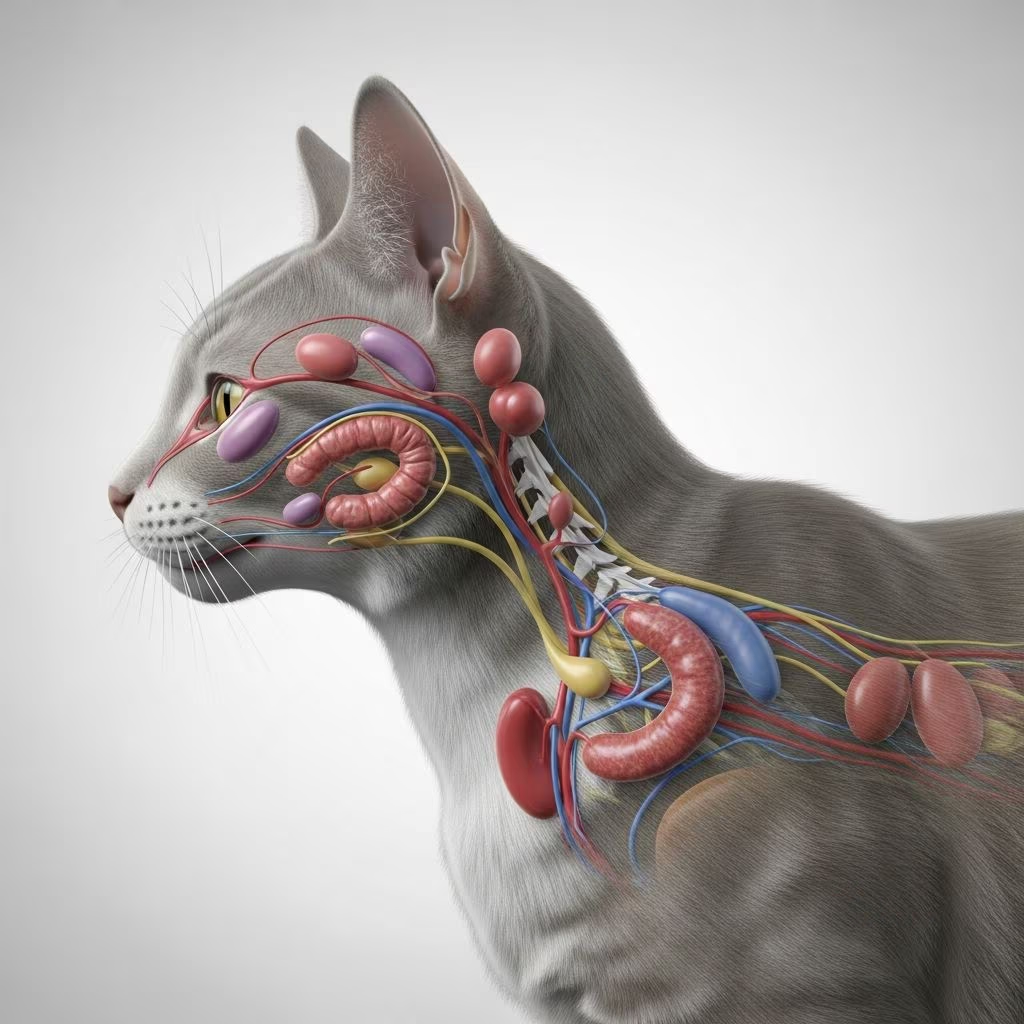
The endocrine system in cats serves as a sophisticated network of glands that secrete hormones directly into the bloodstream to orchestrate essential bodily processes. This system maintains balance in metabolism, growth, reproduction, and responses to environmental stresses, ensuring your cat thrives.
Core Principles of Hormonal Regulation in Cats
Hormones act as chemical signals traveling through the blood to influence distant organs and tissues. Unlike the nervous system, which delivers rapid electrical impulses, the endocrine approach provides slower, sustained effects vital for long-term homeostasis. In felines, this involves a precise feedback mechanism where hormone levels are monitored and adjusted dynamically.
Central to this is the negative feedback loop, a self-regulating process. For instance, elevated hormone concentrations signal glands to reduce production, preventing overload. This loop exemplifies how cats achieve hormonal equilibrium, crucial for survival.
Primary Glands and Their Strategic Locations
Distributed across the body, endocrine glands in cats include brain-based structures, neck-situated organs, and abdominal components. Their positions optimize hormone delivery efficiency.
- Hypothalamus: Nestled at the brain’s base, it integrates nervous and endocrine signals to direct pituitary activity.
- Pituitary Gland: Positioned beneath the hypothalamus, connected via a stalk; often called the ‘master gland’ for overseeing others.
- Thyroid Gland: Butterfly-shaped in the neck, near the larynx, vital for energy processing.
- Parathyroid Glands: Four minuscule glands adjacent to the thyroid, focused on mineral balance.
- Adrenal Glands: Paired atop the kidneys, divided into cortex and medulla for stress and metabolic management.
- Pineal Gland: Small, pinecone-like in the brain, attuned to light cycles.
- Pancreas: In the upper abdomen near the stomach and liver, dual-role in digestion and sugar control.
These locations ensure targeted hormone influence, from brain-regulated behaviors to kidney-proximal stress responses.
Hypothalamus and Pituitary: The Command Center
The hypothalamus gathers data on hunger, thirst, temperature, and emotions, translating it into hormonal directives. It prompts the pituitary to release stimulating hormones like ACTH for adrenals or TSH for thyroid.
The pituitary, despite its pea-size, governs growth (via growth hormone), milk production (prolactin), and reproduction (FSH/LH). Its anterior lobe handles most secretions, while the posterior stores antidiuretic hormone for water retention and oxytocin for uterine contractions during birth.
Thyroid and Parathyroids: Metabolic and Calcium Guardians
The thyroid produces thyroxine (T4) and triiodothyronine (T3), driving cellular metabolism, heart rate, and body temperature. Calcitonin from thyroid C-cells lowers blood calcium by promoting bone deposition.
Parathyroids secrete parathyroid hormone (PTH), elevating calcium via bone resorption, kidney reabsorption, and vitamin D activation. This mineral regulation supports nerve function, muscle contraction, and clotting.
| Gland | Main Hormones | Key Functions |
|---|---|---|
| Thyroid | T3, T4, Calcitonin | Metabolism boost, calcium reduction |
| Parathyroids | PTH | Calcium elevation, bone health |
Adrenal Glands: Stress and Survival Specialists
Each adrenal has an outer cortex producing glucocorticoids (cortisol for glucose mobilization, anti-inflammation) and mineralocorticoids (aldosterone for sodium/potassium balance). The inner medulla releases adrenaline/noradrenaline for ‘fight-or-flight’—accelerating heart rate and redirecting blood.
In cats, adrenal overactivity rarely causes Cushing’s (hypercortisolism), unlike dogs, but tumors can disrupt balance, leading to weakness and potbelly appearance.
Pineal Gland and Circadian Harmony
Responding to light via the eyes, the pineal secretes melatonin to synchronize sleep-wake cycles, influence puberty, and modulate seasonal breeding in cats. Darkness boosts production, aiding nocturnal adaptation.
Pancreas: Blood Sugar Balancer
The endocrine pancreas features islets of Langerhans: beta cells release insulin to lower blood glucose by facilitating cell uptake; alpha cells produce glucagon to raise it via liver glycogen breakdown. This duo prevents hypo- or hyperglycemia.
Cats’ unique protein-centric diet influences insulin sensitivity, heightening diabetes risk in obese or inactive individuals.
Gonads: Reproductive Hormone Hubs
Females’ ovaries produce estrogen for estrus cycles and progesterone post-ovulation; males’ testes secrete testosterone for sperm production and secondary traits. Pituitary gonadotropins drive these.
Feedback Mechanisms in Action
Consider cortisol regulation: Hypothalamus releases CRH, pituitary secretes ACTH, adrenals produce cortisol. Rising cortisol inhibits CRH/ACTH, stabilizing levels—a classic negative feedback.
Similar loops control thyroid (TSH-T3/T4) and blood sugar (insulin-glucagon), ensuring feline physiological stability.
Common Endocrine Disorders in Cats
Imbalances manifest as diseases affecting 1 in 10 senior cats.
- Hyperthyroidism: Thyroid overproduction causes weight loss, hyperactivity, vomiting. Prevalent in older cats; treatable via meds, surgery, or radioiodine.
- Diabetes Mellitus: Insulin deficiency/resistance leads to high blood sugar, thirst, urination, weight loss. Managed with insulin injections, diet.
- Hypothyroidism: Rare; slows metabolism, causing lethargy, hair loss.
- Hyperparathyroidism: Excess PTH elevates calcium, risking kidney issues.
- Addison’s Disease: Adrenal insufficiency; low cortisol/aldosterone causes collapse, vomiting.
Early vet detection via bloodwork is key; symptoms often mimic aging.
Signs Your Cat Needs Endocrine Checkup
| Disorder | Symptoms | Diagnostic Tests |
|---|---|---|
| Hyperthyroidism | Weight loss, voracious appetite, hyperactivity | T4 levels, thyroid scan |
| Diabetes | Polyuria, polydipsia, lethargy | Glucose curve, fructosamine |
| Adrenal Issues | Weakness, potbelly, poor coat | ACTH stimulation, cortisol assay |
Preventive Strategies for Endocrine Health
Maintain ideal weight through high-protein, low-carb diets mimicking feral cat nutrition. Regular exercise curbs obesity-linked diabetes. Annual senior blood panels detect imbalances early. Minimize stressors affecting adrenals.
Spaying/neutering stabilizes reproductive hormones, reducing associated cancers.
FAQs
What triggers endocrine problems in cats?
Genetics, age, obesity, iodine excess (hyperthyroidism), or tumors. Older cats over 10 years are prone.
How is cat diabetes treated?
Insulin therapy, dietary changes, weight management. Remission possible in early cases.
Can diet impact the endocrine system?
Yes; balanced nutrition supports pancreas, thyroid function. Avoid carb-heavy foods.
Is hyperthyroidism curable?
Yes, radioiodine therapy offers 95% cure rate with minimal side effects.
Do kittens have fully developed endocrine systems?
Not fully; pituitary growth hormone drives development until maturity.
Holistic Support for Endocrine Balance
Supplements like omega-3s aid inflammation; herbs such as milk thistle support liver hormone metabolism (vet-approved only). Acupuncture shows promise for stress reduction. Always prioritize evidence-based care.
References
- Structure and Function of the Endocrine System in Cats — PetPlace.com. 2023. https://www.petplace.com/article/cats/pet-health/structure-and-function-of-the-endocrine-system-in-cats
- Overview of the Adrenal Glands in Animals — MSD Veterinary Manual. 2024-01-15. https://www.msdvetmanual.com/endocrine-system/the-adrenal-glands/overview-of-the-adrenal-glands-in-animals
- Endocrine system — Veterian Key. 2022. https://veteriankey.com/endocrine-system-2/
- The canine and feline endocrine system — Radiokop Animal Clinic. 2023-05-20. https://radiokopvet.co.za/the-canine-and-feline-endocrine-system/
- Veterinary Endocrine System (YouTube Transcript Excerpts) — YouTube. 2024. https://www.youtube.com/watch?v=pSgFymo2w24
- Chapter 15: Endocrine System — Manati PR (PDF). 2020-02. https://manatipr.org/wp-content/uploads/2020/02/Chapter-15-Endocrine-System.pdf



