

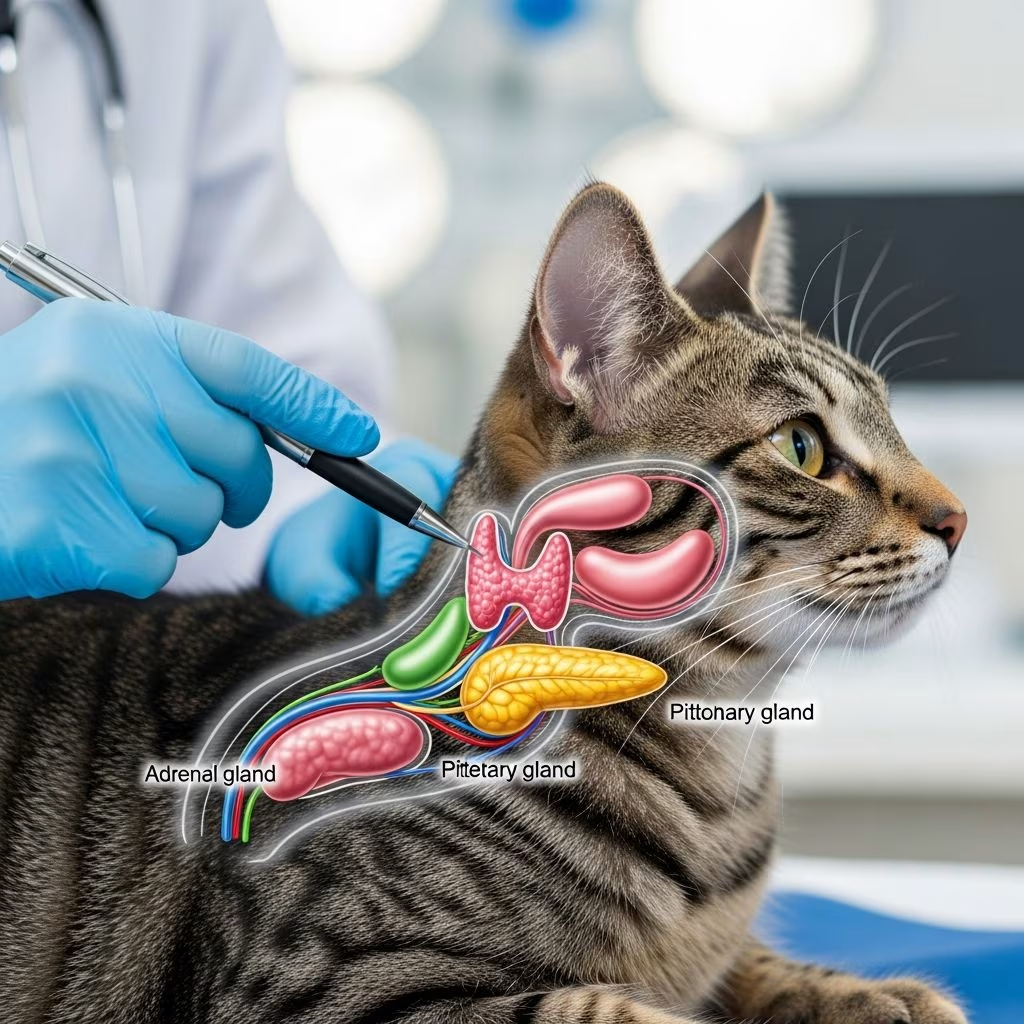
The endocrine system serves as your cat’s internal chemical communication network, regulating virtually every bodily function through the production and distribution of hormones. When this delicate system malfunctions, it can trigger a cascade of health problems that significantly impact your feline companion’s quality of life. Understanding how hormonal disorders develop and manifest is essential for cat owners seeking to maintain their pet’s wellbeing.
The Fundamental Role of the Endocrine System in Felines
Hormones are chemical messengers that travel through the bloodstream, instructing various tissues and organs to perform specific functions. The endocrine system encompasses several glands, including the pituitary, thyroid, adrenal glands, and pancreas, each producing distinct hormones that regulate metabolism, growth, reproduction, and stress responses. In cats, these hormones influence everything from body temperature regulation to coat quality and behavioral patterns.
The anterior pituitary gland, often called the “master gland,” orchestrates much of the endocrine system by releasing hormones that stimulate other glands to produce their own hormonal secretions. This interconnected relationship means that dysfunction in one gland can create a ripple effect throughout the entire endocrine system, resulting in multiple symptoms that may appear unrelated at first glance.
How Hormonal Imbalances Develop in Cats
Hormonal disorders emerge through several distinct mechanisms. Excessive hormone production occurs when a gland overproduces its designated hormone, while insufficient hormone production results from gland dysfunction or damage. Additionally, endocrine diseases can manifest when the normal regulatory pathways—the biochemical highways through which hormones travel and are metabolized—become disrupted.
A particularly important scenario involves secondary hormonal dysfunction. When one gland’s hormone stimulates another gland to produce hormones, any disruption in this signaling chain creates problems downstream. For example, if the pituitary gland fails to produce adequate thyroid-stimulating hormone, the thyroid gland will not receive proper signals to generate thyroid hormones, even if the thyroid itself remains structurally sound and capable of functioning normally.
Key Hormones and Their Functions in Feline Health
Several hormones play critical roles in maintaining feline health and homeostasis:
- Thyroid hormones regulate metabolic rate, influencing energy production, temperature control, and cognitive function throughout the body
- Cortisol and other adrenal hormones manage stress responses, immune function, and glucose metabolism
- Insulin controls blood glucose levels and affects how the body utilizes nutrients
- Parathyroid hormone maintains calcium and phosphate balance, essential for bone health and neuromuscular function
- Growth hormone influences body composition, metabolism, and overall physical development
- Reproductive hormones, including those stimulated by follicle-stimulating hormone and luteinizing hormone, regulate breeding cycles and sexual behavior
- Prolactin supports lactation and maternal behaviors in nursing females
- Oxytocin facilitates uterine contractions during labor and milk letdown during nursing
Common Feline Endocrine Disorders
Hyperthyroidism: The Most Prevalent Feline Endocrine Disease
Feline hyperthyroidism represents the most frequently diagnosed hormonal disorder in cats, with incidence rates increasing steadily since its first recognition in 1977. This condition develops when the thyroid gland produces excessive thyroid hormones, dramatically accelerating the cat’s metabolic rate. Affected cats display characteristic signs including increased appetite coupled with paradoxical weight loss, excessive thirst and urination, vomiting, diarrhea, and heightened nervousness or hyperactivity. Many cats become intolerant of heat and may exhibit behavioral changes including aggression or increased vocalization.
The progressive nature of hyperthyroidism means symptoms often develop gradually, and some owners may initially attribute subtle changes—such as slightly elevated activity levels or modest appetite increases—to normal feline behavior. Cardiovascular complications can develop in advanced cases, including heart rate acceleration (tachycardia) and congestive heart failure in severely affected individuals.
Hypothyroidism: Thyroid Hormone Deficiency
While less common in cats than hyperthyroidism, hypothyroidism represents a significant concern when present. This condition develops when the thyroid gland fails to produce adequate hormone levels, resulting in a slowed metabolic rate. Affected cats often exhibit lethargy, mental dullness, reduced exercise tolerance, unexplained weight gain, and heat-seeking behaviors. Dermatological manifestations frequently accompany thyroid insufficiency, including poor coat quality, alopecia (hair loss), seborrhea (flaky skin), and hyperpigmentation. Some cats develop myxedema, a thickening and infiltration of subcutaneous tissues, or experience recurrent skin and ear infections.
Cushing’s Syndrome: Adrenal Hormone Excess
Hypercortisolism, commonly called Cushing’s syndrome, develops when the adrenal glands produce excessive cortisol. This condition causes a distinctive pattern of clinical signs including alopecia (especially the characteristic “rat tail” appearance), poor coat quality, seborrhea, hyperpigmentation, and recurrent skin infections. Systemic signs include lethargy, mental dullness, exercise intolerance, obesity or unexplained weight gain, and heat-seeking behaviors. Less common manifestations involve neurological complications such as facial nerve paralysis or vestibular dysfunction affecting balance.
Addison’s Disease: Adrenal Insufficiency
Hypoadrenocorticism, or Addison’s disease, occurs when the adrenal glands fail to produce adequate cortisol and other essential hormones. This condition remains relatively uncommon in cats but can be life-threatening when present. Diagnosis is established through ACTH stimulation testing, where a lack of appropriate hormonal response confirms the condition. Laboratory findings in affected cats typically reveal specific electrolyte imbalances and other metabolic abnormalities.
Hyperaldosteronism: Rare But Increasingly Recognized
Primary hyperaldosteronism, also known as Conn’s syndrome, represents a recently recognized condition in feline medicine caused by an adrenal tumor producing excess mineralocorticoids. Geriatric cats are most commonly affected, presenting with systemic hypertension, muscle weakness stemming from dangerously low potassium levels (hypokalemia), and excessive urination. Because these signs superficially resemble chronic kidney disease, misdiagnosis is common until specific diagnostic testing reveals the true underlying cause. Recent case studies in veterinary literature suggest this condition is less rare than previously believed, and veterinarians now recommend considering primary hyperaldosteronism as a differential diagnosis in middle-aged and older cats displaying these characteristic signs.
Acromegaly: Growth Hormone Excess
Acromegaly develops when excessive growth hormone production—typically from a pituitary tumor—causes progressive enlargement of body tissues. This condition frequently triggers insulin resistance and may lead to diabetes mellitus. Diagnosis relies on measurement of elevated insulin-like growth factor 1 (IGF-1) levels or imaging studies of the pituitary gland, though no single diagnostic test proves 100% reliable due to potential false positive and negative results.
Recognizing Hormonal Problems in Your Cat
Because hormonal disorders affect multiple body systems simultaneously, clinical signs may initially seem disconnected or attributable to aging. Owners should remain vigilant for the following warning indicators:
- Unexplained changes in appetite or weight despite consistent feeding
- Alterations in thirst and urination patterns
- Coat quality deterioration, including excessive shedding, matting, or bald patches
- Behavioral changes such as increased aggression, anxiety, or vocal behavior
- Reduced activity levels or reluctance to engage in previously enjoyed activities
- Gastrointestinal symptoms including chronic vomiting or diarrhea
- Skin conditions including recurring infections or unusual pigmentation
- Temperature regulation difficulties, such as excessive heat-seeking or heat avoidance
- Changes in sleeping patterns or overall energy levels
The Diagnostic Process for Hormonal Disorders
Veterinary diagnosis of endocrine disorders typically follows a systematic approach beginning with a thorough history and physical examination. Your veterinarian will assess your cat’s symptoms, review any recent behavioral or physical changes, and perform comprehensive bloodwork. Specific hormone level measurements—such as thyroid hormone testing, cortisol assessment, or insulin-like growth factor measurements—form the foundation of accurate diagnosis.
Some conditions require specialized diagnostic tests, including stimulation tests that challenge the endocrine system’s response capacity, dexamethasone suppression testing for Cushing’s syndrome assessment, or imaging studies such as ultrasound or CT scans to visualize affected glands. The interconnected nature of the endocrine system means that multiple glands may require evaluation, as dysfunction in one area often impacts others.
Management Considerations for Feline Endocrine Disease
Treatment approaches vary depending on the specific hormonal disorder and its underlying cause. Hyperthyroidism management options include pharmaceutical intervention with antithyroid medications, radioactive iodine treatment, or surgical thyroidectomy. Hypothyroidism typically responds to thyroid hormone replacement therapy. Cushing’s syndrome may be managed medically or through surgical intervention depending on the tumor location and patient factors.
Chronic endocrine disease management emphasizes regular monitoring through periodic laboratory testing to ensure treatment efficacy and adjust dosages as needed. Many cats require lifelong management, making close collaboration with your veterinarian essential for optimizing your cat’s quality of life.
The Interconnected Nature of Feline Hormone Systems
A fundamental principle in understanding feline endocrine disease involves recognizing that hormones do not function in isolation. The thyroid, adrenals, and sex hormones form a carefully balanced system where removing or significantly reducing one component inevitably affects the others. This interconnectedness explains why cats with certain hormonal problems may develop secondary issues in other endocrine glands, and why comprehensive evaluation often becomes necessary.
Additionally, hormonal disorders can mimic or coexist with metabolic diseases, potentially leading to diagnostic challenges. A cat presenting with weight gain and lethargy might be hypothyroid, but could also have conditions ranging from Cushing’s syndrome to insulin resistance, requiring careful differential diagnosis before determining the true underlying cause.
When to Consult Your Veterinarian
Any persistent changes in your cat’s behavior, appearance, appetite, or elimination patterns warrant veterinary evaluation. While some hormonal disorders progress gradually and may seem minor initially, early diagnosis and treatment intervention often yield better long-term outcomes. Senior cats and those with existing health conditions deserve particular attention, as age and comorbidities increase the likelihood of developing hormonal dysfunction.
Understanding your cat’s normal baseline—typical appetite, activity level, coat condition, and behavioral patterns—enables you to recognize subtle deviations that might indicate underlying hormonal problems. Maintaining detailed observations about any changes helps your veterinarian narrow diagnostic possibilities and establish appropriate treatment protocols.
References
- Cat and Dog Hormones: The Ultimate Guide — Adored Beast. Accessed 2026. https://blog.adoredbeast.com/cat-and-dog-hormones-the-ultimate-guide/
- 2023 AAHA Selected Endocrinopathies of Dogs and Cats Guidelines — American Animal Hospital Association. 2023. https://www.aaha.org/guidelines/aaha-selected-endocrinopathies-guidelines/
- An Update in Feline Endocrine Diseases — DVM360. https://www.dvm360.com/view/update-feline-endocrine-diseases-proceedings-0
- Introduction to Hormonal Disorders of Cats — Merck Veterinary Manual. https://www.merckvetmanual.com/cat-owners/hormonal-disorders-of-cats/introduction-to-hormonal-disorders-of-cats
- The Veterinary Nurse’s Guide to Rare Hormones and Disorders — Veterinary Internal Medicine Nursing. https://www.veterinaryinternalmedicinenursing.com/blog/rare-hormones-and-disorders



