

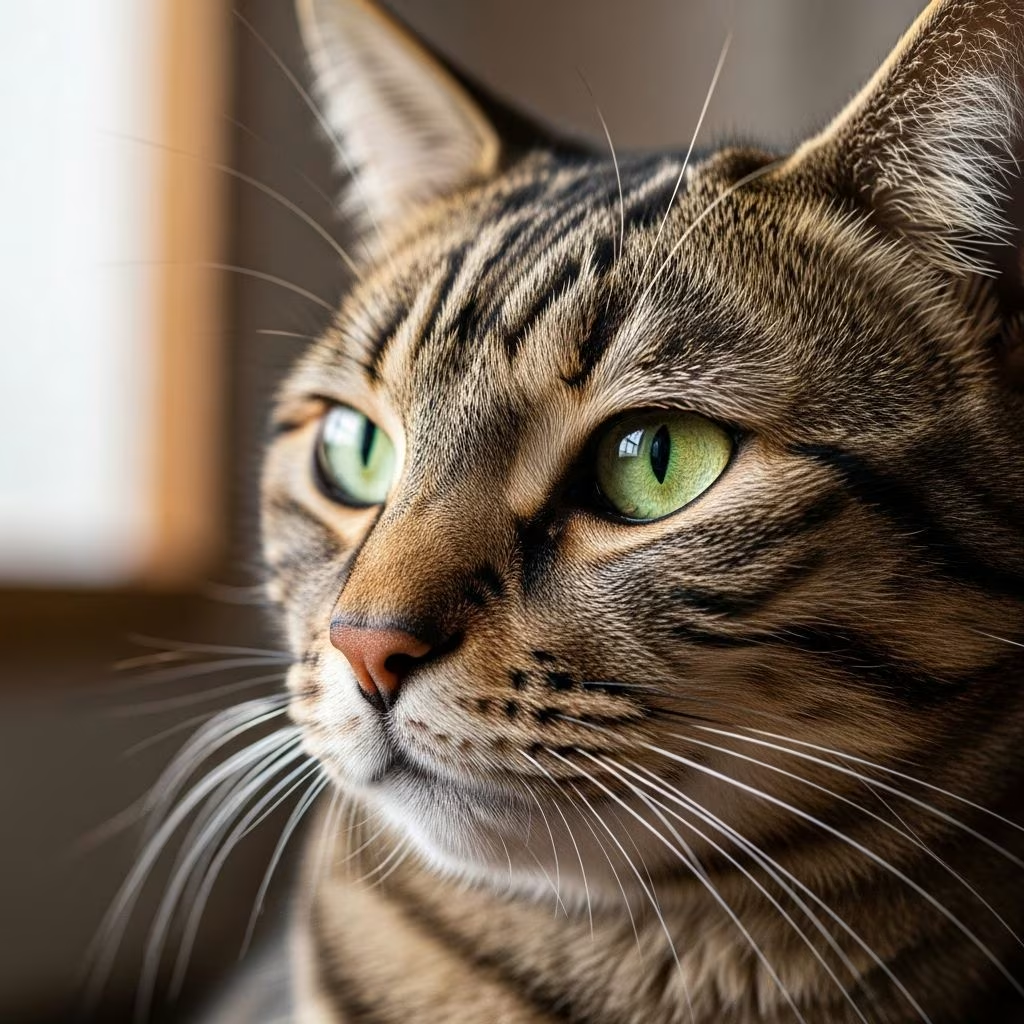
Cats experience complex emotions and can struggle with periods of emotional distress, much like humans. When a feline companion shows persistent changes in behavior, appetite, or social engagement, it may indicate underlying emotional or physical concerns requiring attention. Understanding the distinction between normal behavioral variation and genuine emotional distress is crucial for cat owners seeking to provide optimal care and support.
Recognizing Emotional Distress in Your Feline Companion
Behavioral changes serve as primary indicators that something may be affecting your cat’s emotional state. These manifestations can range from subtle to pronounced, and recognizing them early enables prompt intervention. Cats experiencing emotional difficulties often display observable shifts in their daily patterns and interactions with their environment.
Physical Appearance and Grooming Patterns
A cat’s grooming habits reflect their emotional and physical well-being. Emotionally distressed cats frequently neglect their coat maintenance, resulting in a matted, unkempt appearance. Conversely, some cats may engage in excessive grooming behaviors, leading to hair loss, skin irritation, or visible bald patches. These grooming changes warrant veterinary evaluation, particularly when they persist beyond a few days. The transition from fastidious self-care to grooming neglect or obsessive behavior represents a significant departure from typical feline conduct.
Changes in Appetite and Eating Behavior
Alterations in eating patterns constitute a notable sign of emotional distress. Cats may dramatically reduce their food intake or lose interest in meals they previously enjoyed. Extended periods of poor appetite can lead to serious physical complications, including fatty liver disease. Some emotionally distressed cats may also display changes in water consumption, creating additional health concerns. Monitoring your cat’s eating habits helps establish a baseline for identifying significant deviations.
Activity Level and Social Withdrawal
A cat struggling emotionally often exhibits markedly reduced activity levels and increased sleeping. These felines may spend excessive time hiding in secluded locations, avoiding normal social interactions with family members. Extended hiding periods can signal either temporary stress responses or more serious underlying issues. The loss of interest in activities once considered enjoyable—such as interactive play or exploration—indicates a departure from the cat’s typical behavioral patterns.
Behavioral and Emotional Expressions
Observable changes in a cat’s demeanor include aggression, hissing, cowering, and fleeing from normal interactions. Some cats may display increased irritability or restlessness. Body language shifts become apparent through tucked tails, pinned-back ears, and raised fur. These physical postures communicate emotional distress and warrant investigation into underlying causes.
Primary Contributing Factors Behind Emotional Distress
Emotional distress in cats stems from multiple sources, both environmental and medical. Understanding these contributing factors helps identify appropriate interventions and preventative strategies.
Environmental and Lifestyle Stressors
Environmental changes represent a leading cause of feline emotional distress. Cats thrive on predictability and stability, making sudden changes particularly stressful. Major environmental stressors include:
- Relocation to a new residence
- Introduction of new family members, including infants
- Addition of new pets to the household
- Rearrangement of furniture or home furnishings
- Renovations or significant alterations to living spaces
- Changes in feeding schedules or daily routines
- Modifications to household member schedules
- Overcrowded living conditions
- Exposure to excessive noise or disturbances
Cats are fundamentally creatures of habit, and abrupt alterations to their established routines trigger anxiety and emotional distress. Gradual implementation of necessary changes helps minimize their psychological impact.
Loss, Grief, and Social Disruption
Cats form meaningful bonds with both human companions and other animals. The loss of a companion—whether through death, relocation, or household changes—can trigger mourning and behavioral changes. Social dynamics significantly influence feline emotional health. Cats struggle with both losses of established relationships and introductions of new individuals. A change in who is present in the household, even when positive in nature, can create emotional upheaval.
Insufficient Environmental Stimulation
Indoor cats require adequate mental and physical stimulation to maintain emotional well-being. Lack of engaging activities, interactive play opportunities, and environmental enrichment can contribute to emotional distress. Cats need outlets for their natural hunting, climbing, and exploratory instincts to maintain psychological health.
Underlying Medical Conditions
Many medical conditions manifest as emotional distress or behavioral changes. It is essential to rule out physical health problems before attributing behavioral changes solely to emotional causes. Conditions that may present as emotional distress include:
- Chronic pain and discomfort from various sources
- Arthritis and orthopedic problems
- Dental diseases and oral pain
- Undiagnosed injuries
- Fatty liver disease
- Upper respiratory infections
- Cancer and other serious illnesses
- Hormonal imbalances, including hyperthyroidism
- Reproductive issues affecting mood
- Poor nutritional status
Some cats with physical illness may not display obvious clinical signs but instead present as emotionally withdrawn or depressed. This presentation underscores the importance of comprehensive veterinary evaluation before assuming emotional causes.
Veterinary Assessment and Diagnostic Approach
Professional veterinary evaluation forms the foundation of addressing feline emotional distress. A thorough assessment helps distinguish between medical and purely behavioral causes, enabling appropriate treatment planning.
Initial Medical Evaluation
When you suspect emotional distress in your cat, consulting a veterinarian represents the essential first step. The veterinarian will conduct a comprehensive physical examination, discuss symptom onset and duration, and recommend appropriate diagnostic testing. This evaluation helps rule out underlying medical conditions that may present as emotional distress. Once physical health is confirmed, attention can focus on environmental and behavioral factors.
Identifying Stress Sources
A thorough assessment includes identifying specific environmental stressors or changes that coincide with behavioral changes. Your veterinarian will explore recent household events, schedule modifications, social changes, and environmental alterations. Understanding the timeline of symptom onset relative to life changes provides crucial diagnostic information.
Comprehensive Treatment and Management Strategies
Treatment for feline emotional distress is multifaceted, requiring tailored approaches based on underlying causes and individual cat characteristics.
Environmental Modification and Enrichment
Creating a supportive living environment addresses many contributing factors to emotional distress. Effective environmental strategies include:
- Providing diverse, engaging toys that stimulate natural hunting behaviors
- Creating vertical spaces through cat trees and elevated resting areas
- Offering window perches for observation and mental stimulation
- Establishing quiet, secure resting locations where cats feel safe
- Providing multiple litter boxes, water stations, and feeding areas
- Using interactive toys that encourage active play and mental engagement
- Rotating toys regularly to maintain novelty and interest
Environmental enrichment addresses the underlying desire for exploration, activity, and mental stimulation that confined indoor cats require.
Routine Consistency and Predictability
Establishing and maintaining consistent daily routines provides cats with a sense of security and stability. Consistent schedules for meals, playtime, grooming sessions, and social interaction help reduce stress and anxiety. When changes to routines are necessary, gradual implementation minimizes emotional disruption. Predictability allows cats to anticipate events and feel more in control of their environment.
Social Interaction and Companionship
Direct human interaction supports emotional well-being in distressed cats. Gentle petting, ear rubs, and physical affection can soothe anxious or depressed cats. Spending quality time with your feline companion, even in quiet companionship, provides emotional support. For some cats, the presence of compatible animal companions may also provide comfort, though introductions must be managed carefully.
Nutritional Support and Supplements
Dietary modifications may support emotional wellness in cats experiencing distress. Your veterinarian may recommend specific dietary formulations designed to support mood and energy levels. Natural supplements containing L-tryptophan and L-theanine may increase serotonin production in the brain, helping combat depression. Some cats benefit from supplements specifically formulated to reduce anxiety and support emotional balance. Consultation with your veterinarian ensures recommendations align with your cat’s specific health profile and needs.
Pheromone Therapies
Synthetic feline pheromone products, such as Feliway diffusers, can help calm anxious cats by mimicking natural calming pheromones cats produce. These therapies support stress reduction in conjunction with other treatment approaches.
Sensory Support Approaches
Calming music designed specifically for cats may provide soothing benefits for some felines. Specialized music with frequencies cats can detect and purring sounds may help reduce stress and promote relaxation. Some cats respond positively to gentle music while their owners are away or during stressful periods.
Pharmaceutical Options
In cases where behavioral and environmental interventions prove insufficient, veterinarians may recommend pharmaceutical support. Antidepressant and anti-anxiety medications can address emotional distress when medical causes have been ruled out. Common medications include fluoxetine (Prozac), amitriptyline, doxepin, and other psychoactive compounds. Medications should always be prescribed and monitored by a veterinarian, with regular follow-up assessments to evaluate effectiveness and adjust dosages as needed.
Supporting Your Cat’s Recovery at Home
Owner involvement is critical to successful management of feline emotional distress. Creating a nurturing home environment extends professional veterinary care.
Resource Availability and Management
Ensuring adequate access to essential resources reduces competition-related stress in multi-cat households and supports overall well-being in single-cat homes. Provide abundant clean, fresh water, nutritious food, engaging toys, and affectionate interaction. Adequate resources ensure no cat feels neglected or forced to compete for necessities.
Gradual Introduction of Changes
When environmental changes are necessary, implement them gradually whenever possible. Slow introductions of new people, pets, or household modifications reduce the shock to your cat’s system. Gradual acclimation helps prevent the acute stress response that contributes to emotional distress.
Monitoring and Communication
Careful observation of your cat’s response to implemented interventions guides ongoing adjustments. Monitor changes in eating, activity, grooming, and social behavior. Regular communication with your veterinarian about your cat’s progress ensures treatment remains appropriate and effective.
Frequently Asked Questions About Feline Emotional Distress
Can cats experience genuine depression similar to humans?
Yes, cats can experience emotional distress characterized by behavioral changes, withdrawal, and changes in appetite and activity levels. While the exact nature of feline emotional experience differs from human depression, the observable symptoms and treatment approaches demonstrate genuine psychological struggles in cats.
How long does it typically take for a cat to recover from emotional distress?
Recovery timelines vary depending on the cause, severity, and implemented interventions. Some cats respond quickly to environmental changes or supportive care, while others require extended periods of consistent support and possible medication. Patience and consistent implementation of recommendations support optimal outcomes.
Should I be concerned if my cat hides frequently?
Occasional hiding is normal feline behavior, but extended, persistent hiding may indicate temporary stress or more serious underlying issues. If hiding becomes excessive or accompanies other behavioral changes, veterinary evaluation is warranted.
Can medications be combined with behavioral interventions?
Yes, medications typically work most effectively when combined with environmental modifications, routine consistency, and behavioral interventions. A comprehensive, multimodal approach addresses emotional distress from multiple angles, supporting overall well-being.
What role does nutrition play in feline emotional health?
Proper nutrition supports overall health and may specifically support mood and emotional stability. Some supplements containing specific amino acids may enhance serotonin production, contributing to improved mood and reduced anxiety.
References
- Think Your Cat Is Depressed? 13 Signs You Have a Sad Cat — Chewy. https://www.chewy.com/education/cat/health-and-wellness/signs-cat-is-depressed
- Can Cats Get Depressed? Understanding Cat Depression — Pets Best. https://www.petsbest.com/blog/cat-depression
- Is Your Cat Depressed? Here Are Some Signs — ManyPets. https://manypets.com/us/blog/cat-depression/
- Cat Depression Treatments – What Are Your Options? — PetCareRx. https://www.petcarerx.com/article/cat-depression-treatments-what-are-your-options/1384
- Is Cat Depression Real? — PetMD. https://www.petmd.com/cat/behavior/can-cats-get-depressed
- Cat Depression: Causes, Signs, and Treatment — BetterPet. https://www.betterpet.com/learn/cat-depression



