

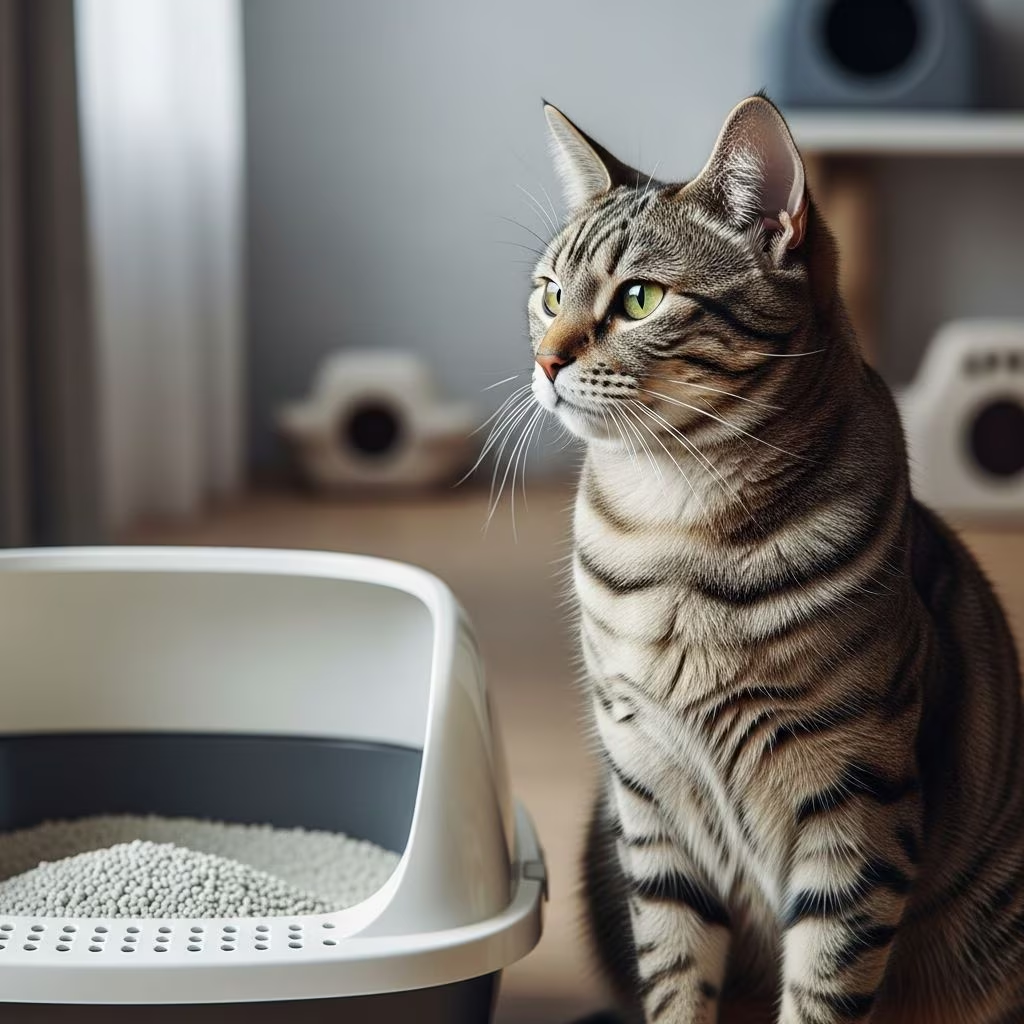
Inappropriate elimination represents one of the most frustrating challenges cat owners face. When a beloved feline begins bypassing the litter box, it signals either underlying medical distress or behavioral concerns that require systematic investigation and intervention. Understanding the distinction between medical and behavioral causes forms the foundation for effective problem resolution.
Understanding the Root Causes Behind Litter Box Rejection
Cats abandon their litter boxes for specific, identifiable reasons. The key to resolution lies in thorough investigation of your cat’s environment, health status, and preferences. Medical conditions frequently trigger elimination problems, making veterinary evaluation the essential first step in any troubleshooting process. Urinary tract infections rank among the most common culprits, causing painful urination that cats associate with the litter box itself. As a result, affected cats may seek alternative elimination sites, hoping to escape the discomfort they’ve learned to expect.
Beyond medical factors, behavioral and environmental causes play equally significant roles. Cats develop specific preferences regarding surface texture, location, cleanliness standards, and privacy levels. When these preferences go unmet, cats communicate their dissatisfaction through inappropriate elimination.
Medical Foundations: When Health Underlies the Problem
Before implementing behavioral modifications, ruling out medical conditions remains non-negotiable. Several health issues directly contribute to litter box avoidance:
- Urinary tract infections cause frequent urination with associated pain, prompting cats to eliminate outside their boxes
- Arthritis and mobility limitations make box entry difficult, particularly for senior cats navigating high-sided containers
- Cognitive dysfunction in aging cats can disrupt established litter box habits
- Kidney disease and diabetes increase urination frequency, overwhelming cats’ ability to reach boxes consistently
- Gastrointestinal disorders may cause urgent defecation that cats cannot control
Your veterinarian can identify these conditions through physical examination and diagnostic testing, then recommend appropriate medical interventions. Once medical issues receive treatment, many behavioral problems resolve simultaneously.
Environmental Factors: Creating an Optimal Litter Box Setting
Cats possess exacting standards regarding their elimination environments. Strategic environmental modifications address most behavioral litter box issues.
Quantity and Placement Strategies
The golden rule for multi-cat households states: provide one litter box per cat, plus one additional box. This formula ensures that subordinate cats always access available facilities without encountering aggressive block-outs from dominant cats. Even single-cat households benefit from maintaining multiple boxes positioned in separate locations throughout the home.
Placement proves equally critical as quantity. Position litter boxes far from food and water bowls, as cats instinctively separate eating and elimination areas. Privacy considerations matter significantly—boxes tucked into low-traffic zones with multiple escape routes provide security that enclosed or centrally-located boxes cannot match.
Box Selection and Design Features
Standard commercial litter boxes often fail to accommodate adult cats comfortably. Many cats respond positively to larger alternatives, such as plastic storage containers designed to fit under beds. These spacious options allow full movement and multiple positioning options during elimination.
Covered boxes and top-entry containers frequently create problems despite their popularity among owners. Cats often feel trapped or cornered in these enclosed designs, leading to avoidance. Open boxes provide superior appeal and allow cats to maintain situational awareness during vulnerable moments.
For senior or overweight cats, boxes with lower sides facilitate entry and exit without strain. High walls transform simple box use into an ordeal that cats increasingly avoid as mobility declines.
Liner and Interior Considerations
While plastic liners offer convenience for owners, many cats dislike them intensely. Liners can snag on claws and emit plastic odors that offend sensitive feline noses. Eliminating liners often resolves box avoidance immediately. Additionally, old boxes accumulate scratches that harbor persistent odor even after thorough cleaning. Investing in new containers periodically prevents odor-related aversion.
Litter Preferences: Matching Substrate to Individual Tastes
Cats display pronounced preferences for specific litter types and depths. Understanding these individual preferences enables targeted interventions.
Texture and Material Selection
Most cats gravitate toward loose, sandy substances that mimic natural soil and facilitate natural burying behaviors. However, individual preferences vary considerably. Some cats eliminate on soft surfaces like carpet and bedding, while others prefer slick textures such as tile or bathtubs.
When introducing litter changes, implement gradual transitions rather than abrupt switches. Add small amounts of new litter to existing supplies, progressively increasing proportions over several weeks. This measured approach prevents the shock and aversion that sudden changes trigger.
Offering multiple litter types simultaneously allows cats to indicate their preferences directly. Providing clay-based litters, shredded paper, sawdust, wood pellets, or even natural sand and soil lets cats select their preferred substrate.
Cats with outdoor histories particularly benefit from boxes containing soil or sod. These natural materials evoke familiar elimination environments and encourage box use in formerly outdoor cats.
Depth and Quantity Optimization
Litter depth significantly impacts box appeal. Most cats prefer approximately 2-4 inches of litter, though individual preferences vary. Cats that scatter litter excessively often do so in response to inadequate depth—either attempting to create sufficient substrate for burying or expressing frustration with insufficient material.
Addressing specific surface preferences requires targeted litter modifications. Cats eliminating on soft surfaces respond well to high-quality, scoopable litter placed on soft rugs beneath boxes. Conversely, cats preferring slick surfaces benefit from thin litter layers at box ends, leaving other sections bare.
Behavioral Interventions: Addressing Specific Elimination Patterns
Once medical conditions are ruled out and environmental factors optimized, targeted behavioral strategies address specific problems.
Cats Eliminating Completely Outside the Box
Some cats stand within boxes but deposit waste just outside the boundaries. Enlarged boxes frequently resolve this issue by providing sufficient space for comfortable positioning. Similarly, cats that scatter litter extensively benefit from higher-sided containers that contain their enthusiastic burying behavior. Litter mats and absorbent pads positioned around boxes catch scattered material, simplifying cleanup.
Managing Surface and Location Aversion
When cats demonstrate persistent preferences for inappropriate elimination sites, making these areas deliberately unattractive disrupts their established patterns. Covering soiled areas with aluminum foil, double-sided sticky tape, or carpet runners with spikes facing upward creates tactile deterrents. Motion-activated spray systems and citrus-scented air fresheners further discourage reuse of preferred elimination spots.
This deterrent strategy works most effectively when combined with positive reinforcement of litter box use. As cats avoid previously-used elimination sites, they naturally gravitate toward available boxes.
Preventing Multi-Cat Conflicts
In households with multiple cats, one individual may avoid the litter box due to intimidation by more dominant cats. Creating separate, secured box areas—divided by baby gates or pet doors cats can navigate but other animals cannot—ensures universal access. This strategic environmental design prevents dominant cats from controlling litter box access and triggers feline conflicts.
Odor Management: Maintaining Box Cleanliness Standards
Cats possess remarkable olfactory sensitivity, detecting odors imperceptible to human noses. Accumulated odors frequently trigger box rejection, particularly in cats with heightened sensory preferences.
Daily scooping removes fresh waste before decomposition produces ammonia and other volatile compounds. Many cats demand twice-daily scooping for optimal cleanliness standards. Complete litter replacement and box washing occur at least weekly, preventing odor accumulation even in regularly-scooped boxes.
When cats have eliminated outside the box repeatedly, thorough enzymatic cleaning of affected areas becomes essential. Standard cleaners fail to eliminate urine compounds completely; enzymatic formulas break down the chemical markers that encourage repeat soiling. Without complete enzymatic treatment, residual scent cues trigger continued inappropriate elimination despite behavioral modifications.
Stress Reduction and Environmental Enrichment
Anxiety and stress frequently underlie behavioral litter box problems, particularly in sensitive cats. Environmental enrichment and stress reduction techniques restore emotional equilibrium that supports consistent box use.
Interactive playtime, climbing structures, hiding spots, and vertical territory satisfy cats’ psychological needs while reducing overall stress levels. Pheromone diffusers—products that disperse calming feline-specific pheromones—help anxious cats feel more secure in their environment. These interventions prove particularly valuable during periods of household change or disruption.
Comprehensive Resolution Strategy: Integration of Multiple Approaches
| Problem Category | Initial Investigation | Primary Intervention | Supporting Strategies |
|---|---|---|---|
| Medical Issues | Veterinary examination and diagnostics | Medical treatment of identified condition | Pain management, mobility support |
| Box Aversion | Observe box characteristics and cat behavior | Provide larger, open box without liners | Introduce new location, maintain multiple boxes |
| Litter Preferences | Note elimination surface patterns | Match litter type to surface preference | Adjust depth, offer multiple types, gradual transitions |
| Behavioral Issues | Identify specific problem patterns | Environmental modification and deterrents | Odor elimination, positive reinforcement |
| Stress-Related | Assess household changes and triggers | Environmental enrichment and calming products | Playtime, hiding spaces, consistent routine |
Frequently Asked Questions About Litter Box Issues
How many litter boxes should I provide for multiple cats?
The recommended formula is one box per cat plus one additional box. This ensures adequate access regardless of social hierarchies or simultaneous use needs.
Why does my cat reject certain litter types?
Cats develop strong texture and material preferences, often related to elimination surface habits or previous experiences. Gradual transitions and offering multiple types simultaneously helps identify preferred materials.
Should I use covered litter boxes?
Most cats prefer open boxes that provide escape routes and maintain visibility. Covered boxes often trigger avoidance due to cats feeling trapped or cornered.
What should I do if my cat suddenly stops using the litter box?
Schedule a veterinary visit immediately to rule out medical conditions. Once health issues are excluded, systematically review environmental factors including box type, litter, cleanliness, and placement.
How can I make inappropriate elimination areas less appealing?
Cover soiled areas with aluminum foil, double-sided sticky tape, carpet runners with spikes facing upward, or use motion-activated deterrent sprays. Combine physical deterrents with enzymatic cleaning of lingering odors.
Implementation Timeline: Moving Forward Systematically
Resolving litter box issues requires patience and systematic troubleshooting rather than reactive changes. Week one involves veterinary evaluation and identification of any medical factors requiring treatment. Simultaneously, implement improved odor management through increased scooping and enzymatic cleaning of soiled areas.
Week two focuses on environmental optimization: introducing larger boxes without liners, establishing multiple box locations, and adjusting litter types and depths based on observed preferences. Introduce deterrents to previously-soiled areas as cats gravitate toward improved litter box options.
Weeks three and four reinforce positive behaviors while maintaining environmental changes. Most cats demonstrate improvement within this timeframe if underlying medical issues have been addressed and environmental factors substantially modified. Consistency proves critical—reverting to previous conditions or inconsistent practices undermines progress.
When to Seek Professional Assistance
While many litter box issues resolve through systematic troubleshooting, persistent problems may warrant professional intervention. Veterinary behaviorists can evaluate complex cases where medical and environmental modifications fail to restore consistent box use. These specialists employ advanced diagnostic techniques and behavioral protocols designed for treatment-resistant situations.
Resolving feline elimination issues ultimately requires patience, observation, and willingness to make multiple adjustments. By systematically addressing medical factors, environmental conditions, and behavioral patterns, most cat owners successfully restore reliable litter box use and strengthen their relationships with their feline companions.
References
- Solving Litter Box Problems — Oregon Humane Society. Accessed January 29, 2026. https://www.oregonhumane.org/solving-litter-box-problems/
- Solutions to 8 Common Cat Litter Box Issues — Chewy Education. Accessed January 29, 2026. https://www.chewy.com/education/cat/training-and-behavior/8-common-cat-litter-box-problems-and-solutions
- Cat Not Using Litter Box: Causes and Solutions — Best Friends Animal Society. Accessed January 29, 2026. https://bestfriends.org/pet-care-resources/cat-not-using-litter-box-causes-and-solutions
- Solving Litter Box Problems — Maddie’s Fund. Accessed January 29, 2026. https://www.maddiesfund.org/solving-litter-box-problems/
- Litter Box Issues in Cats: Medical vs. Behavioral Causes — Partners Veterinary Clinic. Accessed January 29, 2026. https://partnersvetavl.com/litter-box-issues-in-cats-medical-vs-behavioral-causes/
- Preventing and Solving Litter Box Problems — Animal Humane Society. Accessed January 29, 2026. https://www.animalhumanesociety.org/resource/preventing-and-solving-litter-box-problems
- Ask the Expert: How to Tackle Litter Box Problems with Your Cat — Cherry Hill Dog & Cat Hospital. January 1, 2025. https://cherryhilldogcathospital.com/2025/02/01/ask-the-expert-how-to-tackle-litter-box-problems-with-your-cat/



