

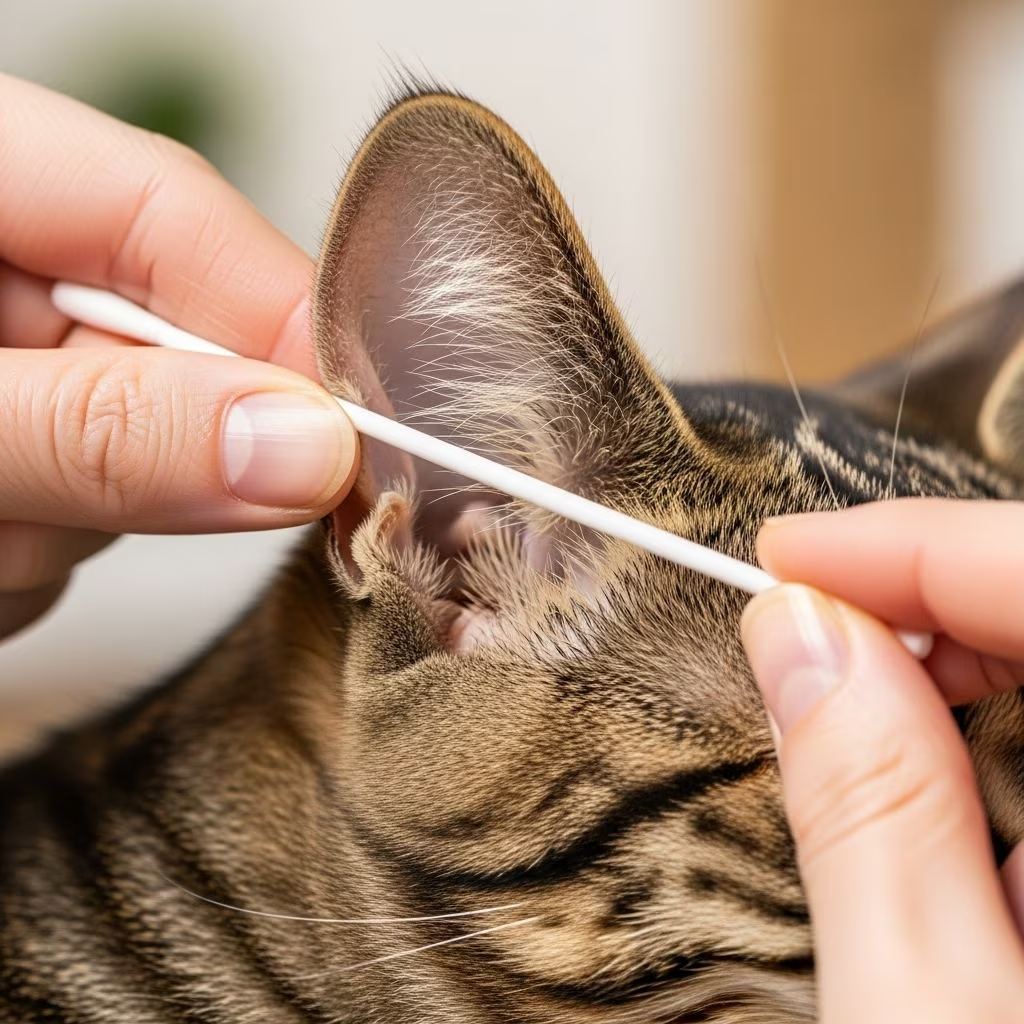
Maintaining your cat’s ear health is an important aspect of their overall wellness routine. While cats are naturally clean animals, their ears can accumulate wax, debris, and moisture that may require regular attention. Understanding how to properly clean your feline companion’s ears at home can help prevent infections and keep them comfortable. This comprehensive guide covers everything you need to know about feline ear maintenance, from preparation and supplies to detailed cleaning procedures and when professional help is necessary.
Understanding Your Cat’s Ear Structure and Why Cleaning Matters
A cat’s ear anatomy differs significantly from human ears. The feline ear canal is shaped like an L, with a vertical portion followed by a horizontal section that extends deeply toward the eardrum. This unique design means debris and wax can accumulate more easily, and moisture can become trapped inside. Regular ear inspection and cleaning help prevent the buildup of cerumen (earwax), dead skin cells, and environmental debris that can create an ideal environment for bacterial and yeast infections.
Some cats are naturally prone to ear issues due to their genetics, ear shape, or environmental factors. Cats with folded ear flaps, those living in humid climates, or animals with a history of ear infections may benefit from more frequent ear maintenance. However, most healthy cats only require occasional cleaning unless a veterinarian recommends otherwise.
Essential Supplies and Materials You’ll Need
Before beginning any ear cleaning session, gather all necessary materials to ensure a smooth and efficient process. Having everything within arm’s reach prevents interruptions that might stress your cat or disrupt the cleaning procedure.
- Veterinarian-approved ear cleansing solution – Always consult with your veterinarian before selecting a specific product, as different solutions serve different purposes and suit different feline ears
- Cotton balls or pads – These are your primary tools for applying cleaner and wiping away debris. Avoid low-quality cotton that sheds fibers
- Soft gauze or makeup remover pads – These alternatives to cotton balls work well for sensitive ears and provide better precision
- Alcohol wipes or isopropyl alcohol on cotton – Use these to sanitize the bottle tip if it accidentally touches your cat’s ear, preventing bacterial or yeast transmission
- Towels or blankets – These help create a comfortable environment and can gently restrain your cat if needed
- Treats and rewards – Positive reinforcement makes future cleaning sessions easier and helps your cat associate the experience with something pleasant
Materials to Avoid at All Costs
Certain products and tools can damage your cat’s ears or cause harm. Understanding what NOT to use is just as important as knowing what to use:
- Cotton swabs (Q-tips) – These can push debris deeper into the ear canal and potentially perforate the eardrum
- Vinegar and vinegar-based solutions – These harsh astringents can irritate delicate ear tissues
- Hydrogen peroxide – While sometimes recommended for human ears, this is inappropriate for cats and can cause damage
- Rubbing alcohol as a cleanser – Use only for sanitization purposes, never as a cleaning solution
- Water or saline without veterinary approval – Improper solutions can introduce bacteria or disrupt the ear’s natural pH balance
Preparing Your Cat for the Ear Cleaning Experience
The success of your ear cleaning session depends significantly on how well you prepare your cat both physically and emotionally. Cats respond better to calm, deliberate approaches rather than rushed or forceful handling.
Begin by washing your hands thoroughly to prevent introducing bacteria to your cat’s ears. Find a comfortable location where you can sit and hold your cat securely without straining. Many cat owners find it helpful to position themselves with the cat on their lap, facing away from their body. This gives you optimal access to both ears while providing your cat with a sense of security.
If your cat is particularly resistant to handling, gently wrap them in a soft towel, leaving only their head exposed. This gentle restraint provides cats with a calming sensation similar to swaddling and reduces their ability to suddenly jerk away during the procedure. Some people find that having a second person hold the cat while another person cleans the ears works best, as it distributes the handling and allows each person to focus on their specific task.
Before applying any cleaner, examine your cat’s ears visually and by smell. Healthy ears should appear pink without excessive redness, have minimal discharge, and should not emit any unpleasant odor. If you notice significant odor, thick colored discharge, swelling, or if your cat is scratching frequently, consult your veterinarian before proceeding with home cleaning, as these may indicate infection requiring professional treatment.
Step-by-Step Ear Cleaning Procedure
Step One: Prepare the Cleaning Solution
If you’re using a liquid ear cleaner, prepare it properly before application. Cats typically tolerate warm solutions much better than cold ones. Place the ear cleaning solution bottle in a warm water bath for approximately ten minutes before use. Be careful not to submerge the entire bottle, particularly the tip, as this can introduce contaminants. Testing the temperature on your inner wrist ensures the solution is comfortably warm, not hot, before applying it to your cat’s sensitive ear tissues.
Step Two: Position and Access the Ear
Hold your cat in your lap or have your helper hold them securely. Gently grasp the tip of one ear flap (pinna) and pull it back slightly to expose the ear opening and straighten the L-shaped ear canal. This positioning is crucial because it allows the cleaning solution to flow more effectively through the canal. Never force the ear back aggressively; gentle, steady pressure is sufficient and more comfortable for your cat.
Step Three: Apply the Cleaning Solution
Hold the cleaner bottle in your dominant hand. Position the spout at the opening of the ear canal without allowing the tip to touch your cat’s skin or inner ear. Squeeze the bottle firmly enough to fill the entire ear canal with solution. Some cleaner will likely spill out, and that’s completely normal and acceptable. The amount needed is roughly enough to completely fill the visible canal.
If the bottle tip does accidentally contact your cat’s ear, immediately sanitize it by wiping with an alcohol-moistened cotton ball before continuing. This prevents the spread of potential bacteria or yeast that could cause infection.
Some cats may become anxious when they see the bottle approaching their head. In these cases, you can saturate a cotton ball with the cleaner and gently squeeze it into the ear canal instead. This method is less visually intimidating and often causes less stress while still delivering the cleaning solution effectively.
Step Four: Massage the Ear Base
Maintain your grip on the ear flap with one hand while using your other hand to gently massage the base of the ear, just below the ear opening. Continue this massage motion for approximately thirty seconds. The massage is essential because it helps the cleaning solution penetrate throughout the horizontal section of the ear canal and break down accumulated wax, debris, and buildup. You should hear a characteristic “squishing” sound as the solution moves through the canal and loosens material.
Step Five: Allow Natural Head Shaking
After the massage phase, your cat will likely shake their head vigorously. This is a natural and beneficial response that helps expel excess cleaner and loosened debris from the lower portions of the ear canal. Resist the urge to prevent this shaking, as it’s an essential part of the cleaning process. The shaking motion helps move material from deep within the canal toward the outer ear where you can remove it.
Step Six: Remove Loosened Debris
Once your cat finishes shaking, gently pull the ear flap back again to access the inner surfaces. Use a fresh cotton pad or piece of gauze to wipe away debris, cleaner residue, and loosened wax from the inner ear flap and the upper portion of the ear canal that you can see. Repeat this wiping process, using fresh cotton pads each time, until you see no more visible debris or cleaner.
Never insert cotton into the deep ear canal or use any tool to probe beyond what you can clearly see. The delicate structures within the deeper portions of the ear are easily damaged, and you risk injuring your cat’s eardrum.
Cleaning Frequency and Maintenance Schedule
The appropriate cleaning frequency depends on your individual cat’s ear health, genetics, and environmental factors. Most healthy cats without chronic ear issues require minimal ear cleaning—perhaps just inspection every few weeks to ensure no problems are developing.
Cats with a history of earwax buildup or recurrent infections may benefit from more regular maintenance. These cats typically benefit from gentle cleaning one to two times per week using a ceruminolytic (wax-dissolving) cleaner. However, avoid over-cleaning even in these cases, as excessive cleaning can irritate the ear canal and actually create the conditions for infection rather than prevent it.
The best approach is to establish a routine ear inspection schedule. Check your cat’s ears weekly, even if you’re not cleaning them. Look for changes in appearance, excessive debris accumulation, or any signs of discomfort. This allows you to catch developing problems early and consult your veterinarian before issues become serious.
Warning Signs That Require Professional Veterinary Care
Certain ear conditions are beyond the scope of home cleaning and require professional veterinary evaluation and treatment. Contact your veterinarian if you notice any of the following signs:
- Thick, colored discharge (yellow, green, or brown) from the ear canal
- Strong or unpleasant odors coming from the ears
- Signs of pain or extreme sensitivity when the ears are touched
- Visible swelling, redness, or inflammation inside or around the ear
- Your cat excessively scratching, shaking their head, or holding their head at an unusual angle
- Crusting, scabbing, or hair loss around the ear
- Any discharge or debris that doesn’t improve with home cleaning
These symptoms often indicate bacterial or yeast infections, ear mites, allergic reactions, or other conditions requiring professional diagnosis and treatment. Your veterinarian may recommend medicated ear drops, oral medications, or other interventions depending on the specific problem.
Creating a Positive Experience for Your Cat
Making ear cleaning a pleasant experience increases the likelihood that your cat will cooperate in future sessions. Always use gentle handling and take breaks if your cat becomes stressed. Never restrain your cat so firmly that they feel trapped or panicked, as this creates negative associations with the cleaning process.
After completing the ear cleaning, reward your cat with their favorite treats and affection. This positive reinforcement helps them understand that ear cleaning results in good things, making them more willing to participate in future sessions. Over time, many cats become accustomed to the routine and tolerate it with minimal stress.
If your cat becomes extremely distressed during cleaning, stop and consult your veterinarian about alternatives. Some cats respond better to professional grooming or veterinary cleaning, and forcing a stressed cat to endure home cleaning may cause behavioral problems.
Prevention and Long-Term Ear Health
The best approach to ear health is prevention. Maintain good overall hygiene by gently wiping your cat’s ear flaps with a soft, dry cloth several times weekly. This removes surface debris before it accumulates. Keep your cat’s living environment clean and dry, as excess humidity can promote ear problems.
If your cat spends time in water or experiences moisture in their ears from other sources, dry the ears thoroughly afterward. Be particularly diligent about this if your cat gets caught in rain or goes swimming, as excess moisture can lead to infection.
Regular veterinary checkups should include ear examination. Your veterinarian can identify early signs of problems and provide professional cleaning if needed. They can also recommend specific preventative measures tailored to your cat’s individual needs and risk factors.
References
- How to Clean Your Cat’s Ears Using the Calm & Cozy Cat Wrap — Calm Cozy Cat. 2024. https://calmcozycat.com/blogs/tutorials/how-to-clean-your-cats-ears-using-the-calm-cozy-cat-wrap
- How to Clean Cat Ears: A Step-by-Step Guide — Hill’s Pet US. 2024. https://www.hillspet.com/cat-care/routine-care/how-to-clean-cats-ears
- How To Clean Your Cat’s Ears: Complete Guide — Mooresville Animal Hospital. 2024-05-15. https://www.mooresvilleanimalhospital.com/site/blog/2024/05/15/how-clean-cats-ears
- Instructions for Ear Cleaning in Cats — VCA Animal Hospitals. 2024. https://vcahospitals.com/know-your-pet/instructions-for-ear-cleaning-in-cats
- How to Clean Your Cat’s Ear at Home (6 Step Tutorial) — The Cat Butler. 2024. https://www.youtube.com/watch?v=21aKN-tcKrc



