

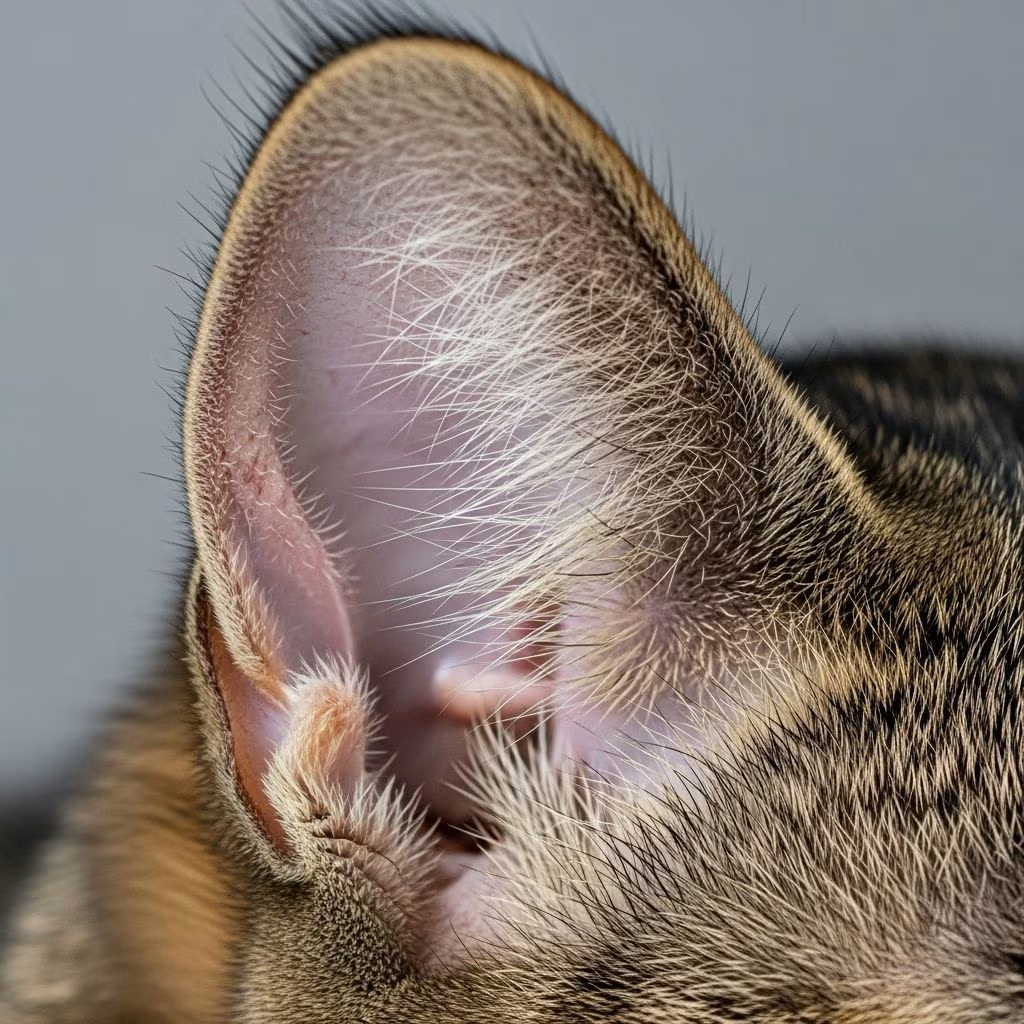
A cat’s ears are delicate structures that require proper care and attention to maintain optimal health. When problems develop in these sensitive areas, they can cause significant discomfort and lead to serious complications if left untreated. Understanding the various conditions that affect feline ears, recognizing warning signs, and knowing when to seek veterinary care are essential components of responsible pet ownership.
Recognizing the Warning Signs
Identifying ear problems early is crucial for preventing complications and ensuring swift recovery. Cats experiencing ear issues often exhibit behavioral changes that serve as clear indicators something requires attention. These physical manifestations vary depending on the severity and type of problem, but they typically involve discomfort-related behaviors.
The most frequently observed sign is excessive ear scratching or pawing at the affected area. Cats may scratch so vigorously that they create wounds, leading to secondary complications. Head shaking is another common indicator, particularly when it occurs repeatedly throughout the day. Some cats develop a noticeable head tilt, maintaining their head at an angle as they attempt to alleviate discomfort.
Physical changes visible during inspection are equally important diagnostic clues:
- Discharge appearance: Secretions may range from yellowish to black in color, sometimes resembling coffee grounds in texture. The presence and consistency of discharge help veterinarians determine the underlying cause.
- Odor: A foul or particularly strong smell emanating from the ear canal indicates infection or accumulation of debris. This is not a normal condition and warrants immediate veterinary evaluation.
- Visible inflammation: The ear flap and inner ear canal may appear red, swollen, or contain waxy buildup. In some cases, ulceration or open sores develop on the affected tissues.
- Behavioral changes: Affected cats may become irritable, depressed, or resistant to having their ears touched. Some demonstrate sensitivity that wasn’t present before.
More severe cases present additional symptoms. Balance problems and disorientation can occur when infection extends beyond the outer ear. Partial or complete hearing loss represents a serious complication requiring aggressive treatment. In rare instances, facial paralysis or drooping on one side of the face may develop, indicating inner ear involvement.
Identifying Root Causes
Ear problems in cats rarely develop without an underlying cause. Understanding what triggers these conditions helps pet owners make informed decisions about treatment and prevention strategies. The causes fall into several distinct categories, each requiring different approaches.
Parasitic infections represent one of the most common culprits. Ear mites are microscopic parasites that infest the ear canal, causing intense itching and inflammation. These parasites are highly contagious between cats and spread easily in multi-cat households. Infested cats accumulate waxy debris mixed with mite feces in their ears, creating the characteristic “coffee ground” discharge.
Microbial infections occur when bacteria or yeast overgrow within the ear environment. These secondary infections often develop following parasitic infestation or due to allergic reactions that compromise the ear’s natural defenses. Yeast and bacterial infections create distinct discharge patterns and odors, though both cause similar symptoms of inflammation and discomfort.
Allergic conditions frequently trigger ear problems by causing inflammation and altering the ear’s microenvironment. Both environmental allergies (pollen, dust, mold) and food allergies can manifest as ear inflammation. The itching associated with allergies leads to scratching, which damages the ear canal and permits secondary infection.
Structural abnormalities in the ear canal increase susceptibility to problems. Cats with narrower or more horizontal ear canals experience poorer drainage, allowing fluid and debris to accumulate. This creates an ideal environment for bacterial and yeast growth.
Growths and polyps occasionally develop within or surrounding the ear canal. Inflammatory polyps arise from chronic ear inflammation and may cause recurrent or non-resolving infections. Tumors, though less common, can obstruct the canal and create secondary complications.
Understanding Different Types of Ear Inflammation
Veterinarians classify ear problems based on which anatomical structures are affected. This classification system helps determine appropriate treatment approaches and predict potential complications.
Otitis externa involves inflammation of the outer ear canal and is the most frequently encountered condition. This type responds well to topical treatments and typically resolves quickly when properly managed. Cats with otitis externa show scratching, discharge, and visible inflammation of the external canal.
Otitis media extends into the middle ear space. This progression significantly complicates treatment and increases the risk of hearing loss and balance problems. Cats with middle ear involvement may show more severe systemic symptoms including decreased appetite and lethargy.
Otitis interna represents the most serious form, involving inflammation deep within the inner ear. This condition damages sensitive structures critical for hearing and balance, potentially causing permanent functional loss. Symptoms include significant neurological signs like abnormal eye movements, facial drooping, and severe balance disturbances.
Diagnostic Approaches
Proper diagnosis requires veterinary expertise and often involves multiple assessment techniques. Veterinarians begin with a physical examination, looking for visible signs of infection, discharge type, and external inflammation. They assess the cat’s behavior and pain responses during the examination.
Microscopic examination of ear debris collected during the visit provides crucial information. Viewing the material under magnification reveals the presence of mites, bacteria, yeast cells, or inflammatory cells. This information directly influences treatment selection.
For chronic or recurrent infections, additional testing may be necessary. Culture and sensitivity testing identifies specific bacterial species and determines which antibiotics prove most effective. Imaging studies like radiographs or CT scans help evaluate structural abnormalities or identify polyps and tumors.
Treatment Strategies and Approaches
Successful treatment addresses both the immediate symptoms and the underlying cause. Treatment plans are tailored to individual cases based on diagnostic findings and disease severity.
Parasite management for ear mites involves topical antiparasitic medications applied directly to the affected ears or administered systemically. These medications kill adult mites and often prevent egg development. Since ear mites spread between cats, all household cats require treatment simultaneously.
Infection treatment depends on whether bacteria, yeast, or both are present. Many veterinarians prescribe combination medications containing antibiotics, antifungals, and anti-inflammatory agents in a single topical formulation. Some preparations require application multiple times daily, while others are designed to remain in the ear canal for extended periods, releasing medication gradually.
For severe or systemic infections, oral medications become necessary. Systemic antibiotics and antifungals treat infections that have spread beyond the external canal. Oral anti-inflammatory medications help reduce pain and swelling when topical treatments prove insufficient.
Allergy management requires identifying the specific allergen triggering ear problems. This may involve elimination diets to identify food allergies or environmental controls to reduce exposure to airborne allergens. Once identified, avoiding the allergen prevents recurrent ear inflammation.
Supportive care at home enhances professional treatment outcomes. Owners should gently clean their cat’s ears as directed by their veterinarian, removing accumulated debris and medication residue. Proper ear cleaning allows medications to penetrate effectively and prevents secondary complications.
Cold laser therapy is increasingly used to complement traditional treatments, reducing inflammation and promoting healing. This non-invasive approach shows promise for managing pain and accelerating recovery.
Surgical Interventions
When medical management fails to resolve problems or structural abnormalities are identified, surgery becomes necessary. Simple procedures include ear canal flushing to thoroughly clean accumulated debris and removal of foreign objects lodged within the canal.
For severe solar dermatitis affecting the ear tips, partial ear removal may be recommended. More complex procedures address severely damaged or narrowed ear canals that prevent proper drainage and healing. These techniques include lateral wall resection, vertical ear canal ablation, and total ear canal ablation (TECA). The appropriate surgical approach depends on the extent of damage and the specific anatomical problem.
Prevention and Long-Term Care
Preventing ear problems proves far more effective than treating them after they develop. Regular ear inspections form the foundation of preventive care. Owners should examine their cat’s ears weekly, checking for cleanliness, absence of discharge, and lack of redness or odor.[10]
Maintaining a clean ear environment discourages bacterial and yeast growth. However, over-cleaning can damage the ear canal lining and disrupt beneficial microbes. Most cats benefit from gentle cleaning only when debris visibly accumulates or as directed by a veterinarian.
Managing underlying allergies through diet modification, environmental controls, or medication prevents the inflammation that leads to secondary ear infections. Addressing allergies early prevents the cascade of complications they trigger.
In multi-cat households, rapid identification and treatment of parasites prevents transmission to other animals. Regular flea and tick prevention often includes ear mite protection, eliminating one significant source of ear problems.
When to Seek Immediate Veterinary Care
Certain situations demand prompt professional evaluation. Any visible discharge, persistent scratching lasting more than a few days, or noticeably foul odors warrant veterinary assessment. Cats showing balance problems, hearing loss, or facial drooping require emergency evaluation for potential inner ear involvement.
Chronic ear problems that recur despite treatment indicate underlying issues requiring more thorough investigation. Rather than treating symptoms repeatedly, addressing the root cause prevents ongoing distress and permanent damage.
Common Questions About Feline Ear Problems
- How long does ear infection treatment typically take?
- Simple outer ear infections often resolve within 2-4 weeks with appropriate treatment. More complex cases or infections extending into the middle ear may require 6-8 weeks or longer. Chronic conditions sometimes need long-term management extending for months.
- Can ear problems in cats cause permanent damage?
- Yes, untreated or severe infections can cause permanent hearing loss and balance problems. Inner ear involvement poses the greatest risk for permanent damage. Early treatment significantly improves the likelihood of full recovery without lasting effects.
- Are certain cat breeds more prone to ear problems?
- Cats with folded ears or structural variations affecting the ear canal may experience increased susceptibility to infections. However, any cat can develop ear problems regardless of breed.
- Can I treat my cat’s ear infection at home?
- Home treatment should only occur under veterinary supervision using prescribed medications. Self-treatment without proper diagnosis may delay recovery and allow serious complications to develop.
Conclusion
Maintaining healthy feline ears requires vigilance, prompt attention to warning signs, and commitment to preventive measures. By understanding the signs, causes, and treatment options available, cat owners can ensure their pets receive appropriate care quickly. Regular monitoring combined with professional veterinary guidance prevents most serious ear problems and preserves your cat’s quality of life and sensory function.
References
- Cat Ear Infections — PetMD. Updated 2024. https://www.petmd.com/cat/conditions/ears/cat-ear-infections
- How Can I Tell If My Cat Has an Ear Infection? — Carolina Veterinary Medical Association. 2023. https://www.huntersville.carolinavet.com/site/huntersville-veterinary-blog/2023/06/30/symptoms-cat-ear-infection
- The Most Common Ear Problems Cats Can Have — Veterinary Dermatology Clinic. https://www.vetdermclinic.com/the-most-common-ear-problems-cats-can-have/
- Feline Ear Issues — Veterinarian in Harrisonburg, Virginia. https://www.hahpets.com/articles/415646-feline-ear-issues
- 8 Common Ear Problems in Cats — PetMD. https://www.petmd.com/cat/slideshows/8-common-ear-problems-cats
- Ear Problems in Cats — PDSA. https://www.pdsa.org.uk/pet-help-and-advice/pet-health-hub/symptoms/ear-problems-in-cats
- Feline Ear Disorders — Cornell Feline Health Center, Cornell University College of Veterinary Medicine. https://www.vet.cornell.edu/departments-centers-and-institutes/cornell-feline-health-center/health-information/feline-health-topics/feline-ear-disorders



