

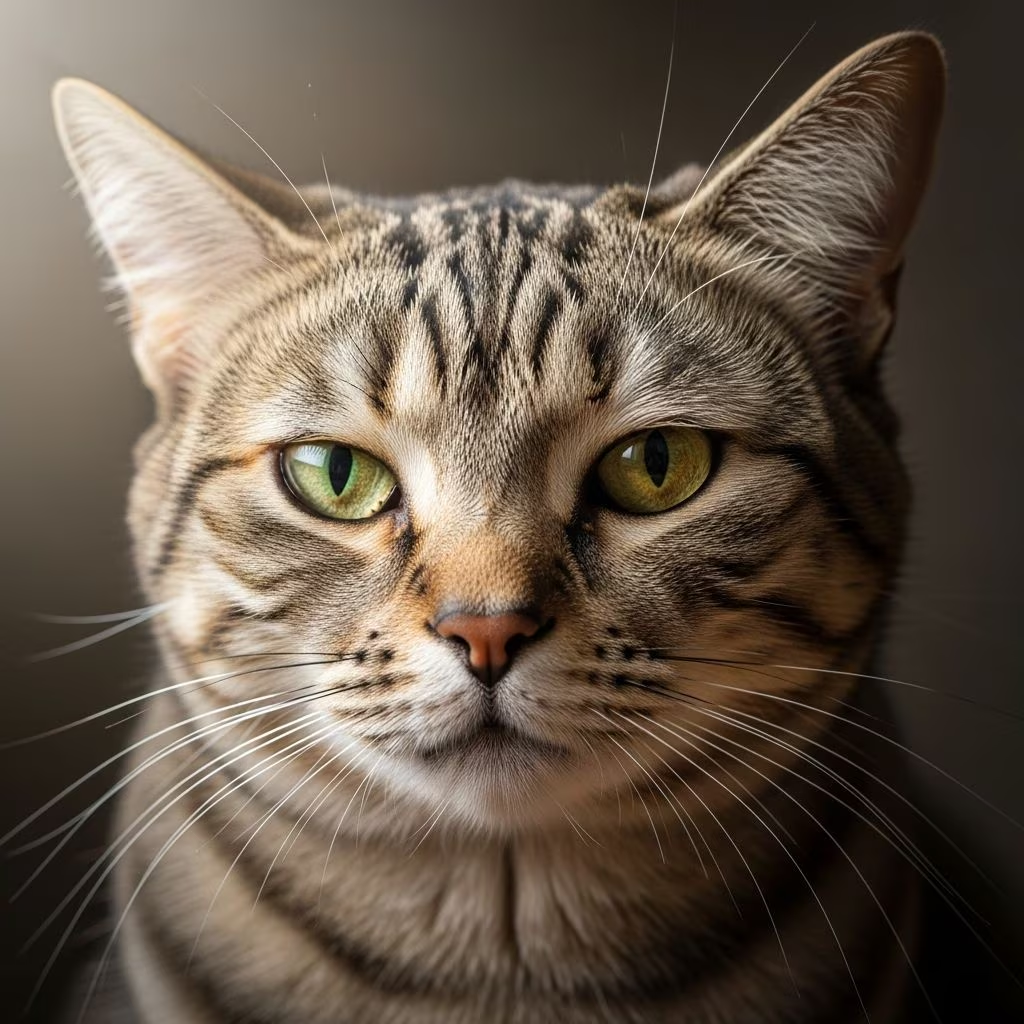
Cats are notorious for concealing discomfort and illness, often displaying symptoms only when conditions have progressed significantly. Unlike their canine counterparts, felines possess an instinctive tendency to mask vulnerability, making it challenging for owners to recognize when their pets require medical intervention. Understanding the nuanced indicators of feline distress becomes essential for maintaining your cat’s health and potentially preventing life-threatening complications. This guide explores the multifaceted warning signals that suggest your cat may be experiencing health challenges requiring professional veterinary assessment.
Appetite and Consumption Pattern Abnormalities
One of the most reliable indicators of feline health issues involves noticeable changes in eating and drinking behaviors. Cats typically maintain consistent feeding schedules, and deviations from their normal patterns warrant investigation. A sudden decrease in food intake may signal oral pain from dental disease, gastrointestinal distress, or systemic illness affecting appetite regulation. Conversely, increased consumption could indicate metabolic conditions such as diabetes or hyperthyroidism.
Weight fluctuations accompanying appetite changes deserve particular attention. Unexplained weight loss, even when accompanied by normal or increased eating, frequently indicates underlying diseases including cancer, hyperthyroidism, or chronic kidney conditions. Weight gain, though less common, may reflect metabolic imbalances or dietary adjustments. Monitoring your cat’s body condition alongside consumption patterns provides valuable diagnostic information for veterinary professionals.
Dehydration concerns often accompany eating habit changes. Cats with insufficient water intake exhibit dry gums, sunken eyes, and lethargy. These symptoms require prompt veterinary evaluation, as dehydration can rapidly escalate to serious complications in feline patients.
Energy Level and Behavioral Disposition Shifts
Dramatic changes in activity levels represent significant red flags for feline health problems. Excessive sleeping or unusual lethargy, particularly when accompanied by reluctance to engage in typical activities, suggests underlying medical conditions. Cats naturally spend considerable time resting; however, an abrupt increase in sleep duration combined with disinterest in normal behaviors indicates potential illness.
Withdrawal from social interaction and human contact differs markedly from a cat’s typical independent nature when illness develops. Cats experiencing pain or systemic disease often retreat to isolated locations, seeking quiet environments away from family members. This self-isolation response stems from instinctive protective mechanisms rather than behavioral preference.
Conversely, some cats display increased clinginess or unusual vocalization patterns when experiencing distress. Behavioral reversals—such as suddenly demanding attention from previously aloof cats—warrant veterinary consultation. These personality shifts often coincide with pain responses or anxiety related to physical discomfort.
Litter Box Dysfunction and Elimination Changes
Bathroom habits provide exceptional diagnostic opportunities, as cats typically maintain predictable elimination patterns. Changes in litter box usage constitute primary warning indicators requiring immediate attention. Inappropriate urination outside the designated box frequently signals urinary tract infections, bladder stones, or other genitourinary complications.
Constipation and diarrhea represent opposite ends of the gastrointestinal dysfunction spectrum, each indicating different underlying problems. Prolonged constipation can progress to life-threatening megacolon or intestinal blockages if left untreated. Small, hard, dry stools appearing abnormal in the litter box often represent early kidney disease manifestations. Diarrhea, particularly when persistent beyond one day, may indicate parasitic infections, food intolerances, or serious internal pathology.
Excessive urine volumes in the litter box signal potential kidney disease, liver problems, or diabetes mellitus. Straining during elimination, accompanied by vocalization, represents another critical warning sign requiring veterinary evaluation. Blood in urine or fecal matter constitutes a medical emergency demanding immediate professional assessment.
Gastrointestinal Distress Manifestations
Vomiting and diarrhea appear frequently in feline health complaints, though distinguishing normal from pathological presentations proves crucial. While occasional hairball-related vomiting represents normal feline physiology, frequent vomiting episodes suggest serious underlying conditions. Cats experiencing repeated gastrointestinal upset require veterinary investigation to rule out parasitic infections, food sensitivities, or internal disease.
Blood presence in vomit or stool constitutes a red flag demanding immediate attention. These symptoms may indicate gastrointestinal bleeding, parasitic infestations, or other serious pathology. Prolonged gastrointestinal dysfunction leads to dehydration and electrolyte imbalances, potentially creating life-threatening situations.
Respiratory Function and Breathing Pattern Alterations
Healthy cats maintain quiet, unobstructed breathing patterns. Any deviation from normal respiration warrants prompt veterinary consultation. Open-mouth breathing or panting constitutes abnormal presentation in felines and may indicate respiratory infections, asthma, heart disease, or airway obstruction. These symptoms require immediate medical evaluation, as respiratory distress can rapidly deteriorate.
Wheezing, coughing, or rapid breathing at rest never represent normal feline physiology. These symptoms suggest infectious respiratory disease, chronic asthma, cardiac complications, or foreign body aspiration. Noisy or labored breathing, distinct from normal feline respiration, demands urgent veterinary attention.
Coat Quality and Dermatological Indicators
A cat’s coat condition reflects overall health status, serving as an external indicator of internal wellness. Healthy felines maintain clean, glossy fur with minimal shedding variation. Greasy, matted, or visibly unkempt coat appearance, particularly in previously fastidious cats, suggests potential health complications. Cats experiencing illness or pain often neglect grooming behaviors, allowing coat quality deterioration.
Bald patches, excessive shedding, or unexplained hair loss warrant veterinary assessment. These manifestations may indicate allergic reactions, parasitic infestations, skin infections, or stress-related alopecia. Non-healing sores or wounds on the skin surface require professional evaluation, as delayed healing often reflects underlying systemic disease.
Oral Health and Facial Indicators
Dental disease represents one of the most prevalent yet frequently overlooked feline health conditions. Bad breath extending beyond typical “tuna funk” may indicate oral pathology, tooth decay, or systemic infection. Swollen gums, difficulty eating, or drooling suggest dental complications requiring veterinary intervention. Untreated dental disease can progress to tooth loss and serious infections affecting vital organs.
Facial appearance changes deserve attention, as they often reflect internal health status. Droopy eyelids, abnormal eye discharges (green, yellow, or white), excessive squinting, or dilated/constricted pupils may indicate systemic illness or localized ocular disease. Elevated third eyelids—the membrane located beneath the lower eyelid—frequently appear in sick cats and warrant professional assessment. Any eye abnormality risks blindness progression if not addressed promptly.
Nasal health changes include dry or cracked nasal surfaces, discharge, bleeding, or excessive sneezing. Ear abnormalities such as excessive scratching, head shaking, discharge, odor, or visible redness also suggest medical concerns requiring evaluation.
Movement and Musculoskeletal Function Changes
Limping, stiffness, or reluctance to jump represent common indicators of pain or musculoskeletal dysfunction. Arthritis, a prevalent condition in aging cats, causes pain, stiffness, and decreased mobility. Cats experiencing joint discomfort often alter their gait or posture to compensate, displaying hunched backs or reduced agility.
Difficulty jumping from elevated surfaces or ascending stairs, particularly in previously active cats, frequently indicates pain-related movement restriction. Back leg weakness represents another concerning symptom requiring veterinary evaluation. These movement changes may stem from arthritis, spinal disease, or neurological conditions affecting motor function.
Behavioral and Temperament Modifications
Sudden personality changes often precede or accompany physical symptoms in ill cats. Increased aggression, unprovoked hissing, or swatting at familiar people may represent pain responses or fear-based reactions. Cats frequently lash out when touched near painful areas or when feeling vulnerable due to illness.
Vocalization pattern changes—whether increased meowing, nighttime howling, or unusual sounds during routine activities—may indicate distress communication. Some cats become abnormally silent when experiencing illness, representing the opposite behavioral extreme. Disorientation, confusion, or unusual behavior such as staring at walls warrant immediate veterinary consultation.
Hydration Status and Fluid Intake Variations
Excessive thirst or increased urination patterns frequently signal metabolic disturbances. Cats naturally consume modest water quantities; dramatic increases in drinking behavior may indicate diabetes, kidney disease, or hyperthyroidism. An excessively wet litter box from increased urine production represents a corresponding warning sign.
When to Seek Emergency Veterinary Care
Certain symptoms demand immediate emergency veterinary attention rather than routine appointment scheduling. Sudden collapse constitutes a medical emergency requiring urgent intervention. Difficulty breathing, urinating, or defecating necessitates prompt professional assessment. Bleeding or discharge from any body orifice, loss of consciousness, or uncontrollable vomiting represent emergency situations.
Any combination of symptoms warrants conservative veterinary consultation, as multiple warning signs often indicate serious underlying conditions. Trust your instincts regarding your cat’s health; subtle changes you notice often prove significant to veterinary professionals conducting thorough examinations.
Monitoring and Documentation Strategies
Maintaining detailed records of observed symptoms assists veterinary professionals in diagnosis and treatment planning. Document symptom onset timing, duration, frequency, and any apparent triggers or patterns. Photograph visible changes for veterinary reference. Note behavioral modifications, appetite/water intake changes, and litter box variations. This comprehensive information accelerates diagnostic processes and improves treatment outcomes.
Preventive Health Monitoring
Regular veterinary examinations, particularly for senior cats, enable early disease detection before symptoms become obvious to owners. Senior cats benefit from biannual wellness visits rather than annual appointments alone. Discussing any behavioral or physical observations with your veterinarian ensures appropriate follow-up and monitoring recommendations.
Frequently Asked Questions
How quickly should I contact my veterinarian about warning signs?
Contact your veterinarian immediately for symptoms such as difficulty breathing, inability to urinate, uncontrollable vomiting, sudden collapse, or blood in urine/stool. For other concerning symptoms, schedule appointments within 24-48 hours rather than delaying evaluation.
Can stress cause similar symptoms to illness?
While stress can trigger behavioral changes and appetite disruption, persistent symptoms warrant veterinary evaluation to rule out underlying medical conditions. Never assume behavioral changes reflect stress without professional assessment.
At what age should cats receive more frequent health monitoring?
Senior cats (age 7+) benefit from biannual wellness visits and blood work screening. Cats with chronic conditions require monitoring schedules tailored to their specific needs.
What signs indicate my cat may be experiencing pain?
Pain indicators include altered gait, reluctance to jump, aggression, excessive vocalization or unusual silence, behavioral withdrawal, and body posture changes such as hunched backs.
References
- Town and Country Veterinary Services — Town and Country Veterinary Services. 2025-06-11. https://towncountryvet.com/2025/06/11/signs-of-sickness-in-cats-hastings-mn/
- Common Cat & Dog Disease Warning Signs — Morris Animal Foundation. https://www.morrisanimalfoundation.org/article/common-cat-dog-health-warning-signs
- Warning Signs Your Cat Needs to Go to the Vet — VetRadar. https://www.vetradar.com/blog/warning-signs-your-cat-needs-to-go-to-the-vet-common-symptoms-to-look-out-for
- Warning Signs That Your Cat Is Crying for Help — Fetch Vets. https://fetchvets.com/blog/cat-warning-signs/
- Recognizing the Signs of Illness in Cats — VCA Animal Hospitals. https://vcahospitals.com/know-your-pet/recognizing-signs-of-illness-in-cats
- Serious Cat Health Problems: Early Warning Signs Pet Owners Must Know — Rivers Edge Veterinary Hospital. https://www.riversedge.vet/serious-health-issues-in-cats/



