
Feline Distemper in Cats: Symptoms, Treatment & Prevention
Understanding feline distemper: A comprehensive guide to this life-threatening viral disease in cats.
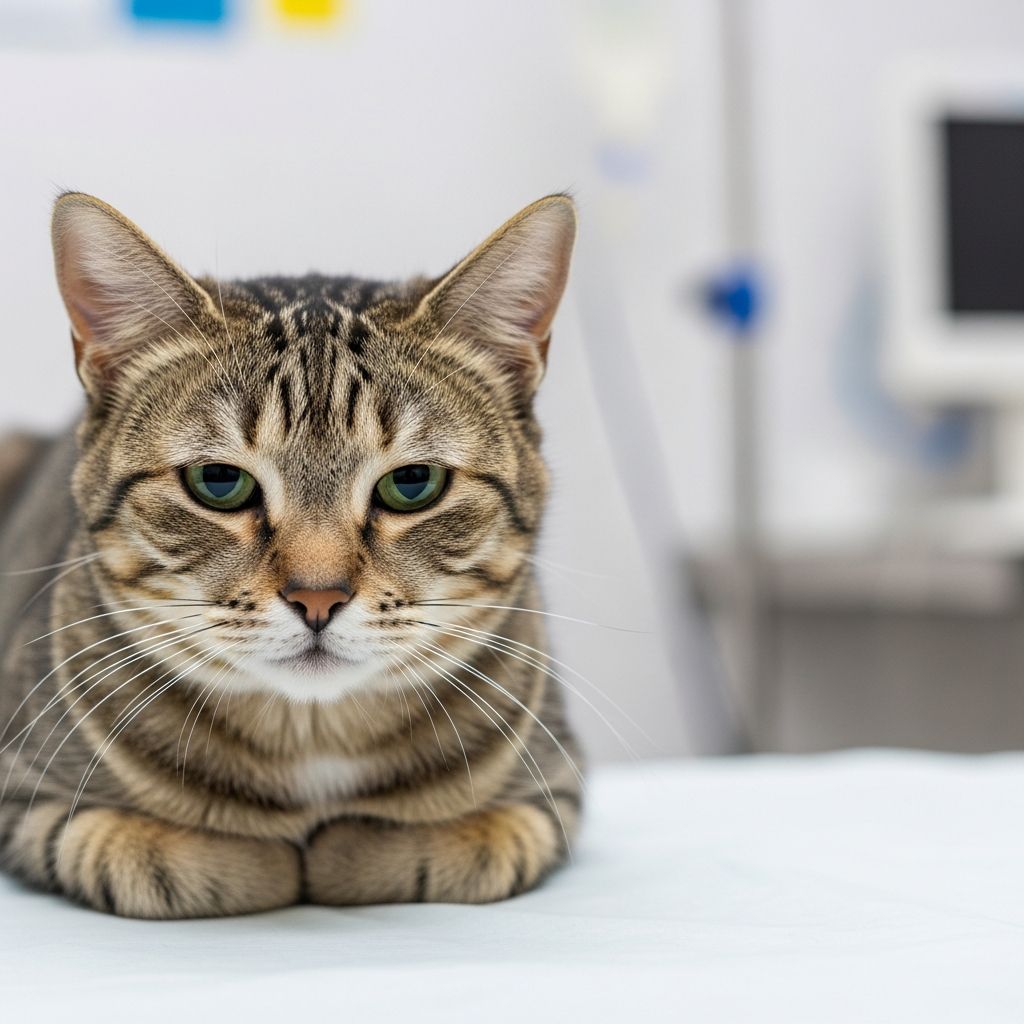
Understanding Feline Distemper in Cats
Feline panleukopenia virus, commonly referred to as feline distemper, is a highly contagious and potentially life-threatening infectious disease that affects cats of all ages and breeds. This viral infection represents one of the most serious health threats in the unvaccinated cat population, particularly affecting young kittens and cats with compromised immune systems. Understanding this disease, recognizing its symptoms, and implementing preventive measures are crucial steps in protecting your feline companion from this devastating condition.
What Is Feline Distemper?
Feline distemper, scientifically known as feline panleukopenia virus (FPV), is a highly contagious viral disease that can be rapidly fatal if not properly diagnosed and treated. The virus is closely related to canine parvovirus, though it does not affect dogs or other species in the same way it impacts cats. Despite the name “feline distemper,” this condition does not affect a cat’s temperament or behavior; rather, it targets the cat’s gastrointestinal and immune systems.
The virus is considered one of the deadliest infectious diseases in unvaccinated cat populations. It enters a cat’s body through the nose or mouth, with the severity of infection depending largely on a cat’s immune system and the number of viral particles that penetrate the body. Kittens, pregnant cats, and felines with compromised immune systems are at the highest risk of developing severe symptoms.
Symptoms of Feline Distemper in Cats
The manifestations of feline distemper can range from mild to severe, and symptoms may develop rapidly. Recognizing these warning signs is essential for seeking immediate veterinary care.
Common gastrointestinal symptoms include:
– Vomiting- Diarrhea- Loss of appetite (anorexia)- Abdominal pain when touched or visible abdominal distention- Depression and lethargy- Fever- Weakness- Rough or unkempt hair coat
Severe symptoms may include:
– Collapse (in critical cases)- Bruising of the skin or gums- Intention tremors in kittens- Wide-based stance and lack of coordination- Frequent falling or stumbling
In some cases, the virus can cause early fetal death in pregnant cats or central nervous system complications. Notably, some older cats may develop a subclinical infection with minimal visible symptoms while still experiencing a rapid recovery, whereas young unvaccinated kittens between three and five months of age are most severely affected. Some kittens can deteriorate so rapidly that they may die within 24 hours of the onset of clinical signs.
How Cats Contract Feline Distemper
Understanding transmission routes is vital for preventing infection in your household. Cats become infected with feline distemper through several pathways. Kittens may contract the virus in utero if their mother becomes infected while pregnant. Additionally, nursing kittens can acquire the infection through their mother’s breast milk during feeding.
Environmental exposure is another significant transmission route. An infected cat sheds viral particles into the environment through feces, urine, saliva, and vomit. The virus is remarkably stable in the environment and can persist on fomites (contaminated objects and surfaces). Infection occurs when at-risk cats come into direct contact with these viral particles or contaminated materials. An infected cat typically sheds the virus for only a day or two, though the virus itself can remain viable in the environment for extended periods, making even indirect contact a risk factor.
The incubation period for feline panleukopenia is generally less than 14 days, with cats potentially shedding infectious virus for two to three days before clinical signs become apparent. This means an infected cat can spread the disease before symptoms are even noticed, making prevention through vaccination particularly important.
Treatment Options for Feline Distemper
Unfortunately, there is no specific antiviral treatment for feline distemper. However, supportive care and symptomatic treatment can significantly improve a cat’s chances of survival if it contracts this disease. Treatment focuses on managing symptoms and preventing complications while the cat’s immune system fights the infection.
Supportive Care Measures
Fluid therapy and hydration: Dehydration is a critical concern with feline distemper, and intensive intravenous (IV) fluid therapy is typically administered to restore proper hydration and electrolyte balance. This is often one of the most important components of treatment.
Medication management: Symptoms like vomiting and diarrhea are managed with prescription medications, including antiemetic drugs that control nausea and vomiting. Prescription anti-diarrheal agents may also be utilized.
Infection prevention: Antibiotic therapy is frequently instituted to help control secondary bacterial infections that commonly develop due to the virus’s effect on white blood cell counts. Injectable broad-spectrum antibiotics are often administered to prevent opportunistic infections.
Blood and plasma support: Severe cases may require IV plasma or blood transfusions to maintain proper blood pressure, restore blood loss, and provide essential proteins and clotting factors.
Coagulation support: If a cat has abnormalities in their ability to clot blood, anticoagulant therapies such as Plavix may be used to prevent complications.
Nutritional support: Cats with feline distemper require careful monitoring regarding food and water intake. While oral intake may be restricted if severe vomiting persists, feeding should be continued as long as possible and restarted as soon as feasible. A highly digestible diet is preferred during recovery, though any diet is better than no food intake.
Nursing care: Maintaining proper body temperature and ensuring adequate nutrition are critical aspects of nursing care for affected cats.
Post-Acute Recovery Support
Following the acute phase of the disease, additional supportive measures can aid recovery. Probiotics help maintain proper digestive health while the cat recovers from distemper. Immune-boosting supplements may also be beneficial during the recovery period. Intestinal parasites are commonly found in cats with panleukopenia, particularly those from shelter backgrounds, so deworming medications are necessary during recovery.
Home care during recovery involves feeding your cat a high-quality, bland diet and gradually reintroducing their regular diet over time. Your veterinarian may recommend follow-up blood work, such as a complete blood count (CBC) or biochemistry profile, to monitor progress. If your cat survives the acute phase of the disease, the prognosis for recovery is generally good, with daily improvement expected.
Isolation Protocols
Keeping infected cats isolated from others is absolutely crucial to prevent viral spread. Unvaccinated cats should not be placed in environments frequented by a cat with suspected feline distemper. This measure protects vulnerable felines from acquiring the infection.
Prevention of Feline Distemper
Prevention through vaccination is the most effective way to protect your cat from feline distemper. The feline distemper vaccine is considered a core vaccine, meaning it is recommended for all cats regardless of lifestyle.
Vaccination Schedule for Kittens
Distemper vaccines are administered to kittens beginning as early as 6 weeks old, typically given between 6 to 9 weeks of age. The vaccine is then boostered every three to four weeks until the kitten reaches 16 weeks old. Most veterinarians administer a total of three FVRCP (feline viral rhinotracheitis, calicivirus, and panleukopenia) vaccines to avoid over-vaccination while ensuring adequate immunity.
Standard vaccination protocols recommend at least two doses given two to four weeks apart, with the final vaccination administered when the cat is 14 to 16 weeks old.
Vaccination Schedule for Adult Cats
After the initial kitten series, adult cats require booster vaccinations. Most veterinarians recommend a booster every one to three years, depending on your cat’s lifestyle and the specific vaccine protocols used by your veterinary practice. Even indoor cats require distemper vaccination because the virus is so stable in the environment that even indoor-only felines cannot always avoid encountering it. The fomite transmission route means the virus can enter your home on clothing, shoes, or other objects.
Why All Cats Need Vaccination
All cats need a distemper vaccine as kittens and then booster shots annually or as recommended by your veterinarian. This core vaccine prevents your cat from developing this potentially deadly disease. Core vaccines are required for every cat because of the widespread nature and seriousness of these diseases within the feline population. Because of the ubiquity of the virus and the serious consequences of infection, vaccination is recommended for every cat that does not have adequate immunity.
Special Considerations for Vaccination
Pregnant cats should not receive live FPV vaccines, as this can pose risks to developing kittens. However, the inactivated vaccines are safe for pregnant cats. In outbreak situations, kittens can be vaccinated beginning at 4 weeks of age for accelerated protection.
Passive immunization using anti-FPV serum may be used to protect susceptible cats, including young kittens with incomplete vaccination histories, colostrum-deprived kittens, or unvaccinated adult cats. This serum can come from cats recently recovered from FPV infection or from commercial products, such as immune serum produced in horses containing FPV antibodies, which is available in some countries as a subcutaneous injection.
Frequently Asked Questions About Feline Distemper
Q: How often do cats need distemper shots?
A: Distemper vaccines are given to kittens starting as early as 6 weeks old, usually between 6 to 9 weeks. This vaccine is then boostered every three to four weeks until they reach 16 weeks old. Most veterinarians administer a total of three FVRCP vaccines. Older cats then have a FVRCP booster every one to three years, depending on which vaccine your vet carries and your cat’s lifestyle.
Q: Do indoor cats need distemper shots?
A: Yes, all cats need a distemper vaccine as kittens and then to have it boostered annually thereafter. This core vaccine prevents your cat from developing this potentially deadly disease. Because the feline distemper virus is so stable in the environment and can be transmitted via fomites, even indoor-only cats cannot always avoid encountering it. The virus can be brought into your home on shoes, clothing, or other objects.
Q: Is feline distemper fatal?
A: Feline distemper can be fatal if not properly diagnosed and treated. The disease has a high mortality rate, particularly in unvaccinated kittens. However, if a cat survives the acute phase of the disease with appropriate supportive care, the prognosis is generally good, with daily improvement expected during recovery.
Q: Can vaccinated cats get feline distemper?
A: The feline distemper vaccine offers excellent immunity. Properly vaccinated cats have strong protection against this disease. However, vaccination protocols must be followed correctly, starting in early kittenhood and including appropriate boosters throughout the cat’s life.
Q: How quickly do symptoms of feline distemper appear?
A: The incubation period of feline panleukopenia is generally less than 14 days. Cats may shed infectious virus for two to three days before clinical signs are observed. Some kittens can deteriorate rapidly and may die within 24 hours of the onset of clinical signs.
Q: What should I do if my cat is exposed to feline distemper?
A: If your cat is exposed to feline distemper, contact your veterinarian immediately. Unvaccinated cats should be separated from the infected cat completely. Your veterinarian may recommend monitoring for symptoms and discussing vaccination or passive immunization options based on your cat’s age and health status.
References
- Feline Panleukopenia — American Veterinary Medical Association. 2024. https://www.avma.org/resources-tools/pet-owners/petcare/feline-panleukopenia
- Feline Panleukopenia – Guideline — ABCD Cats & Vets. 2024. https://www.abcdcatsvets.org/guideline-for-feline-panleukopenia/
- Feline Panleukopenia — VCA Animal Hospitals. 2024. https://vcahospitals.com/know-your-pet/feline-panleukopenia
- Feline Panleukopenia – Cat Owners — Merck Veterinary Manual. 2024. https://www.merckvetmanual.com/cat-owners/disorders-affecting-multiple-body-systems-of-cats/feline-panleukopenia
- Feline Panleukopenia — Koret Shelter Medicine Program. 2024. https://www.sheltermedicine.com/library/resources/feline-panleukopenia
Similar Articles








Read full bio of medha deb




