

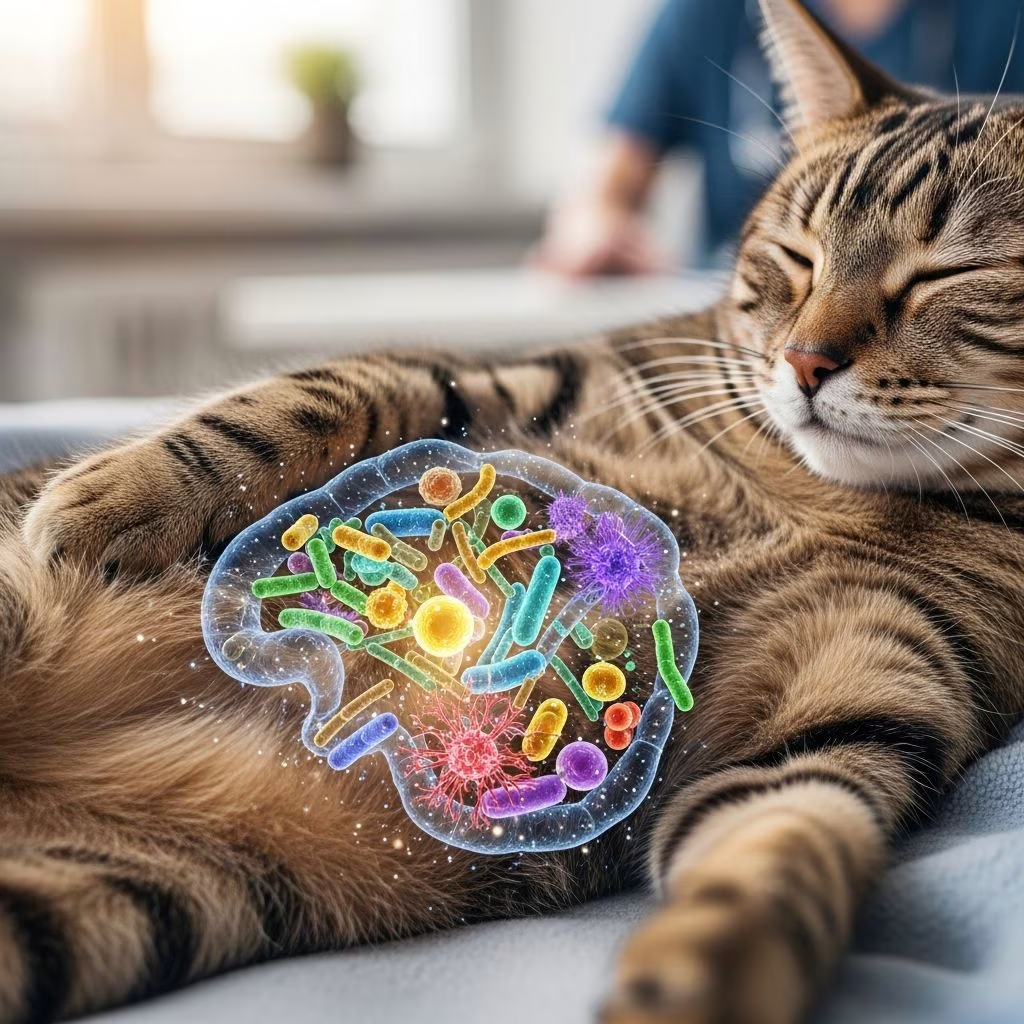
Your cat’s digestive system harbors trillions of microscopic organisms that profoundly influence everything from nutrient absorption to immune resilience. These microbial communities, collectively known as the microbiome, represent one of the most critical yet often overlooked aspects of feline health. Understanding how this invisible ecosystem functions and maintaining its delicate balance can significantly enhance your cat’s quality of life and longevity.
The Microscopic World Inside Your Cat’s Gut
The feline gastrointestinal tract is home to a complex collection of bacteria, fungi, and other microorganisms that work in concert to support vital bodily functions. This microbial community serves multiple essential roles that extend far beyond simple digestion. The microbiome acts as a sophisticated processing facility, breaking down food components that your cat’s own digestive enzymes cannot process alone, while simultaneously synthesizing nutrients and compounds that directly influence metabolic function and immune response.
These bacterial populations establish themselves throughout the digestive tract, with particular concentrations in the large intestine where they perform their most significant work. The lining of the large intestine relies heavily on the energy and compounds produced by these microbial communities, creating an interdependent relationship that has evolved over millennia. When this relationship functions optimally, your cat experiences improved nutrient utilization, better digestive efficiency, and enhanced overall physiological stability.
Critical Functions of a Balanced Microbial Ecosystem
Nutrient Processing and Energy Production
One of the microbiome’s most vital contributions involves transforming dietary components into forms that your cat’s body can readily absorb and utilize. When beneficial bacteria ferment dietary fiber, they produce short-chain fatty acids—particularly butyrate, propionate, and acetate—that serve as primary energy sources for intestinal cells. These compounds aren’t merely byproducts; they represent essential fuel that supports the integrity and function of the digestive tract itself.
Immune System Development and Support
The relationship between gut microbiota and immune function represents one of science’s most remarkable discoveries about feline health. Approximately 70 to 80 percent of your cat’s immune system resides within the gastrointestinal tract, where beneficial bacteria actively train and strengthen immune cells. A well-balanced microbiome promotes natural antibody production and helps regulate inflammatory responses, creating a protective barrier against pathogenic organisms and reducing vulnerability to infections.
Metabolic Regulation and Weight Management
The gut microbiome influences how efficiently your cat’s body processes calories and regulates metabolism. Microbial communities directly impact how dietary energy is extracted and utilized, while also producing signaling compounds that communicate metabolic needs to the brain. An imbalanced microbiome has been associated with altered metabolic efficiency and weight gain, suggesting that microbiome composition plays a measurable role in body weight regulation.
Neurological Communication
Research indicates that the microbiome produces neurotransmitters and other signaling molecules that influence mood and cognitive function. The production of serotonin and other neurochemical compounds by beneficial bacteria suggests that a balanced microbiome may contribute to your cat’s emotional well-being and behavioral balance.
When Balance Breaks Down: Recognizing Microbiome Disruption
A healthy feline microbiome maintains a delicate equilibrium between beneficial organisms and less desirable bacterial populations. When this balance deteriorates—a condition known as dysbiosis—the consequences extend throughout your cat’s body. The transition from a healthy to compromised microbiome can occur rapidly, often triggered by specific disruptions to the intestinal environment.
Common Triggers of Microbiome Imbalance
- Dietary Transitions: Abrupt changes to your cat’s food can shock the microbial ecosystem, disrupting established populations before new ones can establish themselves
- Antibiotic Administration: While necessary for treating infections, antibiotics eliminate both harmful and beneficial bacteria indiscriminately, requiring careful attention to microbiome recovery afterward
- Chronic Stress: Psychological stress alters intestinal pH and composition, creating an environment where harmful bacteria flourish while beneficial species struggle
- Nutritional Insufficiencies: Diets lacking appropriate nutrient balance cannot support optimal microbial diversity and function
- Underlying Gastrointestinal Conditions: Pre-existing digestive diseases can trigger cascading microbiome changes that compound the original problem
Health Consequences of Dysbiosis
When the microbiome becomes imbalanced, pathogenic bacteria proliferate unchecked, leading to numerous health complications. Digestive symptoms emerge first—including diarrhea, constipation, and reduced stool quality—but the effects extend beyond the gut itself. Dysbiosis contributes to inflammatory bowel disease, allergic responses, impaired nutrient absorption, compromised immune function, and even systemic inflammation that affects distant organ systems including the skin, urinary tract, and kidneys.
Nutritional Strategies for Microbiome Support
The Foundation: Balanced, Species-Appropriate Nutrition
The most direct avenue for supporting your cat’s microbiome health involves providing a nutritionally complete, well-balanced diet formulated with your cat’s specific metabolic needs in mind. Cats are obligate carnivores with distinct nutritional requirements that differ significantly from humans or other species. A diet meeting these species-specific requirements provides the nutritional foundation necessary for beneficial bacteria to thrive.
Contemporary feline nutrition research emphasizes the importance of protein source and the protein-to-carbohydrate ratio. Evidence suggests that diets featuring high-quality protein sources and appropriate carbohydrate levels promote greater microbial diversity compared to grain-heavy formulations. Some specialized cat foods incorporate specific bacterial strains or prebiotic compounds specifically designed to encourage beneficial microbial populations.
Prebiotic Compounds
Prebiotics are non-digestible food components that selectively stimulate the growth and activity of beneficial bacteria. Common prebiotic ingredients include fructooligosaccharides (FOS) and inulin, compounds that resist digestion in the small intestine and instead reach the colon where beneficial bacteria ferment them. This fermentation process generates short-chain fatty acids and creates an acidic environment hostile to pathogenic organisms while supporting beneficial species like Lactobacillus and Bifidobacterium.
The response to prebiotic supplementation varies considerably among individual cats, indicating that microbiome composition and responsiveness are highly personalized. Some cats respond dramatically to prebiotic addition with improved stool quality, lower colonic pH, and measurable increases in beneficial bacteria, while others show minimal response. This variability underscores the importance of observing your individual cat’s response to dietary modifications.
Fiber Considerations
Appropriate dietary fiber plays a crucial role in supporting both digestive health and microbial balance. Research demonstrates that fiber inclusion in feline diets improves stool quality, lowers fecal pH to create a less hospitable environment for harmful bacteria, and increases populations of beneficial organisms. The type of fiber matters significantly—studies comparing different fiber sources reveal that they produce distinct changes in microbial composition and metabolite production.
Fermented Foods and Postbiotics
Fermented foods represent a natural source of both beneficial microorganisms and postbiotics—the compounds that bacteria produce as they metabolize nutrients. These metabolic byproducts include vitamins, short-chain fatty acids, and other bioactive compounds that support intestinal health independently of the live bacteria themselves. Small amounts of plain fermented goat’s milk or unsweetened yogurt can introduce these beneficial compounds to your cat’s diet, though introduction should be gradual to allow adjustment.
Supporting Microbiome Recovery and Maintenance
Probiotic Supplementation
Probiotics are live beneficial microorganisms that can help restore microbiome balance following disruption. These supplements introduce specific bacterial strains that have demonstrated health benefits in research contexts. When selecting probiotic products for your cat, quality and strain selection matter significantly, as not all probiotic formulations provide equivalent benefits. Consultation with your veterinarian helps ensure appropriate selection for your cat’s specific circumstances.
Dietary Transition Protocols
When dietary changes become necessary, gradual transitions protect the microbiome from shock-induced dysbiosis. A transition spanning 7 to 10 days, slowly increasing the proportion of new food while decreasing the previous diet, allows microbial populations time to adjust rather than undergo sudden upheaval. Rushing this process risks triggering the very digestive problems you’re attempting to prevent.
Stress Reduction
Psychological stress directly impacts microbiome composition and stability. Environmental enrichment, consistent routines, appropriate play opportunities, and secure spaces for retreat help maintain emotional equilibrium and support microbiome stability. During periods of expected stress—such as moves, introductions of new animals, or changes in household routine—extra attention to stress management becomes particularly important.
Monitoring Your Cat’s Microbiome Health
Observable Indicators of Balance
| Health Indicator | Signs of Balance | Signs of Imbalance |
|---|---|---|
| Stool Quality | Firm, well-formed stools; appropriate color | Soft or loose stools; constipation; unusual colors |
| Digestive Comfort | Regular bowel movements; no visible distress | Straining; excessive gas; abdominal discomfort |
| Coat Condition | Shiny, healthy appearance; minimal shedding | Dull coat; dry skin; excessive scratching |
| Energy Levels | Normal activity and alertness | Lethargy; decreased engagement |
| Immune Response | Minimal infections; quick recovery from illness | Frequent infections; prolonged illness |
When to Consult Your Veterinarian
Persistent digestive upset lasting more than a few days, significant changes in stool consistency or frequency, unexplained weight changes, or chronic skin issues warrant professional evaluation. Your veterinarian can assess whether microbiome dysfunction contributes to observed symptoms and recommend targeted interventions.
Frequently Asked Questions About Feline Microbiome Health
How long does it take to restore a disrupted microbiome?
Microbiome recovery timelines vary based on the disruption’s severity and cause. Following antibiotic treatment, microbial populations may begin recovering within days, though complete restoration can require weeks to months. Dietary modifications typically show benefits within 2 to 4 weeks as new microbial populations establish and stabilize.
Can probiotics alone fix microbiome problems?
While probiotics contribute to microbiome recovery, they function most effectively within a supportive nutritional environment. Probiotics represent one component of a comprehensive approach that also includes appropriate diet, stress management, and identification of underlying triggers.
Are all cat foods equally supportive of microbiome health?
No—significant variation exists in how different foods affect microbiome composition and function. Foods specifically formulated to support digestive health and containing appropriate prebiotic compounds, quality protein sources, and beneficial fiber tend to promote greater microbial stability.
Does every cat need probiotic supplementation?
Not necessarily. Healthy cats consuming appropriate nutrition typically maintain sufficient microbiome balance without additional supplementation. Probiotics prove most valuable following disruptions like antibiotic treatment, dietary changes, or digestive upset.
Can microbiome problems cause behavioral changes?
Yes—emerging research suggests that microbiome composition influences neurotransmitter production and may affect mood and behavior. Dysbiosis has been associated with increased anxiety and behavioral changes in some animals.
Building Long-Term Microbiome Wellness
Supporting your cat’s microbiome health represents an investment in long-term wellness that pays dividends across every aspect of their physiology. By understanding the crucial role this microbial ecosystem plays in digestion, immunity, metabolism, and even neurological function, you gain the knowledge necessary to make informed decisions about nutrition, stress management, and health maintenance.
The key to successful microbiome support lies in consistency, individualized observation, and responsiveness to your specific cat’s needs. What works optimally for one cat may require adjustment for another, making careful observation of your individual cat’s responses to any modifications essential. When combined with regular veterinary care and attention to overall environmental factors, targeted microbiome support creates a foundation for vibrant, resilient feline health that extends throughout your cat’s entire lifespan.
References
- The Effects of Nutrition on the Gastrointestinal Microbiome of Cats and Dogs — National Institutes of Health/PubMed Central. 2020. https://www.ncbi.nlm.nih.gov/pmc/articles/PMC7329990/
- Gut microbiome of pets reveals insights for human health — Harvard School of Public Health. 2024. https://hsph.harvard.edu/news/gut-microbiome-of-pets-reveals-insights-for-human-health-curtis-huttenhower/
- What Exactly is the Gut Microbiome in a Cat? — Purina US. https://www.purina.com/articles/cat/health/digestion/cat-gut-health
- How to Support Your Cat’s Gut Health — Go! Solutions. https://go-solutions.com/en/how-to-support-your-cats-gut-health
- What Is Your Cat’s Gut Microbiome and Why Is It Important? — Hill’s Pet Nutrition. https://www.hillspet.co.za/cat-care/nutrition-feeding/cat-microbiome-and-gut-health



