

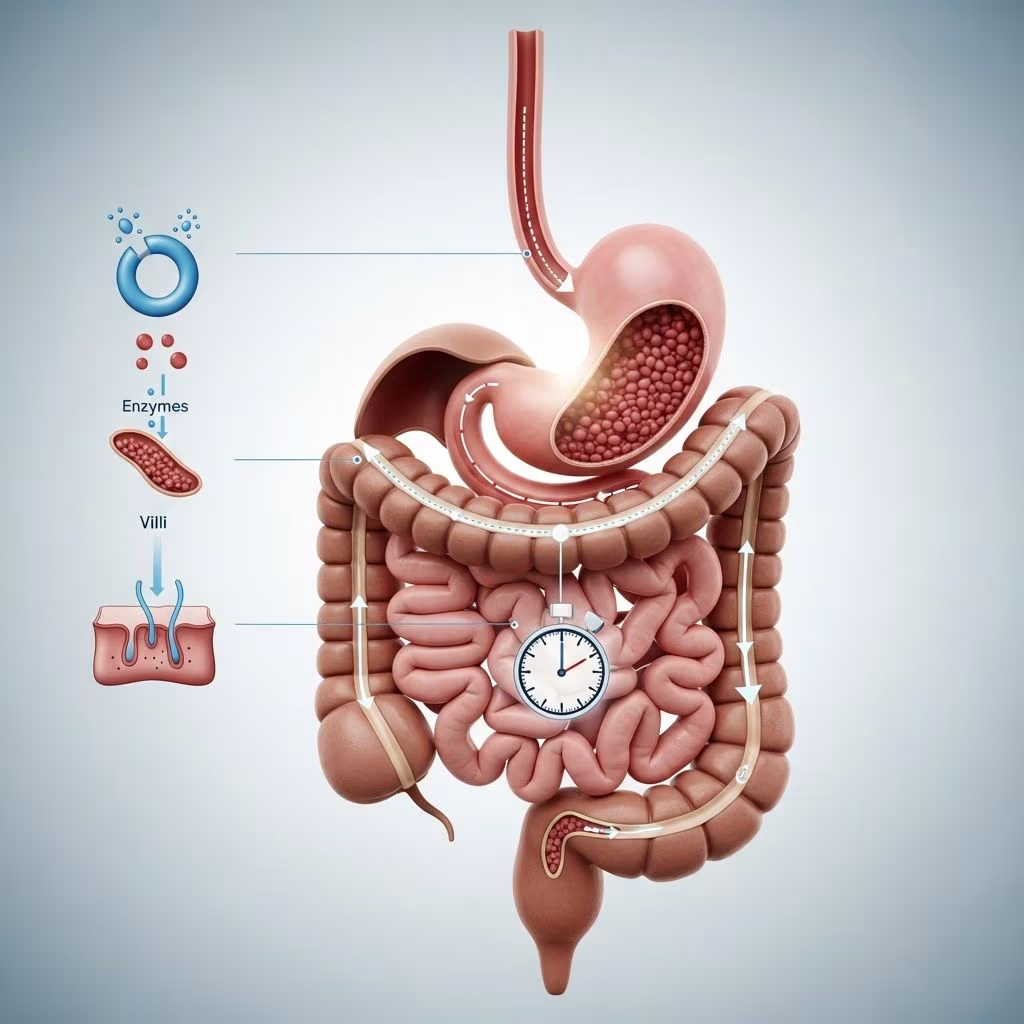
When you feed your feline companion, the food embarks on a fascinating journey through their digestive system. Unlike humans, cats have evolved as obligate carnivores with specialized digestive capabilities tailored to process meat-based diets efficiently. Understanding this digestive process helps pet owners recognize normal digestion patterns and identify potential health concerns. On average, food takes approximately one to one-and-a-half days to traverse a cat’s gastrointestinal tract, though this timeline can vary based on several factors including diet composition, overall health status, and individual metabolism.
The Initial Stage: Mastication and Oral Processing
The digestive process begins before food even enters the stomach. When your cat consumes food, their mouth and teeth serve critical mechanical functions. Unlike humans and many other mammals, cats possess limited salivary enzymes for breaking down carbohydrates. Specifically, cats lack significant amounts of salivary amylase, the enzyme responsible for initiating starch digestion in the mouth. Instead, their teeth and jaw muscles work to deconstruct larger food pieces into smaller, more manageable portions.
This mechanical breakdown is particularly important for cats eating dry kibble or larger food chunks. The teeth crush and pulverize the food, increasing surface area for subsequent enzymatic digestion in the stomach. The chewing action also mixes saliva with the food, lubricating it for easier passage down the esophagus. This preliminary processing stage, while seemingly simple, establishes the foundation for efficient nutrient extraction throughout the remaining digestive journey.
Transit Through the Esophagus: The Muscular Conveyor
Once chewed and mixed with saliva, food is swallowed and enters the esophagus—a muscular tube connecting the mouth directly to the stomach. This organ doesn’t contribute substantially to nutrient breakdown; rather, it serves as a one-directional transport mechanism. Muscular contractions called peristalsis propel the food bolus downward toward the stomach. The esophagus is lined with protective tissue that prevents damage from both the food itself and digestive secretions that might leak upward.
In cats, this transit is remarkably efficient. The relatively short esophagus means food reaches the stomach quickly, typically within seconds of being swallowed. This rapid transit reflects cats’ evolutionary adaptation as hunters, where swift food consumption and processing provided survival advantages. The esophageal sphincter, a muscular valve at the junction with the stomach, opens to allow food passage and closes to prevent backflow of gastric contents.
Stomach Digestion: Acidic Breakdown and Protein Processing
The stomach represents a critical transformation point in feline digestion. Although cats possess relatively small stomachs compared to their body size, these organs are remarkably efficient processing centers. Once food enters the stomach, it encounters a highly acidic environment created by hydrochloric acid and gastric juices containing the enzyme pepsin.
Pepsin is the primary digestive enzyme secreted in the feline stomach, and it specializes in breaking down proteins into smaller amino acid chains. This enzyme functions optimally in acidic conditions, which is precisely the environment the stomach provides. Additionally, the stomach secretes mucus that protects the stomach lining itself from the corrosive effects of acid and enzymatic activity. Without this protective mucus layer, the stomach would essentially digest itself.
The stomach employs a combination of chemical and mechanical processes. While enzymes like pepsin work chemically to disassemble protein structures, the stomach’s muscular walls contract rhythmically, physically churning the food mass. These contractions serve dual purposes: further breaking down food particles and mixing them thoroughly with gastric secretions. This process continues for several hours, gradually transforming solid food into a semi-liquid substance called chyme.
The duration of gastric digestion varies but typically requires two to four hours, depending on the meal’s composition. High-protein meals, which align with cats’ natural carnivorous diet, generally process efficiently through the stomach. However, meals high in carbohydrates or fats may require longer gastric residence time.
Small Intestine Phase: Maximum Nutrient Extraction
After adequate gastric processing, the pyloric sphincter—a muscular valve controlling stomach exit—relaxes to permit chyme entry into the small intestine. The small intestine represents where the majority of feline nutrient absorption occurs and where digestive intensity reaches its peak. This organ system comprises three segments: the duodenum, jejunum, and ileum, each contributing uniquely to the digestive process.
The duodenum, the small intestine’s initial section, receives multiple secretions facilitating digestion. The pancreas contributes numerous enzymes designed to break down proteins, carbohydrates, and fats into absorbable units. The liver produces and stores bile, which the gallbladder releases into the duodenum. Bile acts as a fat emulsifier, breaking large fat globules into smaller droplets that enzymes can process more effectively. These coordinated secretions transform partially digested chyme into a chemically processed state suitable for nutrient absorption.
Interestingly, although cats are obligate carnivores with minimal carbohydrate requirements, they do produce pancreatic amylase and possess some capacity for carbohydrate digestion. However, this capability is considerably limited compared to omnivorous species. The small intestine has relatively reduced carbohydrate-digesting enzyme activity, reflecting cats’ evolutionary specialization for protein-based nutrition. The intestinal cells themselves, called enterocytes, possess specialized transporter proteins facilitating the absorption of amino acids, monosaccharides, and fatty acids through the intestinal wall into the bloodstream.
The small intestine’s lengthy passage allows sustained contact between digested food particles and the absorptive epithelium. As chyme progresses through the jejunum and ileum, progressively more nutrients cross the intestinal barrier into the circulatory system and lymphatic system. By the time material reaches the large intestine, most readily absorbable nutrients have already been extracted.
The Large Intestine: Water Recovery and Final Processing
Material entering the large intestine (colon) has been substantially modified from its original form. At this stage, the primary function shifts from nutrient extraction to water and electrolyte reabsorption. The large intestine possesses different absorptive properties than the small intestine, specialized for drawing water back across the intestinal wall into the bloodstream. This process converts the liquid chyme into progressively more solid matter that eventually becomes feces.
The large intestine also hosts beneficial bacterial communities that perform fermentation. These microorganisms break down dietary fiber and certain carbohydrates into short-chain fatty acids, which the intestinal lining can absorb and utilize for energy. This microbial activity contributes meaningfully to cats’ energy metabolism, particularly when diets include higher fiber content. The pH environment and nutrient availability in the feline colon support distinct bacterial populations compared to those in omnivorous animals.
The residence time in the large intestine typically extends four to twelve hours, varying based on hydration status, diet composition, and individual metabolic factors. Cats with inadequate water intake often experience slower colonic transit, potentially leading to harder, drier feces and increased constipation risk.
Final Elimination: Rectum and Anus
Once the large intestine completes water reabsorption, the resulting feces accumulate in the rectum—a short segment connecting the colon to the external environment. The rectum serves as a temporary storage chamber, allowing neural signals to indicate fullness. When internal pressure reaches a threshold, defecation reflexes trigger, and the sphincter muscles controlling the anus relax, permitting fecal elimination. This final stage completes the digestive cycle.
Factors Influencing Digestion Duration
While the average feline digestive transit time spans one to one-and-a-half days, considerable individual variation exists. Several factors substantially influence how quickly food moves through the system:
- Diet Composition: High-protein meals typical of cats’ natural diet generally process faster than high-carbohydrate alternatives. Wet food typically moves through the system more quickly than dry kibble.
- Meal Size: Larger meals require extended processing time, while small, frequent meals may transit more rapidly.
- Hydration Status: Cats consuming adequate water experience more efficient colonic transit and healthier fecal consistency.
- Age and Metabolism: Younger, more metabolically active cats often process food faster than senior or sedentary cats.
- Overall Health: Digestive diseases, food sensitivities, or metabolic disorders can substantially alter transit time.
- Stress Levels: Anxiety and environmental stress can accelerate or decelerate gastrointestinal motility.
- Medication Use: Certain medications affect digestive enzyme production or intestinal muscle function.
Optimizing Feline Digestive Health
Understanding the digestive process enables pet owners to make informed decisions supporting optimal cat health. Providing species-appropriate nutrition emphasizing high-quality proteins and adequate moisture content supports normal digestion. Cats are notoriously low water drinkers, which can negatively impact digestive efficiency and fecal quality. Offering wet food or maintaining water accessibility encourages adequate hydration, promoting healthier digestion.
Dietary consistency proves equally important. Abrupt diet changes can disrupt the beneficial bacterial populations in the large intestine, potentially causing digestive upset. When transitioning between foods, gradual mixing of old and new food over seven to ten days allows digestive bacteria to adapt progressively.
Additionally, maintaining appropriate body weight and activity levels promotes healthy digestive function. Regular physical activity stimulates gastrointestinal motility, supporting normal transit time and reducing constipation risk. Obesity, conversely, often correlates with sluggish digestion and increased digestive disease prevalence.
Common Digestive Concerns in Cats
Recognizing abnormal digestive patterns allows timely veterinary intervention. Vomiting shortly after eating may indicate food passing too rapidly through the esophagus and stomach without adequate processing, or it might suggest food sensitivities or underlying gastric disease. Constipation, characterized by infrequent or difficult defecation, often results from insufficient hydration or reduced intestinal motility. Diarrhea indicates rapid transit through the large intestine or reduced water reabsorption capacity.
Changes in appetite, lethargy, or alterations in litter box habits warrant veterinary evaluation. These signs potentially indicate digestive disorders requiring professional assessment and treatment. Chronic digestive issues may reflect inflammatory bowel disease, food allergies, pancreatitis, or other metabolic conditions requiring specialized dietary management.
Frequently Asked Questions About Feline Digestion
How can I tell if my cat’s digestion is normal?
Normal feline digestion typically produces firm, well-formed stools once or twice daily. Your cat should maintain stable appetite and body weight, show no signs of vomiting or regurgitation, and display consistent energy levels. Litter box visits should occur on a predictable schedule without straining or difficulty.
Why does my cat vomit sometimes after eating?
Occasional post-meal vomiting may reflect eating too rapidly, consuming too large a quantity, or food sensitivity. Some cats benefit from slower feeding via specialized bowls or smaller, more frequent meals. However, persistent vomiting requires veterinary evaluation to rule out underlying medical conditions.
Should I feed my cat wet or dry food?
Both formats can support healthy digestion when nutritionally balanced and appropriate for your cat’s individual needs. Wet food provides additional moisture supporting hydration and may transit more quickly. Dry food requires adequate water consumption to prevent dehydration. The optimal choice depends on your individual cat’s preferences, health status, and dietary needs.
How does diet affect digestion time?
High-protein diets typical of cats’ natural preferences generally support efficient, predictable digestion. Diets higher in carbohydrates may require longer processing time due to limited feline carbohydrate-digesting enzyme capacity. Diet changes should occur gradually to allow digestive bacteria adaptation.
What signs indicate digestive problems?
Concerning signs include persistent vomiting or regurgitation, chronic diarrhea or constipation, loss of appetite, weight changes, lethargy, and painful defecation. These warrant professional veterinary evaluation to identify underlying causes and implement appropriate treatment.
Conclusion: Supporting Your Cat’s Digestive Wellness
The feline digestive system represents an evolutionary masterpiece refined through millions of years of specialization as obligate carnivores. From initial mastication through final elimination, each digestive stage serves specific functions optimizing nutrient extraction from protein-based diets. While the standard one-to-one-and-a-half-day transit time provides a useful reference point, individual variation is considerable and normal.
By understanding the digestive process, recognizing your individual cat’s normal patterns, and providing species-appropriate nutrition and hydration, you support optimal digestive health and overall wellness. Should you notice changes in your cat’s digestive patterns or concerning signs, prompt veterinary consultation ensures early identification and treatment of potential problems. This proactive approach contributes to your feline companion’s long-term health and quality of life.
References
- Your Cat’s Digestive System Explained — Pet Circle. 2024. https://www.petcircle.com.au/discover/cat-digestive-system-explained
- Cats and Carbohydrates: The Carnivore Fantasy? — National Center for Biotechnology Information (NCBI/PMC). 2018. https://www.ncbi.nlm.nih.gov/pmc/articles/PMC5753635/
- Cat Digestive System: Anatomy, Diseases, & Treatment — Cats.com. 2024. https://cats.com/cat-digestive-system
- How Long Does it Take a Cat to Digest Food? — Purina. 2024. https://www.purina.com/articles/cat/health/digestion/how-long-does-it-take-cat-to-digest-food
- Understanding Your Cat’s Digestive System — RAWZ Natural Pet Food. 2024. https://rawznaturalpetfood.com/cat-digestive-system/



