

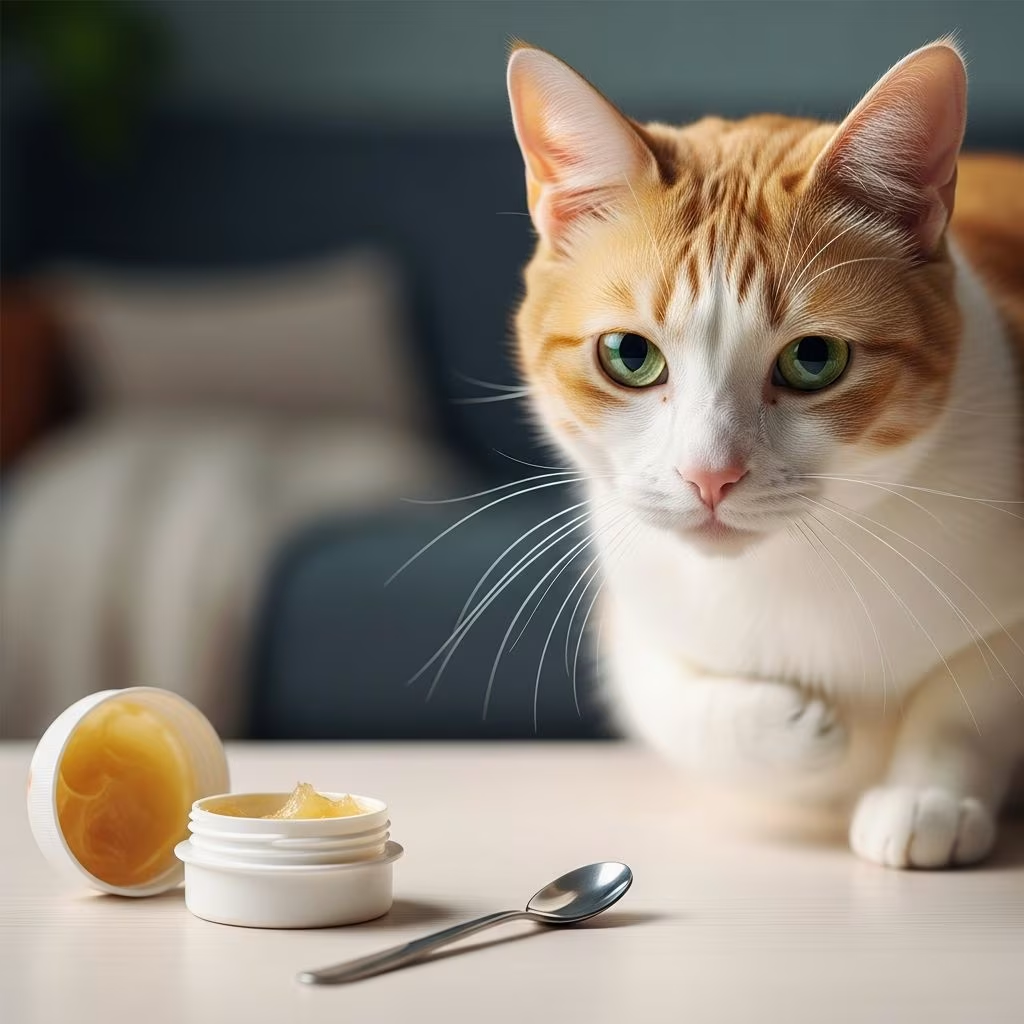
Digestive discomfort affects many felines, and constipation represents one of the most common gastrointestinal challenges pet owners face. When your cat experiences difficulty with bowel movements or reduced regularity, laxative products can provide relief. However, not all laxatives work equally for every cat, and understanding the different options available helps ensure you select the most appropriate solution for your pet’s specific needs.
Why Cats Develop Constipation
Before exploring laxative solutions, it helps to understand why constipation develops in felines. Cats naturally consume less water than their canine counterparts, making them predisposed to dehydration-related digestive issues. Indoor cats often experience reduced activity levels compared to their outdoor counterparts, which can slow intestinal motility. Additionally, hairballs—a nearly universal feline issue—can obstruct normal bowel function, particularly in long-haired breeds.
Senior cats frequently encounter constipation as their digestive systems become less efficient with age. Certain medical conditions, including diabetes and kidney disease, can significantly impact bowel regularity. Environmental factors such as litter box cleanliness, stress, or dietary changes may also contribute to reduced bathroom frequency and consistency issues.
Categories of Feline Laxative Products
Veterinary science recognizes several distinct categories of laxatives, each operating through different mechanisms within the digestive tract. Understanding these categories helps distinguish which products suit your cat’s particular situation.
Stool-Softening Solutions
Stool softeners work by attracting moisture into the fecal mass, making bowel movements more comfortable and easier to pass. These gentle products typically take longer to produce results compared to more aggressive laxative types, making them ideal for mild constipation or ongoing preventative management. Docusate sodium represents the most commonly recommended stool-softening ingredient in veterinary practice. These products cause minimal digestive disruption and rarely produce uncomfortable side effects, though patience is required as they work gradually. Stool softeners work particularly well for cats with hard, dry stools caused by dehydration or inadequate fiber intake.
Osmotic and Hyperosmotic Laxatives
Osmotic laxatives function by drawing additional water into the colon, which softens stool and stimulates natural bowel movements through increased intestinal volume. Polyethylene glycol, commonly known as Miralax, has become increasingly popular in feline veterinary practice because it mixes easily into food and causes minimal side effects. Research demonstrates that polyethylene glycol products prove superior to traditional alternatives for many feline patients. Unlike fiber-based products, polyethylene glycol does not produce uncomfortable bloating or gas accumulation.
Lactulose represents another osmotic option that works similarly by pulling water into the intestinal tract. This syrupy liquid ferments in the large intestine, producing organic acids that stimulate bowel movements. Many cats accept lactulose mixed into wet food, though the sticky consistency can make administration challenging for some owners. Starting with conservative doses and gradually increasing ensures your cat achieves optimal results without overdoing treatment.
Lubricant-Based Products
Lubricant laxatives coat the fecal material with a water-repellent film, facilitating easier passage through the digestive tract. These products prove particularly beneficial for cats experiencing hairball-related constipation, as they help move hair and stool together more comfortably. Petroleum-based hairball remedies specifically formulated for felines represent the safest lubricant options, as they have undergone testing for feline safety and appropriate dosing.
Important restrictions apply to lubricant use: extended or chronic use can interfere with fat-soluble vitamin absorption and potentially lead to inflammatory intestinal conditions. Veterinary approval is essential before using any lubricant product, and duration should be limited to short-term relief only. Never rely on lubricants for ongoing constipation management without professional guidance.
Bulk-Forming and Fiber Supplements
Fiber-based laxatives add volume and moisture to stool, promoting natural bowel movements through increased intestinal content. Psyllium-based products represent the most common fiber supplements used for feline patients. These products work gradually and suit cats with chronic mild constipation or those requiring ongoing digestive support. However, fiber supplements may not resolve acute constipation quickly enough, and some cats resist the altered food texture when fiber is added.
Adequate water intake becomes essential when using fiber supplements, as insufficient hydration can actually worsen constipation rather than improve it. Adding moisture-rich canned food to your cat’s diet often works synergistically with fiber supplements to enhance their effectiveness.
Stimulant Cathartics
Stimulant laxatives trigger intestinal muscle contractions, forcefully moving stool through the digestive tract. Products containing bisacodyl work quickly and effectively but require careful veterinary supervision. These medications can create dependency with extended use, meaning your cat’s intestines may become reliant on stimulation rather than functioning naturally. Reserve stimulant laxatives for specific situations under direct veterinary guidance rather than as routine constipation management.
Dosage Considerations and Safe Administration
Proper dosing depends on multiple individual factors specific to your cat. Never assume that dosages recommended for other pets apply equally to felines—cats have unique metabolic requirements and body composition that demand species-specific calculations.
Factors Influencing Appropriate Dosage
- Body weight: Larger cats generally require higher doses, though the relationship isn’t always proportional. Your veterinarian calculates dosages specifically for your cat’s exact weight.
- Age considerations: Kittens and senior cats possess more sensitive digestive systems requiring adjusted dosages to prevent adverse reactions or complications.
- Underlying medical conditions: Cats with kidney disease, diabetes, or other chronic illnesses often need specialized dosing protocols that account for altered medication metabolism.
- Constipation severity: Mild cases respond to lower doses, while severe impaction may require more intensive treatment approaches or combination therapy under veterinary supervision.
Common Dosage Guidelines
| Product | Typical Feline Dosage | Frequency |
|---|---|---|
| Polyethylene Glycol (Miralax) | 1/8 to 1/4 teaspoon per 5-10 lbs body weight | Once or twice daily |
| Lactulose | 0.5 mL per pound of body weight; typically 1-5 mL per cat | 2-3 times daily |
| Petroleum Jelly | 1/2 to 1 teaspoon | 1-2 times daily, maximum 3-5 days |
| Docusate Sodium | 50 mg capsule per cat | Once daily |
| Bisacodyl | 2.5-5 mg per cat | Every 12-24 hours as needed |
| Psyllium | 1-4 teaspoons mixed with food | Every 12-24 hours |
Safe Medication Administration Methods
Getting your cat to accept laxative medication can present challenges. Two primary approaches help ensure successful administration:
Food incorporation: Mixing flavorless powders like polyethylene glycol into small amounts of highly palatable wet food proves least stressful for most cats. Use just enough food to mask the medication completely, ensuring your cat consumes the entire portion without detecting the medication. This method works best for liquid or powder formulations that lack distinctive tastes.
Direct oral administration: For liquid medications, a syringe without a needle placed gently along the inside of your cat’s cheek allows precise dosing without forcing the medication directly down the throat. This technique reduces stress and aspiration risk compared to forced oral administration.
Recognizing Normal Versus Problematic Bowel Patterns
Understanding your cat’s normal bathroom habits helps identify constipation early. Most healthy felines produce bowel movements at least once every 24-36 hours. If your cat experiences no bowel movement for more than 48-72 hours, this warrants veterinary evaluation. Don’t assume your cat is constipated simply because litter box visits decrease slightly—some dietary or activity changes naturally affect frequency.
Monitor stool consistency alongside frequency. Hard, dry, or painful defecation suggests constipation even if your cat maintains relatively normal bathroom frequency. Straining, reduced appetite, lethargy, or vomiting accompanying constipation demands immediate veterinary attention, as these symptoms may indicate serious complications.
Prevention Through Lifestyle Modification
While laxatives address existing constipation, preventing the problem proves more effective than treating it repeatedly. Several lifestyle modifications significantly reduce constipation risk:
- Hydration emphasis: Encourage increased water consumption through multiple water bowls positioned throughout your home, cat fountains that appeal to many felines, or wet food supplementation.
- Dietary adjustments: Incorporate moisture-rich foods, appropriate fiber levels, and ensure adequate taurine content—an amino acid essential for feline digestive function.
- Environmental enrichment: Increase activity through interactive play, climbing structures, and exercise opportunities that stimulate intestinal motility.
- Litter box management: Maintain multiple clean boxes in accessible locations—the standard recommendation suggests one box per cat plus one additional box.
- Stress reduction: Minimize environmental stressors through consistent routines, safe hiding spaces, and appropriate socialization.
When Laxatives Become Necessary
Laxatives serve as temporary relief tools while addressing underlying constipation causes. Work with your veterinarian to identify why constipation develops, then implement both immediate laxative relief and long-term preventative strategies. Chronic reliance on laxatives suggests unresolved underlying issues requiring veterinary investigation.
Severe or recurrent constipation may indicate megacolon—a condition where the colon loses normal muscle tone and contracts improperly. Cats with megacolon require specialized treatment approaches that may include prescription laxatives like lactulose specifically formulated for long-term management.
Critical Safety Reminders
Never use human laxatives without explicit veterinary approval, as many contain ingredients toxic to cats or feature inappropriate dosing for their smaller body size. Some human products, while safe for people, can cause serious complications in felines.
Always consult your veterinarian before beginning any laxative regimen, especially if your cat has existing medical conditions or takes other medications. Your vet ensures the selected product matches your cat’s specific situation and won’t interact negatively with other treatments.
Frequently Asked Questions
Can I use Miralax safely for my cat?
Miralax (polyethylene glycol) is sometimes prescribed by veterinarians for feline constipation, typically at a dose of 1/8 to 1/4 teaspoon per cat, once or twice daily. Never use Miralax without first consulting your veterinarian for proper dosing specific to your cat’s weight and condition.
How long should I use laxatives before seeking veterinary care?
If constipation persists despite laxative use for more than a few days, or if your cat shows other symptoms like vomiting, lethargy, or loss of appetite, seek veterinary care immediately.
Are prescription laxatives better than over-the-counter options?
Prescription laxatives are specifically formulated for feline physiology and dosed appropriately for cats’ smaller size. Your veterinarian may recommend prescription products after evaluating your cat’s condition and determining the underlying cause of constipation.
What’s the difference between lactulose and Miralax?
Both work osmotically but with different mechanisms. Lactulose ferments in the colon producing organic acids, while polyethylene glycol simply pulls water into the intestinal tract without fermenting. Research suggests polyethylene glycol causes fewer side effects for many cats.
References
- Cat Laxative Dosage: 5 Essential Tips for Safe Pet Relief — The Pet Vet. 2024. https://thepetvet.com/cat-laxative-dosage/
- Laxative Can Aid With Regularity In Cats — Cat Care Clinic. https://catcare.com/blog/laxative-can-aid-with-regularity-in-cats/
- Cathartic and Laxative Drugs Used in Monogastric Animals — Merck Veterinary Manual. https://www.merckvetmanual.com/pharmacology/systemic-pharmacotherapeutics-of-the-digestive-system/cathartic-and-laxative-drugs-used-in-monogastric-animals
- Constipation, Obstipation, and Megacolon in Small Animals — Merck Veterinary Manual. https://www.merckvetmanual.com/digestive-system/diseases-of-the-large-intestine-in-small-animals/constipation-obstipation-and-megacolon-in-small-animals
- Chronic Constipation In Cats — Best Friends Veterinary Hospital. https://bestfriendsvet.com/library/chronic-constipation-in-cats/
- Laxative Agents — Veterinary Key. https://veteriankey.com/laxative-agents/



