

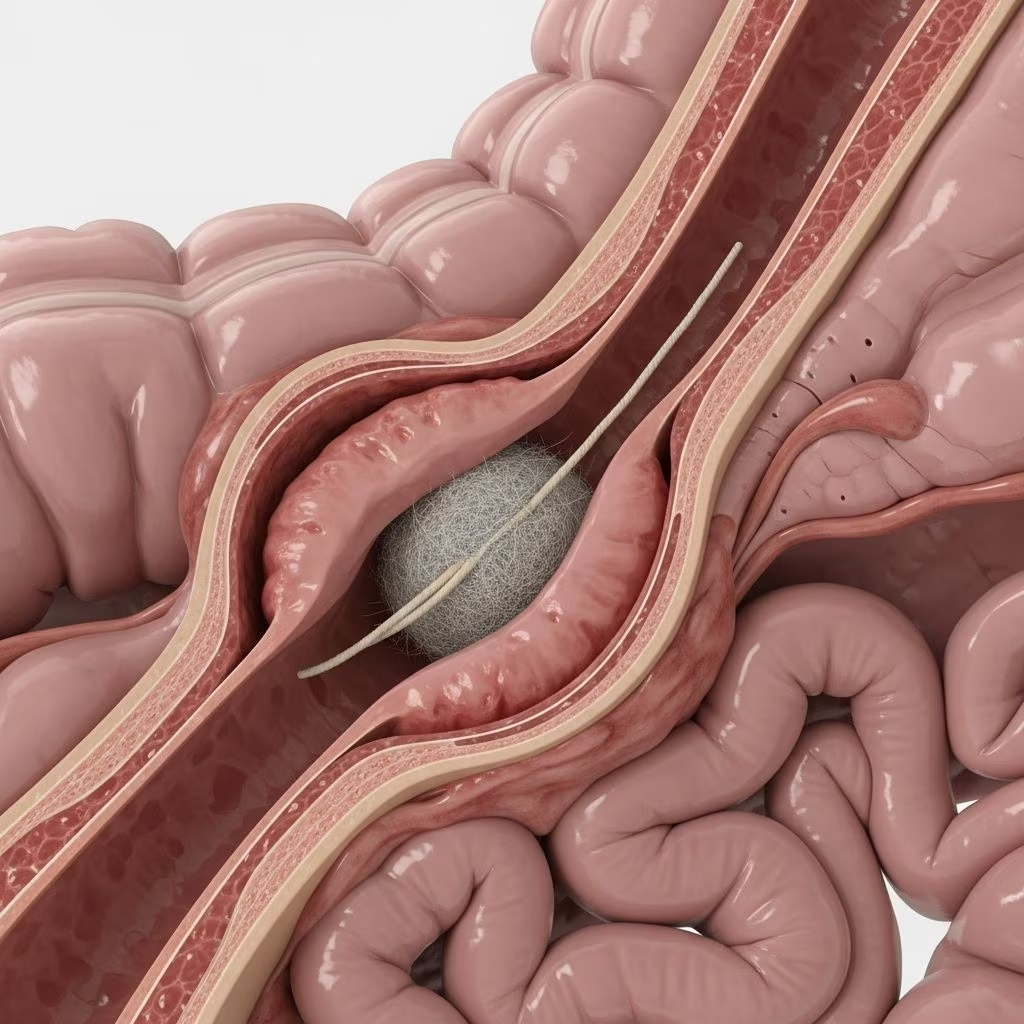
Digestive obstructions represent one of the most serious health emergencies affecting domestic cats. When a foreign object or other material prevents normal passage through a cat’s intestinal tract, the consequences can escalate rapidly from discomfort to life-threatening complications. Pet owners who understand the underlying causes, recognize early warning signals, and know when to seek emergency care can make the critical difference in their cat’s survival and recovery. This comprehensive guide explores everything cat owners need to know about intestinal blockages.
What Happens When a Feline’s Digestive System Becomes Obstructed
The feline digestive system operates through a coordinated process where food and other contents naturally progress from the stomach through the small intestines, into the large intestines and colon, and eventually out through the rectum. This wave-like muscular action, known as peristalsis, propels materials forward through the gastrointestinal tract.
When an obstruction develops, this normal progression halts completely. The material behind the blockage cannot advance, causing it to accumulate and back up into the stomach. If a cat continues eating and drinking after a blockage forms, fluids and food accumulate behind the obstruction, leading to inflammation, swelling, and intestinal distention. Depending on the blockage’s location, this buildup can trigger vomiting if it occurs in the portion of intestine closer to the stomach, or diarrhea if the blockage sits closer to the tail.
Beyond these immediate symptoms, blocked intestines create multiple dangerous physiological consequences. Blockages prevent the normal absorption of water and nutrients from the intestines, resulting in severe dehydration and electrolyte imbalances. In particularly dangerous situations, the foreign object creating the blockage can exert pressure on the intestinal wall, potentially causing tissue death (necrosis) and bowel rupture with life-threatening sepsis.
Primary Causes Behind Intestinal Blockages in Cats
Understanding what typically causes digestive obstructions helps cat owners identify risk factors and implement prevention strategies.
Foreign Object Ingestion
The most common cause of intestinal blockages involves a cat swallowing an object too large to pass through the digestive tract. While many items pass through without incident, certain objects become lodged and require surgical removal. Cats are curious creatures and may consume household items, toys, or other indigestible materials without their owners realizing what has been ingested.
Linear Foreign Body Obstruction
A particularly dangerous form of blockage occurs when cats swallow string, thread, tinsel, yarn, or similar linear materials. These items can wrap around the base of the tongue and create multiple anchor points throughout the intestines, causing severe damage. Linear foreign bodies demand urgent surgical intervention.
Hairball Accumulation
Hairballs represent another frequent cause of digestive obstruction in cats. When cats groom themselves, they ingest hair that typically passes through the digestive system. However, in some cases, hair accumulates in the stomach and forms a solid mass too dense to pass through the intestinal tract naturally.
Medical Conditions and Structural Issues
Beyond ingested materials, various medical conditions can create obstructions. Inflammatory bowel disease, tumors, growths, and hernias can all lead to blockages. Additionally, constipation can develop into a blockage if not properly addressed. In some cases, the underlying cause remains unclear and requires diagnostic testing to determine.
Recognizing the Warning Signs of Intestinal Blockage
Early recognition of blockage symptoms provides the best opportunity for successful treatment. Cat owners should monitor for the following indicators:
- Vomiting – Often one of the earliest signs, occurring as the body attempts to expel the obstruction or accumulated material
- Loss of appetite – Cats may show decreased interest in food and water
- Diarrhea – May appear watery and potentially bloody
- Abdominal pain – Visible discomfort or sensitivity when the belly is touched
- Lethargy and decreased energy – The cat appears unusually tired and inactive
- Behavioral changes – Increased aggression, unusual hiding, or other uncharacteristic conduct
- Litter box difficulties – Straining to defecate or producing smaller amounts of feces than normal
- Drooling – Excessive salivation may indicate discomfort
- Visible material – String or other material visible protruding from the anus
- Facial pawing – When string has wrapped around the base of the tongue, cats may paw at the face
Any cat displaying these symptoms requires immediate veterinary evaluation. Intestinal blockage is a surgical emergency that can become life-threatening rapidly. Pet owners should not delay seeking professional care while hoping symptoms resolve independently.
Partial Versus Complete Blockages: Understanding the Severity Spectrum
Not all digestive obstructions carry identical urgency levels. Understanding the distinction between partial and complete blockages helps pet owners contextualize their cat’s condition.
Partial blockages allow some waste materials and fluids to continue moving through the gastrointestinal tract, even if movement is significantly slowed. A cat with a partial blockage might display some symptoms associated with complete blockages, or in some cases may show no obvious signs at all. However, even partial blockages pose serious risks, as they can damage the intestinal lining, creating open sores and tears that lead to pain, infection, and potentially sepsis.
Complete blockages prevent all material from passing through. These represent immediate veterinary emergencies requiring rapid intervention. If a complete blockage goes untreated, the cat faces death.
Diagnostic Procedures: How Veterinarians Identify Blockages
Confirming a diagnosis of intestinal blockage typically involves multiple diagnostic approaches. Veterinarians begin with a physical examination and review of symptoms. However, definitive diagnosis requires additional testing.
Imaging studies play a central role in diagnosis. X-rays and ultrasound imaging can reveal foreign objects, areas of intestinal distention, and other abnormalities suggesting obstruction. In some cases, veterinarians may take samples of intestinal contents or perform a biopsy of affected areas to determine the underlying cause. These diagnostic procedures help veterinarians confirm the diagnosis, identify the blockage location, and assess the severity before determining the most appropriate treatment approach.
Treatment Approaches: From Conservative Care to Surgical Intervention
Treatment strategy depends on the blockage type, severity, underlying cause, and the cat’s overall health status.
Conservative Management for Partial Blockages
Partial blockages sometimes respond to non-surgical treatment. In these cases, cats are hospitalized and receive intravenous fluids for hydration and medications for pain management. Veterinarians monitor the cat closely to determine whether the blockage passes naturally. If the obstruction does not pass within a reasonable timeframe, surgical removal becomes necessary.
Induced Vomiting
In some situations, immediately inducing vomiting can recover a foreign object before a blockage develops. However, medications used to induce vomiting in cats are not consistently reliable, and vomiting can trigger complications such as aspiration pneumonia.
Surgical Removal
Complete blockages and most partial blockages require surgical intervention to remove the obstruction and repair any damaged intestinal tissue. Surgery becomes essential when the blockage involves linear foreign bodies, when conservative treatment fails, or when the cat’s condition deteriorates.
Supportive Care Protocol
Regardless of the treatment approach, all cats with blockages receive supportive care including intravenous fluid therapy for rehydration and medications for pain and nausea. Some cats require temporary feeding tubes to provide nutritional support while healing, particularly if they refuse to eat after surgery.
The Recovery Journey: What to Expect After Treatment
Recovery timelines and protocols vary based on the treatment type and the cat’s individual circumstances.
Post-surgical hospitalization typically extends 1-2 days following surgical blockage removal. During this period, cats remain on intravenous fluids with pain medications and sometimes appetite stimulation medications. Discharge criteria include the cat eating, absence of vomiting, and fever resolution.
Home recovery following abdominal surgery generally requires 10-14 days of restricted activity and rest. The surgical incision site requires frequent monitoring for swelling, discharge, odor, redness, and pain indicating infection. Pet owners must also observe the cat’s overall behavior, appetite, and water intake during this critical healing period.
Ongoing management depends on the blockage cause. If hairballs caused the obstruction, dietary changes and medications may help prevent recurrence. Constipation-related blockages require dietary modifications, increased water intake, and possible laxatives. All cats require close follow-up care and monitoring to prevent recurrence.
Prevention Strategies: Protecting Your Cat from Digestive Obstruction
While some blockages prove unavoidable, pet owners can implement numerous preventive measures:
- Remove or secure string, thread, yarn, tinsel, and similar linear materials
- Store small objects, toys, and household items safely away from curious cats
- Provide high-quality cat food appropriate for your cat’s age and health status
- Ensure adequate water intake through multiple water sources
- Regular grooming to reduce ingested hair and hairball formation
- Monitor for early signs of digestive problems and address them promptly
- Schedule regular veterinary check-ups for preventive health care
- Provide appropriate scratching posts and enrichment to redirect destructive chewing
When to Seek Emergency Veterinary Care
Pet owners should contact emergency veterinary services immediately if their cat displays any blockage symptoms, particularly persistent vomiting, complete loss of appetite, severe abdominal pain, or obvious behavioral changes. Waiting for symptoms to resolve independently can result in fatal complications.
Intestinal blockages represent serious health emergencies requiring prompt professional intervention. Understanding the causes, recognizing warning symptoms, and knowing when to seek emergency care empowers cat owners to protect their feline companions from this life-threatening condition.
References
- Intestinal Blockages in Cats: Causes, Symptoms, and Treatment — PetCareRx. 2024. https://www.petcarerx.com/article/intestinal-blockages-in-cats-causes-symptoms-and-treatment/6490
- Intestinal Blockage in Cats — PetMD. 2024. https://www.petmd.com/cat/conditions/digestive/c_ct_gastrointestinal_obstruction
- Cat Intestinal Blockages: Causes, Symptoms & More — Hill’s Pet Nutrition. 2024. https://www.hillspet.com/cat-care/healthcare/cat-intestinal-blockages
- Why Your Cat Might Need Intestinal Blockage Surgery — Downtown Animal Care Center. 2024. https://www.downtownanimalcarecenter.com/site/blog/2024/06/15/cat-intestinal-blockage-surgery
- Cat Intestinal Blockage Surgery — Hope Center Veterinary Clinic. 2024. https://www.hopecentervet.com/site/blog/2024/04/15/cat-intestinal-blockage-surgery
- Intestinal Blockages in Cats & Dogs: What to Know — Sage Veterinary Imaging. 2024. https://www.sageveterinary.com/blog/intestinal-blockages-in-cats-amp-dogs-what-to-know-amp-what-to-do



