

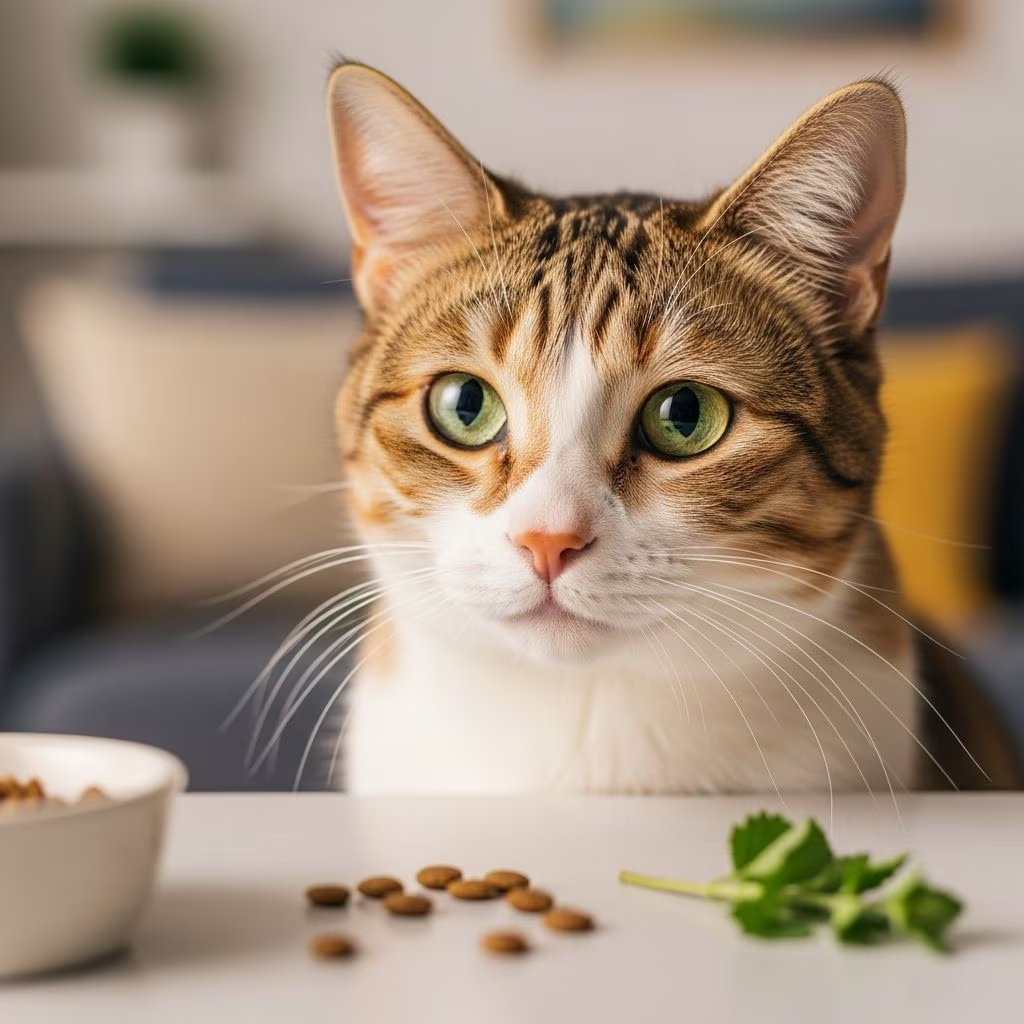
Digestive problems are among the most common health concerns pet owners encounter with their feline companions. When your cat experiences gastrointestinal distress, it can signal anything from a minor dietary adjustment to a serious underlying medical condition. Understanding the various factors that contribute to digestive upset, recognizing the warning signs, and knowing how to respond appropriately can make a significant difference in your cat’s health and comfort.
The Many Faces of Digestive Upset in Cats
Cats are known for their finicky nature and sensitive digestive systems. Unlike dogs, which tend to eat almost anything, cats are more selective about their food. However, this selectivity doesn’t guarantee perfect digestive health. Various factors can disrupt the delicate balance of your cat’s gastrointestinal system, ranging from dietary changes to infectious agents to chronic medical conditions.
The intestinal tract is a complex organ system responsible for breaking down food, absorbing nutrients, and eliminating waste. When something goes wrong with this process, cats typically exhibit loose or watery stools. However, this symptom alone doesn’t tell the complete story. To properly address your cat’s digestive concerns, it’s essential to understand the underlying causes.
Primary Factors Behind Feline Gastrointestinal Problems
Dietary Transitions and Nutritional Triggers
One of the most frequent causes of digestive upset relates to what your cat eats and how dietary changes are introduced. The feline digestive system requires time to adjust to new foods. When switching from one brand or type of food to another, the microbiome—the collection of beneficial bacteria in the intestines—must adapt to process different nutrients and ingredients.
A particularly important consideration is the speed at which you transition foods. Abrupt changes can overwhelm the digestive system and trigger gastrointestinal distress. Gradual transitions over seven to ten days allow the beneficial gut bacteria to adjust progressively, reducing the likelihood of digestive upset. During this transition period, slowly increase the proportion of new food while decreasing the old food each day.
Beyond commercial cat food, many household foods can trigger digestive problems. Dairy products like milk and cream, despite their association with cats, often cause issues because many adult cats are lactose intolerant. Human foods intended for people, particularly those high in fat or spices, may also disrupt intestinal function.
Infectious Agents and Parasitic Infestations
Infections represent another major category of digestive problems in cats. These can be parasitic, bacterial, viral, or fungal in nature. Parasitic infections are particularly common in younger kittens and outdoor cats with greater exposure to contaminated environments. These organisms irritate the intestinal lining and interfere with nutrient absorption, leading to loose stools and sometimes visible worms in feces.
Bacterial and viral infections can occur in cats of any age but are more frequently diagnosed in younger animals with developing immune systems. These infections trigger inflammation and altered intestinal motility, disrupting normal digestive processes.
Stress-Related Gastrointestinal Dysfunction
Cats are sensitive creatures, and emotional stress can manifest as physical digestive symptoms. Environmental changes, household disruptions, introduction of new pets, or changes in routine can trigger stress-induced intestinal upset. This stress-related response typically affects the lower bowel and colon, resulting in loose stools and increased defecation frequency.
Inflammatory and Immunological Disorders
Inflammatory bowel disease (IBD) represents a chronic condition where the intestinal lining becomes inflamed, similar to inflammatory bowel disease in humans. This condition disrupts normal digestive function and nutrient absorption. Cats with IBD typically experience ongoing or recurrent digestive issues that require long-term management.
Food allergies and intolerances also fall into the inflammatory category. Unlike true allergies that trigger immune responses, food intolerances involve difficulty digesting certain ingredients. Both conditions cause inflammation and altered intestinal function.
Systemic and Metabolic Conditions
Many conditions affecting other body systems can secondarily cause digestive problems. Pancreatitis (inflammation of the pancreas) disrupts the production of digestive enzymes necessary for food breakdown. Liver disease impairs the production of bile and metabolism of nutrients. Hyperthyroidism accelerates metabolism and intestinal motility, often resulting in loose stools.
Additionally, medication side effects—particularly antibiotics—can disrupt the balance of beneficial gut bacteria, leading to diarrhea even when treating an unrelated condition. Cancer and intestinal obstructions from ingested foreign objects also cause digestive symptoms and require immediate veterinary attention.
Recognizing When Your Cat Needs Help
Primary Warning Signs
Understanding the symptoms of digestive upset helps you recognize when your cat needs veterinary evaluation. The most obvious sign is a change in stool consistency—stools that are loose, watery, or unformed indicate intestinal distress.
Additional symptoms to watch for include:
- Presence of blood or mucus in stools
- Increased frequency of defecation or straining during bowel movements
- Accidents outside the litter box
- Nausea or vomiting
- Visible worms in stool or around the anal area
- Loss of appetite or decreased interest in food
- Lethargy or reduced activity levels
- Abdominal discomfort or pain
- Unexplained weight loss
When Immediate Veterinary Care Is Essential
While occasional mild digestive upset may resolve without intervention, certain situations require prompt veterinary evaluation. If your cat’s digestive upset persists beyond 24 hours, contains blood, or accompanies systemic signs like lethargy and appetite loss, seek professional help immediately.
Kittens and smaller cats warrant special attention when experiencing digestive problems, as they are particularly susceptible to dehydration, which can quickly become life-threatening. Similarly, chronic diarrhea lasting longer than several days, especially in cats with multiple symptoms, indicates the need for professional investigation.
Distinguishing Between Acute and Chronic Digestive Problems
Veterinarians classify digestive upset into two categories based on duration and severity, as each requires different diagnostic approaches and treatment strategies.
Acute Digestive Upset
Acute problems develop suddenly and typically last days to a few weeks. These often resolve with conservative treatment as the body’s natural healing mechanisms and immune system work to restore balance. Acute cases may involve recent dietary changes, minor infections, or stress-related triggers. Many acute cases improve with supportive care including temporary dietary modifications, probiotics, and supplements that support digestive function.
Chronic Digestive Concerns
Chronic digestive problems persist for extended periods or recur repeatedly. These require comprehensive investigation and typically indicate an underlying medical condition requiring long-term management. Chronic cases often involve resistant infections, persistent inflammatory diseases, metabolic imbalances, or structural problems that demand ongoing treatment approaches.
Diagnostic Approaches and Examination Process
When you visit your veterinarian with digestive concerns, expect a thorough evaluation process. Your vet will ask detailed questions about your cat’s symptoms, recent dietary changes, environmental factors, and medical history.
The veterinary examination typically includes:
- Physical examination of your cat’s abdomen for pain, abnormal sounds, or palpable masses
- Collection and analysis of a fresh stool sample to identify parasites, bacteria, or blood
- Blood work to evaluate organ function and rule out systemic conditions
- Imaging studies (radiographs or ultrasound) to identify obstructions or structural abnormalities
- Specialized tests to diagnose specific conditions like IBD or pancreatitis
Treatment Approaches Based on Underlying Causes
Parasitic and Infectious Treatments
When parasites are identified, your veterinarian prescribes specific antiparasitic medications tailored to the parasite type. Bacterial infections may require antibiotics, while viral infections typically require supportive care and time for the immune system to clear the virus.
Nutritional and Dietary Management
Nutrition plays a crucial role in managing digestive upset. Your veterinarian may recommend therapeutic diets formulated with specific nutrient profiles. These might include foods with lower fat content, enriched complex carbohydrates, or added fiber—all designed to complement the medical treatment plan and support proper digestion.
In many cases, particularly with chronic conditions that cannot be completely cured, long-term nutritional management becomes the foundation of ongoing care. This approach supports healthy digestion throughout your cat’s life while minimizing the frequency and severity of symptoms.
Microbiome Support and Supplements
Probiotics—beneficial bacteria and microorganisms—help restore healthy gut flora balance. Your veterinarian may prescribe specific probiotic formulations designed for cats. Additionally, digestive enzymes and other supplements can support intestinal function during recovery from acute problems.
Medication-Based Treatments
For acute cases, your veterinarian might recommend short-term oral medications to control symptoms while the body heals. Some cases require anti-diarrheal medications like kaolin-pectin formulations to reduce stool frequency and allow intestinal recovery.
For chronic conditions like IBD, long-term medication protocols combined with dietary management create comprehensive treatment plans addressing both symptom control and underlying inflammation.
Hospitalization and Advanced Care
Severe cases may require hospitalization for intensive support. Hospitalized cats receive intravenous fluids to prevent dehydration, injectable medications including antibiotics and anti-nausea drugs, and continuous monitoring. This level of care allows veterinarians to identify complications and adjust treatment rapidly.
Home Management and Prevention Strategies
Dietary Considerations
Preventing digestive upset begins with mindful food choices. Always introduce new foods gradually over the recommended seven to ten day transition period. Ensure treats and food products are fresh, properly stored, and free from contamination. Avoid offering human foods, particularly dairy products, high-fat items, and foods containing toxic ingredients.
Environmental Stress Reduction
Minimize environmental stressors by maintaining consistent routines, providing safe spaces for your cat to retreat, and introducing changes gradually. During household transitions or times of stress, monitoring your cat’s digestive function helps identify problems early.
Parasitic Prevention
Regular parasite prevention—both internal and external—helps avoid parasitic infections. Discuss appropriate preventive medications with your veterinarian, especially for outdoor cats or kittens.
Common Questions About Feline Digestive Health
FAQ
How long should I wait before contacting my veterinarian about mild digestive upset?
While occasional mild cases may resolve independently, contact your veterinarian if symptoms persist beyond 24 hours or if any concerning symptoms develop. When in doubt, professional evaluation is always appropriate.
Can I treat my cat’s digestive upset at home?
Some mild cases respond to temporary dietary adjustments and over-the-counter digestive supplements. However, persistent problems require veterinary diagnosis to identify underlying causes and implement appropriate treatment.
Why is it important to bring a stool sample to my veterinary appointment?
Fresh stool samples allow veterinarians to identify parasites, bacterial overgrowth, blood, and other abnormalities that indicate the underlying cause of digestive upset.
What should I expect if my cat requires hospitalization?
Hospitalized cats receive supportive care including intravenous fluids, medications, and continuous monitoring. Your veterinarian will update you regularly and adjust treatment based on your cat’s response.
Long-Term Management of Chronic Digestive Issues
Cats with chronic digestive problems require ongoing partnership between you and your veterinarian. Regular check-ups, consistent medication administration, and adherence to recommended diets form the foundation of successful long-term management. Some cats with medical conditions that cannot be completely cured benefit significantly from long-term nutritional approaches that support proper digestion and minimize symptoms throughout their lives.
If no improvement appears within two to three days of beginning treatment, contact your veterinarian to investigate potential complicating factors. Chronic digestive problems often respond best to multifaceted treatment plans addressing multiple aspects of your cat’s health simultaneously.
Conclusion
Feline digestive health requires attention, understanding, and partnership with your veterinary team. By recognizing common causes, identifying warning signs, and responding appropriately, you can help your cat avoid serious complications and maintain optimal digestive function throughout their life. Whether addressing acute upset or managing chronic conditions, the combination of proper nutrition, preventive care, and professional veterinary guidance provides the best foundation for your cat’s long-term health and wellbeing.
References
- Diarrhea in Cats: Common Causes & When It’s Serious — Avon Vets (Animal General). 2022-05-15. https://www.animalgeneralct.com/site/blog/2022/05/15/diarrhea-in-cats-common-causes-when-its-serious
- Diarrhea in Cats: Common Causes & When It’s Serious — Vet Referral Center, Springfield. 2024-02-15. https://www.vetreferralcenter.com/site/blog/2024/02/15/diarrhea-cats
- Diarrhea in Cats: Common Causes & When It’s Serious — Voorhees Vet. 2023-10-15. https://www.voorheesvet.com/site/blog/2023/10/15/diarrhea-cats
- Cat Diarrhea: Causes, Symptoms & Treatment — Purina US. https://www.purina.com/articles/cat/health/digestion/cat-diarrhea-causes-treatment
- Cat Diarrhea: Causes and What to Do About It — PetMD. https://www.petmd.com/cat/symptoms/cat-diarrhea
- Managing Cat Diarrhea: Causes, Symptoms & Treatment — Hill’s Pet. https://www.hillspet.com/cat-care/healthcare/cat-diarrhea-causes-and-treatment
- Diarrhea — Cornell University College of Veterinary Medicine, Cornell Feline Health Center. https://www.vet.cornell.edu/departments-centers-and-institutes/cornell-feline-health-center/health-information/feline-health-topics/diarrhea



