
Understanding Digestive Blockages in Cats
Complete guide to recognizing and managing bowel irregularities in cats
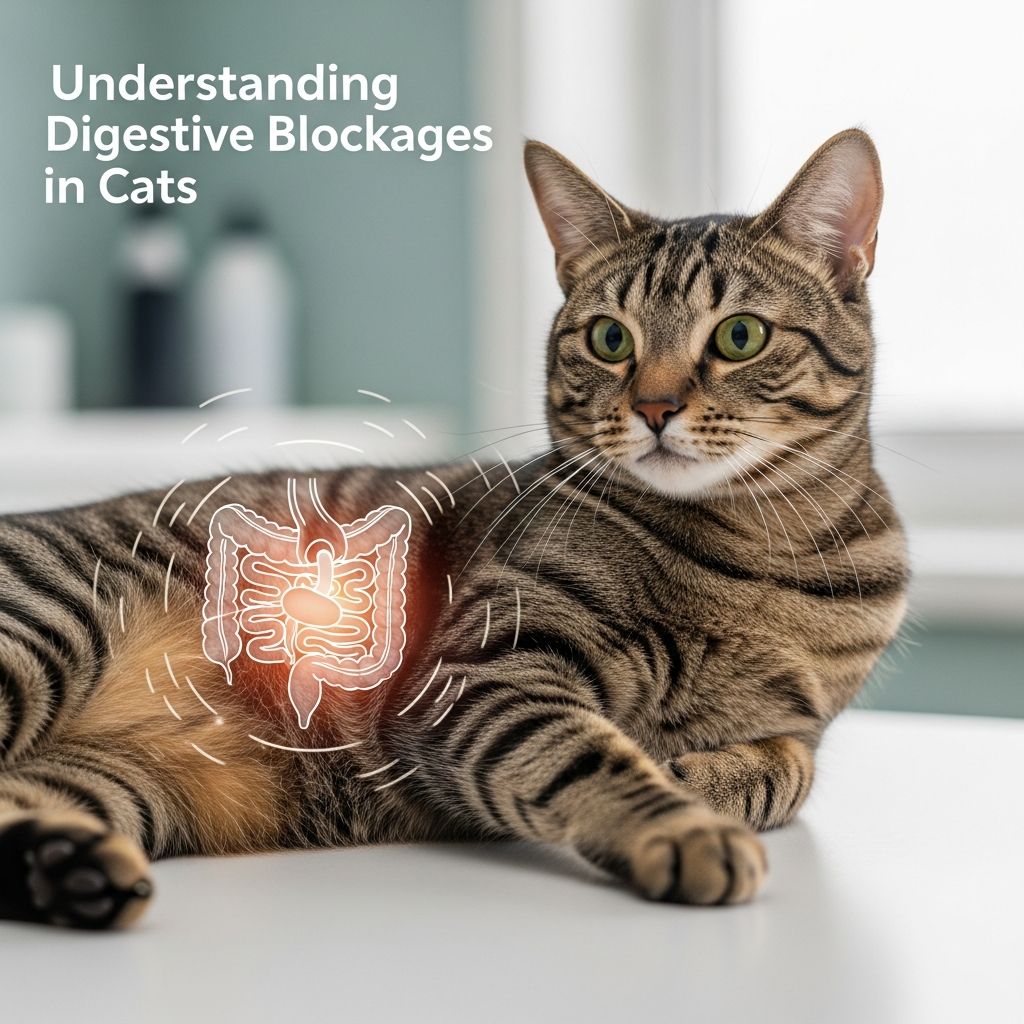
Constipation in cats represents one of the most common digestive complaints veterinarians encounter in clinical practice. While many pet owners initially perceive this condition as minor, untreated or chronic constipation can develop into serious complications that significantly impact your cat’s quality of life and overall health. Understanding the root causes, recognizing early warning signs, and knowing when to seek professional intervention are essential skills for responsible cat guardians.
The Complexity Behind Feline Digestive Dysfunction
Feline constipation exists on a spectrum of severity and complexity. At its most basic level, constipation occurs when a cat’s colon absorbs excessive moisture from waste material, resulting in hardened, compacted stools that become difficult or painful to eliminate. However, the reasons why this happens can range from straightforward lifestyle factors to serious underlying medical conditions. Identifying the specific cause is crucial because treatment approaches vary significantly depending on whether constipation stems from environmental factors, dietary insufficiencies, or systemic disease.
Primary Contributing Factors to Bowel Irregularities
Inadequate Fluid Intake and Moisture Content
One of the most prevalent causes of constipation in domestic cats involves insufficient hydration. Cats are naturally adapted to obtain most of their water through food consumption, as their wild ancestors derived moisture from prey animals. Many contemporary cats consume predominantly dry kibble-based diets that contain minimal moisture content. Without adequate liquid intake, the colon’s natural reabsorption processes become exaggerated, extracting more water than necessary from stool and leaving behind hard, difficult-to-pass material.
Senior cats and those with chronic kidney disease face heightened dehydration risks. Kidney dysfunction leads to electrolyte imbalances and reduced water conservation efficiency, compounding hydration challenges.
Nutritional Imbalances and Fiber Deficiency
Dietary composition directly influences intestinal motility and stool consistency. Cats consuming foods with insufficient fiber experience slower movement of material through the digestive tract. Conversely, excessive fiber intake can sometimes paradoxically worsen constipation in certain individuals. The ideal fiber balance supports normal colon contractions while maintaining appropriate stool hydration.
Obesity and Physical Inactivity
Excess body weight compromises abdominal organ function and reduces overall mobility. Overweight cats experience compression of internal organs, which slows digestive transit time. Indoor cats and senior felines face particularly elevated risk, as their reduced activity levels fail to stimulate the natural intestinal contractions necessary for normal bowel function.
Neurological and Structural Complications
Damage affecting the nerves or skeletal structures surrounding the pelvis and spinal column can severely impair the colon’s contractile ability. Congenital abnormalities, previous traumatic injuries, or degenerative spinal conditions may necessitate surgical intervention. Additionally, pelvic fractures can result in narrowed passages that physically obstruct stool passage.
Medical Conditions and Systemic Diseases
Multiple chronic health conditions predispose cats to constipation. Feline hyperthyroidism disrupts metabolic processes and compromises normal intestinal motility. Inflammatory bowel disease causes alternating periods of constipation and diarrhea. Elevated blood calcium levels interfere with muscle contractions throughout the gastrointestinal tract, reducing the colon’s ability to propel waste.
Megacolon, a condition where the colon becomes abnormally enlarged and loses its contractile function, represents one of the most severe forms of feline constipation. In this progressive disorder, the colon’s muscular walls eventually become too distended to effectively squeeze and move hardened stool.
Pain-Related and Behavioral Factors
Conditions causing pain during defecation create avoidance behaviors that perpetuate constipation cycles. Arthritis, impacted or infected anal sacs, and spinal pain discourage cats from attempting bowel movements. Environmental stressors—including litter box aversion, anxiety, or household changes—can also trigger or worsen constipation.
Hair Accumulation and Foreign Material
Long-haired cat breeds face increased risk from excessive grooming behavior, which results in hairball formation within the digestive tract. Cats consuming indigestible materials such as bones, string, or other foreign objects may develop obstructive constipation.
Recognizing Warning Signs and Symptoms
Early identification of constipation enables prompt intervention and prevents progression to severe impaction. Observable signs include:
- Infrequent bowel movements or absence of stool in litter boxes for extended periods
- Straining or spending excessive time in the litter box with minimal output
- Passage of small, hard, or dry fecal pellets
- Abdominal pain or sensitivity when touched
- Decreased appetite or disinterest in normal activities
- Behavioral changes such as increased vocalization or restlessness
- Vomiting, which may indicate severe intestinal blockage
Professional Diagnostic Approaches
Veterinary assessment begins with thorough physical examination and patient history. Healthcare providers conduct palpation to assess abdominal pain and detect retained stool. Diagnostic imaging, including radiographs and ultrasound, visualizes intestinal anatomy and identifies obstructions, structural abnormalities, or megacolon.
Laboratory testing evaluates kidney function, electrolyte balance, and thyroid hormones to identify underlying metabolic disorders. This comprehensive diagnostic approach enables precise identification of causative factors rather than simply treating symptoms.
Treatment Strategies Across the Severity Spectrum
Mild Cases and Preventive Management
Constipation identified in early stages often responds well to dietary modifications and lifestyle adjustments. Increasing hydration through wet food consumption, water bowls, or cat fountains addresses dehydration issues. Enhanced exercise through interactive toys, climbing structures, and scheduled play sessions promotes intestinal motility.
Dietary fiber supplementation—such as a teaspoon of canned pumpkin puree administered once or twice daily—provides natural, gentle digestive support. Some cats benefit from dietary trials using limited-ingredient, hypoallergenic, or novel protein formulas to reduce intestinal inflammation.
Pharmaceutical Interventions
Veterinarians frequently prescribe laxatives such as dioctyl sodium sulfosuccinate (DSS) or polyethylene glycol (PEG) 3350 to soften impacted stool. Stool softeners work by increasing water content within the colon, making evacuation less difficult. Probiotics support healthy intestinal flora and may improve overall digestive function.
For cats experiencing pain-related constipation, addressing the underlying pain source through appropriate analgesics or treatment of conditions like arthritis often resolves secondary constipation.
Professional Removal and Advanced Treatments
Severe impaction frequently requires professional fecal removal through enema administration. Warm water, physiological saline, or lactated Ringer’s solution enemas administered at 5-10 mL/kg body weight are generally well-tolerated and effective. In extreme cases, manual extraction under general anesthesia becomes necessary.
Hospitalized cats with significant dehydration receive intravenous fluid therapy to restore hydration and electrolyte balance. Feeding tubes may deliver continuous laxative infusions to soften accumulated stool in cases of severe megacolon.
Surgical Intervention
Chronic or recurrent megacolon unresponsive to medical management may require subtotal colectomy, where affected portions of the colon are surgically removed. This procedure represents a definitive but last-resort option when conservative approaches fail.
Environmental and Behavioral Optimization
Litter box management significantly influences bowel habits. Providing multiple boxes—ideally one more than the number of cats in the household—positioned in accessible, private locations encourages consistent usage. Frequent cleaning prevents litter box aversion, a common behavioral trigger for constipation.
Stress reduction through environmental enrichment, pheromone diffusers, and minimized household disruptions supports healthy digestion. Weight management through controlled portion sizes and increased activity prevents obesity-related complications.
Long-Term Management and Recurrence Prevention
Cats experiencing constipation episodes often require ongoing preventive strategies to minimize recurrence. Permanent dietary modifications—emphasizing moisture-rich foods, appropriate fiber levels, and quality ingredients—provide foundational support. Regular veterinary monitoring allows early detection of recurring issues before they progress to impaction.
Cats with a history of constipation benefit from periodic medication use, such as chronic low-dose laxative therapy or stool softeners, particularly if lifestyle modifications alone prove insufficient.
Frequently Asked Questions
Can cats overcome constipation naturally without veterinary intervention?
Mild constipation sometimes resolves with increased hydration and activity, but professional evaluation ensures accurate diagnosis and prevents complications. Self-treatment attempts risk allowing impaction to worsen significantly.
What dietary changes most effectively prevent recurrent constipation?
Transitioning from dry kibble to moisture-rich wet food addresses the primary dehydration factor. Adding appropriate fiber sources and ensuring adequate calories supports optimal digestive function.
How long does it typically take for constipation treatment to produce results?
Mild cases may improve within 24-48 hours with dietary changes and hydration increases. Severe impaction requiring professional intervention may necessitate several days of hospitalization for full resolution.
Is megacolon always progressive and permanent?
While challenging to manage, megacolon can sometimes stabilize with aggressive medical therapy. However, some cats eventually require surgical intervention for quality-of-life improvement.
When Immediate Veterinary Care Becomes Essential
Seek emergency veterinary evaluation if your cat displays persistent vomiting, complete loss of appetite, severe abdominal pain, or absence of bowel movements for more than 48-72 hours. These signs may indicate complete obstruction or severe impaction requiring urgent intervention.
Conclusion: Supporting Your Cat’s Digestive Health
Feline constipation, while common, should never be dismissed as insignificant. From simple dehydration to complex megacolon, the underlying causes demand proper identification and targeted management. Through attentive observation, preventive strategies including dietary optimization and increased physical activity, and collaborative relationships with qualified veterinarians, cat owners can effectively minimize constipation episodes and maintain their pets’ long-term digestive wellness and overall quality of life.
References
- Feline Constipation: Causes, Symptoms, and Solutions — Stack Veterinary Hospital. 2024. https://stackvethospital.com/feline-constipation-causes-symptoms-and-solutions/
- Constipation in Cats: Causes, Symptoms & Treatment — AnimERge Veterinary Specialists. 2021. https://www.animergevets.com/site/blog/2021/01/15/constipation-dogs-causes-symptoms-treatment
- Cat Constipation: Symptoms, Causes & Treatment — Purina. 2024. https://www.purina.com/articles/cat/health/symptoms/constipation
- Constipation in Cats: Symptoms, Causes & Treatment — New Hope Animal Hospital. 2024. https://www.newhopeanimalhospital.com/site/blog/2024/07/15/constipation-cats
- Treating Constipation in Cats — Royal Canin Academy. 2024. https://academy.royalcanin.com/en/veterinary/treating-constipation-in-cats
- Constipation — Cornell University College of Veterinary Medicine, Cornell Feline Health Center. 2024. https://www.vet.cornell.edu/departments-centers-and-institutes/cornell-feline-health-center/health-information/feline-health-topics/constipation
- Constipation in Cats — VCA Animal Hospitals. 2024. https://vcahospitals.com/know-your-pet/constipation-in-cats
Similar Articles








Read full bio of Sneha Tete




