

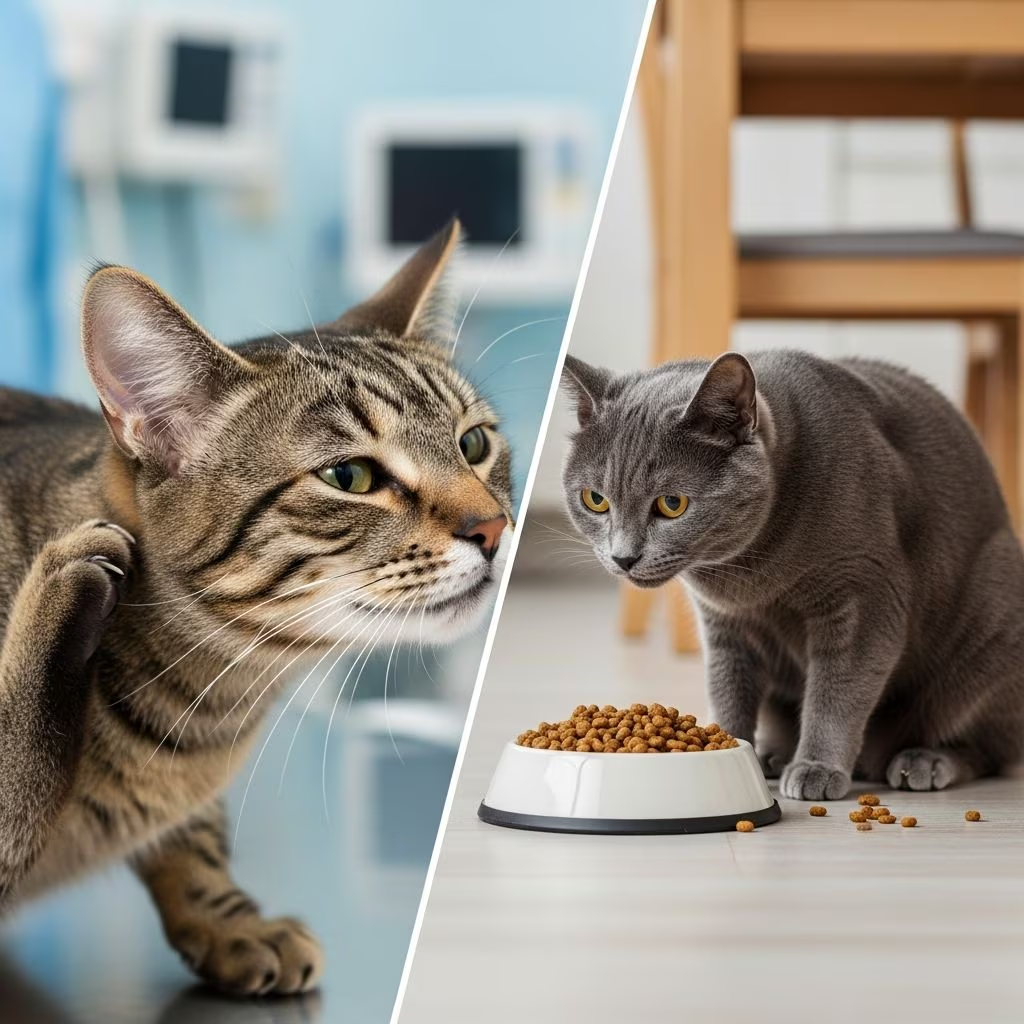
Many cat owners struggle to understand why their feline companions experience digestive upset, chronic scratching, or recurring skin infections. While these symptoms often point to dietary issues, determining whether your cat has a genuine food allergy or simply food intolerance requires careful observation and professional guidance. Understanding the distinction between these two conditions is essential for providing appropriate care and selecting the right nutritional approach for your pet.
Distinguishing Between Allergies and Intolerances
The terms “food allergy” and “food intolerance” are frequently used interchangeably by pet owners, yet they represent fundamentally different physiological responses. A food allergy involves the immune system, which mistakenly identifies a specific ingredient—typically a protein or carbohydrate—as a harmful invader. This immune reaction triggers the production of antibodies, initiating an inflammatory cascade throughout the body. In contrast, food intolerance affects the digestive system directly and does not involve an immune response. Instead, it reflects your cat’s inability to properly digest or tolerate certain ingredients, similar to how some humans experience lactose intolerance.
Understanding this distinction matters significantly for treatment and long-term management. Food allergies require permanent exclusion of the offending ingredient, whereas food intolerances may sometimes be managed through gradual introduction or by combining the problematic ingredient with other foods that aid digestion.
Common Dietary Triggers in Feline Nutrition
Certain ingredients appear far more frequently in cases of feline dietary sensitivity than others. Animal proteins, particularly those derived from common commercial sources, rank among the primary culprits. The irony is that these very ingredients are staples in most commercial cat foods.
- Beef: One of the most prevalent allergens, beef appears in numerous cat food formulations and is frequently the source of adverse reactions.
- Fish and seafood: While often marketed as premium ingredients, fish—especially tuna—triggers allergic responses in many cats.
- Dairy products: Milk, cheese, and other dairy-based ingredients provoke reactions in susceptible felines, making dairy one of the top three allergens.
- Chicken: As another widely used protein source, chicken can trigger allergic responses despite its prevalence in feline diets.
- Grains and plant-based ingredients: Wheat, corn, and barley may cause reactions in some cats, though less frequently than animal proteins.
- Other proteins: Lamb, rabbit, and egg sensitivities occur less commonly but remain documented triggers.
- Artificial additives: Synthetic colorings and preservatives can provoke adverse reactions in sensitive cats.
Importantly, a cat can develop allergies to foods it has consumed without incident for years. This delayed development occurs because the immune system requires time to build antibodies against specific proteins or carbohydrates. Therefore, the absence of prior reactions does not guarantee ongoing tolerance.
Recognizing Physical and Behavioral Manifestations
Dermatological Symptoms
The most prominent and visible indicators of feline dietary sensitivity manifest in the skin. Chronic itching represents the hallmark symptom, often beginning subtly before intensifying over weeks or months. This itching typically concentrates in specific regions, particularly the head, neck, ears, and the base of the tail, though it can affect any body area.
The constant scratching, licking, and biting associated with this itching frequently results in secondary skin damage. Cats may develop miliary dermatitis—characterized by small, crusty lesions scattered across affected areas—or exfoliative dermatitis, which involves flaking and scaling. Self-induced hair loss from excessive grooming creates bald patches, while aggressive scratching or biting can produce open wounds, sores, and ulcerations that risk bacterial or yeast infection.
Additionally, the inflamed skin often appears darkened, reddened, or develops visible papules and plaques. Chronic ear problems, including recurring infections and inflammation, frequently accompany dietary sensitivities, sometimes becoming the primary presenting symptom for some cats.
Gastrointestinal Indicators
While dermatological symptoms dominate the clinical presentation in most food-allergic cats, gastrointestinal disturbances occur in a subset of affected animals. Vomiting and diarrhea represent the most common digestive manifestations, though they appear less frequently than skin symptoms. Some cats may experience flatulence, increased bowel movement frequency, or soft stools rather than full diarrhea.
In approximately 10 to 15 percent of food-allergic cats, both dermatological and gastrointestinal signs occur simultaneously, complicating diagnosis and management. More rarely, cats may exhibit respiratory symptoms such as coughing, wheezing, or sneezing, though these presentations remain atypical.
Behavioral Changes
Beyond obvious physical symptoms, food sensitivities can trigger behavioral alterations. Excessive grooming and overgrooming represent common manifestations, with affected cats spending unusual amounts of time licking, scratching, or biting their bodies. Some owners report increased irritability or changes in their cat’s normal temperament coinciding with dietary sensitivity episodes.
Risk Factors and Predispositions
Certain factors increase the likelihood of a cat developing food allergies or intolerances. Age does not provide protection; cats of any age can develop dietary sensitivities, whether young kittens or elderly cats. This unpredictability means that even senior cats on long-established diets may suddenly develop reactions.
Genetic predisposition appears to play a role in susceptibility. Siamese cats, along with several other breeds, show higher incidence rates of food allergies compared to mixed populations. However, individual variation within breeds remains significant.
Prior gastrointestinal damage from various causes can compromise the digestive barrier and increase the development of food sensitivities. Inflammation from previous infections, surgical interventions, or certain medications may leave the intestinal lining more permeable and reactive to dietary components. This phenomenon explains why cats with a history of inflammatory bowel disease or recurrent gastroenteritis may subsequently develop food sensitivities.
Establishing an Accurate Diagnosis
Diagnosing feline food sensitivities presents genuine challenges, as symptoms overlap significantly with environmental allergies, parasitic infestations, and other dermatological conditions. Unlike allergy testing available for some environmental allergens, the most reliable diagnostic method for food allergies remains the elimination diet trial.
An elimination diet involves feeding the cat a carefully controlled diet containing novel protein and carbohydrate sources that the cat has not previously consumed. This process typically spans eight to twelve weeks, during which careful observation documents any improvement in symptoms. Common novel proteins used in elimination diets include venison, duck, or rabbit, paired with unusual carbohydrate sources such as potatoes or peas.
Once symptoms resolve on the elimination diet, a provocation challenge phase follows, where the suspected allergen is reintroduced. If symptoms recur within one to seven days—the typical timeframe observed in food-allergic cats—the diagnosis becomes confirmed, and that ingredient is permanently excluded from the cat’s diet.
It is crucial to consult with a veterinarian before initiating an elimination diet, as they can verify that the chosen diet provides complete and balanced nutrition and rule out other medical conditions mimicking food allergies.
Management Strategies and Dietary Solutions
Long-Term Dietary Approaches
Once a food allergy is confirmed, the primary management strategy involves complete and permanent avoidance of the offending ingredient. This requires careful label reading, as many commercial foods contain hidden sources of common allergens. A veterinarian can recommend prescription or commercial diets specifically formulated to avoid problematic ingredients while ensuring nutritional adequacy.
For cats with multiple food sensitivities or particularly sensitive digestive systems, prescription hydrolyzed protein diets offer an alternative. These specialized formulations break proteins into such small components that the immune system fails to recognize them as allergenic, allowing allergic cats to consume the diet without triggering reactions.
Supportive Care for Skin Symptoms
While dietary management addresses the root cause, addressing secondary skin complications becomes essential for comfort. Recurrent skin and ear infections stemming from self-inflicted trauma and bacterial overgrowth typically require veterinary treatment with antibiotics or antifungal medications. Regular bathing with medicated shampoos may soothe irritated skin and reduce secondary infections, though cats often resist water exposure.
Omega-3 and omega-6 fatty acid supplementation supports skin barrier function and reduces inflammation, providing symptomatic relief while the immune system adjusts to the new diet. However, these supplements address symptoms rather than resolving the underlying allergic response.
Managing Food Intolerance
For cats with diagnosed food intolerance rather than true allergy, management differs somewhat. Some intolerances improve with gradual introduction of previously problematic foods in smaller quantities, allowing the digestive system to adapt. Digestive enzyme supplements or probiotics may support intestinal health and reduce gastrointestinal symptoms in some cats, though evidence for efficacy remains variable.
Timeline for Symptom Resolution
Pet owners should understand that improvement in food-allergy symptoms does not occur overnight. The inflammatory cascade triggered by allergic reactions takes considerable time to resolve, often requiring several weeks before noticeable improvement becomes evident. Skin symptoms, in particular, tend to persist for extended periods even after complete allergen removal from the diet.
Hair regrowth following allergen elimination may span months, as damaged hair follicles require time to produce new growth. Similarly, chronically inflamed ear canals gradually return to normal health over an extended period. This gradual improvement reflects the underlying biological processes of inflammation resolution and tissue repair.
During the initial adjustment period following dietary change, some cats may experience temporary digestive upset as their gastrointestinal systems adapt to new ingredients. Patience and consistent adherence to the new diet remain essential for successful management.
When Professional Evaluation Becomes Necessary
Several circumstances warrant veterinary consultation to rule out other serious conditions with similar presentations. If your cat exhibits severe or rapidly worsening symptoms, shows signs of pain, develops extensive open wounds, or experiences systemic illness, immediate professional evaluation is necessary. Additionally, if dietary management does not produce expected improvement after an appropriate trial period, underlying conditions requiring different treatment approaches may exist.
Veterinarians can perform diagnostic tests to exclude parasitic infections, environmental allergies, bacterial or fungal infections, and other systemic diseases mimicking food sensitivity. Professional guidance ensures that time and resources spent on dietary trials address the actual underlying problem rather than masking a more serious condition requiring different intervention.
Frequently Asked Questions
- Can a cat develop allergies to foods it has eaten for years without problems?
- Yes. Food allergies develop as the immune system builds antibodies against specific proteins or carbohydrates, a process that may take months or even years. A cat can therefore develop an allergy to a food it has tolerated throughout its lifetime.
- Are grain-free diets better for cats with food sensitivities?
- Not necessarily. While some cats react to grains, others do not. The specific problematic ingredient varies by individual. A properly formulated elimination diet identified through veterinary guidance proves more effective than assuming all cats benefit from grain-free options.
- How long should I continue an elimination diet trial?
- Most veterinarians recommend continuing an elimination diet for eight to twelve weeks to allow full symptom resolution before performing a provocation challenge. Premature challenges may not accurately identify the allergen.
- Can food allergies be cured?
- Food allergies cannot be cured, only managed through permanent avoidance of the offending ingredient. However, with proper dietary management, cats with food allergies live normal, healthy lives without ongoing symptoms.
Conclusion and Moving Forward
Feline dietary sensitivities represent a common health challenge affecting many cats, yet the distinction between true allergies and intolerances, combined with overlapping symptomatology from other conditions, creates diagnostic complexity. By understanding the differences between these conditions, recognizing suspicious symptoms, and working systematically with veterinary professionals to identify problematic ingredients through elimination protocols, cat owners can effectively manage these conditions.
The key to successful management lies in patience, careful observation, and consistent dietary adherence. While the path to diagnosis may require several weeks or months, identifying the specific dietary trigger provides the foundation for long-term health and quality of life for affected cats.
References
- Food Allergies — Cornell University College of Veterinary Medicine. Accessed February 2026. https://www.vet.cornell.edu/departments-centers-and-institutes/cornell-feline-health-center/health-information/feline-health-topics/food-allergies
- Food Allergy in the Cat: A Diagnosis by Elimination — PMC/National Institutes of Health. 2024. https://pmc.ncbi.nlm.nih.gov/articles/PMC11220937/
- Understanding Dermatitis Caused by Cat Food Allergies — Chino Valley Animal Hospital. Accessed February 2026. https://chinovalleyanimalhospital.com/blog/understanding-dermatitis-caused-by-cat-food-allergies/
- What Is Causing My Cat’s Allergic Reaction – Food or the Environment? — Royal Canin. Accessed February 2026. https://www.royalcanin.com/us/cats/health-and-wellbeing/what-is-causing-my-cats-allergic-reaction-food-or-the-environment
- The Most Common Food Allergies in Cats — Animal General. 2024. https://www.animalgeneralct.com/site/blog/2024/02/15/most-common-food-allergies-cats
- Most Common Cat Food Allergies — Family Pet Hospital, Clovis. 2024. https://www.fphclovis.com/site/blog/2024/04/15/most-common-cat-food-allergies
- Does My Cat Have Food Allergies? — MedVet. Accessed February 2026. https://www.medvet.com/food-allergy-cat/



