

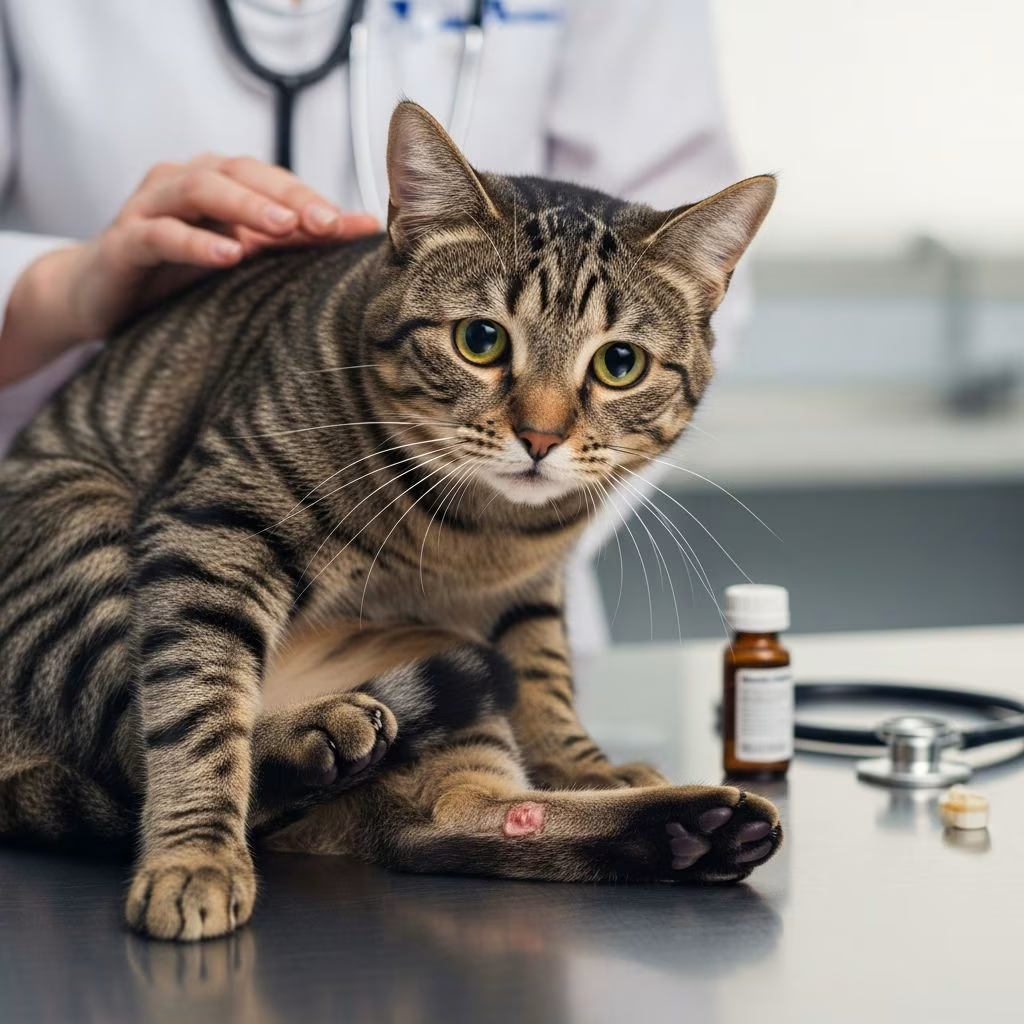
Diabetic neuropathy affects approximately 10% of cats with diabetes mellitus, leading to hind limb weakness and a distinctive plantigrade posture where cats walk on their hocks rather than toes.This condition stems from prolonged high blood sugar damaging nerves, but early intervention through glucose regulation can reverse it in most cases.
Understanding the Link Between Diabetes and Nerve Damage in Cats
Diabetes mellitus in cats disrupts insulin function, causing chronic hyperglycemia that harms peripheral nerves. Unlike dogs, cats more commonly develop type 2 diabetes, where insulin resistance combines with relative deficiency. This elevated glucose triggers metabolic changes, including activation of the polyol pathway, where excess sugar converts to fructose in nerves, leading to structural damage.
Schwann cells, which produce the myelin sheath insulating nerves, suffer injury from high glucose levels. Myelin splitting, ballooning, and demyelination occur, impairing nerve conduction. In severe cases, axonal degeneration follows. Cats exhibit sensorimotor neuropathy affecting both pelvic and thoracic limbs, with pelvic limbs showing more pronounced effects.
Additionally, hyperglycemia constricts blood vessels, reducing nerve blood flow and exacerbating dysfunction. This symmetric damage typically starts in hind legs due to their length and metabolic demands.
Recognizing Early Warning Signs of Neuropathy
Owners often first notice a change in gait: cats adopt a plantigrade stance, walking flat on hocks like bears. This results from femoral nerve involvement and tarsal joint damage, causing pain, numbness, or weakness.
- Hind limb weakness: Difficulty jumping, running, or climbing stairs.
- Muscle atrophy: Visible wasting in hind legs over weeks to months.
- Limping or dragging: Reluctance to bear weight on affected limbs.
- Neuropathic pain signs: Twitching skin, chewing limbs, vocalizing, or incontinence.
- Progression to front limbs: In advanced cases, generalized weakness spreads.
These symptoms overlap with diabetes signs like polydipsia, polyuria, and weight loss. About 10% of diabetic cats show clinically evident neuropathy, but milder forms may go unnoticed since cats mask discomfort.
How High Blood Sugar Progressively Damages Nerves
Neuropathy develops over months of poor glucose control. Initial nerve conduction slows, increasing F-wave and cord dorsum latencies. Electromyography remains normal early on, but severe cases show abnormalities.
| Stage | Symptoms | Nerve Changes |
|---|---|---|
| Early | Mild weakness, subtle gait change | Conduction deficits, myelin defects |
| Moderate | Plantigrade posture, muscle loss | Demyelination, Schwann cell injury |
| Severe | Paralysis risk, front limb involvement | Axonal degeneration, fructose accumulation |
Biopsies reveal Schwann cell damage and polyol pathway activation without sorbitol buildup, unlike humans. This makes cats valuable models for studying the condition.
Diagnostic Approaches for Confirming Feline Neuropathy
Veterinarians start with history and exam, noting plantigrade stance and weakness. Blood tests confirm hyperglycemia and rule out other causes like hyperthyroidism or kidney disease.
- Glucose curve or continuous monitoring for regulation status.
- Electrophysiological tests: Nerve conduction velocity, F-waves.
- Nerve/muscle biopsies for histology in research settings.
Differentiate from intervertebral disc disease or tumors, which cause asymmetric signs.
Primary Treatment: Tight Glucose Regulation
The cornerstone is normalizing blood glucose, which reverses neuropathy in 6-12 months for most cats. Insulin therapy, diet, and monitoring achieve this.
Low-carbohydrate diets reduce postprandial spikes. Twice-daily glargine or detemir insulin suits many cats. Owners track curves at home.
Supportive Therapies to Aid Nerve Recovery
Methylcobalamin (a vitamin B12 form) promotes nerve regrowth and spinal fluid absorption, accelerating recovery anecdotally. Doses of 1 mg daily show promise.
Physical therapy strengthens muscles: gentle exercises, ramps for access. Pain management with gabapentin if neuropathic pain evident.
Monitoring Progress and Preventing Relapse
Track gait weekly; improvement lags glucose control by months. Full reversal possible if addressed early, but chronic cases risk permanent damage.
Avoid hypoglycemia, which causes lethargy, seizures, or coma.
Preventing Neuropathy Through Proactive Diabetes Care
Obesity fuels insulin resistance; maintain ideal weight. Early diabetes detection via annual senior cat screens prevents complications.
Consistent insulin, feeding schedules, and vet checkups minimize risks.
Associated Complications Beyond Neuropathy
Diabetic nephropathy damages kidneys, mimicking chronic renal disease. Ketoacidosis presents with vomiting, dehydration.
FAQs on Feline Diabetic Neuropathy
Can diabetic neuropathy be cured in cats?
Yes, with glucose regulation, most cats recover within 6-12 months.
Why do cats walk on hocks with diabetes?
Hind nerve damage causes weakness, forcing plantigrade stance.
How common is this in diabetic cats?
About 10% show clear signs; milder cases likely more prevalent.
Is surgery ever needed?
No, management focuses on medical control, not surgery.
What if my cat has front leg symptoms?
Indicates advanced disease; urgent vet evaluation needed.
References
- Neurological complications associated with spontaneously occurring feline diabetes mellitus — Mizisin AP et al. Journal of Neuropathology & Experimental Neurology. 2002-10-01. https://pubmed.ncbi.nlm.nih.gov/12387453/
- Pain from the Nervous System in Cats — PetMD. Accessed 2026. https://www.petmd.com/cat/conditions/neurological/c_ct_neuropathic_pain
- Diagnosis: Diabetic Neuropathy — CatWatch Newsletter, Cornell Feline Health Center. Accessed 2026. https://www.catwatchnewsletter.com/health/disease/diagnosis-diabetic-neuropathy/
- 5 Signs Your Cat Has Diabetes — LV Vet Specialty & ER. Accessed 2026. https://lvvetspecialtyer.com/blog/5-signs-your-cat-has-diabetes/
- Managing complications in diabetic cats — dvm360. Accessed 2026. https://www.dvm360.com/view/managing-complications-diabetic-cats
- Feline Diabetes — Cornell University College of Veterinary Medicine. Accessed 2026. https://www.vet.cornell.edu/departments-centers-and-institutes/cornell-feline-health-center/health-information/feline-health-topics/feline-diabetes



