

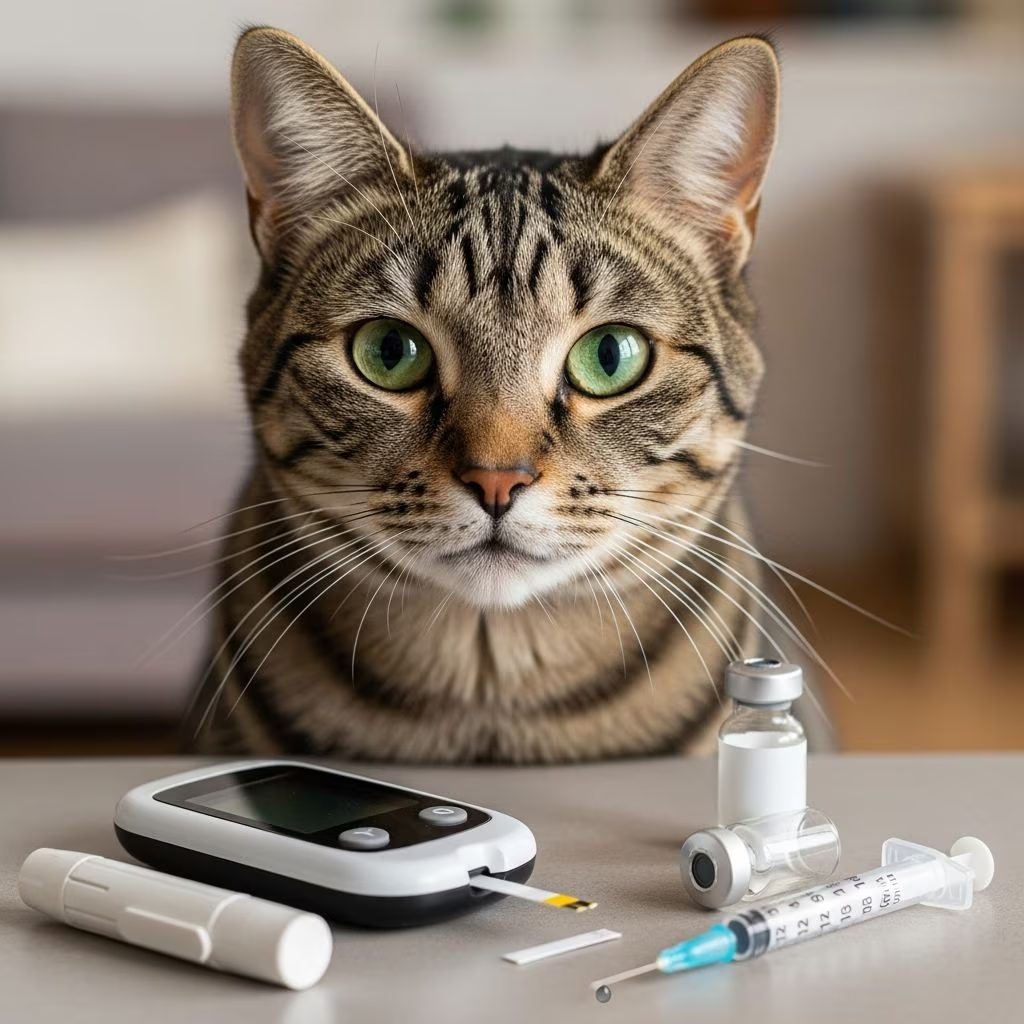
Diabetes mellitus represents a prevalent endocrine disorder in cats, disrupting their ability to regulate blood glucose levels effectively. This condition arises when the pancreas fails to produce sufficient insulin or when the body develops resistance to it, leading to hyperglycemia that impacts overall health. Early detection and proper management can significantly improve a cat’s quality of life, potentially even achieving remission in some cases.
Recognizing the Warning Signs
Owners often notice subtle changes in their cat’s behavior before receiving a formal diagnosis. The hallmark symptoms stem from the body’s inability to utilize glucose, prompting the kidneys to excrete excess sugar through urine, which draws water along with it.
- Excessive Thirst (Polydipsia): Cats drink far more water than usual to compensate for fluid loss, sometimes soaking through litter more frequently.
- Increased Urination (Polyuria): Larger volumes of urine production is common, leading to accidents outside the litter box.
- Unexplained Weight Loss: Despite a ravenous appetite, cats lose muscle and fat because glucose cannot enter cells for energy, forcing the body to break down proteins and fats[10].
- Heightened Appetite (Polyphagia): The cat appears hungrier as the brain signals starvation due to unavailable energy.
- Lethargy and Weakness: Reduced activity levels occur as energy reserves deplete, making playful cats more sedentary.
These signs can mimic other conditions like kidney disease or hyperthyroidism, underscoring the need for veterinary evaluation. Senior and overweight cats exhibit these symptoms more prominently, as age and obesity heighten vulnerability.
Root Causes and Risk Factors
Feline diabetes primarily manifests in two forms: insulin deficiency (similar to Type 1 in humans) and insulin resistance (akin to Type 2), with the latter being more common in cats. Obesity stands as the leading risk factor, impairing insulin sensitivity and promoting chronic inflammation.
| Risk Factor | Description | Prevalence Impact |
|---|---|---|
| Obesity | Excess fat leads to insulin resistance | Highest risk; common in indoor cats |
| Age (Senior Cats) | Pancreatic function declines over time | Affects cats over 7 years |
| Genetics | Burmese breeds more susceptible | Breed predisposition noted |
| Medications | Corticosteroids or progesterone | Induces secondary diabetes |
| Concurrent Diseases | Pancreatitis, hyperthyroidism | Mimics or triggers onset |
Other contributors include high-carbohydrate diets from dry kibble dominance and sedentary lifestyles in modern households. Unlike humans, stress rarely induces feline diabetes, but pancreatitis can damage insulin-producing beta cells.
Diagnostic Process Explained
Veterinarians confirm diabetes through a combination of clinical history, physical exams, and targeted tests. Bloodwork reveals persistent hyperglycemia (blood glucose over 200 mg/dL), often paired with elevated fructosugars for long-term averaging.
- Urinalysis: Detects glucose in urine (glucosuria), a key indicator since healthy kidneys reabsorb glucose.
- Blood Glucose Curve: Serial measurements track fluctuations over 12-24 hours to assess severity.
- Additional Screening: Rules out pancreatitis via SPEC-CPL tests or hyperthyroidism with T4 levels.
In cases of diabetic ketoacidosis (DKA), cats present with severe dehydration, rapid breathing, and acetone-scented breath, necessitating emergency intervention. Prompt diagnosis prevents progression to life-threatening states.
Core Treatment Strategies
Managing feline diabetes focuses on normalizing blood glucose, halting weight loss, and eliminating polydipsia/polyuria while avoiding hypoglycemia. A multimodal approach yields the best outcomes.
Insulin Therapy Fundamentals
Injectable insulin remains the cornerstone, administered subcutaneously once or twice daily. Common types include:
- Glargine (Lantus): Long-acting; highest remission rates for new cases, though costlier.
- Pimoctepin (ProZinc): FDA-approved for cats; intermediate duration.
- Lente (Vetsulin): Traditional option with reliable action.
Owners quickly learn to administer shots painlessly between the shoulder blades. Initial dosing requires trial adjustments via glucose curves, with home monitoring kits aiding fine-tuning. Remission occurs in 20-50% of cases, especially if treated early with glargine and weight loss.
Dietary Modifications for Stability
Low-carbohydrate, high-protein diets mimic a cat’s natural carnivorous needs, minimizing glucose spikes. Prescription wet foods excel here, providing hydration and precise nutrient profiles.
- Target <12% carbohydrates on a dry matter basis.
- Prioritize canned over dry to reduce carbs and support kidney health.
- Controlled feeding portions prevent obesity rebound.
Gradual weight reduction (1-2% body weight weekly) under vet supervision enhances insulin sensitivity.
Monitoring and Adjustments
Regular vet check-ups (every 1-3 months) track progress with fructosamine levels and curves. Home tools like glucometers (ear/foot prick) empower owners. Watch for hypoglycemia signs: shakiness, disorientation, seizures—treat with corn syrup immediately.
Complications and Emergency Care
Untreated diabetes escalates to DKA, where fat breakdown produces toxic ketones, causing acidosis, vomiting, and collapse—fatal without 3-10 days of hospitalization. Over-insulinization risks fatal lows, but education mitigates this.
Concurrent issues like infections or pancreatitis complicate control, requiring holistic management. Long-term, well-regulated cats enjoy near-normal lifespans.
Prevention Tactics for Cat Owners
Proactive steps curb diabetes incidence, especially in at-risk populations.
- Maintain ideal body weight via portion control and measured kibble.
- Opt for wet, low-carb foods; limit treats.
- Encourage play to combat inactivity.
- Annual senior wellness exams for early detection.
Avoid prolonged corticosteroid use unless essential. Neutered indoor cats benefit most from these habits.
Living with a Diabetic Cat: Daily Realities
Commitment yields rewards—many cats regain vitality post-stabilization. Consistent routines for meals, insulin, and litter checks build success. Support groups and apps track logs effectively.
Costs average $50-150 monthly for insulin/diet, offset by remission potential. Emotional bonds strengthen through diligent care.
Frequently Asked Questions (FAQs)
Can cat diabetes be cured?
Not cured, but up to 50% enter remission with early insulin (especially glargine), diet, and weight loss—no shots needed long-term.
Is it painful to give insulin injections?
Rarely; tiny needles and loose skin make it tolerable—cats often ignore it.
What diet is best for diabetic cats?
Low-carb (<12% DM), high-protein prescription wet foods; avoid dry-heavy regimens.
How do I know if my cat is hypoglycemic?
Look for weakness, tremors, vomiting, or seizures—rub honey on gums and call vet.
Does diabetes shorten a cat’s life?
Well-managed cases match healthy lifespans; untreated leads to fatal complications.
References
- Senior Cat Diabetes: Recognizing and Treating the Condition — Hope Crossing Animal Hospital. 2024-09-15. https://www.hopecrossing.com/site/blog/2024/09/15/senior-cat-diabetes
- Diabetes in Cats: Symptoms, Causes, and Treatments — GoodRx. Recent update within 24 months. https://www.goodrx.com/pet-health/cat/diabetes
- Feline Diabetes — Cornell University College of Veterinary Medicine. Recent. https://www.vet.cornell.edu/departments-centers-and-institutes/cornell-feline-health-center/health-information/feline-health-topics/feline-diabetes
- Cat Diabetes: Symptoms, Diagnosis, Treatment — Best Friends Animal Society. Recent. https://bestfriends.org/pet-care-resources/cat-diabetes-symptoms-diagnosis-treatment
- Diabetes in Cats: Signs, Treatment, and Prognosis — PetMD. Recent update within 24 months. https://www.petmd.com/cat/conditions/endocrine/c_ct_diabetes_mellitus
- Diabetes Mellitus in Cats – Overview — VCA Animal Hospitals. Recent. https://vcahospitals.com/know-your-pet/diabetes-mellitus-in-cats-overview



