

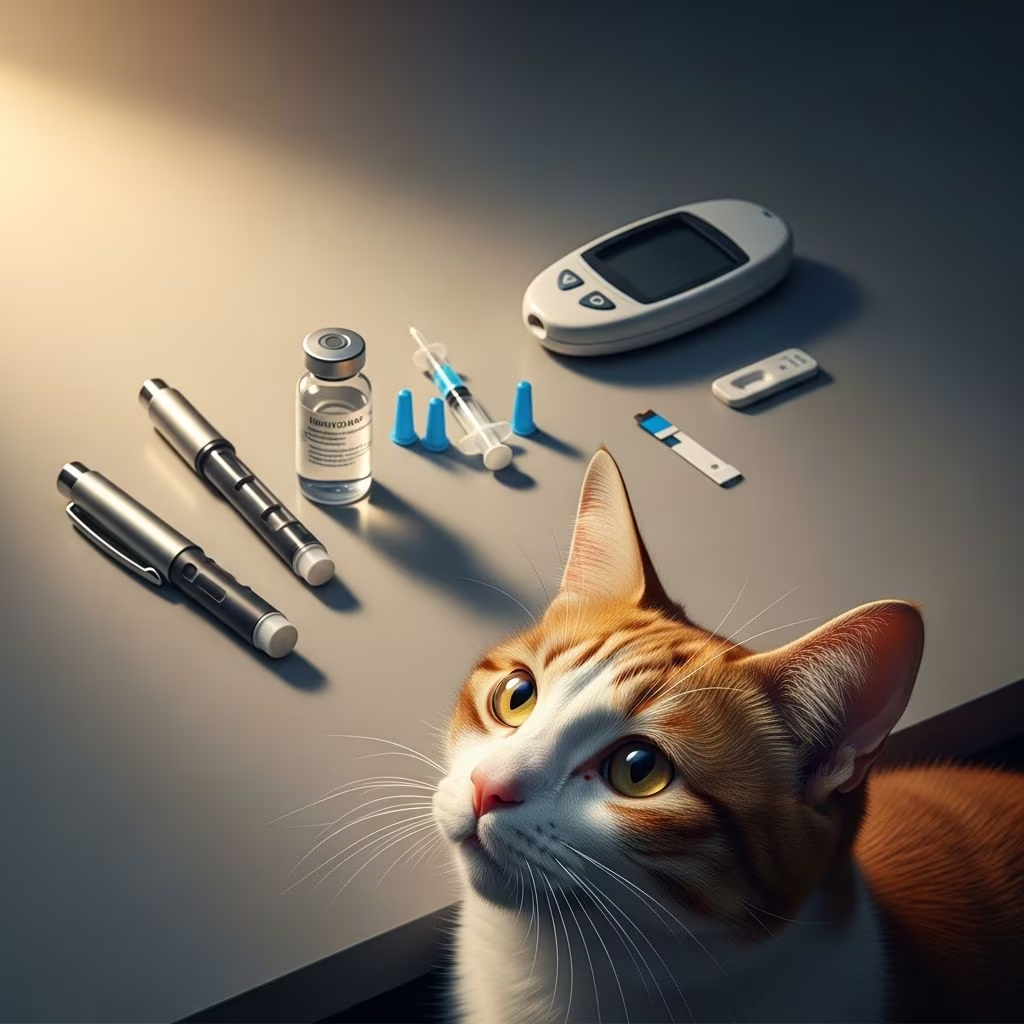
Diabetes mellitus represents a prevalent endocrine disorder in cats, characterized by the body’s inability to properly regulate blood glucose levels due to insufficient insulin production or ineffective insulin response. Primarily type 2 in felines, it often stems from obesity-induced insulin resistance, where cells fail to respond adequately to available insulin. Early detection and consistent management can lead to remission in many cases, particularly with weight normalization and targeted therapies.
Recognizing the Signs of Diabetes in Cats
Owners may notice subtle changes in their cat’s behavior and physical condition as diabetes develops. Common indicators include increased thirst and urination, as the kidneys work overtime to expel excess glucose from the bloodstream. Cats might drink more water, seek out unusual sources like faucets, and produce larger volumes of urine, sometimes leading to litter box accidents.
Weight loss despite a normal or increased appetite signals that glucose isn’t entering cells for energy, forcing the body to break down fat and muscle. Lethargy, poor coat quality, and weakness further compound the picture. In advanced stages, vomiting, dehydration, and a fruity breath odor may appear, hinting at diabetic ketoacidosis (DKA), a life-threatening complication where ketones build up in the blood.
- Excessive thirst (polydipsia): Cat drinks noticeably more water daily.
- Frequent urination (polyuria): Larger urine clumps or accidents outside the box.
- Unexplained weight loss: Despite hearty eating habits.
- Lethargy and weakness: Reduced playfulness and mobility.
- Changes in appetite: Either ravenous hunger or eventual disinterest in food.
These symptoms often develop gradually, so vigilant owners play a crucial role in early identification. Middle-aged to older cats, especially overweight ones, face higher risks.
Risk Factors and Underlying Causes
Several elements predispose cats to diabetes. Obesity tops the list, promoting insulin resistance by overwhelming cells with fat deposits that impair insulin signaling. Breeds like Burmese may have genetic susceptibilities, while conditions such as hypersomatotropism (excess growth hormone) exacerbate insulin deficiency.
Other contributors include chronic pancreatitis, which damages insulin-producing pancreatic cells, and concurrent diseases like hyperthyroidism or renal issues common in aging cats. Medications like corticosteroids can temporarily elevate blood sugar, mimicking diabetic states. Neutered males and indoor-only lifestyles correlate with higher incidence due to reduced activity and overfeeding.
| Risk Factor | Description | Impact Level |
|---|---|---|
| Obesity | Excess body fat leads to insulin resistance | High |
| Age (over 7 years) | Pancreatic function declines with time | High |
| Genetics (e.g., Burmese) | Inherited predisposition | Moderate |
| Hypersomatotropism | Growth hormone interferes with insulin | High |
| Inactivity | Indoor lifestyle promotes weight gain | Moderate |
Diagnostic Process for Confirmation
Veterinarians confirm diabetes through a combination of clinical history, physical exams, and lab tests. Bloodwork reveals persistent hyperglycemia (elevated glucose above 200 mg/dL fasting), while urinalysis detects glucose in urine (glucosuria) and possible ketones. Serum fructosamine levels provide a longer-term view of glucose control over 1-3 weeks, distinguishing stress hyperglycemia from true diabetes.
Additional screening rules out comorbidities: complete blood count, chemistry panel, thyroid tests, and imaging if pancreatitis or acromegaly is suspected. In crisis cases like DKA, hospitalization includes IV fluids, electrolytes, and intensive monitoring. Continuous glucose monitors (CGMs) offer real-time data, aiding precise diagnosis and initial therapy adjustments.
Treatment Options: From Insulin to Oral Innovations
Treatment aims to normalize blood glucose, halt weight loss, reduce thirst/urination, and prevent hypoglycemia. Most cats require lifelong management, but up to 30-50% achieve remission with prompt intervention.
Insulin Therapy: The cornerstone for many, involving subcutaneous injections once or twice daily. Options include glargine (Lantus), protamine zinc (ProZinc), or lente (Vetsulin). Dosing starts low (0.25-0.5 U/kg) and adjusts based on response. Consistency in timing, feeding, and environment is paramount.
Oral Medications: Recent approvals like bexagliflozin (Bexacat) and velagliflozin (Senvelgo), both SGLT2 inhibitors, promote glucose excretion via urine. Ideal for non-severely ill cats, they offer once-daily dosing without needles, though ketone monitoring is essential.
Dietary Management: Low-carbohydrate, high-protein wet foods mimic a cat’s natural diet, minimizing glucose spikes. Prescription diets facilitate weight loss in obese cats (1-2% body weight weekly under supervision). Feed small, frequent meals aligned with insulin peaks.
Daily Monitoring Strategies for Success
Effective oversight prevents complications and fine-tunes therapy. Home checks include weighing weekly, tracking water intake (normal: 50-60 mL/kg/day), and observing demeanor via tools like the ALIVE Diabetic Clinical Score (assessing appetite, lethargy, vomiting, energy).
Clinic visits at weeks 1, 2, 4 post-diagnosis involve blood glucose curves: pre-insulin sample, then hourly for 8-12 hours post-injection to plot peaks/nadirs. Fructosamine confirms trends; CGMs provide 24/7 interstitial glucose readings. Urine ketone strips detect early DKA risks, especially on SGLT2i.
- Record body weight, water bowl levels, litter output daily.
- Use apps for glucose logs if CGM-equipped.
- Watch for hypoglycemia signs: tremors, disorientation, seizures—treat with corn syrup if needed.
- Schedule fructosamine every 3 months for stable cats.
Potential Complications and How to Handle Them
Hypoglycemia arises from overdose, missed meals, or excess activity—symptoms demand immediate sugar sources followed by vet contact. DKA, marked by anorexia, vomiting, and ketonuria, requires hospitalization with fluids and short-acting insulin.
Plantar pododermatitis (inflamed footpads) from prolonged high glucose heals with control. Comorbidities like hypersomatotropism need specific therapies (e.g., radiation). Regular exams catch these early.
Pathways to Remission and Long-Term Wellness
Remission occurs when cats no longer need insulin, often within 6 months of tight control. Keys: early insulin initiation, low-carb diet, weight loss to ideal body condition. Glargine insulin shows high success rates. Gradual dose tapering follows confirmed normoglycemia.
Maintain indoor living, exercise via toys/lasers, and annual bloodwork. Caregiver education via diaries/apps ensures adherence.
Prevention Tips for At-Risk Cats
Proactive steps curb onset: sustain lean weight via portion control and activity; prioritize wet, low-carb foods; schedule senior wellness checks. Neutering benefits outweigh risks with balanced management.
Frequently Asked Questions
Can my cat live a normal life with diabetes?
Yes, with diligent care, many diabetic cats thrive, play, and achieve remission.
How often should I give insulin?
Typically 1-2 times daily; vet determines based on glucose curves.
Is a special diet necessary?
Low-carb prescription foods optimize control and support remission.
What if my cat skips a meal?
Skip insulin dose and call vet; hypoglycemia risk is high.
Are oral meds as effective as insulin?
For select cats, yes; they simplify care but require ketone checks.
References
- Diabetes Mellitus Principles of Treatment in Cats — VCA Animal Hospitals. 2023. https://vcahospitals.com/know-your-pet/diabetes-mellitus-principles-of-treatment-in-cats
- iCatCare 2025 consensus guidelines on the diagnosis and management of diabetes mellitus in cats — PMC (International Cat Care). 2025. https://pmc.ncbi.nlm.nih.gov/articles/PMC12612538/
- Feline Diabetes — Cornell University College of Veterinary Medicine. 2024. https://www.vet.cornell.edu/departments-centers-and-institutes/cornell-feline-health-center/health-information/feline-health-topics/feline-diabetes
- 2018 AAHA Diabetes Management Guidelines for Dogs and Cats (2022 Update) — American Animal Hospital Association (AAHA). 2022. https://www.aaha.org/wp-content/uploads/globalassets/02-guidelines/diabetes/2018-aaha-diabetes-management-guidelines-2022-update.pdf



