

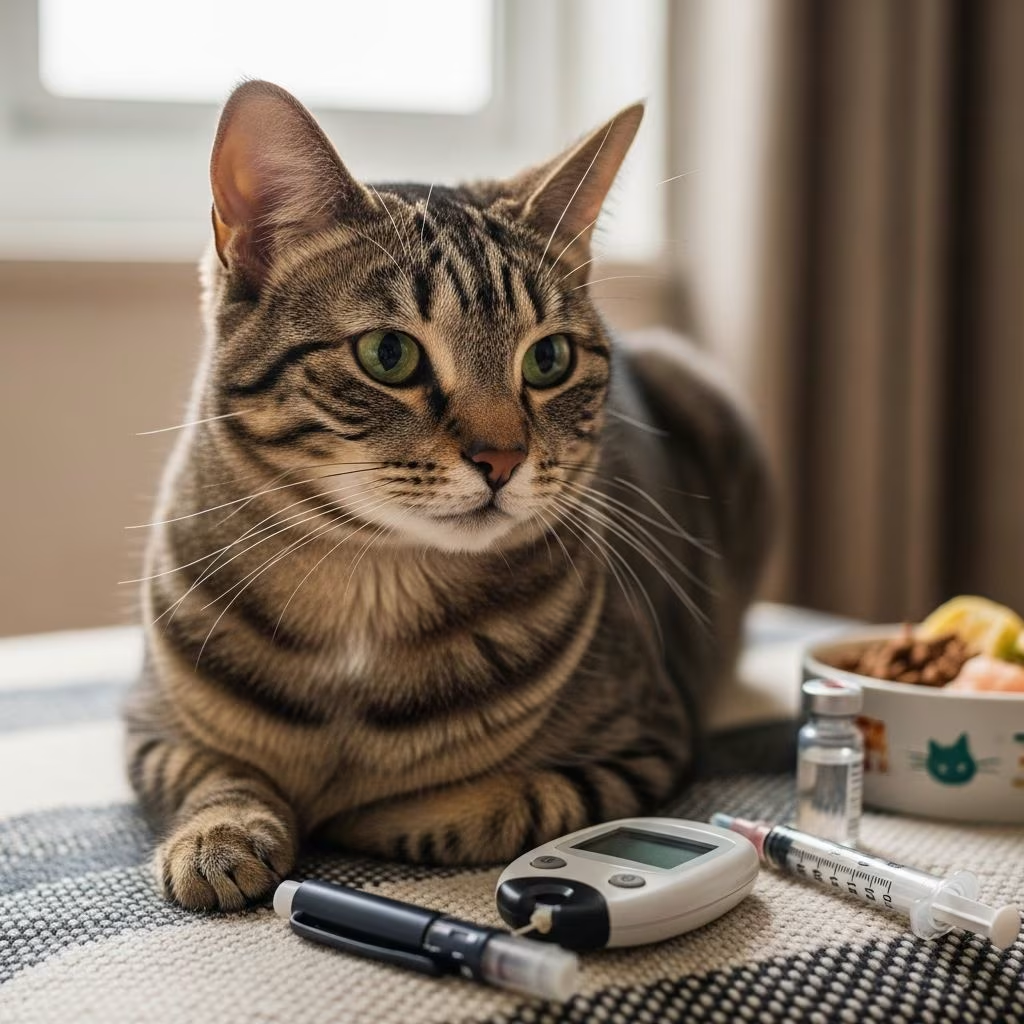
What Is Feline Diabetes and Why It Matters
Feline diabetes mellitus, commonly referred to as diabetes in cats, is a metabolic disorder where a cat’s body cannot properly produce or utilize insulin, leading to elevated blood glucose levels in the bloodstream. This chronic condition affects a significant portion of the feline population and requires ongoing management to maintain quality of life and prevent serious complications.
When a cat develops diabetes, the pancreas either fails to produce adequate amounts of insulin or the cat’s cells become resistant to the insulin that is being produced. Insulin serves a critical function: it allows cells throughout the body to absorb glucose from the bloodstream to use as energy. Without sufficient insulin or when cells cannot respond to insulin properly, glucose accumulates in the blood, creating a cascade of health issues that can affect multiple organ systems if left unmanaged.
Recognizing the Warning Signs
Early detection of diabetes in cats significantly improves treatment outcomes and increases the likelihood of achieving remission. Pet owners should be vigilant about observing changes in their cat’s behavior and bodily functions, as several distinct warning signs typically appear before a formal diagnosis is necessary.
- Excessive Thirst: One of the most noticeable early indicators is a dramatic increase in water consumption. Cats with diabetes drink substantially more water than normal, and this change is often one of the first symptoms owners notice.
- Frequent Urination: Accompanying the increased thirst is a corresponding increase in urination frequency and volume. The litter box may require more frequent cleaning, and some cats may even have accidents outside the litter box, which is unusual for typically fastidious felines.
- Appetite Changes: Diabetic cats often maintain a normal appetite or may even appear to eat more than usual, despite their deteriorating health status. This paradoxical increase in appetite combined with weight loss is particularly concerning.
- Unexplained Weight Loss: Despite maintaining or increasing food intake, diabetic cats frequently experience progressive weight loss. This occurs because their cells cannot properly utilize glucose for energy, forcing the body to break down muscle and fat for fuel.
- Lethargy and Behavioral Changes: As diabetes progresses, cats may become less active, spend more time resting, and show decreased interest in play or social interaction.
The Science Behind High Blood Sugar
Understanding the physiological mechanism of diabetes helps explain why the symptoms occur. When blood glucose rises above normal levels, the kidneys cannot reabsorb all the excess glucose, causing it to spill into the urine. Glucose molecules are osmotically active, meaning they draw fluid along with them through the kidneys. This process results in excessive urine production, which subsequently causes dehydration. To compensate for fluid loss, the cat’s body triggers increased thirst, creating the characteristic cycle of excessive drinking and urination observed in diabetic cats.
Risk Factors That Increase Vulnerability
Certain characteristics and circumstances make some cats more susceptible to developing diabetes than others. Understanding these risk factors allows owners to take preventive measures or monitor at-risk cats more closely.
| Risk Factor | Explanation |
|---|---|
| Obesity | Excess body weight significantly increases insulin resistance, making obesity one of the most important modifiable risk factors |
| Age | Diabetes most commonly affects middle-aged and senior cats, with incidence increasing with age |
| Sedentary Lifestyle | Lack of physical activity contributes to weight gain and metabolic dysfunction |
| Genetic Predisposition | Some cats inherit a genetic tendency toward insulin resistance or pancreatic dysfunction |
| Certain Medications | Corticosteroid medications and other drugs can induce or exacerbate diabetes |
| Concurrent Illness | Pancreatitis, hyperthyroidism, and hormone-related diseases increase diabetes risk |
| High-Carbohydrate Diet | Inappropriate diets high in carbohydrates promote insulin resistance and weight gain |
Diagnosis: From Suspicion to Confirmation
When a cat displays symptoms consistent with diabetes, veterinary confirmation through diagnostic testing is essential before beginning treatment. Diagnosis involves a combination of clinical examination and laboratory analysis to rule out other conditions that may mimic diabetes symptoms.
A veterinarian will typically order blood tests to measure fasting glucose levels and may perform glucose tolerance tests to assess how the body processes sugar. Urinalysis is also important, as the presence of glucose in the urine strongly suggests diabetes. Additionally, screening for other conditions such as kidney disease, hyperthyroidism, and pancreatitis is crucial, as these diseases can produce similar symptoms or contribute to diabetes development.
Some cats may present with diabetic ketoacidosis (DKA) at the time of diagnosis. This is a medical emergency where the body, unable to use glucose for energy, begins metabolizing fat at dangerously high rates, producing ketones that accumulate to toxic levels. Cats presenting with DKA require immediate intensive veterinary care and hospitalization.
Treatment Approaches for Diabetic Cats
Insulin Therapy: The Foundation of Treatment
Injectable insulin represents the cornerstone of diabetes management in cats and has long been considered the standard of care. Multiple insulin formulations are available, each with different characteristics and duration of action. Glargine insulin (Lantus) is frequently recommended for newly diagnosed diabetic cats, as research suggests that cats initiated on this particular insulin have the best chance of achieving diabetic remission. Lente insulin (Vetsulin) and protamine zinc insulin (ProZinc) are alternative options that may be suitable depending on individual circumstances.
Insulin injections are typically administered subcutaneously (under the skin) twice daily, though some cats respond well to once-daily injection schedules. The primary benefit of insulin therapy is its ability to restore normal blood glucose concentrations, thereby halting the cascade of metabolic dysfunction. Most cat owners find that administering injections becomes routine with proper training from their veterinarian, and cats typically tolerate the injections remarkably well.
Determining the appropriate insulin dose requires careful monitoring and adjustment. Some veterinarians prefer to hospitalize cats on the first day of insulin treatment to prevent hypoglycemia (excessively low blood sugar), as this complication can be dangerous. Once the cat has adjusted to insulin therapy, the dose is typically maintained or gradually reduced as dietary and other interventions take effect.
Dietary Intervention and Weight Management
Diet modification represents the second pillar of diabetes treatment and plays a crucial role in achieving long-term remission. A high-protein, low-carbohydrate diet significantly improves insulin sensitivity and allows the body to better regulate blood glucose levels naturally. Prescription diets formulated specifically for diabetic cats are available through veterinary channels and typically come in both wet and dry food varieties.
Wet or canned food is generally preferable to dry kibble for diabetic cats because it contains lower carbohydrate concentrations, provides higher protein content, and contains more natural moisture that supports hydration. Many veterinarians recommend feeding exclusively wet food to diabetic cats. For cats that are overweight at the time of diabetes diagnosis, gradual weight loss under close veterinary supervision is essential, as achieving an ideal body weight can dramatically improve insulin sensitivity and may even lead to remission.
Weight loss should occur slowly and methodically, typically at a rate of about one to two percent of body weight per week, to avoid complications such as hepatic lipidosis (fatty liver disease). Monitoring should include regular veterinary visits to assess progress and make dietary adjustments as needed.
Emerging Oral Medication Options
Beyond insulin and diet, newer oral medications are becoming available that may benefit certain diabetic cats. These medications work by reducing insulin resistance and minimizing damage to insulin-producing cells in the pancreas, potentially allowing the cat’s body to produce more of its own insulin. However, these medications are most appropriate for cats that still retain some insulin-producing capacity and must be discussed thoroughly with a veterinarian before implementation.
Preventing Serious Complications
Unmanaged or poorly managed diabetes can lead to numerous serious health complications that significantly compromise quality of life and longevity. Understanding these potential complications motivates consistent treatment adherence and regular monitoring.
- Diabetic Ketoacidosis: The most immediately life-threatening complication, DKA occurs when untreated diabetes allows ketone accumulation to reach toxic levels. This condition requires emergency hospitalization and intensive care.
- Neuropathy: High blood sugar can damage peripheral nerves, causing weakness particularly in the hind legs and altering normal gait.
- Recurrent Infections: Elevated glucose impairs immune function, making diabetic cats more susceptible to bacterial and fungal infections.
- Cataracts: Prolonged high blood glucose can cause lens opacity, potentially leading to blindness.
- Kidney and Liver Disease: Diabetes accelerates kidney disease progression and can contribute to liver dysfunction.
- Dehydration: The osmotic diuresis characteristic of uncontrolled diabetes leads to severe fluid loss and electrolyte imbalances.
Achieving Remission: Is It Possible?
One of the most encouraging aspects of feline diabetes management is that remission is achievable in many cats. Remission occurs when consistent treatment, appropriate diet, and weight loss reduce the toxic effects of high blood sugar on pancreatic cells, allowing these cells to resume normal insulin production. When remission is achieved, insulin injections can be gradually reduced and eventually discontinued.
The likelihood of remission is highest when diabetes is diagnosed and treated early, when cats begin insulin therapy promptly (particularly with glargine insulin), and when owners implement strict dietary management and achieve appropriate weight loss. Even cats who enter remission require ongoing monitoring, as diabetes frequently recurs later in life. Regular veterinary check-ups and glucose monitoring should continue indefinitely.
Monitoring and Long-Term Management
Successful diabetes management requires consistent monitoring and adjustment of treatment as needed. Regular veterinary visits allow the veterinarian to assess how well the treatment plan is working, monitor for complications, and make modifications to insulin doses or dietary recommendations. Home glucose monitoring may be recommended for some cats, teaching owners to check blood glucose levels to ensure treatment is achieving target ranges.
Maintaining detailed records of insulin administration, food intake, water consumption, and urination patterns helps veterinarians identify trends and make informed decisions about treatment adjustments. Consistency in daily routine—feeding at the same times, administering insulin on schedule, and maintaining stable activity levels—supports better glucose control.
Supporting Your Diabetic Cat
Beyond medical treatment, providing emotional support and maintaining quality of life is essential. Most cats adapt well to insulin injections when owners approach administration calmly and consistently. Creating a predictable routine reduces stress for both cat and owner. Ensuring access to fresh water, maintaining an appropriate diet, and providing gentle exercise appropriate to the cat’s age and fitness level all contribute to overall wellness.
References
- Feline Diabetes — Cornell University College of Veterinary Medicine. 2024. https://www.vet.cornell.edu/departments-centers-and-institutes/cornell-feline-health-center/health-information/feline-health-topics/feline-diabetes
- Cat Diabetes: Symptoms, Diagnosis, Treatment — Best Friends Animal Society. 2024. https://bestfriends.org/pet-care-resources/cat-diabetes-symptoms-diagnosis-treatment
- Diabetes in Cats: Signs, Treatment, and Prognosis — PetMD. 2024. https://www.petmd.com/cat/conditions/endocrine/c_ct_diabetes_mellitus
- Feline Diabetes Overview Fact Sheet — Davies Veterinary Specialists. 2024. https://www.vetspecialists.co.uk/fact-sheets-post/feline-diabetes-overview-fact-sheet/
- Symptoms, Diagnosis, and Caring for Your Diabetic Cat — Animal ER Volusia. 2024. https://animalervolusia.com/blog/feline-diabetes/



