

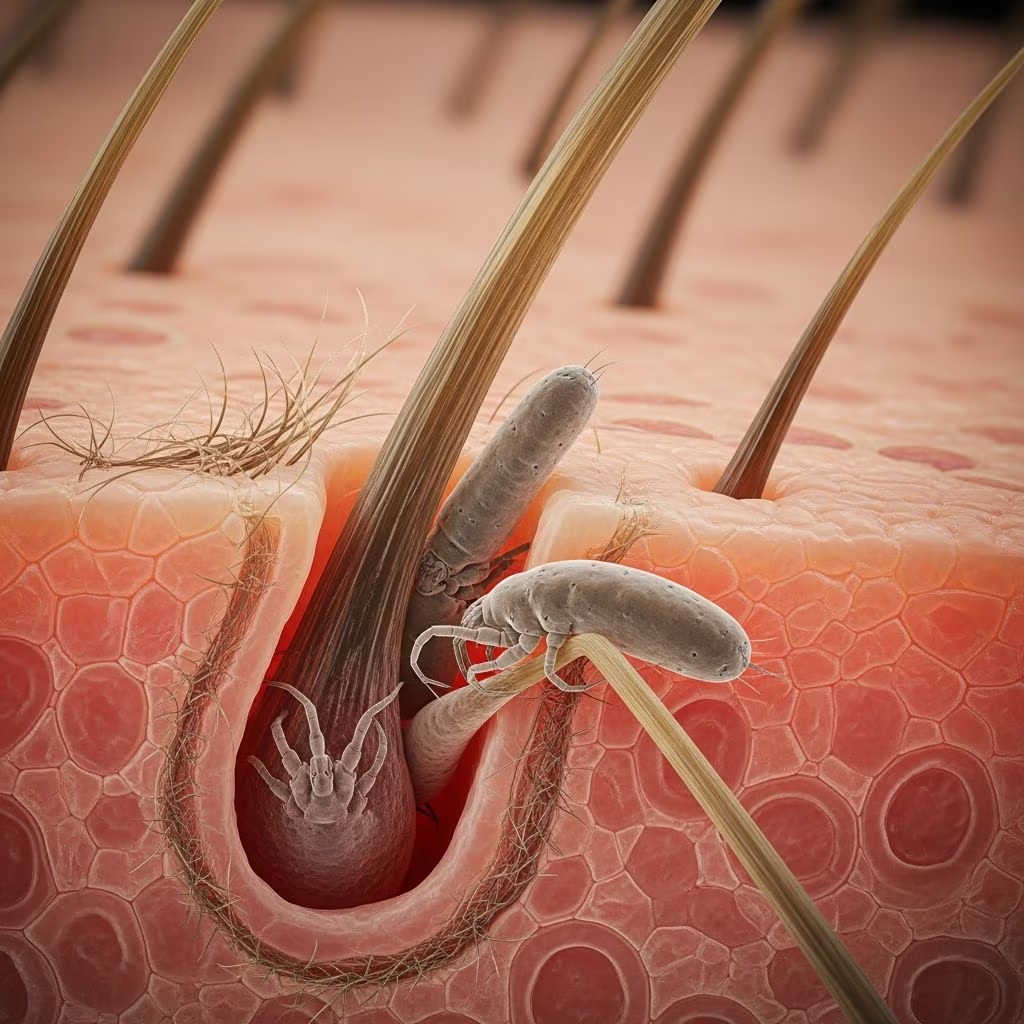
Understanding Feline Demodex: A Comprehensive Guide
Feline demodicosis is a skin condition caused by microscopic mites of the Demodex species that can affect cats. While these mites are often considered normal inhabitants of feline skin, an overgrowth can lead to clinical disease characterized by various dermatological manifestations. Understanding this condition is essential for cat owners and veterinary professionals to ensure prompt diagnosis and appropriate treatment. This guide provides detailed information about feline demodex, including its causes, clinical presentation, diagnostic approaches, and comprehensive treatment options.
What is Feline Demodex?
Feline demodicosis is an uncommon to rare skin disease caused by at least two species of demodectic mites. The most commonly identified species in cats include Demodex cati, Demodex gatoi, and occasionally other species. These microscopic mites are typically considered normal inhabitants of feline skin, similar to their presence in dogs and other mammals. However, when conditions favor their proliferation, an overgrowth occurs, leading to clinical disease.
Unlike localized mite infestations that may affect only small areas, feline demodex can develop into generalized disease affecting larger portions of the body. The condition is characterized by inflammation, hair loss, and various skin lesions that can significantly impact a cat’s quality of life.
Prevalence and Epidemiology
Demodicosis is rare in cats, making it a relatively uncommon diagnosis in feline dermatology. However, when it does occur, it often indicates an underlying health issue that requires investigation and management. The condition has been recognized in various countries and does show regional preferences in its occurrence.
Unlike dogs, where generalized demodicosis is a moderate to severe disease, feline demodicosis tends to present differently and requires a distinct approach to diagnosis and treatment. The rarity of the condition means that many veterinarians may encounter it infrequently, necessitating thorough knowledge and careful clinical evaluation.
Causes and Risk Factors
Understanding the underlying causes of feline demodex is crucial for successful treatment. Several factors can contribute to the development of demodicosis in cats:
Immunosuppression: Demodicosis is often associated with immunosuppressive conditions, such as feline leukemia virus (FeLV) and feline immunodeficiency virus (FIV). Additionally, diabetes mellitus can predispose cats to demodex overgrowth. Generalized Demodex cati mange is associated with an underlying medical condition such as FeLV/FIV infection or diabetes mellitus.
Other Immune Compromising Factors: Similar to dogs, conditions that compromise the immune system in cats can lead to demodex proliferation. These may include nutritional deficiencies, chemotherapy, or other systemic diseases.
Species-Specific Characteristics: While Demodex cati infestations are typically associated with underlying immune dysfunction, Demodex gatoi causes intense pruritus and can be transmitted between cats, making it contagious. This distinction is important for treatment planning and management.
Clinical Signs and Symptoms
Feline demodicosis can present with a variety of clinical manifestations. In cats, three species of demodex mites have been identified as causes of demodicosis, which may manifest as pruritus, miliary dermatitis, and/or self-induced alopecia.
Common clinical signs include:
Skin Lesions: Clinical signs may be quite variable and include alopecia, comedones, seborrhea, scale, papules, crusts, miliary dermatitis, erosions, and ulceration. Common symptoms include itch and crusty skin inflammation.
Pruritus: Itching is a common feature, particularly with Demodex gatoi infestations, where it can be intense. The constant scratching can lead to self-inflicted trauma and secondary infections.
Hair Loss: Alopecia ranging from localized to generalized patterns may occur, depending on the extent of the infestation.
Secondary Complications: Due to the intense itching and skin damage, secondary bacterial infections are common. The combination of primary demodex infection and secondary pyoderma can significantly complicate the clinical presentation.
Diagnosis of Feline Demodex
Accurate diagnosis is essential for appropriate treatment planning. Diagnosis of feline demodicosis can be a challenge as mites are not always readily found within scrapings of the skin examined microscopically. Several diagnostic methods are employed:
Skin Scrapings: The most common diagnostic approach involves performing deep skin scrapings to obtain samples for microscopic examination. However, due to the behavior of these mites, they may not always be readily identified on initial scrapings.
Hair Sample Collection: Collecting hair samples from affected areas can provide additional diagnostic information, as mites may be found within hair follicles.
Acetate Tape Preparation: This non-invasive technique involves using acetate tape to collect material from the skin surface, which can then be examined under the microscope. Diagnosis involves a skin scrape, collecting hair samples, and/or an acetate tape preparation to identify evidence of mites under microscopy.
Mineral Oil Application: Apply mineral oil to two to three areas with skin lesions to suffocate mites and bring them to the skin surface. Gently squeeze the skin in these areas to aid in mite collection.
Multiple Diagnostic Attempts: One or more species of demodex mite may be involved in an infestation, and diagnosis can be difficult. Veterinarians often recommend multiple diagnostic attempts and samples from different body areas to increase the likelihood of identifying the mites.
Underlying Disease Screening: Since demodicosis is frequently associated with underlying medical conditions, cats should be screened for FeLV, FIV, diabetes mellitus, and other immunosuppressive diseases as part of the diagnostic workup.
Treatment Options
Treatment of demodicosis depends on which Demodex species is involved. With D. cati, successful treatment depends on identifying and addressing the underlying cause of immunosuppression. Not all infected cats have a suppressed immune system, but many do, and these cats cannot be successfully treated until immunosuppression is addressed.
Miticidal Therapy
Several options exist for treating the demodex mites themselves:
Topical Treatments: The options for addressing D. cati mites include topical treatments or oral medications. Treatment with lime sulfur dips once weekly for four to five weeks is usually safe and effective. Lime sulfur has been used traditionally and remains effective, though it may require multiple applications.
Oral Medications: Oral ivermectin has been used successfully in some cases. Oral ivermectin, 0.2–0.3 mg/kg every 24 hours or every 48 hours, has been used successfully in some cases; note there is some potential for neurotoxicity with this medication. Treatment consists of the extralabel use of a parasite product shown by clinical studies to be effective in eliminating feline Demodex mites and resolving skin lesions in two months.
Injectable Medications: Ivermectin (200 mcg/kg, PO or SC, 2–4 treatments 2 weeks apart) is very effective and usually curative. However, ivermectin at this dosage is contraindicated in avermectin-sensitive breeds.
Monthly Parasite Products: Revolution Plus should be re-applied monthly until resolution of the infection. This approach provides ongoing protection while managing the infestation.
Managing Underlying Conditions
Treatment is only successful as long as any underlying immune system disorders are addressed or ruled out. This is perhaps the most critical aspect of feline demodex management. Treating secondary skin infections (bacterial or fungal) is also critical for treatment to work.
Cats with Demodex cati mange likely have other medical conditions such as FeLV or FIV or diabetes that must be treated and monitored for best opportunity to recover from the mange infection. The prognosis for cure of the mange is guarded if underlying medical conditions are identified.
Symptomatic Treatment
Additional medications may be prescribed to manage symptoms and improve comfort:
Anti-inflammatory Medications: Meloxicam can be prescribed for inflammation management.
Pain Management: Gabapentin may be recommended for pain relief, particularly in cats experiencing significant discomfort from skin lesions.
Topical Antibiotics: Triple antibiotic ophthalmic ointment may be prescribed for purulent ocular discharge and eye discomfort if the condition affects the eye area.
Antibiotic Therapy: Antibiotics are given to address secondary bacterial skin infections, which commonly develop due to scratching and skin trauma.
Prognosis and Outcomes
The prognosis for feline demodex varies depending on several factors. Prognosis depends on the extent of any additional related conditions, but is generally good. However, treatments are generally successful at eliminating Demodex gatoi mites, but the itching may persist for several weeks after the mites are dead.
Some cases resolve without treatment, particularly localized infestations. However, generalized demodicosis and cases associated with underlying immunosuppressive conditions typically require active treatment and management of the underlying disease.
Contagiousness and Management Considerations
An important distinction exists between different Demodex species regarding contagiousness. Demodex gatoi causes intense pruritus and skin trauma from constant scratching causes secondary complications. Cats with Demodex gatoi mange should stay in the shelter for two to four weeks since the infection is contagious.
In contrast, Demodex cati is not considered contagious. Cats with Demodex cati mange can stay in a foster home until recovery, where they can receive ongoing medical management and monitoring.
Monitoring and Follow-Up Care
Successful management of feline demodex requires ongoing monitoring and evaluation. Recheck progress at two weeks, four weeks, and eight weeks post-treatment. Repeat the skin scrapings at four weeks and eight weeks to assess treatment efficacy.
Regular veterinary evaluation ensures that treatment is effective, underlying conditions are being managed appropriately, and any complications are identified and addressed promptly. This comprehensive approach maximizes the likelihood of successful resolution.
Frequently Asked Questions
Q: Is feline demodex common in cats?
A: No, demodicosis is rare in cats. It is an uncommon diagnosis in feline dermatology, which means many veterinarians may encounter it infrequently.
Q: How is feline demodex diagnosed?
A: Diagnosis involves skin scrapings, hair sample collection, and acetate tape preparations examined under a microscope. Multiple attempts from different body areas may be necessary, as mites are not always readily found on initial examination.
Q: Can feline demodex be cured?
A: Prognosis is generally good, but depends on identifying and treating any underlying immunosuppressive conditions. Successful treatment requires both miticidal therapy and management of underlying diseases such as FeLV, FIV, or diabetes.
Q: Is feline demodex contagious to other cats?
A: Demodex gatoi is considered contagious between cats, while Demodex cati is not typically contagious. Management recommendations differ based on the species involved.
Q: How long does treatment for feline demodex take?
A: Treatment typically spans several weeks to months. Lime sulfur dips are given weekly for four to five weeks, while oral medications and monthly parasite products may be continued until complete resolution is confirmed through repeated skin scrapings at four, eight, and twelve weeks.
Q: What should I do if my cat is diagnosed with demodex?
A: Work with your veterinarian to identify and treat any underlying health conditions, administer prescribed miticidal therapy, treat secondary infections, and attend all scheduled follow-up appointments. Ensure your cat receives any additional symptomatic medications prescribed for pain and inflammation management.
References
- Demodex spp. – Companion Animal Parasite Council Guidelines — Companion Animal Parasite Council. https://capcvet.org/guidelines/demodex/
- Feline demodicosis: A consideration in the itchy or overgrooming cat — National Center for Biotechnology Information. 2024. https://pmc.ncbi.nlm.nih.gov/articles/PMC10822434/
- Treatment of Feline Demodex Mange – Standard Operating Procedure — University of Florida Shelter Medicine. 2022. https://sheltermedicine.vetmed.ufl.edu/
- Mange in Dogs and Cats – Integumentary System — MSD Veterinary Manual. https://www.msdvetmanual.com/integumentary-system/mange/mange-in-dogs-and-cats
- Feline Demodex — VCA Animal Hospitals. https://vcahospitals.com/know-your-pet/feline-demodex
- Mite Infestation (Mange, Acariasis, Scabies) of Cats — Merck Veterinary Manual. https://www.merckvetmanual.com/cat-owners/skin-disorders-of-cats/mite-infestation-mange-acariasis-scabies-of-cats



