

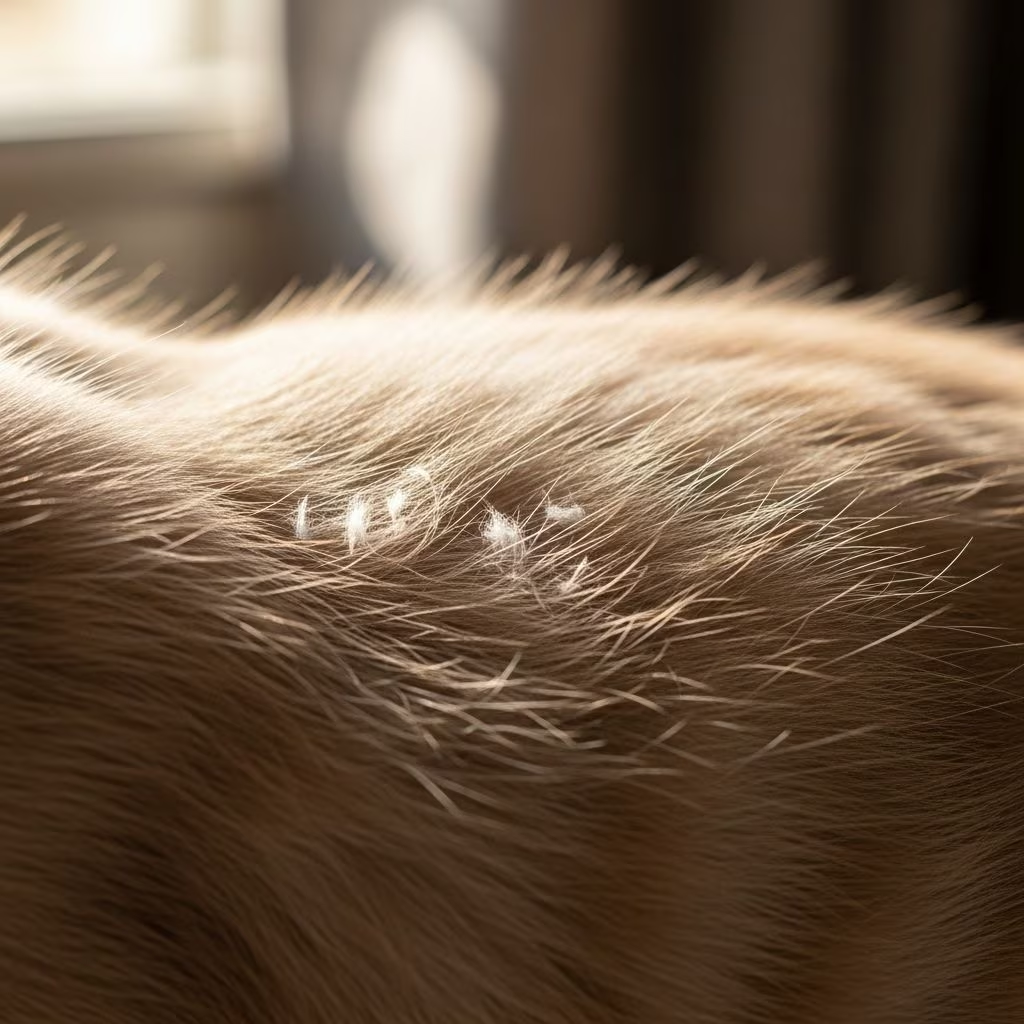
Noticing white flakes in your cat’s fur can be unsettling for any pet owner. Feline dandruff, characterized by visible flaking of the skin, is more common than many realize and can indicate anything from minor environmental issues to more serious underlying health conditions. Unlike human dandruff, which is often merely cosmetic, cat dandruff frequently signals that your feline companion requires attention and care. Understanding what causes these skin flakes and knowing how to address them effectively can help restore your cat’s comfort and maintain their coat quality.
The Moisture Factor: Environmental and Hydration Influences
One of the most straightforward causes of feline dandruff relates to moisture levels in your cat’s environment and body. During winter months or in homes with naturally low humidity, the air becomes exceptionally dry, stripping moisture from your cat’s skin and causing it to become irritated and flaky. Cats living in heated indoor spaces during cold weather are particularly susceptible to this issue, as their skin lacks adequate moisture to maintain its natural protective barrier.
Hydration status plays an equally important role in maintaining healthy skin. Cats that drink insufficient water or consume primarily dry kibble may experience dehydration that manifests as flaky, uncomfortable skin. Indoor cats sometimes neglect their water intake, particularly if their water bowl is positioned far from their favorite resting areas or if they prefer running water. Installing a cat water fountain can encourage better hydration habits while also addressing the moisture concerns affecting your pet’s skin quality.
Nutritional Deficiencies and Dietary Imbalances
The quality and composition of your cat’s diet directly influence skin and coat health. Diets lacking essential omega-3 fatty acids, high-quality proteins, or vital vitamins can result in compromised skin integrity and increased flaking. These nutrients are fundamental to maintaining the skin barrier and promoting a lustrous, healthy coat. Cats receiving inadequate nutrition develop dry, brittle skin that easily flakes and becomes susceptible to secondary complications.
Food allergies represent another significant dietary concern that manifests through dandruff and related symptoms. Common food allergens in feline diets include certain proteins, grains, or additives that trigger inflammatory responses affecting the skin. When a cat has a food allergy, the reaction often extends beyond simple itching to include visible flaking, redness, and sometimes hair loss. Working with your veterinarian to identify and eliminate problematic ingredients can produce remarkable improvements in your cat’s skin condition within weeks.
Parasitic Infestations and Skin Conditions
Parasitic organisms represent a significant yet often overlooked cause of feline dandruff. Fleas, mites, lice, and ticks irritate the skin and trigger inflammatory responses that manifest as flaking and discomfort. Among these parasites, Cheyletiella mites deserve special attention, as they are commonly referred to as “walking dandruff” due to the distinctive white appearance they create on an infected cat’s fur. These microscopic mites cause intense itching and leave visible dandruff-like debris across the cat’s body.
Beyond parasitic infestations, various fungal and bacterial infections compromise skin health and produce dandruff as a symptom. Ringworm, despite its name being a fungal rather than parasitic infection, frequently affects cats and causes scaly, flaky skin alongside hair loss and redness. These infections demand prompt veterinary intervention, as they can spread to other animals and sometimes to humans in a household. Additionally, certain hereditary conditions, such as primary seborrhea found in Persian cats, predispose specific breeds to persistent skin flaking regardless of environmental or dietary factors.
Grooming Challenges and Physical Limitations
As cats age or experience physical changes, their ability to maintain proper grooming routines often diminishes significantly. Older cats, particularly those developing arthritis or experiencing pain with movement, struggle to reach all areas of their body and maintain adequate grooming practices. Similarly, overweight cats find it increasingly difficult to bend, stretch, and clean themselves thoroughly, resulting in accumulated oils, dead skin cells, and visible dandruff.
Dental disease and other sources of pain also discourage cats from engaging in normal grooming behaviors. When cats experience discomfort, they naturally reduce movement and self-care activities, allowing skin debris to accumulate. Recognizing these limitations and providing additional support through professional grooming or veterinary-assisted care can help manage the resulting dandruff while addressing the underlying mobility concerns.
Environmental Allergies and Skin Sensitivities
Environmental allergens including pollen, dust mites, mold spores, and household cleaning products can trigger allergic reactions manifesting as itchy, flaky skin. These allergies cause inflammation that disrupts the skin’s natural moisture barrier, leading to excessive flaking. Unlike seasonal allergies in humans, environmental sensitivities in cats often persist throughout the year if the triggering allergen remains present in the home.
Cats with environmental allergies typically display additional symptoms beyond dandruff, including excessive scratching, licking, or biting at their skin, and sometimes facial swelling or respiratory signs. Identifying and minimizing exposure to known allergens—whether through air purifiers, changes in cleaning products, or environmental modifications—can significantly reduce allergic responses and associated skin problems.
Underlying Health Conditions and Systemic Issues
Dandruff sometimes signals more serious systemic health conditions requiring professional medical evaluation. Endocrine disorders such as hyperthyroidism and diabetes mellitus frequently present with flaky skin as one of their dermatological manifestations. Similarly, kidney disease causes dehydration that manifests through dry, flaky skin alongside other clinical signs. Pancreatitis, inflammatory bowel disease, and various forms of cancer can all produce dandruff as a secondary symptom of the primary condition.
Autoimmune skin conditions, though less common, represent another category of serious disorders that cause persistent dandruff and skin problems. These conditions demand comprehensive diagnostic evaluation and often require ongoing medical management. The presence of dandruff combined with other systemic symptoms—such as weight loss, behavior changes, appetite alterations, or lethargy—warrants immediate veterinary consultation to identify any underlying health concerns.
Comprehensive Treatment Approaches
Addressing feline dandruff effectively requires identifying its underlying cause and implementing targeted interventions. Treatment strategies vary considerably depending on the diagnosis, ranging from simple environmental adjustments to medical interventions prescribed by your veterinarian.
Environmental and Hydration Modifications
For dandruff caused by dry conditions, installing a humidifier in areas where your cat spends significant time can substantially improve skin moisture. Maintaining humidity levels between 40-60% supports skin health and reduces flaking. Simultaneously, encourage increased water consumption by positioning multiple water bowls throughout your home, ensuring fresh water remains continuously available, or investing in a cat water fountain that appeals to many cats’ preference for moving water.
Nutritional Interventions
Upgrading to high-quality cat food containing appropriate levels of omega-3 fatty acids, protein, and essential vitamins addresses nutritional deficiency-related dandruff. Omega-3 supplements specifically formulated for cats can provide additional support for skin health. Your veterinarian can recommend feline-appropriate supplements that avoid contaminants or heavy metals sometimes found in human-grade products. For cats with food allergies, elimination diets help identify problematic ingredients, allowing transition to more suitable alternatives.
Parasitic Management
Consistent flea and mite prevention is essential for maintaining healthy skin and preventing dandruff caused by parasitic infestations. Year-round parasite prevention protects against reinfestation and eliminates existing populations. If parasitic infection is identified, your veterinarian will recommend appropriate treatments targeting the specific organism affecting your cat.
Medical Treatments
For bacterial or fungal infections, veterinary-prescribed antibiotics or antifungal medications provide necessary treatment. Anti-seborrheic shampoos and specialized topical treatments can help manage symptoms while medical therapy addresses underlying causes. In cases where standard interventions prove insufficient, your veterinarian may recommend oral medications including steroids or immunosuppressive agents.
When Professional Evaluation Becomes Essential
While many cases of feline dandruff respond to home-based interventions, certain circumstances demand professional veterinary evaluation. Schedule a veterinary appointment if your cat’s dandruff persists despite environmental improvements, appears accompanied by other symptoms including excessive scratching, hair loss, skin redness, or behavioral changes, or if your cat displays signs of illness such as weight loss, appetite changes, or lethargy. Your veterinarian can perform diagnostic tests, identify underlying causes, and recommend appropriate treatments tailored to your specific cat’s needs.
Prevention and Long-Term Management
Maintaining your cat’s skin health through consistent preventive measures reduces the likelihood of developing problematic dandruff. Ensure adequate hydration through multiple water sources, provide nutritionally complete food containing appropriate levels of essential fatty acids and proteins, maintain consistent parasite prevention, support grooming through regular brushing particularly for older or overweight cats, and keep indoor humidity at appropriate levels during dry seasons. Regular veterinary check-ups allow early identification of developing health issues before they manifest as skin problems.
References
- Why Does My Cat Have Dandruff — North Jersey Animal Hospital. 2024. https://northjerseyanimalhospital.com/blog/cat-dandruff/
- Why Does My Cat Have Dandruff And How Can I Get Rid Of It — North Kenny Veterinary Clinic. 2024. https://northkennyvet.com/blog/cat-dandruff-columbus-oh/
- Can Cats Get Dandruff — Cats Protection UK. 2024. https://www.cats.org.uk/cats-blog/can-cats-get-dandruff
- Dandruff in Cats — PetMD. 2024. https://www.petmd.com/cat/symptoms/dandruff
- Possible Reasons and Solutions for Your Cat’s Dandruff — Birch Lake Animal Hospital. 2024. https://birchlakeanimalhospital.com/blog/cat-dandruff/
- What Causes and How to Get Rid of Cat Dandruff — Purina. 2024. https://www.purina.com/articles/cat/health/symptoms/cat-dandruff
- Don’t Brush Off Feline Dandruff — Texas A&M School of Veterinary Medicine & Biomedical Sciences. 2024. https://vetmed.tamu.edu/news/pet-talk/dont-brush-off-feline-dandruff/



