

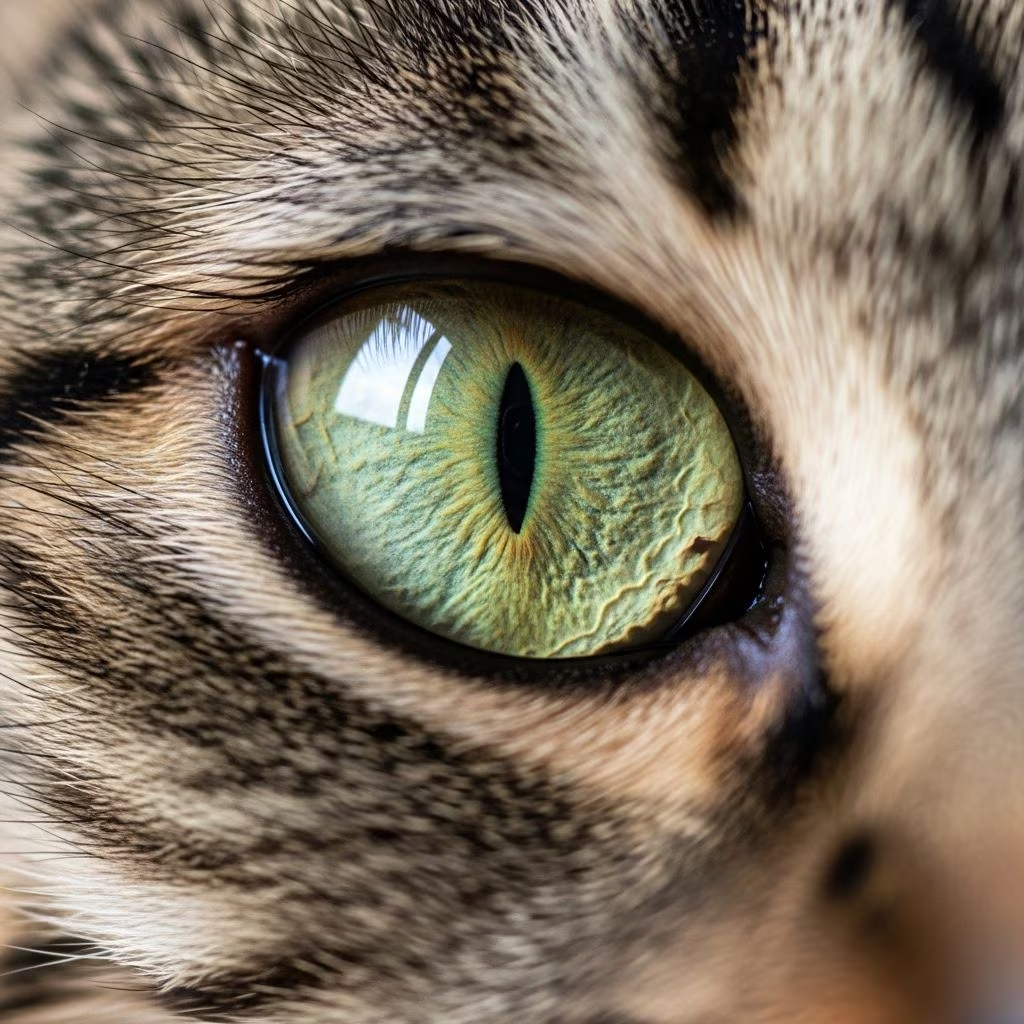
The cornea serves as the eye’s protective outer layer and is essential for clear vision in cats. When this delicate structure becomes damaged or diseased, it can cause significant discomfort and potentially threaten your cat’s vision. Understanding the various corneal conditions that affect felines, their underlying causes, and available treatment options enables cat owners to recognize problems early and seek appropriate veterinary care.
Understanding the Cornea and Its Functions
The feline cornea is a transparent dome-shaped structure located at the front of the eye. It comprises multiple layers working together to maintain clarity and protect internal eye structures. The cornea refracts light to help focus images on the retina, serves as a barrier against pathogens and foreign materials, and contributes significantly to your cat’s ability to see the world around them.
Because the cornea is exposed to the environment, it is susceptible to various injuries and diseases. Any disruption to its integrity can cause pain, inflammation, and vision problems. The severity of corneal issues ranges from minor abrasions that heal within days to serious ulcerations requiring surgical intervention.
Surface Defects and Ulcerative Conditions
Corneal ulcers represent one of the most common corneal problems in cats. These develop when layers of the corneal surface are lost due to trauma, infection, or underlying disease. An ulcer may begin as a simple abrasion but can progress to deeper layers if left untreated.
Causes of corneal ulceration include:
- Traumatic injuries from scratches, fights, or foreign objects
- Viral infections, particularly feline herpesvirus-1
- Bacterial and fungal infections
- Dry eye syndrome
- Entropion or other eyelid abnormalities causing chronic rubbing
- Chemical burns or foreign body penetration
Cats with corneal ulcers display obvious signs of discomfort. Affected animals squint frequently, avoid bright light, produce excessive tearing or discharge, and often rub at their eyes with their paws. The eye may appear red and inflamed, and the normally clear cornea may develop a cloudy or hazy appearance.
Herpesviral Keratitis: A Persistent Challenge
Feline herpesvirus-1 causes a particularly problematic form of corneal disease in cats. This virus uniquely infects and destroys corneal epithelial cells, leading to ulceration that can be slow to heal and prone to recurrence throughout a cat’s lifetime. Stress is a significant trigger for viral reactivation, making management of these cases especially complex.
The herpesviral origin of a corneal ulcer influences treatment strategy significantly. Because aggressive treatment can actually increase stress and trigger more frequent viral reactivation, a balanced approach is necessary. Veterinarians must provide adequate medication while minimizing environmental stressors to prevent the cycle of recurrent ulceration.
Corneal Sequestration: Breed-Specific Disease
Corneal sequestration represents a distinct condition where a localized area of corneal tissue dies and separates from surrounding healthy tissue. This condition is particularly prevalent in certain cat breeds, with Persian, Himalayan, and Siamese cats showing higher predisposition.
The affected area becomes painful, inflamed, and brown or black in appearance. Unlike some other corneal conditions, sequestration requires definitive surgical treatment rather than medical management alone. The necrotic tissue must be surgically removed, and the resulting defect is often covered with grafted conjunctival tissue to promote healing and restore function.
Inherited Corneal Dystrophies
Some cats inherit predispositions to corneal disease through genetic factors. Corneal dystrophies represent a group of inherited conditions affecting corneal clarity and structure.
Types of inherited corneal dystrophy include:
- Stromal Corneal Dystrophy: Affects the middle layer of the cornea and typically does not require treatment
- Epithelial Corneal Dystrophy: Involves the outer layers and may occasionally cause discomfort
- Endothelial Corneal Dystrophy: Affects the innermost layer and may require management with contact lenses or surgical intervention
Inherited dystrophies may progress slowly without causing significant clinical signs, particularly stromal variants. However, some cats develop secondary complications requiring veterinary attention.
Diagnosing Corneal Problems
Accurate diagnosis is essential for determining appropriate treatment. Veterinarians employ several diagnostic techniques to evaluate corneal integrity and identify the underlying cause of disease.
Specialized fluorescent dyes applied to the eye help reveal ulcers and abrasions that might not be visible to the naked eye. These dyes bind to damaged areas, creating distinctive patterns that indicate the extent and depth of corneal involvement. Additional diagnostic tools may include viral testing for herpesvirus, bacterial cultures to identify infectious organisms, and examination of tear production to assess for dry eye conditions.
Medical Management Approaches
Most corneal conditions initially receive medical treatment aimed at promoting healing and preventing progression.
Key components of medical therapy include:
- Antibiotic medications: Potent topical antibiotics prevent bacterial superinfection, which commonly complicates corneal ulcers
- Pain management: Oral pain medications and anti-inflammatory drugs address discomfort, while atropine drops relax eye muscles
- Protective measures: Elizabethan collars prevent cats from rubbing injured eyes, which would worsen damage
- Antiviral therapy: For herpesvirus-related ulcers, medications like cidofovir or lysine suppress viral replication
- Serum therapy: The liquid portion of blood contains healing proteins and nutrients that promote corneal repair
- Tear substitutes: Lubricating drops and ointments maintain moisture and support healing
The goal of medical treatment is to halt cellular loss, prevent corneal rupture, and minimize scarring during the healing process. Simple abrasions and superficial ulcers typically heal within three to five days with appropriate care.
Addressing Underlying Causes
Successful treatment requires identification and resolution of the primary cause of corneal disease. For example, if a corneal ulcer results from dry eye syndrome, treatment focuses on stimulating tear production and providing lubrication rather than simply addressing the ulcer itself.
Cats with recurrent herpesvirus-induced ulcers may require long-term lysine supplementation to suppress viral reactivation. Similarly, cats with eyelid abnormalities causing chronic corneal irritation need surgical correction of the underlying eyelid problem to prevent recurrent ulceration.
Surgical Interventions for Advanced Cases
When medical management proves insufficient, surgical procedures offer additional options for promoting corneal healing and protecting the eye.
Surgical techniques include:
- Grid keratectomy: Removal of dead or poorly healing corneal tissue layers to stimulate regeneration
- Corneal grafts: Transplantation of healthy corneal tissue to replace damaged areas
- Third eyelid flaps: Surgical coverage of corneal defects to protect underlying tissue while healing occurs
- Conjunctival grafting: Transfer of conjunctival tissue to cover corneal sequestration sites and other extensive defects
These procedures are reserved for cases resistant to medical therapy or those involving deep ulceration at risk of perforation. While surgery can be beneficial, results are sometimes inconsistent, particularly with corneal transplantation. Your veterinarian will recommend the most appropriate approach based on your cat’s specific situation.
Chronic Conditions Requiring Ongoing Management
Some cats develop chronic corneal disease requiring long-term treatment rather than cure. Feline herpesvirus-induced ulcers exemplify this challenge, as cats may experience recurrent episodes throughout their lives.
Management of chronic corneal disease involves regular veterinary monitoring, consistent medication administration, and stress reduction strategies. Feliway diffusers or other environmental modifications may help decrease the frequency and severity of herpesvirus recrudescence. Owners must maintain vigilance for signs of ulcer recurrence, including increased squinting, ocular discharge, or behavioral changes suggesting eye discomfort.
Contact Lenses and Alternative Therapies
For certain corneal conditions, particularly endothelial dystrophies, specialized contact lenses offer an alternative management option. These therapeutic lenses protect the corneal surface, improve comfort, and may enhance healing in selected cases.
Serum therapy represents an emerging treatment that shows promise in promoting corneal healing. This approach uses the cat’s own blood serum, prepared specifically for that individual, as therapeutic eye drops containing natural healing factors and proteins.
Prevention and Early Recognition
While not all corneal disease is preventable, certain measures reduce risk. Maintaining indoor environments free from sharp objects minimizes traumatic injury risk. Regular eye examinations allow veterinarians to identify problems early before they progress.
Recognizing early signs of corneal disease enables prompt intervention. Any cat displaying ocular discharge, persistent squinting, cloudiness, or signs of eye pain requires immediate veterinary evaluation. Early diagnosis and treatment typically result in better outcomes than waiting for signs to worsen.
Living with Cats with Corneal Disease
Cats recovering from corneal injury or managing chronic corneal conditions require special care at home. E-collars prevent self-trauma while the cornea heals. Consistent medication administration is essential—missing doses allows disease progression and jeopardizes healing.
Environmental enrichment appropriate to the cat’s vision status helps maintain quality of life. Cats with temporary vision compromise benefit from predictable environments with familiar object placement. Most cats adapt remarkably well to minor or temporary vision changes.
Working with Your Veterinary Team
Successful management of feline corneal disease depends on strong communication between cat owners and veterinarians. Report all observations regarding eye appearance, discharge character, behavioral changes, and medication tolerability. Ask questions about your cat’s diagnosis, prognosis, and treatment options.
Attend all recommended recheck examinations, which allow your veterinarian to assess healing progress and adjust treatment as needed. Some corneal conditions require frequent rechecks initially, then progress to less frequent monitoring as healing progresses.
Your veterinarian is the best resource for understanding your individual cat’s corneal condition and determining the most appropriate treatment approach. Each cat’s situation varies based on the specific condition, overall health status, breed predispositions, and underlying causes.
References
- Corneal Disease (Inherited) in Cats — PetMD. https://www.petmd.com/cat/conditions/eyes/c_ct_corneal_dystrophies
- Cat Corneal Ulcer: Causes, Treatments, and FAQs — PetMD. https://www.petmd.com/cat/conditions/eyes/c_ct_corneal_ulcers
- Corneal Ulcers in Cats — VCA Animal Hospitals. https://vcahospitals.com/know-your-pet/corneal-ulcers-in-cats
- Disorders of the Cornea in Cats — Merck Veterinary Manual. https://www.merckvetmanual.com/cat-owners/eye-disorders-of-cats/disorders-of-the-cornea-in-cats
- What to Know About Corneal Ulcers in Cats — WebMD Pets. https://www.webmd.com/pets/cats/what-to-know-about-corneal-ulcers-cats
- Corneal Ulceration in Dogs and Cats: Diagnosis and Treatment — Vet Bloom. https://vetbloom.com/corneal-ulceration-in-dogs-and-cats/
- Corneal Ulcers — Cornell Feline Health Center, Cornell University College of Veterinary Medicine. https://www.vet.cornell.edu/departments-centers-and-institutes/cornell-feline-health-center/health-information/feline-health-topics/corneal-ulcers



