

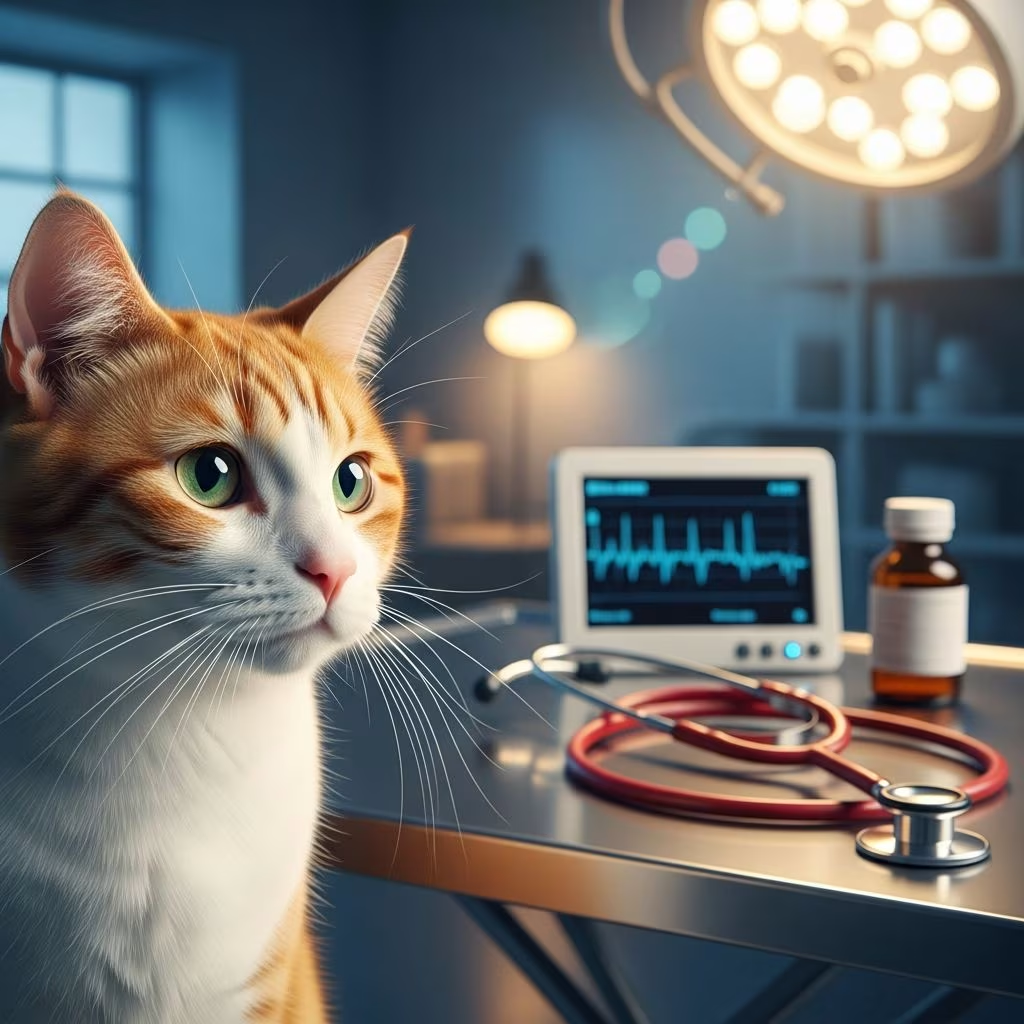
Congestive heart failure (CHF) in cats occurs when the heart cannot pump blood effectively, leading to fluid buildup in the lungs and body. This progressive condition requires prompt veterinary intervention to manage symptoms and extend life quality.
Understanding the Heart’s Role in Cats
A cat’s heart pumps oxygenated blood throughout the body while managing pressure in vessels. When underlying diseases impair this, CHF develops. Common culprits include hypertrophic cardiomyopathy, where heart muscle thickens abnormally, impairing function.
Unlike dogs, cats often show subtle early signs, making awareness crucial for owners. Fluid accumulation, known as congestion, strains breathing and energy levels.
Primary Causes Behind Feline CHF
Several factors contribute to CHF in felines:
- Cardiomyopathy: The leading cause, with hypertrophic type most prevalent, causing thickened ventricles.
- High blood pressure (hypertension): Strains the heart over time.
- Hyperthyroidism: Accelerates heart rate, worsening damage.
- Heart valve issues: Rare but can lead to inefficient pumping.
- Taurine deficiency: Historical cause, now less common with commercial diets.
These conditions overload the heart, progressing to failure if untreated.
Recognizing Early Warning Signs
CHF symptoms in cats can mimic other illnesses, but key indicators include:
- Rapid or labored breathing, even at rest.
- Lethargy and reluctance to play or jump.
- Reduced appetite leading to unintended weight loss.
- Coughing, though less frequent than in dogs.
- Swollen abdomen from fluid (ascites).
Owners should monitor resting respiratory rates: over 30 breaths per minute signals trouble.
| Symptom | Why It Happens | Action Needed |
|---|---|---|
| Difficulty breathing | Fluid in lungs | Emergency vet visit |
| Lethargy | Poor circulation | Schedule check-up |
| Weight loss | Loss of appetite | Monitor diet |
| Abdominal swelling | Fluid buildup | Immediate exam |
Early detection via these signs can prevent crises.
Diagnostic Process for Accurate Assessment
Vets use a multi-step approach:
- Physical exam: Listening for abnormal heart sounds, checking gums for pallor.
- Blood tests: Evaluate kidney function, electrolytes, and thyroid levels.
- Chest X-rays: Reveal enlarged heart or lung fluid.
- Echocardiogram: Ultrasound images heart structure and function.
- Blood pressure measurement: Identifies hypertension.
These confirm CHF and pinpoint causes, guiding therapy.
Emergency Interventions for Acute Episodes
When breathing distress hits, immediate care is vital. Vets provide:
- Oxygen therapy to ease respiration.
- Diuretics like furosemide to expel lung fluid.
- Fluid drainage (thoracocentesis or abdominocentesis) if buildup is severe.
Hospitalization stabilizes cats, often within 24-48 hours.
Long-Term Management Strategies
CHF has no cure, but medications control symptoms effectively:
- Diuretics (furosemide, spironolactone): Reduce fluid overload.
- ACE inhibitors (benazepril, enalapril): Lower blood pressure, ease heart workload.
- Pimobendan: Boosts heart contractions in select cases.
- Anticoagulants (clopidogrel): Prevent clots and strokes.
- Blood pressure meds (amlodipine): For hypertension.
Owners administer these daily, with vet adjustments based on monitoring.
Nutritional and Lifestyle Adjustments
Support treatment with:
- Low-sodium prescription diets to minimize fluid retention.
- Taurine supplements if deficient.
- Weight management to lessen heart strain.
- Avoiding stress, high altitudes, and anesthesia risks.
Regular home checks of breathing rate track progress.
Monitoring Progress and Follow-Ups
Monthly vet visits initially, then quarterly, include:
- Repeat imaging and bloodwork.
- Weight and respiration logs.
- Dose tweaks for efficacy.
This prevents relapses and optimizes comfort.
Advanced Stages and Difficult Decisions
In end-stage CHF, symptoms worsen:
- Chronic coughing or wheezing.
- Severe weakness and collapse.
- Repeated distress episodes or clots (ATE), causing hind limb paralysis.
Quality of life assessments guide euthanasia discussions. Signs include unmanageable pain, constant hospitalization needs.
Prognosis with Proper Care
With early intervention, many cats live 1-3 years post-diagnosis, some longer. Factors like underlying cause and response to meds influence outcomes. Consistent care significantly enhances life quality.
Preventive Measures for Heart Health
Proactive steps reduce risk:
- Annual vet exams for seniors.
- Balanced diet with taurine.
- Control weight and screen for hypertension/thyroid issues.
Genetic screening for breeds prone to cardiomyopathy aids early detection.
Frequently Asked Questions (FAQs)
What is the most common symptom of CHF in cats?
Difficulty breathing due to lung fluid buildup.
Can CHF in cats be cured?
No, but it’s manageable with lifelong medication.
How do I give meds to my cat with CHF?
Follow vet guidance; use pill pockets or liquid forms for ease.
Is surgery an option for feline CHF?
Rarely; meds and monitoring are primary.
When should I consider euthanasia?
During repeated crises or poor quality of life.
This guide empowers owners to navigate CHF, ensuring informed partnership with vets for their cat’s well-being.
References
- Congestive Heart Failure in Cats – Ventura Vets — VMSG. 2022-07-15. https://www.vmsg.com/site/blog/2022/07/15/congestive-heart-failure-cats
- Congestive Heart Failure In Cats — Paws at Peace. N/A. https://pawsatpeace.com/congestive-heart-failure-cats/
- Congestive Heart Failure in Cats – Causes, Treatment — Vetster. N/A. https://vetster.com/en/conditions/cat/congestive-heart-failure
- Congestive Heart Failure in Cats — PetMD. N/A. https://www.petmd.com/cat/conditions/cardiovascular/heart-failure-cats
- Signs of Heart Disease in Cats & How It’s Treated — Carolina Vet. 2022-08-15. https://www.rock-hill.carolinavet.com/site/blog/2022/08/15/cat-heart-disease
- Congestive Heart Failure in Cats — South Seattle Veterinary Hospital. N/A. https://www.southseattlevet.com/congestive-heart-failure-in-cats
- Feline Congestive Heart Failure: Current Diagnosis and Management — PubMed. 2017-06-28. https://pubmed.ncbi.nlm.nih.gov/28647113/



