
Feline Congenital Heart Issues: 4 Key Types And Care
Discover vital insights into birth defects affecting cat hearts, from detection to lifelong care strategies for better outcomes.
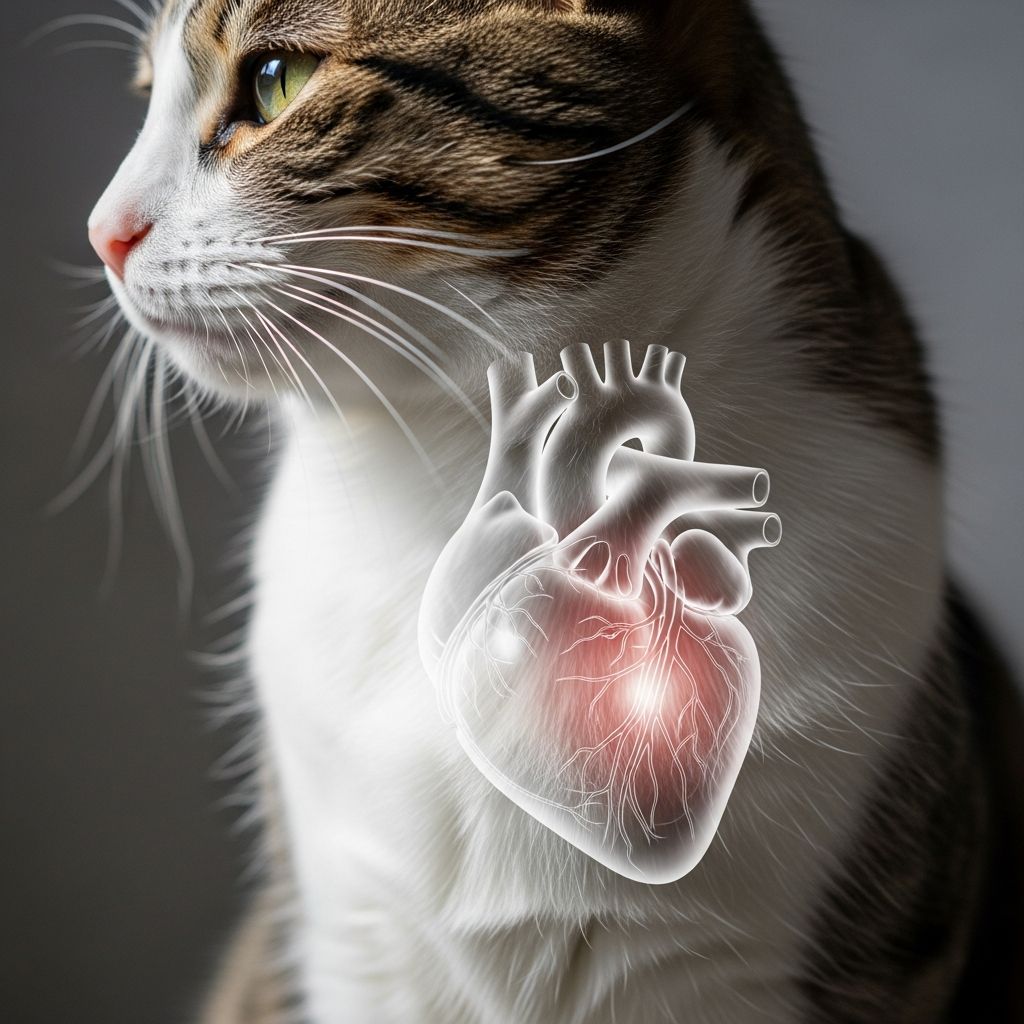
Congenital heart disorders in cats arise from developmental abnormalities present at birth, impacting the structure and function of the cardiovascular system. These conditions, though uncommon, can range from mild anomalies with minimal effects to severe defects leading to heart failure if untreated. Understanding these issues empowers cat owners to recognize early signs and pursue timely veterinary intervention.
Understanding the Basics of Cat Heart Development
The feline heart forms during early embryonic stages, with partitions and valves developing to ensure proper blood flow. Disruptions from genetic, environmental, or infectious factors during pregnancy can result in malformed structures. Unlike acquired heart diseases that develop later in life, congenital issues manifest from kittenhood, often detected via murmurs during routine exams.
- Prevalence: Affects 1-2% of kittens, per veterinary records.
- Risk Factors: Maternal infections, poor nutrition, toxins, or hereditary predispositions in certain breeds.
Primary Types of Congenital Cardiovascular Anomalies in Cats
Several distinct defects dominate feline congenital cardiology, each altering blood circulation uniquely. Here’s a breakdown:
| Defect Type | Description | Potential Impact |
|---|---|---|
| Ventricular Septal Defect (VSD) | Hole in the wall separating heart’s ventricles, allowing blood mixing. | Small holes often benign; larger ones cause fatigue, breathing issues, or failure. |
| Patent Ductus Arteriosus (PDA) | Fetal blood vessel fails to close post-birth, creating left-to-right shunt. | Leads to volume overload, potentially progressing to heart enlargement and fluid buildup. |
| Mitral Valve Dysplasia (MVD) | Abnormal mitral valve development, impairing blood flow from atrium to ventricle. | Causes regurgitation, atrial dilation, clot risks, and congestive symptoms. |
| Atrial Septal Defect (ASD) | Hole between atria, less common but similar shunting effects. | May remain asymptomatic or contribute to right-heart strain over time. |
These anomalies vary in severity; minor cases might resolve naturally, while others demand monitoring or correction.
Recognizing Early Warning Signs in Kittens and Adult Cats
Symptoms often subtle initially, mimicking general illness. Vigilant owners note changes promptly.
- Respiratory Distress: Rapid, raspy breathing over 30 breaths/minute at rest, open-mouth panting, or wheezing signals fluid in lungs from left-sided issues.
- Exercise Intolerance: Lethargy, reluctance to play, or tiring quickly during activity.
- Physical Changes: Swollen abdomen (ascites) from right-sided failure, fluid retention in limbs, or pale/blue gums.
- Severe Emergencies: Sudden hind-limb paralysis (saddle thrombus from clots), collapse, or fainting.
- Other Indicators: Poor growth, vomiting, reduced appetite, or heart murmurs heard by vets.
Cats hide discomfort well, so subtle shifts like hiding more or weight loss warrant checks.
Diagnostic Approaches for Accurate Identification
Veterinarians employ multi-step protocols to confirm congenital defects.
- Auscultation: Listening for murmurs, irregular rhythms, or gallop sounds.
- Electrocardiography (ECG): Assesses electrical activity, detecting arrhythmias.
- Radiography: Chest X-rays reveal heart enlargement, lung fluid, or vessel anomalies.
- Echocardiography: Ultrasound visualizes structures, measures shunts, valve function, and chamber sizes—gold standard.
- Additional Tests: Blood work for organ function, blood pressure, or genetic screening in breeds prone to issues.
Early diagnosis via these tools prevents progression to irreversible damage.
Treatment Strategies Tailored to Defect Severity
Management spans conservative monitoring to surgical interventions, based on symptoms and defect size.
- Medications: Diuretics reduce fluid (e.g., furosemide), ACE inhibitors ease heart workload (e.g., enalapril), beta-blockers control rates, anticoagulants prevent clots.
- Surgical Options: PDA ligation closes the vessel; VSD patches for large holes; valve repairs in specialized centers.
- Supportive Care: Oxygen therapy for acute failure, low-sodium diets, restricted activity.
Prognosis excels for small defects (normal lifespan) but varies for complex cases, with some cats thriving years post-treatment.
Inherited Risks and Breed Predispositions
Genetics play a key role, especially in purebreds. Breeds like Maine Coon, Ragdoll, Sphynx face higher hypertrophic cardiomyopathy risks, often congenital-linked. Persian and Siamese show elevated congenital defect rates. Breeding from affected lines perpetuates issues, so genetic testing advises responsible programs.
Preventive Measures for Expectant Queens and Kittens
Minimize risks by ensuring maternal health: balanced nutrition, parasite control, avoiding toxins, vaccinations. Routine kitten exams detect murmurs early. Owners of at-risk breeds benefit from screening echoes at 6-12 months.
Living with a Cat Diagnosed with Heart Defect
Quality life possible with adherence. Monitor weight, breathing rates daily; maintain vet schedules; avoid stressors like heat or obesity. Home adaptations include ramps for mobility post-thrombus, calm environments.
Frequently Asked Questions (FAQs)
Can congenital heart defects heal on their own in cats?
Yes, small VSDs or PDAs may close spontaneously as kittens grow, but monitoring is essential.
Is surgery always needed for cat heart defects?
No, many mild cases manage medically; surgery reserved for significant shunts or failures.
What breeds are most prone to these issues?
Maine Coons, Ragdolls, Persians, Siamese; genetic screening recommended.
How do I check my cat’s breathing rate at home?
Count chest rises/minute while resting; normal under 30; log for vet trends.
Can diet help manage congenital heart disease?
Low-sodium, taurine-rich foods support heart function; vet-prescribed only.
Long-Term Outlook and Owner Support
With vigilant care, many cats exceed expectations. Advances in feline cardiology, including minimally invasive procedures, improve survival. Join support groups, track symptoms via apps, and celebrate small victories like playful zoomies.
References
- Congenital Heart Disorders — Cornell University College of Veterinary Medicine. 2023. https://www.vet.cornell.edu/departments-centers-and-institutes/cornell-feline-health-center/health-information/feline-health-topics/congenital-heart-disorders
- Heart Defect (Congenital) in Cats – Causes, Treatment — Vetster. 2024. https://vetster.com/en/conditions/cat/heart-defect
- Congestive Heart Failure in Cats — VCA Animal Hospitals. 2024. https://vcahospitals.com/know-your-pet/congestive-heart-failure-in-cats
- Signs of Heart Disease in Cats & How It’s Treated — Carolina Veterinary Specialists. 2022-08-15. https://www.rock-hill.carolinavet.com/site/blog/2022/08/15/cat-heart-disease
- Congenital Heart Defects in Kittens — National Kitten Coalition. 2023. https://kittencoalition.org/congenital-heart-defects-in-kittens/
Similar Articles








Read full bio of medha deb




