

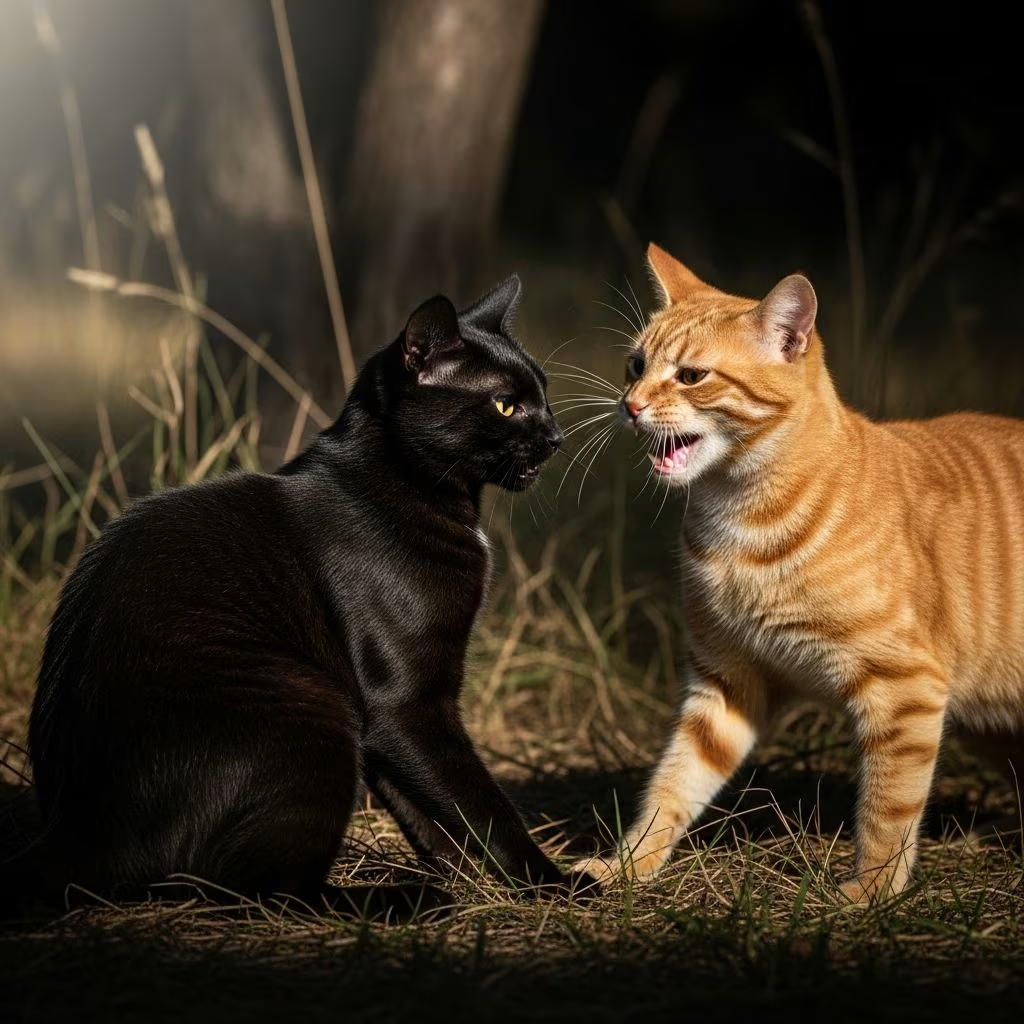
Cat owners frequently struggle to determine whether their feline companions are engaged in friendly roughhousing or genuine conflict. The distinction matters significantly because misinterpreting playful behavior as aggression can create unnecessary stress, while failing to recognize real fighting puts your pets at risk of serious injury. This comprehensive guide explores the auditory and visual cues that distinguish harmless play from dangerous combat, helping you make informed decisions about your cats’ interactions.
The Vocal Dimension of Feline Interactions
Sound serves as one of the most reliable indicators of a cat’s emotional state and intentions during encounters with other felines. Understanding the specific vocalizations your cats produce provides immediate insight into whether they’re having fun or engaged in legitimate conflict.
Aggressive Vocalizations That Signal Danger
When cats fight, they produce distinctive sounds that differ markedly from their everyday communication patterns. Hissing represents a defensive vocalization that cats employ when they feel threatened or cornered. This sound mimics the warning call of a snake and serves as a territorial warning to back away. Growling originates from deep within the throat and conveys a more dominant, possessive attitude. Unlike hissing, which primarily expresses fear, growling often indicates that a cat is ready and willing to engage in combat. Yowling—an extended, loud vocalization—frequently accompanies genuine fights and typically occurs when one cat feels their space has been violated or their status threatened.
The intensity and continuity of these sounds matter considerably. During playful interactions, cats may occasionally chirp, purr, or produce soft sounds, but serious fighting produces relentless, escalating vocalizations with minimal breaks. If you hear what sounds like a continuous argument with no pauses for rest or de-escalation, intervention is necessary.
Distinguishing Play Sounds from Combat Noises
Playful cats often remain relatively silent or exchange soft chirps and chirrup sounds. This quietness occurs because neither cat feels threatened, so they don’t need to communicate warnings or territorial claims. When playfighting cats do vocalize, the sounds lack the intensity and aggression present during real combat. They may exchange brief meows or soft squeaks without the sustained, forceful quality characteristic of genuine fighting.
Physical Combat Indicators
Beyond listening to what your cats are saying, observing their physical actions provides crucial context for assessing interaction intensity and danger levels.
Claw Deployment and Intensity
One of the most significant physical differences between play and combat involves claw usage. During friendly wrestling sessions, cats typically keep their claws retracted and use only their soft paws to bat at each other. This self-restraint prevents injury to their companion. When genuine fighting occurs, cats extend their claws fully and use them as weapons for defense or attack. Multiple swipes with extended claws represent a clear warning sign that you need to safely separate your cats immediately.
The intensity and frequency of physical contact also matter. Playful cats take regular breaks, allowing each participant to rest and reset before resuming interaction. Fighting cats rarely pause and instead maintain constant pressure, chasing and striking repeatedly without respite. This relentless pursuit indicates escalating conflict rather than recreational activity.
Body Positioning and Movement Patterns
Pay attention to how the cats position themselves relative to each other. During play, cats typically take turns pursuing and being pursued—the dynamic shifts between participants. Neither cat consistently dominates or flees. In genuine fights, one cat often assumes a chasing role while the other consistently runs or attempts to escape. This one-sided dynamic suggests the fleeing cat feels genuinely threatened rather than entertained.
Ears serve as particularly expressive indicators of emotional state. Playful cats maintain forward-facing or neutral ear positions, signaling relaxation and engagement. Fighting cats flatten their ears completely against their heads, a defensive posture that communicates anger and readiness for combat. This ear positioning shift provides a quick visual assessment of interaction quality.
Behavioral Context and Frequency
Understanding the broader pattern of your cats’ interactions helps contextualize individual encounters. Cats that genuinely enjoy each other’s company engage in play sessions that are brief and end voluntarily when either party has had enough. They seek each other out regularly and spend time in proximity when not actively playing.
In contrast, cats engaged in territorial disputes or genuine aggression show patterns of avoidance between confrontations. They may hiss or swat preemptively when passing each other, avoid shared spaces, and only interact when one cat accidentally enters the other’s claimed area. These behavioral patterns between confrontations provide important context for assessing individual interaction episodes.
Common Triggers for Genuine Feline Combat
Recognizing what typically provokes real fighting helps you anticipate and prevent dangerous conflicts before they escalate.
Territorial and Resource-Based Conflicts
Cats are inherently territorial animals, and violations of claimed space frequently trigger aggressive responses. This instinct remains strong even in domesticated cats living in shared households. Additionally, competition over essential resources like food, water, and litter boxes can transform peaceful cohabitation into conflict zones. Insufficient resources force cats into competition that can escalate to fighting, as each cat perceives scarcity as a survival threat.
Redirected Aggression and External Stressors
Sometimes a cat becomes agitated by an external stimulus they cannot directly address, such as a strange cat visible through a window or an unfamiliar noise. This frustration gets redirected toward the nearest available target—often a housemate cat. Understanding this pattern helps you recognize that fighting may stem from external stress rather than interpersonal conflict between your cats.
Health-Related Aggression
Sudden aggression in a previously peaceful cat often signals underlying medical issues. Pain from conditions like arthritis, dental disease, or hyperthyroidism can transform a tolerant cat into an aggressor. Before attributing fighting behavior to personality changes or territorial disputes, consult your veterinarian to rule out medical causes.
Comparison Table: Play versus Combat
| Behavioral Element | Playful Interaction | Genuine Fighting |
|---|---|---|
| Vocalizations | Silent or soft chirps and chirps | Hissing, growling, yowling continuously |
| Claw Usage | Claws retracted; gentle paw batting | Claws fully extended for scratching |
| Ear Position | Forward-facing or neutral | Flattened completely against head |
| Physical Intensity | Brief sessions with frequent breaks | Relentless contact with minimal pauses |
| Chase Dynamics | Mutual and reciprocal role switching | One cat consistently chases; other flees |
| Body Language | Relaxed posture between interactions | Tense, defensive positioning |
Safety Protocols for Intervention
If you determine that your cats are engaged in genuine fighting, intervention becomes necessary to prevent injury. However, separating combatant cats requires careful technique to protect yourself from accidental injury.
Never physically grab cats with your bare hands during active combat, as they may scratch or bite you reflexively in the heat of conflict. Instead, try to create a physical barrier between them using a pillow, blanket, or piece of furniture. Making a loud noise, such as clapping your hands or shaking a can of coins, may startle them into breaking contact. Once separated, place them in different rooms with their own litter boxes, food, and water to allow tempers to cool.
After separating fighting cats, examine them for injuries and consider whether their living situation needs modification to prevent future conflicts. Providing additional litter boxes, feeding stations, and vertical spaces can reduce resource competition and territory-related stress.
Frequently Asked Questions
Can cats seriously injure each other during fights?
Yes, genuine cat fights can result in serious injuries including deep lacerations, abscesses, and infections. Rapid intervention prevents escalation and reduces injury risk significantly.
Should I let cats “fight it out” to establish hierarchy?
No, this outdated approach is dangerous and unnecessary. Modern understanding of feline behavior indicates that allowing fights to continue unchecked increases injury risk without resolving underlying territorial or resource issues.
How long should cats take to adjust to each other?
Cats introduced to each other typically require weeks or months to establish a comfortable relationship. Gradual introductions with supervised interactions produce better long-term outcomes than forcing immediate cohabitation.
When should I contact a veterinarian about fighting?
Consult a veterinarian if sudden aggression appears in a previously peaceful cat, if visible injuries occur during fights, or if fighting frequency increases over time. A vet can rule out medical causes and recommend behavioral consultation if appropriate.
Can play aggression turn into genuine fighting?
Overstimulated cats can transition from playful interaction into genuine conflict if arousal levels become too intense. Breaking up overly rough play before cats reach peak agitation prevents escalation to true aggression.
Creating Harmony in Multi-Cat Households
Understanding the difference between play and combat represents just one component of maintaining peaceful multi-cat homes. Creating an environment with abundant resources, vertical territory, and escape routes gives all cats the ability to coexist without constant territorial pressure. Regular play sessions with human interaction tire cats out and reduce nighttime aggression driven by pent-up energy.
Environmental enrichment, individual attention, and stress reduction support peaceful cohabitation far more effectively than simply separating fighting cats or allowing conflicts to continue unchecked. By recognizing the specific sounds and physical signals that indicate genuine fighting, you gain the knowledge necessary to intervene appropriately and create conditions that promote long-term harmony among your feline companions.
References
- Cat Aggression: Fighting, Biting, and Attacking — PetMD. 2024. https://www.petmd.com/cat/behavior/cat-aggression-fighting-biting-and-attacking
- Cat Fighting Sounds: With Videos & Body Signals (Vet-Verified) — Catster. https://www.catster.com/cat-behavior/cat-fighting-sounds/
- 5 Reasons Why Do Cats Fight Each Other — Lady N US. https://ladynpet.com/us/blog/why-do-cats-fight/
- Cats and Fighting | Prevent Fighting — Cats Protection. https://www.cats.org.uk/help-and-advice/cat-behaviour/cats-and-fighting
- How to Tell if Cats Are Playing or Fighting — Psychology Today. 2023. https://www.psychologytoday.com/us/blog/animal-emotions/202302/are-cats-playing-fighting-or-unsure



