

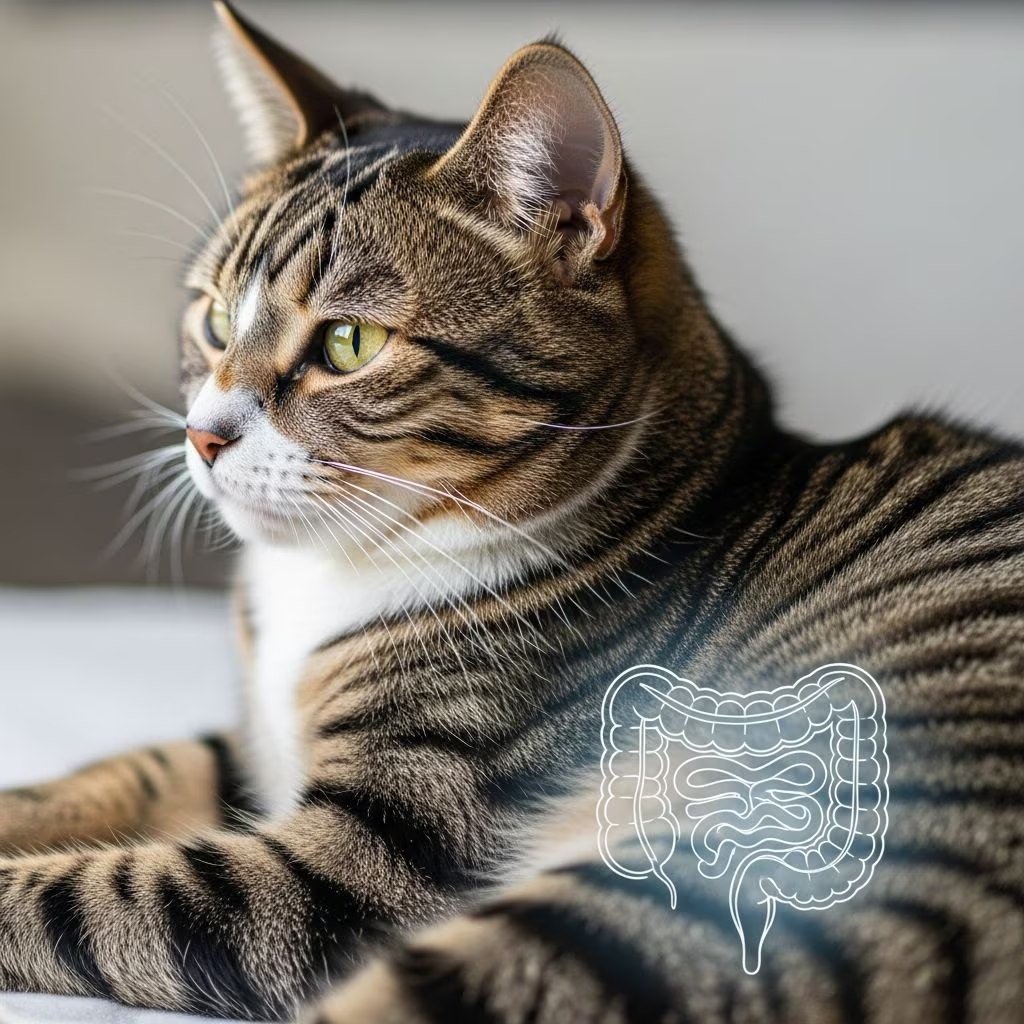
Colon cancer in cats, often manifesting as adenocarcinoma or other intestinal tumors, poses significant health challenges for feline companions. This condition affects the large intestine, leading to disruptions in digestion and overall vitality. Early detection through vigilant observation of symptoms can dramatically influence outcomes, enabling timely interventions that extend quality life.
Understanding the Basics of Colon Cancer in Cats
The colon, part of the large intestine, absorbs water and electrolytes from undigested food, forming solid waste. When malignant cells proliferate here, they form tumors that impair these functions. Unlike benign growths, cancerous ones like adenocarcinoma invade surrounding tissues and can metastasize to lymph nodes, liver, or lungs. Middle-aged to senior cats, typically over 8 years, are most susceptible, with no strong breed predispositions noted, though Siamese cats may show slightly higher risks in some studies.
These tumors arise from glandular cells lining the intestinal wall, leading to irregular masses that obstruct passage or bleed. Factors like chronic inflammation or genetic mutations contribute, but exact causes remain elusive. Unlike human colorectal cancer, feline cases rarely link to diet alone, emphasizing the need for routine veterinary check-ups.
Key Symptoms to Watch For
Recognizing subtle changes in your cat’s behavior and bodily functions is crucial. Symptoms often mimic common gastrointestinal issues, delaying diagnosis.
- Weight Loss and Appetite Changes: Cats may shed pounds rapidly despite normal intake, or refuse food altogether due to nausea or pain.
- Diarrhea or Constipation: Loose stools mixed with blood or straining during defecation signal colonic irritation.
- Bloody Stools: Fresh red blood or dark, tarry feces indicate internal bleeding from ulcerated tumors.
- Vomiting: Frequent episodes, sometimes containing blood, arise from partial obstructions or systemic effects.
- Abdominal Discomfort: A distended belly, pot-bellied appearance, or sensitivity when touched suggests fluid buildup or masses.
- Lethargy and Weakness: Reduced activity, pale gums from anemia, and dehydration stem from nutrient malabsorption and blood loss.
These signs can persist for weeks, often misattributed to allergies or infections. Owners report cats hiding more or vocalizing in distress as the disease advances.
Risk Factors and Prevention Strategies
While not fully preventable, minimizing risks involves holistic care. Older cats face higher odds, so annual exams with fecal tests aid early detection. Diets rich in fiber support gut health, potentially reducing inflammation. Avoid exposure to carcinogens like tobacco smoke, which may elevate cancer risks in pets.
| Risk Factor | Description | Prevention Tip |
|---|---|---|
| Age | Cats over 8 years | Regular senior wellness checks |
| Chronic GI Issues | Inflammatory bowel disease | Manage with vet-prescribed diets |
| Genetics | Certain breeds like Siamese | Genetic screening if family history |
| Environmental Toxins | Secondhand smoke | Smoke-free home |
Diagnostic Approaches for Accurate Identification
Veterinarians employ a multi-step process to confirm colon cancer, ruling out parasites, infections, or hyperthyroidism first.
- Physical Exam and History: Palpating for abdominal masses and reviewing symptom onset.
- Bloodwork: Checks for anemia, elevated white cells, or poor nutrition absorption.
- Imaging: X-rays reveal obstructions; ultrasound visualizes tumors, thickening, or fluid.
- Biopsy or Cytology: Fine-needle aspirates provide quick results; surgical biopsies offer definitive typing, sometimes needing immunohistochemistry for precision.
Endoscopy allows non-invasive sampling but may miss deep lesions. Full abdominal exploration often combines diagnosis with mass removal.
Treatment Options: From Surgery to Supportive Care
Treatment hinges on tumor stage, location, and metastasis. Surgery remains the cornerstone, aiming for complete excision.
- Surgical Resection: Removing affected colon segments; success higher if no spread, restoring normal function.
- Chemotherapy: Drugs like carboplatin for residuals or inoperable cases, managing symptoms but with side effects like nausea.
- Palliative Care: Fluids, anti-nausea meds, and pain relief for advanced stages.
Prognosis varies: localized tumors yield 6-12 months survival post-surgery; metastatic cases under 6 months. Adenocarcinoma dominates with poorer outlooks than lymphomas.
Living with a Diagnosis: Caregiver Tips
Post-diagnosis, focus on comfort. Offer small, frequent high-calorie meals to combat cachexia. Monitor litter box for blood or straining, tracking weight weekly. Appetite stimulants and anti-diarrheals help manage symptoms.
Emotional support for owners is vital; join feline cancer groups for shared experiences. Discuss quality-of-life scales with vets to guide euthanasia decisions when pain overrides joy.
FAQs on Feline Colon Cancer
Is colon cancer painful for cats?
Yes, advanced tumors cause cramping and obstruction pain, though cats mask it well. Signs include hunching or vocalizing.
Can diet cure colon cancer in cats?
No, but nutrient-dense, easily digestible foods support treatment and maintain strength.
How fast does feline colon cancer spread?
Variable; some remain local for months, others metastasize quickly to liver or lungs.
What is the cost of treating cat colon cancer?
Surgery: $3,000-$6,000; chemo adds $1,000+ per cycle. Costs vary by location and complexity.
Are there holistic options for feline intestinal tumors?
Supplements like omega-3s may aid, but consult vets; they complement, not replace, conventional care.
Emerging Research and Future Outlook
Ongoing studies explore targeted therapies, like tyrosine kinase inhibitors for specific mutations, potentially improving survival. Immunotherapy trials show promise for feline cancers. Regular monitoring and advances in minimally invasive surgery offer hope for better management.
References
- Medical Oncology: Canine and Feline Intestinal Tumors — NC State University College of Veterinary Medicine. 2023. https://hospital.cvm.ncsu.edu/services/small-animals/cancer-oncology/oncology/canine-and-feline-intestinal-tumors/
- Disorders of the Stomach and Intestines in Cats — Merck Veterinary Manual. 2024-02-01. https://www.merckvetmanual.com/cat-owners/digestive-disorders-of-cats/disorders-of-the-stomach-and-intestines-in-cats
- Warning Signs of Cancer — Cornell University College of Veterinary Medicine. 2023. https://www.vet.cornell.edu/departments-centers-and-institutes/cornell-feline-health-center/health-information/feline-health-topics/warning-signs-cancer
- Intestinal Cancer in Cats — WagWalking (Veterinary Reviewed). 2024. https://wagwalking.com/cat/condition/intestinal-cancer
- Intestinal Cancer In Cats When To Euthanize — Dr. Lori Gibson, DVM. 2023-09-15. https://www.drlorigibson.com/blog/intestinal-cancer-in-cats-when-to-euthanize/



