

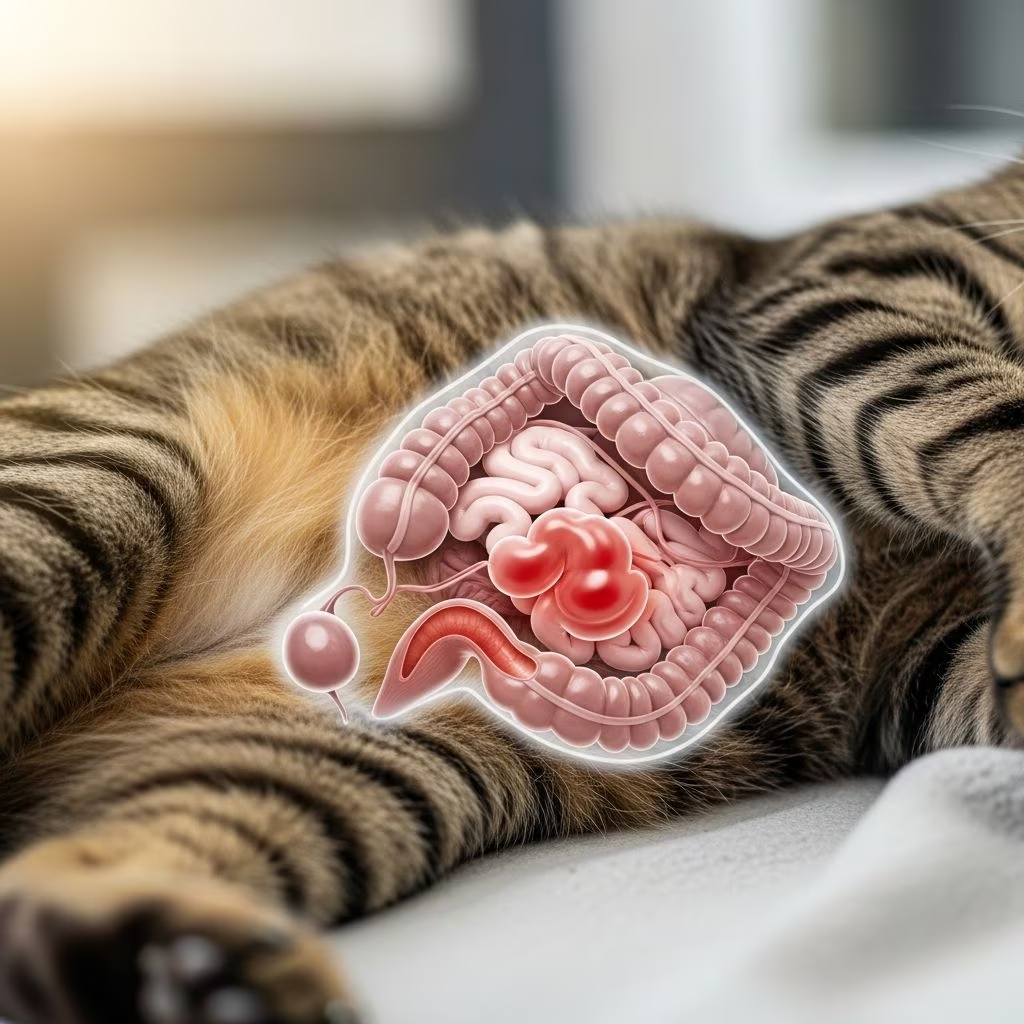
Colitis represents one of the most frequently encountered digestive disorders affecting domestic cats today. This condition, characterized by inflammation of the colon, can range from mild and self-limiting to chronic and debilitating. When a cat develops colitis, the lining of the large intestine becomes inflamed, leading to a cascade of uncomfortable symptoms that significantly impact the animal’s quality of life. Understanding the mechanisms behind this condition, recognizing its manifestations, and implementing appropriate treatment strategies are essential for any cat owner seeking to provide optimal care.
Defining Colitis and Its Impact on Feline Health
Colitis in cats occurs when the colon becomes inflamed, disrupting normal digestive function and nutrient absorption. The colon’s primary responsibility involves absorbing water from digestive waste and maintaining proper stool consistency. When inflammation develops, this process becomes compromised, resulting in the characteristic loose stools and other gastrointestinal disturbances associated with the condition. The severity of colitis varies considerably among affected felines, with some experiencing acute episodes that resolve relatively quickly, while others face chronic, recurrent inflammation requiring long-term management strategies.
This condition is notably prevalent among the feline population, making it important for cat owners to develop a working knowledge of its causes and treatments. Cats of any age can develop colitis, though the underlying causes may differ depending on the animal’s age, lifestyle, and overall health status.
Identifying the Root Causes of Colon Inflammation
The development of colitis in cats stems from numerous potential triggers, with some causes being more prevalent than others. Young cats face different risk factors compared to their senior counterparts, and understanding these distinctions helps veterinarians develop targeted treatment approaches.
Parasitic and Infectious Origins
Parasitic infections rank among the most common causes of colitis, particularly in younger cats and those with outdoor access. Specific organisms including Giardia, Tritrichomonas foetus, roundworms, and coccidia can establish themselves within the intestinal tract, triggering inflammatory responses that manifest as colitis. Beyond parasites, bacterial infections from pathogens such as Salmonella and Campylobacter can colonize the intestinal environment and produce significant inflammation. Viral infections, including feline panleukopenia, feline infectious peritonitis, feline leukemia, and feline immunodeficiency virus, represent additional infectious culprits capable of attacking intestinal tissue and precipitating colitis.
Dietary Factors and Food-Related Issues
Dietary indiscretion occurs when cats consume substances that challenge their digestive systems. Whether through garbage investigation, houseplant nibbling, or consuming inappropriate human foods, these dietary adventures can destabilize the gut environment and trigger inflammation. Distinct from dietary indiscretion, sudden changes to a cat’s regular diet can overwhelm the digestive system before it adapts to new ingredients. Food allergies and sensitivities represent another category of dietary trigger, where the cat’s immune system reacts negatively to specific proteins or ingredients, initiating an inflammatory cascade that becomes chronic if the offending substance remains in the diet.
Environmental and Physiological Contributors
Psychological stress exerts measurable effects on feline digestive health. Major life transitions—including relocating residences, introducing new household pets, or altering feeding schedules—can overwhelm sensitive cats sufficiently to induce colitis. Additionally, complications arising from the pancreas, such as pancreatitis or exocrine pancreatic insufficiency, can contribute to colitis development. Certain medications, particularly antibiotics, can disrupt the beneficial bacterial communities within the intestinal tract, predisposing cats to colitis.
Age-Related and Serious Considerations
Middle-aged and older cats face heightened risks for conditions like inflammatory bowel disease (IBD) and intestinal malignancies including lymphoma and adenocarcinoma. These more serious underlying conditions require prompt veterinary investigation and can necessitate intensive long-term management approaches.
Recognizing the Warning Signs and Symptoms
Cats experiencing colitis display a spectrum of observable signs that alert owners to digestive distress. The most characteristic symptoms include diarrhea, often accompanied by visible blood in the feces. Affected cats frequently experience straining during bowel movements and visible discomfort or pain associated with defecation. Beyond gastrointestinal manifestations, colitis can produce broader systemic effects including lethargy, loss of appetite, vomiting, and withdrawn behavior with the cat hiding away from normal activities.
The severity and combination of symptoms vary based on the extent of inflammation and underlying causative factors. Some cats present with mild symptoms that resolve independently, while others display acute, severe presentations requiring immediate veterinary intervention.
Diagnostic Approaches and Professional Assessment
Accurate diagnosis forms the foundation of effective colitis management. Veterinarians typically initiate diagnosis through comprehensive physical examinations and detailed histories encompassing diet, living conditions, and symptom onset. For suspected parasitic involvement, fecal analysis represents a critical diagnostic tool, with veterinarians recommending multiple fecal tests to identify causative organisms. Additional diagnostic procedures may include bloodwork to assess overall health status, imaging studies to rule out structural abnormalities, and specialized tests to evaluate for infections or allergic sensitivities.
The identification of underlying causation guides all subsequent treatment decisions. Without establishing the root cause, treatment approaches remain essentially supportive rather than curative, potentially allowing the condition to persist or recur.
Multi-Modal Treatment Strategies for Effective Recovery
Pharmaceutical Interventions
Colitis treatment encompasses several medication categories, each addressing specific aspects of the inflammatory process. Anti-parasitic medications including metronidazole, fenbendazole, and praziquantel effectively eliminate parasitic invaders when parasites trigger the colitis. Antibiotics prove beneficial when bacterial infections or certain dysbiotic conditions underlie the inflammation. Anti-inflammatory medications reduce tissue inflammation and associated discomfort, accelerating recovery and improving the cat’s comfort during treatment. Probiotics restore healthy bacterial populations disrupted during colitis episodes, supporting the intestinal microbiome’s recovery. For severe inflammatory bowel disease presentations, immunosuppressive medications such as cyclosporine or chlorambucil modulate immune responses attacking intestinal tissue, offering relief when conventional treatments prove insufficient. Fiber supplements and medications that thicken feces support normal bowel function while inflammation subsides.
Dietary Management and Nutritional Support
Dietary modification represents one of the most critical components of colitis management. During acute episodes, bland diets allow the inflamed colon to heal by minimizing digestive demands. Many veterinarians recommend temporarily feeding boiled white meat chicken (without skin or bones) combined with plain white rice or commercially formulated gastrointestinal diets specifically designed for digestive upset. For cats with identified food sensitivities or allergies, hydrolyzed protein diets break down proteins into smaller components that typically don’t trigger immune reactions. High-fiber diets promote healthy gut bacteria and improve stool consistency in certain colitis presentations. Food transitions should occur gradually, introducing new diet components over 7-10 days to minimize digestive disruption.
Hydration and Fluid Management
Diarrhea associated with colitis causes significant fluid loss, placing affected cats at dehydration risk. Ensuring continuous access to fresh water is fundamental. Veterinarians recommend implementing multiple water bowls throughout the home, considering cat water fountains that encourage drinking, adding small water quantities to wet food, and offering low-sodium chicken broth ice cubes. In severe cases, veterinarians may administer subcutaneous fluids to rapidly correct dehydration and restore electrolyte balance.
Stress Reduction Strategies
Since stress contributes significantly to colitis development and recurrence, creating a calm, stable environment supports recovery. This involves maintaining consistent routines, minimizing household disruptions when possible, providing safe retreats where cats can escape stress, and ensuring adequate environmental enrichment.
Distinguishing Acute from Chronic Presentations
Acute colitis typically presents with sudden onset and mild-to-moderate symptoms that often self-resolve or respond rapidly to dietary therapy and short-term medication. These cases frequently result from dietary indiscretion or acute stress. Chronic colitis, conversely, involves persistent or recurrent symptoms requiring ongoing investigation and management. Cats with chronic inflammatory bowel disease may need lifelong treatment to manage symptoms effectively. Although chronic colitis may improve initially with treatment, signs frequently recur, necessitating long-term pharmaceutical and dietary management.
Recovery Timeline and Long-Term Prognosis
Recovery duration depends substantially on colitis severity, underlying cause identification, and treatment compliance. Many mild acute cases resolve within days to weeks with appropriate home care and dietary adjustments. More complex cases requiring medication may need 2-6 weeks for symptom resolution. Chronic colitis requires ongoing management but can achieve reasonable symptom control, allowing cats to maintain acceptable quality of life. Even when initial treatment proves effective, repeated colitis episodes warrant thorough investigation to identify persistent underlying issues.
When to Seek Immediate Veterinary Care
While many colitis cases improve with home care and conservative treatment, certain presentations demand urgent professional attention. Persistent bloody stools in large quantities, severe dehydration, repeated vomiting, complete loss of appetite, extreme lethargy, or signs of severe pain all warrant immediate veterinary evaluation. Even seemingly mild colitis causes genuine pain and distress to affected cats, making professional assessment advisable whenever symptoms appear.
Frequently Asked Questions
Can colitis in cats spread to other animals or humans?
Certain infectious causes of colitis, particularly parasitic and bacterial infections, can transmit between cats in the same household. Some bacterial pathogens pose zoonotic risks, meaning they can potentially affect human family members. This underscores the importance of prompt veterinary diagnosis and treatment.
Is colitis painful for cats?
Yes, even mild colitis causes pain and distress to affected cats. The inflammation and frequent straining associated with bowel movements create genuine discomfort. This is why prompt veterinary attention is recommended whenever colitis symptoms appear, even in seemingly mild presentations.
How long does colitis treatment typically last?
Acute colitis may resolve within weeks with appropriate treatment, while chronic colitis may require long-term or lifelong management. Treatment duration depends on underlying causes, severity, and individual cat response to therapy.
Can dietary changes alone treat colitis?
Some mild colitis cases, particularly those triggered by dietary indiscretion or stress, resolve with dietary management alone. However, more complex cases require pharmaceutical intervention and ongoing medical oversight.
Conclusion: Supporting Your Cat Through Colitis
Colitis in cats represents a manageable condition that responds favorably to prompt diagnosis, appropriate medication, and comprehensive supportive care. By understanding the diverse causes triggering colon inflammation, recognizing early warning signs, and implementing veterinarian-recommended treatment protocols combining pharmaceuticals, dietary modifications, stress reduction, and hydration support, cat owners can effectively guide their feline companions toward recovery. The key to successful colitis management lies in establishing the underlying cause, maintaining consistent treatment adherence, and fostering close collaboration with veterinary professionals throughout the recovery process.
References
- Colitis in Cats: 7 Proven Medications for Effective Relief — The Pet Vet. 2024. https://thepetvet.com/colitis-in-cats/
- Colitis in Cats – Causes, Treatment and Associated Conditions — Vetster. 2024. https://vetster.com/en/conditions/cat/colitis-in-cats
- What is Colitis in Cats? — Whisker/Litter-Robot. 2024. https://www.whisker.com/blog/colitis-in-cats
- Colitis in cats — Joii Pet Care. 2024. https://www.joiipetcare.com/blogs/health-conditions/colitis-in-cats
- Cat Colitis: Causes, Signs and Treatment — Hill’s Pet Nutrition. 2024. https://www.hillspet.co.za/cat-care/healthcare/colitis-in-cats
- Disorders of the Stomach and Intestines in Cats — Merck Veterinary Manual. 2024. https://www.merckvetmanual.com/cat-owners/digestive-disorders-of-cats/disorders-of-the-stomach-and-intestines-in-cats



