

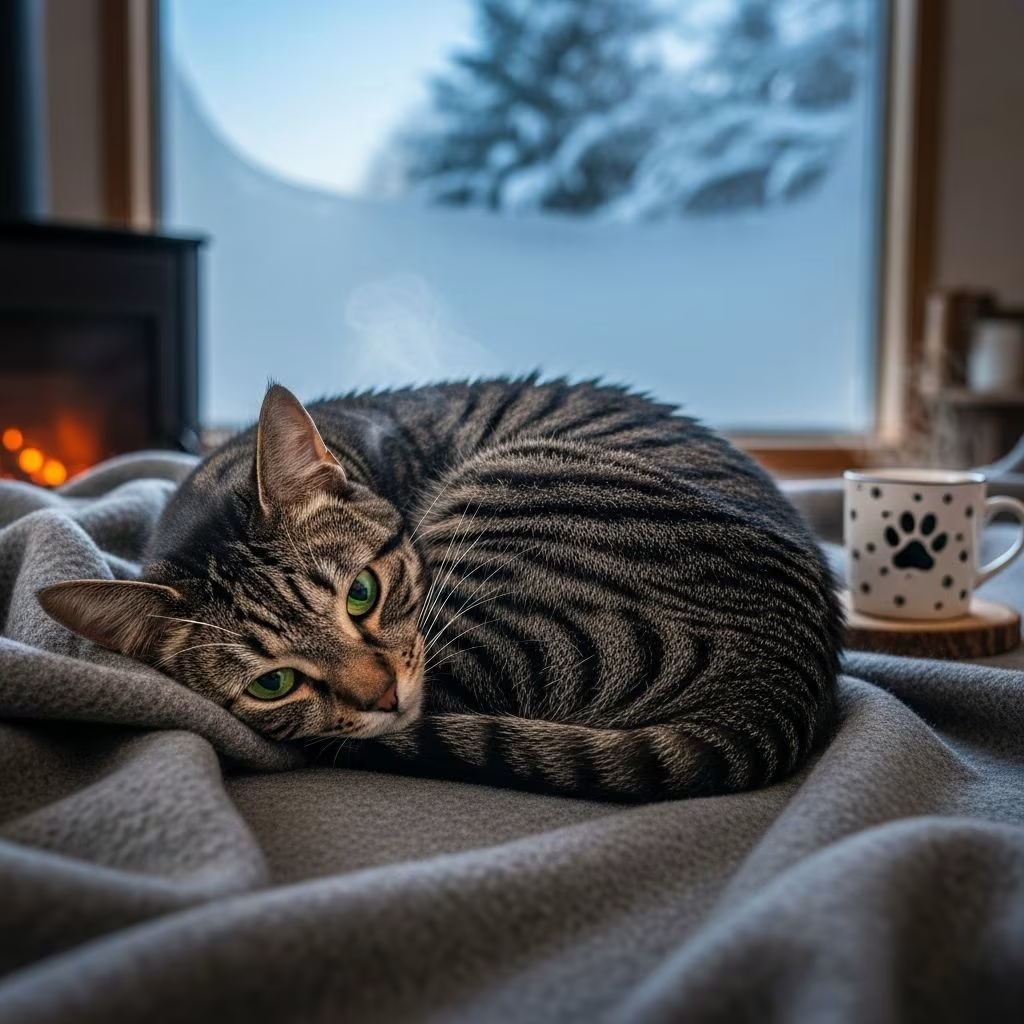
Cats are creatures of warmth, inheriting their preference for comfort from their ancestors who originated in warmer climates. While many people assume cats are naturally resistant to cold due to their fur, the reality is more nuanced. Cats are indeed susceptible to chilling and can suffer from serious cold-related conditions. Understanding how feline bodies manage temperature and recognizing the signs of cold stress are essential for any cat owner, particularly during winter months.
How Cats Maintain Internal Body Temperature
Cats, like all mammals, are endothermic creatures, meaning they generate and maintain their own body heat internally. This physiological capability is fundamental to their survival and allows them to function across various environmental conditions. A healthy cat’s normal body temperature typically ranges from 99.5°F to 102.5°F (37.5°C to 39.2°C), which is notably higher than the human baseline of 98.6°F.
This elevated body temperature serves multiple purposes. It supports metabolic functions, aids in immune system efficiency, and contributes to the cat’s overall energy levels and activity patterns. Individual variations exist among cats—factors such as age, activity level, metabolic rate, and current health status can influence where a specific cat falls within this normal range.
Primary Mechanisms of Thermal Regulation
Cats employ several sophisticated biological mechanisms to maintain stable internal temperatures across changing environments.
Fur Insulation and Coat Structure
The feline coat represents the first line of defense against temperature fluctuations. Cats possess multi-layered fur, with a dense undercoat that provides substantial insulation. This undercoat traps air pockets that create a protective barrier against heat loss in cold conditions. During warmer months or in response to heat stress, cats naturally shed portions of this undercoat, allowing for better heat dissipation and cooling.
Coat thickness varies significantly among breeds. Long-haired varieties such as Maine Coons, Norwegian Forest Cats, and Siberian cats evolved with particularly dense coats suited to cooler climates. These breeds can tolerate lower temperatures more effectively than short-haired or hairless breeds like the Sphynx, which lack the protective insulation and feel chilled more readily.
Metabolic Adjustment
Cats possess the remarkable ability to modulate their metabolic rate in response to environmental temperature changes. When exposed to cold, a cat’s metabolism accelerates, generating additional internal heat to maintain core body temperature. Conversely, in warmer environments, metabolic rate may decrease, reducing unnecessary heat production. This adaptive process occurs largely unconsciously as the body responds to thermal stress.
Vascular Control
Blood vessel dynamics play a critical role in feline thermoregulation. The body employs two primary processes: vasodilation and vasoconstriction.
- Vasodilation involves the expansion of blood vessels near the skin’s surface, allowing increased blood flow. This process dominates in warm conditions, facilitating heat release from the body to the surrounding environment.
- Vasoconstriction involves the narrowing of blood vessels, reducing blood flow to peripheral areas. This mechanism preserves body heat during cold exposure by prioritizing circulation to vital internal organs.
Behavioral Thermoregulation
Beyond physiological responses, cats employ behavioral strategies to manage temperature comfort.
- In cold conditions, cats instinctively seek warm locations, curl their bodies into tight balls to minimize surface area exposure, and huddle with other animals or humans.
- When overheated, cats stretch out on cool surfaces, seek shaded areas, and reduce activity levels to minimize heat generation.
- Grooming behavior also plays a role—in cooler weather, cats groom less frequently, preserving the air-trapping properties of their fur.
Sensory Detection and Physical Responses to Cold
Cats possess highly attuned sensory systems that detect environmental temperature changes before they become problematic.
Their whiskers and fur contain specialized nerve endings extraordinarily sensitive to air temperature fluctuations and currents. These sensory structures allow cats to perceive cold approaching and adjust behavior accordingly. When temperature drops significantly, cats experience piloerection—the familiar bristling effect where fur stands on end to trap additional air for insulation. This is often accompanied by visible shivering, a muscular response that generates heat through rapid contractions.
Beyond these obvious signs, cats may exhibit less noticeable physical reactions including pale gums, slowed heart rate, and reduced mobility as core body temperature drops.
Environmental Temperature and Feline Comfort
While humans typically feel comfortable within 68–86°F, cats require significantly warmer environments. Research indicates that the thermal neutral zone (TNZ) for cats ranges from 86–100°F. This means that temperatures comfortable for human residents may actually leave feline companions feeling chilled.
| Temperature Range | Effect on Cats |
|---|---|
| Above 77°C (25°C) | Risk of overheating; cats seek cool areas |
| 68–77°F (20–25°C) | Ideal comfort zone for most cats |
| 50–68°F (10–20°C) | Manageable but noticeable heat-seeking behavior |
| 41–50°F (5–10°C) | Discomfort evident; shelter-seeking intensifies |
| Below 41°F (5°C) | Serious health risks; requires immediate intervention |
Critical Cold Temperature Thresholds
Understanding specific temperature markers helps cat owners recognize when their pets face danger.
45°F (7°C) and Above: Prolonged exposure to temperatures below this threshold becomes problematic for many cats. Signs of discomfort emerge, including seeking warmth, curling into tight positions, and behavioral changes.
45–50°F Range: Cats with thin coats, hairless breeds, young kittens, elderly cats, and those with chronic health conditions experience significant discomfort in this range.
32–45°F Range: Most healthy adult cats become notably uncomfortable with prolonged exposure. Risk of hypothermia and frostbite increases substantially.
Below 32°F (0°C): All cats face serious risk of frostbite and hypothermia during extended cold exposure. This represents a medical emergency requiring immediate protective intervention.
Health Complications from Cold Exposure
Cold stress impacts feline health through multiple pathways. Direct medical consequences include hypothermia—dangerous cooling of core body temperature—and frostbite affecting extremities. In severe untreated cases, these conditions can prove fatal.
Hypothermia progresses through stages. Mild hypothermia occurs when body temperature falls between 95.6–99.9°F, accompanied by shivering, cold extremities, lethargy, and difficulty concentrating. Moderate hypothermia (89.6–95.6°F) produces profound lethargy, muscle stiffness, and slowed vital functions. Critical hypothermia below 89.6°F demands immediate veterinary intervention.
Beyond direct cold injury, chilling weakens immune function, making cats more susceptible to viral and bacterial infections. Chronic cold exposure can trigger flare-ups of existing conditions such as arthritis, causing intensified pain and reduced mobility in affected cats.
Individual Variation in Cold Tolerance
Not all cats respond identically to cold conditions. Several factors influence individual tolerance levels.
Breed Considerations
Long-haired breeds with thick undercoats handle cold substantially better than short-haired or hairless varieties. Breeds specifically developed in cold regions—such as Norwegian Forest Cats, Siberian cats, and Maine Coons—possess natural adaptations supporting cold tolerance. Hairless breeds like the Sphynx lack these protective mechanisms entirely.
Age and Life Stage
Young kittens and elderly cats are particularly vulnerable to cold stress due to less efficient thermoregulation and weaker overall physiology. Middle-aged, healthy adults generally tolerate cold better than cats at life’s extremes.
Health Status
Cats with chronic conditions including arthritis, heart disease, or metabolic disorders experience compromised temperature regulation and increased cold sensitivity. Overweight cats may tolerate cold slightly better due to additional body fat insulation, while thin or underweight cats struggle more.
Acclimatization
Cats gradually acclimate to environmental temperatures. Outdoor cats that live with winter conditions year-round gradually develop thicker coats and physiological adaptations. Conversely, indoor cats suddenly exposed to cold show little tolerance, lacking the gradual acclimatization process.
Signs Your Cat Is Too Cold
Attentive owners can recognize when cats experience dangerous chilling by observing specific behavioral and physical indicators.
- Seeking warm spots obsessively, including unusual locations like heated appliances
- Curling into extremely tight ball positions to minimize exposed surface area
- Visible shivering, which may diminish as hypothermia progresses
- Lethargy and reduced activity levels
- Decreased appetite or refusal to eat
- Being noticeably cold to the touch, particularly extremities
- Slowed movement and apparent stiffness
- Pale or grayish gums and mucous membranes
- Slowed or irregular breathing patterns
Protective Strategies for Winter Months
Cat owners can implement multiple approaches to ensure feline safety during cold seasons.
Indoor Housing: The most effective protection is keeping cats indoors during freezing weather. Indoor-only cats should be provided with comfortable, warm spaces away from drafts and exterior doors.
Environmental Modification: Provide heated beds, blankets, and access to warm areas within the home. Window perches capturing sunlight offer natural warmth.
Protective Clothing: For outdoor or indoor-outdoor cats that must venture into cold, pet-safe sweaters or coats provide additional insulation. Paw protection in icy conditions helps prevent frostbite.
Shelter Provision: Outdoor or feral cats require insulated shelters protected from wind and precipitation, with bedding materials enabling heat retention.
Nutritional Support: Increased caloric intake supports elevated metabolic demands during cold seasons. Consult veterinarians about appropriate dietary adjustments.
Activity Monitoring: Limit outdoor exposure time during extreme cold, monitor for signs of distress, and ensure cats have immediate access to warm shelter.
Temperature Tolerance Changes Over Time
Cold tolerance is not static throughout a cat’s lifetime. Environmental exposure, age-related changes, health developments, and acclimatization all influence how individual cats respond to temperature variations.
Cats raised in warm climates often struggle when relocated to colder environments, lacking physiological adaptations developed through long-term exposure. Similarly, as cats age, thermoregulatory efficiency typically declines, reducing cold tolerance. Developing health conditions may further compromise temperature management capabilities.
Multi-Pet Household Considerations
Households containing pets with different cold tolerances require thoughtful environmental management. A Sphynx cat and a husky within the same home have vastly different thermal needs. Providing separate sleeping and resting areas allows each pet to access environments matching their specific temperature requirements.
Emergency Response to Hypothermia
If a cat shows signs of severe cold exposure or hypothermia, immediate veterinary attention is essential. Do not attempt rapid rewarming at home, as this can cause shock. Instead, move the cat to a warm environment gradually and seek professional medical care immediately. Severe hypothermia is life-threatening and requires specialized treatment.
In cold weather emergencies, never abandon pets outdoors. This practice directly contributes to hypothermia and death in cats.
Conclusion
While cats possess natural physiological mechanisms for temperature regulation, they remain vulnerable to cold stress and serious cold-related medical complications. Their preference for warmth, elevated body temperature, and thermoregulatory capabilities reflect evolutionary adaptations to warmer ancestral climates. Understanding individual cold tolerance variations, recognizing warning signs of chilling, and implementing appropriate protective measures ensure feline companions remain safe and comfortable throughout winter seasons. By respecting cats’ thermal needs and taking proactive protective steps, owners can prevent cold-related suffering and maintain optimal feline health.
References
- Feline Temperatures: Do Cats Experience the Chill? — Cat Tree UK. Accessed February 2026. https://cattree.uk/feline-temperatures-do-cats-experience-the-chill/
- Is It True that Cats Aren’t Tolerant of Cold but Can Handle Heat? — Transcon Pet. Accessed February 2026. https://transconpet.com/is-it-true-that-cats-arent-tolerant-of-cold-but-can-handle-heat-while-dogs-handle-cold-better-but-struggle-with-heat-what-temperatures-make-cats-and-dogs-feel-cold-or-hot/
- At what temperature does your cat really start to suffer from the cold? — Futura Sciences. Accessed February 2026. https://www.futura-sciences.com/en/at-what-temperature-does-your-cat-really-start-to-suffer-from-the-cold_22986/
- Can Cats Actually Survive in the Cold? — Cats.com. Accessed February 2026. https://cats.com/can-cats-survive-in-the-cold
- How Cold Is Too Cold for Cats? — PetMD. Accessed February 2026. https://www.petmd.com/cat/general-health/how-cold-is-too-cold-for-cats
- How Cold Is Too Cold for Cats? — Chewy Education. Accessed February 2026. https://www.chewy.com/education/cat/general/how-cold-is-too-cold-for-cats
- Cold Weather Animal Safety — American Veterinary Medical Association. Accessed February 2026. https://www.avma.org/resources-tools/pet-owners/petcare/cold-weather-animal-safety



