

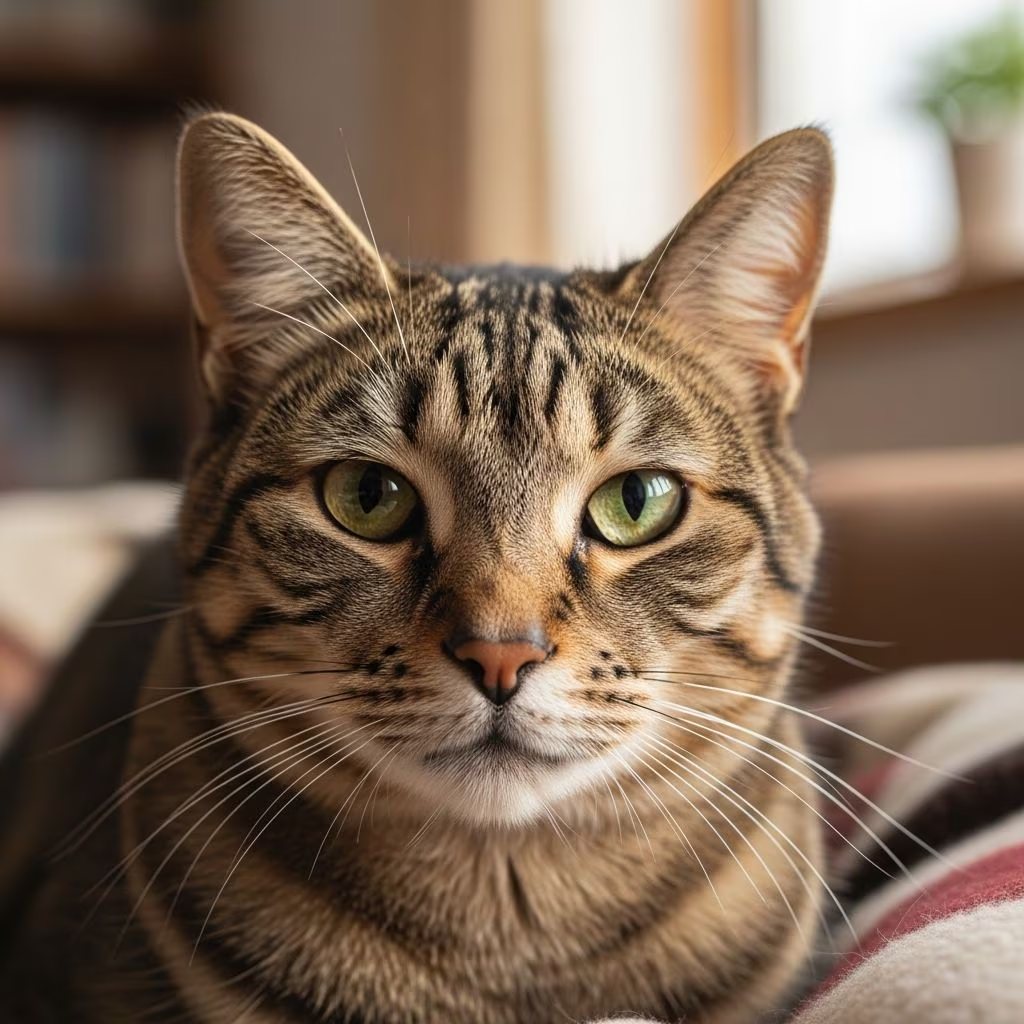
As cats enter their senior years, they may experience significant changes in their cognitive abilities. What pet owners sometimes dismiss as normal aging behavior—such as increased vocalization, altered sleep patterns, or occasional accidents outside the litter box—may actually indicate a progressive neurological condition known as feline cognitive dysfunction (FCD). This age-related brain disorder affects a substantial portion of the elderly feline population and requires careful attention and management to ensure these cherished companions maintain the best possible quality of life during their golden years.
The Nature of Cognitive Dysfunction in Senior Cats
Feline cognitive dysfunction is a degenerative brain condition that develops as cats age, resulting from structural and biochemical changes within the brain tissue. Unlike sudden onset medical emergencies, cognitive dysfunction progresses gradually, and early recognition allows owners to implement interventions that may slow its advancement and improve their cat’s comfort and engagement.
Research demonstrates that cognitive dysfunction affects a significant segment of the aging feline population. Studies indicate that approximately 28% of cats between 11 and 14 years of age display at least one behavioral sign associated with cognitive dysfunction, while this percentage rises substantially to 50% of cats older than 15 years. This prevalence underscores the importance of understanding the condition and recognizing when behavioral changes warrant veterinary consultation.
The fundamental mechanism behind cognitive dysfunction involves the accumulation of abnormal protein fragments called beta-amyloid proteins within the brain tissue. As these proteins build up over time, they form plaques that disrupt communication between neurons and impair normal brain function. Additionally, researchers have documented neuronal loss, brain atrophy, and reduced blood flow to the brain in aging cats with cognitive dysfunction—changes remarkably similar to those observed in human neurodegenerative diseases. These physiological alterations directly impact the cat’s ability to think clearly, remember learned behaviors, and respond appropriately to their environment.
Identifying the Warning Signs
The earliest manifestations of cognitive dysfunction are often subtle and may be mistaken for routine aging. However, distinguishing between normal aging and cognitive decline allows for timely intervention. Pet owners should monitor their senior cats for the following behavioral changes:
- Spatial disorientation: Difficulty navigating familiar home spaces, such as forgetting where the food and water bowls are located or where the litter box is positioned, sometimes resulting in house-soiling incidents in unexpected areas
- Sleep pattern disruption: Changes in sleeping habits, including increased nighttime activity, frequent waking, excessive daytime sleeping, or confusion about day-night cycles
- Increased vocalization: Excessive meowing, yowling, or other vocalizations, particularly during nighttime hours or without apparent reason
- Litter box lapses: Forgetting to use the litter box consistently or having accidents in the home despite previously being reliably house-trained
- Reduced engagement: Diminished interest in interactive play, toys, environmental exploration, or social interaction with family members and other pets
- Purposeless activity: Repetitive pacing, wandering without direction, or appearing confused about their surroundings
- Emotional changes: Increased anxiety, heightened aggression, heightened sensitivity to routine changes, or social withdrawal from previously enjoyed interactions
- Altered memory function: Inability to recognize familiar people or pets, forgetting previously learned commands or behaviors, or confusion in familiar environments
The combination of multiple signs rather than isolated incidents typically indicates cognitive dysfunction. Some cats may display only one or two symptoms initially, while others show more pronounced changes. The key distinction is that these behavioral changes represent a departure from the cat’s normal baseline behavior and persist over time rather than appearing sporadically.
Establishing an Accurate Diagnosis
Because many medical conditions can produce behavioral symptoms similar to cognitive dysfunction, a thorough diagnostic evaluation is essential before concluding that cognitive decline is the underlying cause. Veterinarians must systematically rule out other treatable conditions that could be responsible for the observed behavioral changes.
The diagnostic process typically includes:
- A comprehensive physical examination to assess overall health status
- Blood work to evaluate organ function and screen for metabolic disorders
- Urinalysis to detect urinary tract infections or other urinary system abnormalities
- Thyroid function testing, as hyperthyroidism can cause behavioral changes in senior cats
- Advanced imaging such as X-rays or MRI scans when indicated to identify structural brain changes or other abnormalities
- Behavioral observation over time to document consistent patterns of cognitive decline
Once other medical causes have been systematically excluded, and the veterinarian has confirmed behavioral patterns consistent with cognitive dysfunction, a diagnosis can be established. This diagnostic approach ensures that reversible conditions are identified and treated appropriately while confirming that behavioral changes are indeed attributable to neurological decline.
Therapeutic Approaches and Management Strategies
Although cognitive dysfunction cannot be cured, a comprehensive, multifaceted approach to management can slow disease progression, improve comfort, and enhance the cat’s overall quality of life. Effective management typically combines environmental modifications, dietary interventions, behavioral enrichment, and when appropriate, pharmaceutical support.
Environmental Modification and Enrichment
Creating a supportive living environment tailored to the needs of a cognitively declining cat is fundamental to management. Environmental modifications reduce confusion, minimize stress, and support the cat’s ability to function independently.
- Consistent routine: Maintaining predictable daily schedules for feeding, playtime, and other activities reduces anxiety and helps the cat navigate their day more confidently
- Strategic resource placement: Positioning food bowls, water dishes, and litter boxes in easily accessible, consistent locations helps the cat locate these essential resources without confusion
- Accessible high areas: Cats naturally prefer elevated spaces, so ensuring easy access to favorite perches or platforms through ramps or steps supports continued engagement with their environment
- Mental stimulation: Interactive toys, puzzle feeders, and enrichment activities designed for cats with reduced mobility keep the mind engaged without excessive physical demands
- Familiar comfort items: Maintaining access to beloved toys, blankets, or other familiar objects provides psychological reassurance and security
- Calming pheromones: Synthetic pheromone diffusers can be placed throughout the home to reduce stress and create a more calming atmosphere
- Soft lighting: Maintaining appropriate lighting levels, particularly in nighttime areas, can help reduce disorientation during times when the cat is most confused
Nutritional Support and Supplementation
Diet plays an important role in supporting brain health and may help slow cognitive decline. Several nutritional components have demonstrated potential benefits:
| Nutritional Component | Brain Health Benefit | Dietary Sources |
|---|---|---|
| Omega-3 Fatty Acids | Support neuronal function and reduce inflammation | Fish-based diets, specialized supplements |
| Antioxidants (Vitamins C & E) | Protect brain cells from oxidative damage | Quality cat foods, supplement formulations |
| B Vitamins | Support energy metabolism and neurological function | Fortified commercial diets |
| Calming Proteins | Promote relaxation and reduce anxiety | Royal Canin Calm formulations, specialized diets |
In addition to dietary modifications, specific supplements have shown promise in supporting cognitive function in aging cats. S-adenosylmethionine (SAMe) supports liver and brain function, while standardized herbal extracts and other nutraceuticals designed for cognitive support may provide additional benefits. Consultation with a veterinarian is important to ensure that dietary changes and supplements are appropriate for the individual cat and do not interact with any medications the cat may be taking.
Pharmaceutical Interventions
When environmental modifications and dietary approaches alone are insufficient, veterinarians may recommend pharmaceutical treatment to address specific symptoms and potentially slow cognitive decline. It is important to note that no medications have received FDA approval specifically for treating feline cognitive dysfunction. However, several medications have demonstrated potential benefit when prescribed off-label:
- Selegiline (Anipryl): A monoamine oxidase-B inhibitor that may improve disorientation and mental clarity by affecting neurotransmitter metabolism
- Propentophylline (Vivitonin): Promotes blood flow to the brain and enhances oxygen delivery to neural tissue
- Gabapentin: An anti-anxiety medication that may reduce anxiety symptoms and support comfort, particularly in cats with pain or mobility issues
- Anti-anxiety medications: Prescription anxiolytics prescribed judiciously to address secondary anxiety symptoms without excessive sedation
- Antidepressants: May be considered in cats showing mood-related behavioral changes alongside cognitive decline
- Pain management medications: Joint pain and other age-related discomfort can exacerbate behavioral problems, so pain control supports overall well-being
Medication selection should be individualized based on the cat’s specific symptoms, overall health status, and any concurrent medical conditions. Regular veterinary monitoring ensures that medications are delivering expected benefits and are being tolerated without adverse effects.
Frequently Asked Questions
Can cognitive dysfunction in cats be reversed?
No, cognitive dysfunction cannot be cured or reversed. However, early intervention with management strategies can slow disease progression and help maintain the cat’s quality of life and comfort during their remaining years.
At what age should I start monitoring for cognitive dysfunction?
While cognitive dysfunction can theoretically affect cats of any age, it becomes increasingly common after age 10. Pet owners should begin observing their cats’ behavior more carefully during the senior years and discuss any concerning changes with their veterinarian.
Is cognitive dysfunction painful?
Cognitive dysfunction itself is not directly painful, though the anxiety and stress associated with disorientation and confusion may cause psychological distress. Additionally, senior cats may have concurrent pain from arthritis or other age-related conditions.
How long do cats live after diagnosis?
Life expectancy following a cognitive dysfunction diagnosis varies widely depending on the cat’s overall health, the severity of cognitive decline, and the effectiveness of management strategies. Some cats maintain good quality of life for several years with appropriate care.
Can younger cats develop cognitive dysfunction?
Cognitive dysfunction is primarily an age-related condition, though rare cases have been documented in younger cats. Age remains the most significant risk factor for developing this condition.
Supporting Your Senior Cat Through Cognitive Decline
A diagnosis of feline cognitive dysfunction does not mean the end of your cat’s ability to enjoy life. With thoughtful management, veterinary support, and compassionate care, many senior cats continue to experience comfort, engagement, and affection despite cognitive decline. The key is recognizing early signs, establishing an accurate diagnosis, and implementing a comprehensive management plan that addresses the cat’s individual needs.
Regular communication with your veterinarian, patience with behavioral changes, and willingness to adapt your cat’s environment and care routine all contribute to maintaining the best possible quality of life during this challenging phase. By understanding cognitive dysfunction and responding proactively to its symptoms, you honor the special bond you share with your senior companion.
References
- Cognitive Dysfunction in Cats — Cornell Feline Health Center, College of Veterinary Medicine, Cornell University. 2024. https://www.vet.cornell.edu/departments-centers-and-institutes/cornell-feline-health-center/health-information/feline-health-topics/cognitive-dysfunction
- Dementia in Cats — PetMD. 2024. https://www.petmd.com/cat/conditions/neurological/dementia-cats
- Cat Dementia: Signs, Treatments and Causes — Pets Best Insurance. 2024. https://www.petsbest.com/blog/cat-dementia
- Feline Cognitive Dysfunction & Cat Dementia and How To Help — Hill’s Pet Nutrition. 2024. https://www.hillspet.com/cat-care/healthcare/cat-dementia-in-seniors
- Detection and Management of Cognitive Dysfunction in Cats — Vetster. 2024. https://vetster.com/en/wellness/detection-and-management-of-cognitive-dysfunction-in-cats



