

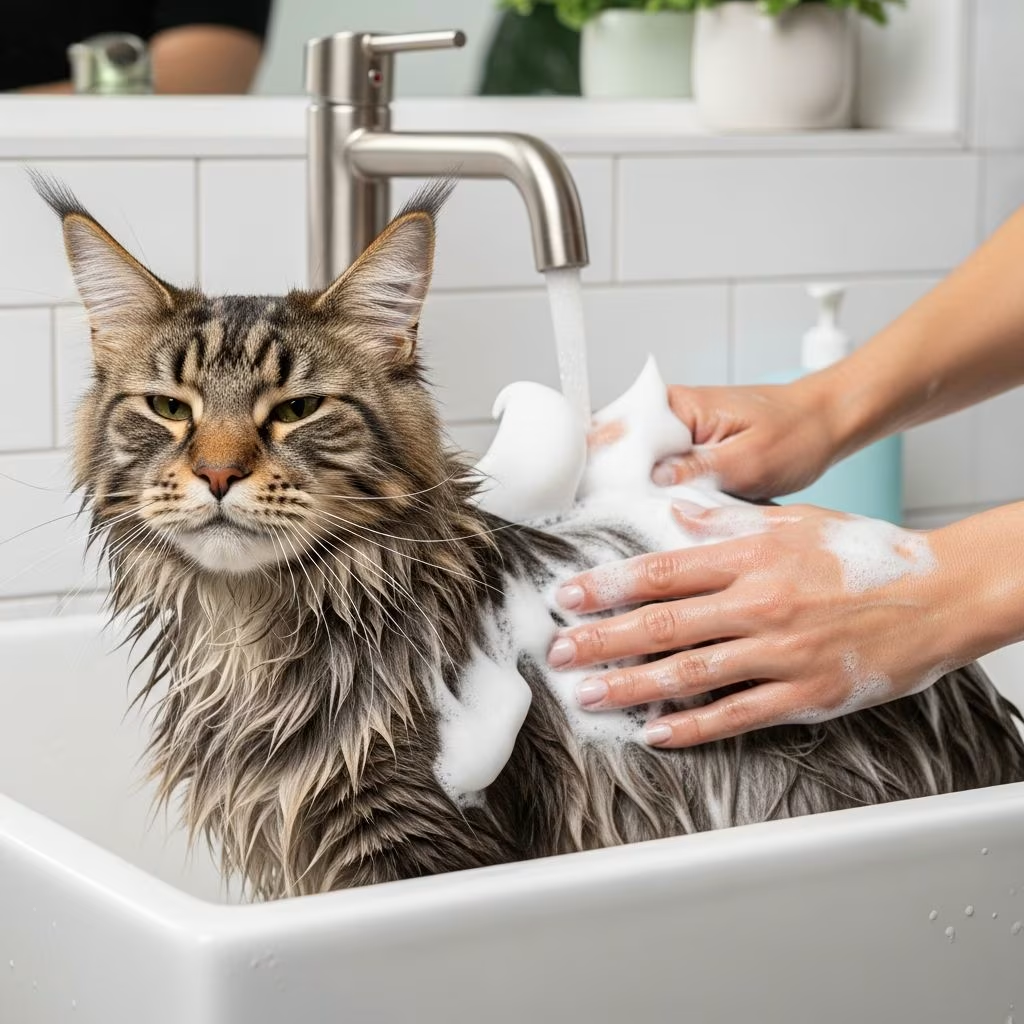
Many pet owners share their homes with both cats and dogs, which naturally raises practical questions about grooming supplies and their interchangeability. One of the most common questions veterinarians encounter is whether dog shampoo can be used on cats. The straightforward answer is no—using dog shampoo on felines can compromise their health and comfort. Understanding the reasons behind this recommendation requires examining the fundamental biological differences between these two species and how those differences translate into distinct grooming requirements.
Understanding Your Cat’s Unique Skin Biology
Before exploring why certain shampoos pose risks to cats, it is essential to understand what makes feline skin fundamentally different from canine skin. While both cats and dogs require regular grooming and skin care, their dermatological needs diverge significantly due to evolutionary adaptations and physiological distinctions.
Feline skin operates within a more acidic environment compared to dogs. This acidity level, measured on the pH scale, directly influences which cleaning products are appropriate for each species. Cats maintain a skin pH ranging from approximately 6.0 to 7.0, reflecting their naturally acidic skin composition. This acidic state is not incidental but rather a critical component of their skin’s protective barrier system.
Additionally, cats possess thinner, more delicate skin layers than their canine counterparts. This structural difference means their skin requires gentler formulations and more careful product selection. The sensitivity of feline skin extends beyond just physical thickness—their skin responds differently to chemical exposure and is more prone to irritation from unsuitable ingredients.
The pH Mismatch Problem
The most significant incompatibility between dog shampoo and cat skin revolves around pH balance. Dog shampoos are specifically formulated to match canine skin chemistry, which operates at a more alkaline pH level ranging from 5.5 to 7.2. Most commercially available dog shampoos lean toward the alkaline side of this spectrum, typically around 7.5.
When a cat is bathed with a shampoo formulated for this higher pH level, the alkaline formula disrupts the cat’s natural skin barrier. This disruption triggers several harmful cascading effects:
- Depletion of the skin’s natural protective oils
- Increased evaporation of moisture from skin cells
- Weakening of the skin’s defensive barrier against bacteria and fungi
- Increased vulnerability to environmental irritants
- Potential for immediate or delayed inflammatory responses
Even a single application of alkaline shampoo can begin this destructive process, and repeated exposure compounds the damage substantially.
Natural Oil Depletion and Its Consequences
A cat’s skin naturally produces sebum—a protective oil that serves multiple critical functions for coat and skin health. This oil maintains moisture balance, provides insulation, offers protection against parasites and pathogens, and contributes to the coat’s natural shine and texture.
Dog shampoos contain surfactants and cleansing agents formulated to effectively remove dirt and debris from the thicker, coarser coats of canines. These powerful cleaning agents work by breaking down oils and dirt buildup. When applied to cat skin, they strip away not just dirt but also the essential natural oils that protect the feline’s delicate skin.
The consequences of oil depletion include:
- Dryness and flaking: Without adequate oil protection, skin becomes dehydrated and develops visible scaling
- Itching and discomfort: Dry skin triggers itching responses that can lead to excessive scratching and secondary infections
- Coat quality decline: Without natural oils, the fur becomes dull, brittle, and prone to breakage
- Increased grooming stress: Discomfort during grooming can create negative associations with bathing
Hazardous Ingredients in Canine Formulations
Beyond pH incompatibility, specific ingredients commonly found in dog shampoos pose direct toxicological threats to cats. Pet owners and caregivers must remain vigilant about these dangerous substances.
Permethrin: The Flea Treatment Danger
Permethrin stands as the most critical ingredient to avoid when considering any dog product for cats. This synthetic pesticide is widely used in flea and tick shampoos for dogs, where it is considered safe and effective. However, the same substance is highly toxic to felines.
The toxicity mechanism differs between species due to genetic variations in how their bodies metabolize certain chemicals. Cats lack specific liver enzymes needed to efficiently break down and eliminate permethrin from their bodies. This metabolic vulnerability means that even small exposures can accumulate, leading to poisoning.
Dangerous exposure pathways include:
- Skin absorption during bathing
- Ingestion through grooming after shampooing
- Environmental contact with residue on furniture or bedding
- Cross-contamination from bathing a dog and then handling a cat
Symptoms of permethrin toxicity in cats include tremors, drooling, loss of appetite, lethargy, and in severe cases, seizures or death.
Essential Oils and Plant-Based Extracts
Many premium dog shampoos incorporate essential oils for their antibacterial, antifungal, and aromatic properties. Ingredients like tea tree oil, eucalyptus oil, lavender, and citrus extracts are generally considered safe for dogs. However, cats demonstrate heightened sensitivity to these concentrated plant compounds.
The reason for this sensitivity involves both feline metabolism and behavioral factors. Cats lack certain liver enzymes and detoxification pathways that make essential oils problematic for their bodies. Additionally, cats spend considerable time grooming, meaning any residual oils on their fur enter their digestive system. The concentration and potency of pure essential oils can irritate feline mucous membranes and cause gastrointestinal upset.
Coal Tar and Other Therapeutic Agents
Some medicated dog shampoos contain coal tar for managing conditions like seborrhea or other skin issues in canines. While therapeutic for dogs, coal tar creates complications for cats by coating their fur in a way that interferes with their grooming ability. This interference causes stress, prevents natural self-cleaning, and can lead to matting and accumulation of dirt and debris.
Comparing Feline and Canine Grooming Biology
| Characteristic | Cats | Dogs |
|---|---|---|
| Skin pH Range | 6.0–7.0 (acidic) | 5.5–7.2 (near neutral to slightly alkaline) |
| Skin Thickness | Thinner and more delicate | Thicker and more robust |
| Coat Type | Fine, dense fur requiring gentle handling | Varies; often coarser and more durable |
| Self-Grooming Behavior | Frequent throughout the day; ingests residues | Minimal self-grooming; less ingestion risk |
| Tolerance for Bathing | Generally resistant; requires gentle care | More accepting; more tolerant of solutions |
| Sense of Smell | Extremely sensitive; easily overwhelmed | Strong but less reactive to scent intensity |
Why Universal Pet Shampoos Are Rarely Appropriate
Some manufacturers produce shampoos marketed as safe for both dogs and cats. While such dual-purpose formulas can exist, they represent a compromise between two different biological requirements. These products must balance a more acidic pH suitable for cats while remaining effective for canine coat cleaning—a challenging proposition.
Most so-called universal pet shampoos lean slightly more toward feline safety, which means they may be less effective for dogs’ specific grooming needs. Conversely, any formula attempting to prioritize canine benefits typically becomes unsuitable for cats. Pet owners should scrutinize ingredient lists and pH specifications on any multi-species shampoo before purchasing.
The Role of Scent Sensitivity in Product Selection
Cats possess an extraordinarily sensitive olfactory system—their ability to detect and distinguish scents far exceeds that of dogs and humans. This heightened sensitivity makes them vulnerable to sensory overwhelm from heavily scented products.
Dog shampoos frequently incorporate perfuming agents to appeal to human preferences and create pleasant grooming experiences for dog owners. These fragrances, whether synthetic or natural, can trigger adverse reactions in cats including:
- Stress responses from sensory overload
- Respiratory irritation
- Behavioral changes and avoidance of grooming areas
- Excessive drooling or nose clearing
Cat-specific shampoos typically omit strong fragrances or use only minimal scenting agents, respecting the feline olfactory system’s sensitivity.
Practical Guidance for Cat Owners
Pet owners committed to maintaining their cat’s coat health should prioritize cat-formulated shampoos that are pH-balanced and developed specifically for feline skin requirements. When selecting a cat shampoo, examine product labels for the following markers of quality and safety:
- Explicit statement of pH balance appropriate for cats
- Absence of permethrin, essential oils, and coal tar
- Minimal or no added fragrances
- Inclusion of moisturizing ingredients like oatmeal or aloe
- Veterinary endorsement or formulation
- Clear ingredient transparency
For cats with specific skin conditions or sensitivities, consulting with a veterinarian before bath time ensures appropriate product selection and identifies any underlying dermatological issues that require special attention.
Common Questions About Feline Shampoo Choices
Can Human Shampoo Be Used on Cats?
No. Human shampoo is formulated for skin with a pH range of 4.5 to 5.5—even more acidic than cat skin. While this might seem advantageous, human shampoos are designed with human hair structure and skin composition in mind. They contain ingredients that are inappropriate for feline skin and can cause irritation, dryness, and coat damage equivalent to dog shampoo risks.
Is Baby Shampoo Safe for Cats?
Although baby shampoos are marketed as gentle products for delicate infant skin, they remain unsuitable for cats. Baby shampoo is still formulated for human skin composition and pH levels. The gentleness that makes baby shampoo appropriate for human infants does not translate to safety for feline use. Using baby shampoo on cats introduces the same pH mismatch and ingredient incompatibility problems as standard human shampoos.
What About Unmedicated Dog Shampoos?
Even unmedicated dog shampoos designed solely for cleansing contain pH levels, surfactants, and potentially fragrance components that make them unsuitable for cats. The absence of flea medication does not eliminate the fundamental incompatibility of the formulation with feline skin biology.
Supporting Feline Skin and Coat Health
Beyond shampoo selection, comprehensive coat care involves multiple elements. Regular brushing maintains coat health, distributes natural oils, prevents matting, and reduces loose hair ingestion during grooming. Most cats appreciate gentle brushing sessions and benefit from the improved circulation and bonding time with their owners.
Bathing should occur only when necessary—typically in cases of contamination or specific skin conditions. When bathing becomes necessary, use lukewarm water, cat-specific products, gentle handling, and rapid drying to minimize stress and skin exposure to moisture.
Nutritional support from high-quality cat food containing adequate omega fatty acids, proteins, and essential vitamins contributes significantly to coat quality and skin health from the inside out.
Conclusion: The Importance of Species-Appropriate Care
The temptation to use multi-purpose products across different pets in a household is understandable from a practical and economic perspective. However, the biological differences between cats and dogs are profound enough that such shortcuts compromise feline health. Cats depend on species-appropriate grooming products formulated for their unique pH chemistry, skin sensitivity, and grooming behaviors.
By respecting these differences and investing in proper feline grooming supplies, pet owners demonstrate genuine care for their cats’ wellbeing and help ensure their coats remain healthy, lustrous, and comfortable for years to come.
References
- Can You Use Dog Shampoo on Cats? — Purina US. February 2026. https://www.purina.com/articles/cat/health/routine-care/can-you-use-dog-shampoo-on-cats
- Can I use Dog Shampoo on Cats? — Cindra Pet Products. https://cindra.net/blogs/news/can-i-use-dog-shampoo-on-cats
- Can you use dog shampoo on cats? — Pride+Groom. https://prideandgroom.com/blogs/dog-grooming-tips-blog/can-you-use-dog-shampoo-on-cats
- How To Choose The Right Dog & Cat Shampoo — VCA Animal Hospitals. https://vcahospitals.com/resources/conditions-dog/skin-coat/tailor-your-pet-s-shampoo-to-their-skin-care-needs



