

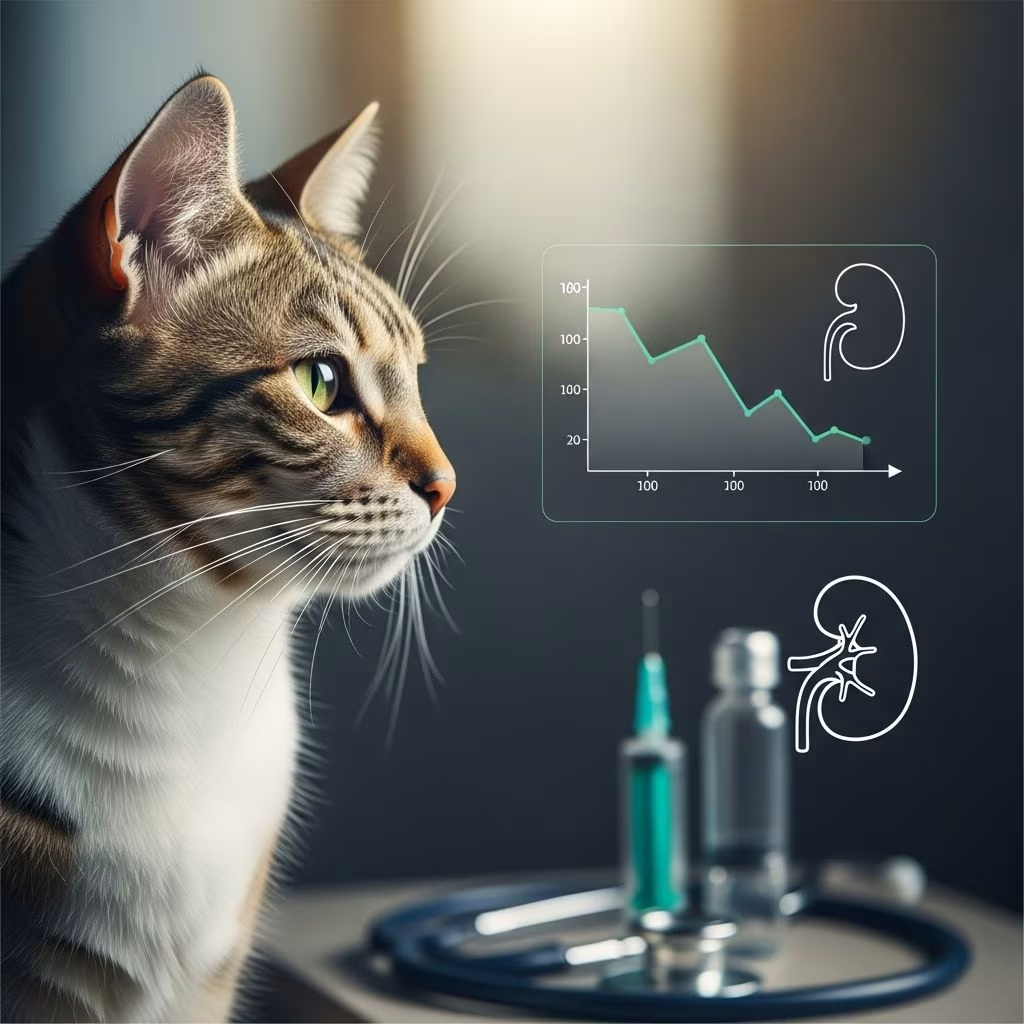
Chronic kidney disease (CKD) affects a significant number of older cats, progressively impairing their ability to filter waste from the blood. This condition, also known as chronic renal failure, demands proactive veterinary care to manage symptoms and slow progression. Early intervention through diet, hydration, and medications can greatly enhance a cat’s comfort and longevity.
Understanding the Kidney’s Role in Cats
Cats rely on their kidneys to regulate fluids, electrolytes, and waste products while producing hormones essential for red blood cell production and bone health. In CKD, nephrons—the functional units of the kidneys—gradually lose function, leading to toxin buildup known as uremia. Unlike acute kidney injury, CKD develops slowly, often over years, allowing cats to compensate until advanced stages when clinical signs emerge.
Primary Causes and Risk Factors
While the exact cause is often idiopathic in older cats, contributing factors include chronic infections, toxins like antifreeze, genetic predispositions, and conditions such as hypertension or hyperthyroidism. Breeds like Persians and Siamese may face higher risks due to hereditary traits. Age is the biggest factor, with prevalence rising sharply after age 10; up to 30-50% of senior cats show evidence of CKD on necropsy.
Recognizing Early Warning Signs
Subtle initial symptoms include increased thirst (polydipsia) and urination (polyuria), as failing kidneys cannot concentrate urine. Owners might notice larger litter box clumps or more frequent water bowl refills. As the disease advances, signs escalate to weight loss, reduced appetite, vomiting, bad breath (halitosis from uremic toxins), lethargy, and poor coat quality. In severe cases, mouth ulcers, anemia-related pallor, and neurological issues like disorientation signal emergencies.
- Increased drinking and urination: Often the first noticeable change.
- Gastrointestinal upset: Nausea, vomiting, and diarrhea from toxin accumulation.
- Muscle weakness: Linked to low potassium levels.
- Anemia symptoms: Pale gums, fatigue due to reduced erythropoietin production.
Staging CKD for Targeted Care
Veterinarians use the International Renal Interest Society (IRIS) staging system based on blood creatinine levels, urine specific gravity, and proteinuria to guide treatment. This framework prioritizes interventions by disease severity.
| Stage | Creatinine Level (mg/dL) | Key Focus |
|---|---|---|
| 1 | <1.6 | Identify and treat underlying issues; monitor closely. |
| 2 | 1.6-2.8 | Renoprotective measures like diet changes. |
| 3 | 2.9-5.0 | Slow progression with phosphorus control and hypertension management. |
| 4 | >5.0 | Symptom relief and quality-of-life support. |
Staging helps tailor plans: early stages emphasize prevention, while later ones focus on palliation. Regular bloodwork and urinalysis track progression.
Diagnostic Approaches
Diagnosis starts with history and physical exam, followed by blood tests measuring creatinine, blood urea nitrogen (BUN), phosphorus, and potassium. Urine tests assess concentration ability and protein loss. Blood pressure checks detect hypertension, a common complication. Advanced imaging like ultrasound or X-rays rules out obstructions or stones. In some cases, fine-needle aspirates evaluate for infections.
Core Treatment Strategies
Management aims to minimize waste buildup, sustain hydration, balance electrolytes, control blood pressure, and support nutrition. No cure exists, but multimodal therapy extends life.
Dietary Modifications
Renal diets are cornerstone treatments, featuring restricted high-quality protein, low phosphorus, and increased omega-3 fatty acids to reduce kidney workload and slow fibrosis. Transition gradually over weeks to avoid refusal. These diets lower parathyroid hormone (PTH) and improve survival.
Phosphorus Management
Hyperphosphatemia accelerates CKD; binders like aluminum hydroxide or calcium carbonate bind dietary phosphorus in the gut. Used alongside renal diets when blood levels remain elevated, they decrease PTH and uremia.
Hydration Support
Dehydration worsens kidney damage, so strategies include wet food, multiple water sources, and fountains to boost intake. Subcutaneous fluids (SQ)—administered under the skin at home or clinic—flush toxins and prevent constipation, especially in stages 3-4. Frequency varies from daily to weekly.
Medications for Symptom Control
- Potassium supplements: Counter hypokalemia causing weakness.
- Anti-emetics and appetite stimulants: Combat nausea and inappetence.
- Antihypertensives: ACE inhibitors like benazepril reduce proteinuria and improve appetite.
- Anemia treatments: Oral molidustat or injections stimulate red blood cell production.
- Antibiotics: For recurrent urinary tract infections.
- B vitamins: Replenish losses from dilute urine.
Advanced Interventions
For end-stage cases, options like renal transplants or continuous renal replacement therapy (dialysis) offer hope in specialized centers, filtering blood externally. Phosphate binders and calcitriol may provide renoprotection.
Monitoring and Home Care Tips
Schedule rechecks every 1-3 months, adjusting based on labs and clinical response. Track weight, water intake (aim for 40-60ml/kg/day), and litter output. Home SQ fluid training empowers owners. Avoid nephrotoxic drugs and ensure prompt treatment of dehydration.
Prognosis and Quality of Life
Prognosis varies by stage at diagnosis: stage 2 cats may live years with management, while stage 4 survival averages months. Focus on humane endpoints—persistent anorexia, severe anemia, or distress—guides euthanasia discussions. Many cats maintain good quality of life with diligent care.
Frequently Asked Questions (FAQs)
What is the life expectancy for a cat with CKD?
Depends on stage: early detection yields 1-3+ years; advanced cases shorter with supportive care.
Can CKD be reversed in cats?
No, it’s progressive and irreversible, but treatments slow advancement.
Is wet food better for cats with kidney issues?
Yes, it boosts hydration and pairs well with renal diets.
How often should I give subcutaneous fluids?
Vet-determined, often 2-3 times weekly for moderate CKD.
What are signs my cat needs emergency care?
Severe vomiting, lethargy, no urination, or seizures.
Preventive Measures for Healthy Kidneys
Annual senior wellness exams with bloodwork detect CKD early. Maintain ideal weight, provide dental care to prevent infections, and use toxicsafeguards. Hydration-promoting environments benefit all cats.
References
- Treatment Guidelines for Chronic Kidney Disease in Dogs & Cats — Today’s Veterinary Practice. 2023. https://todaysveterinarypractice.com/urology-renal-medicine/treatment-chronic-kidney-disease-dogs-cats/
- Chronic Kidney Disease in Cats — VCA Animal Hospitals. 2024. https://vcahospitals.com/know-your-pet/kidney-failure-chronic-in-cats
- Kidney Failure in Cats: Symptoms, Treatment & More — Bond Vet. 2024. https://bondvet.com/blog/kidney-failure-in-cats
- Feline CKD: Current therapies – what is achievable? — PMC – NIH. 2024-01-15. https://pmc.ncbi.nlm.nih.gov/articles/PMC10816691/
- Kidney Disease in Cats: Causes, Signs, and Treatment — Best Friends Animal Society. 2024. https://bestfriends.org/pet-care-resources/kidney-disease-cats-causes-signs-and-treatment
- Chronic Kidney Disease — Cornell University College of Veterinary Medicine. 2024. https://www.vet.cornell.edu/departments-centers-and-institutes/cornell-feline-health-center/health-information/feline-health-topics/chronic-kidney-disease
- Kidney Disease in Cats: Signs, Causes, and Treatment — PetMD. 2024. https://www.petmd.com/cat/conditions/urinary/kidney-disease-cats



