

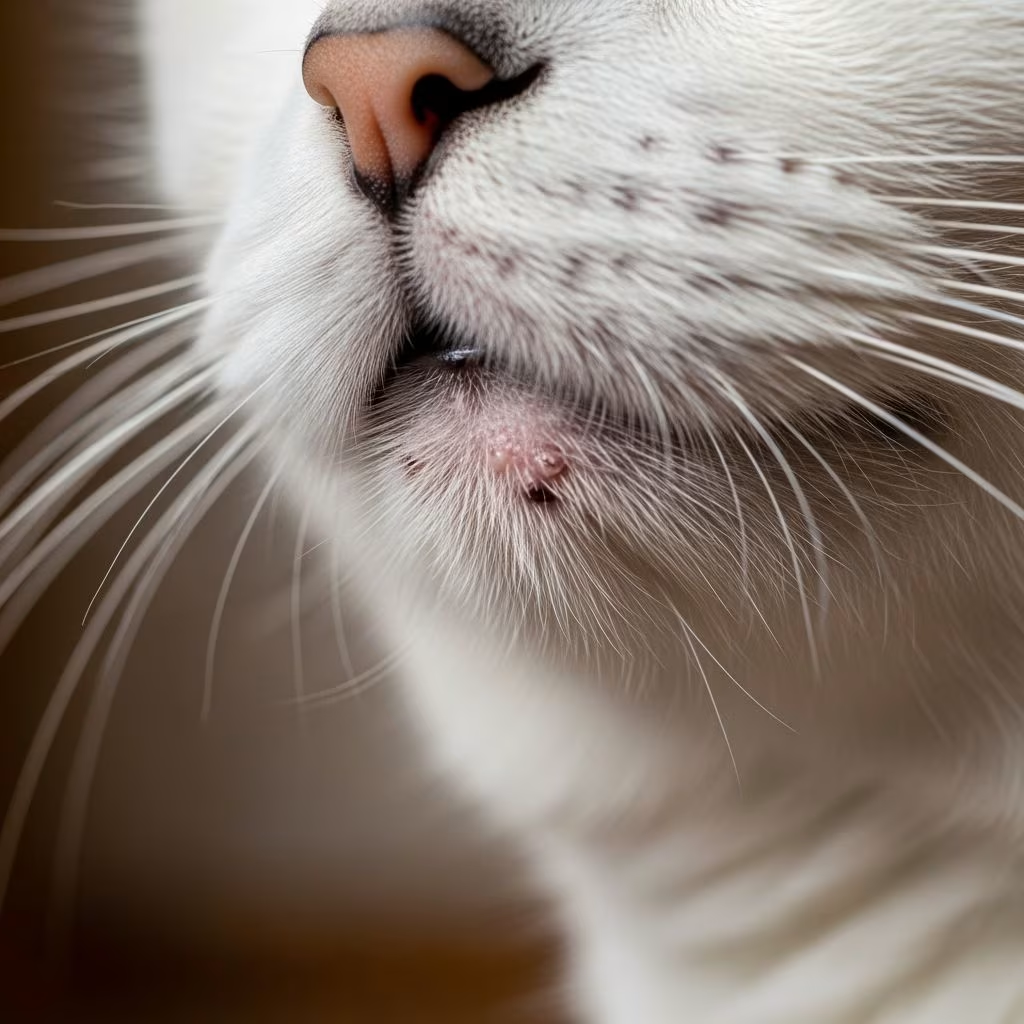
Feline chin acne, a frequent skin problem in cats, manifests mainly on the chin and lips through blocked follicles leading to blackheads and potential infections. This condition arises from excess keratin and oil trapping in hair follicles, often worsened by grooming issues or environmental factors.
Understanding the Basics of Cat Skin Acne
Cat acne involves overproduction of keratin, the protein forming the skin’s outer layer and hair structure, which clogs follicles and forms comedones or blackheads. Bacterial infection of these can create pustules resembling pimples. Unlike human acne tied to hormones, feline cases link more to hygiene, sebum excess, and follicle blockage.
The chin area proves most susceptible due to frequent contact with food, water, and rubbing surfaces, accumulating debris and oils. While not life-threatening, untreated acne risks chronic inflammation, pain, and secondary infections.
Common Triggers Behind Feline Acne Outbreaks
Several factors contribute to cat chin acne development. Poor grooming allows debris buildup, clogging pores. Excessive sebum from overactive glands traps keratin, fostering blackheads.
- Plastic Bowls: Porous surfaces harbor bacteria, irritating skin upon contact.
- Stress and Hormones: Heighten oil production and weaken skin barriers.
- Allergies: Food or environmental sensitivities provoke inflammation.
- Infections: Viruses like herpesvirus or calicivirus may play roles.
- Medications or Illness: Certain drugs or immunosuppression exacerbate issues.
Though exact causes remain unclear, combining these elements often sparks outbreaks. Veterinary experts note lifelong management suits most cases.
Key Symptoms to Watch for in Your Cat
Early detection aids prompt intervention. Initial signs include small black dots on the chin mistaken for dirt, actually comedones.
| Stage | Symptoms | Severity |
|---|---|---|
| Mild | Blackheads, mild redness | Non-painful, cosmetic |
| Moderate | Swelling, pustules, itching | Cat rubs chin excessively |
| Severe | Infected cysts, oozing, hair loss, pain | Furunculosis, crusting |
Owners often spot “dirty chins” with swollen, inflamed lips. Chronic cases yield hard, sore lesions. Monitor for rubbing on furniture or reluctance to eat.
Diagnosis Process for Accurate Identification
Vets diagnose via visual exam, revealing blackheads and follicle issues. They may swab for bacteria or biopsy severe lesions to exclude allergies, ringworm, or demodex. History of diet, bowls, and grooming informs assessment. No specific test exists; it’s clinical.
Effective Treatment Strategies by Severity
Treatment scales with condition stage, prioritizing hygiene.
Mild Cases: Home and Topical Care
Gentle cleansing forms the foundation. Use cat-safe benzoyl peroxide wipes or chlorhexidine shampoos daily to flush follicles. Wipe chin post-meals; clip fur to reduce bacteria. Antibiotic ointments combat early infections.
Moderate to Severe: Veterinary Interventions
Prescription antibiotics (oral/injectable) clear bacterial overgrowth. Anti-inflammatories or steroids ease swelling. Refractory cases may need isotretinoin, monitored closely. Omega-3 supplements support skin barrier.
Gradually taper topicals as skin improves, establishing maintenance routines.
Everyday Prevention Tactics for Clear Skin
Proactive steps minimize recurrences.
- Bowl Switch: Use stainless steel, glass, or ceramic; wash daily.
- Hygiene Routine: Clean chin daily, brush regularly.
- Diet Optimization: Hypoallergenic food with omega-3s bolsters skin health.
- Stress Reduction: Enrich environment to curb flare-ups.
- Grooming Aids: Short-clip chin hair if prone.
Regular vet check-ups catch issues early.
Holistic and Supportive Remedies
Under vet guidance, natural options complement care. Omega fatty acids reduce inflammation. Some explore aloe vera or tea tree oil topicals, but efficacy varies and risks exist. Prioritize evidence-based approaches.
When to Seek Professional Veterinary Help
Contact a vet if blackheads persist post-cleaning, or if swelling, pus, bleeding, or pain appears. Refusal to eat or behavioral changes signal urgency. Early action prevents chronicity.
Frequently Asked Questions About Cat Acne
Is cat chin acne contagious?
No, it’s not transmissible to other cats or humans; it’s a follicular disorder.
Can diet alone cure cat acne?
Diet supports but doesn’t cure; combine with hygiene.
How long does treatment take?
Mild cases clear in weeks; severe may need months of management.
Why does my cat keep getting acne?
Often lifelong; maintenance prevents flares.
Are over-the-counter wipes safe?
Use cat-specific; human products irritate.
Maintaining vigilance ensures your cat’s comfort. Consistent care transforms management into routine, yielding clear, healthy skin.
References
- Cat Acne – PetMD — PetMD. 2023. https://www.petmd.com/cat/conditions/skin/cat-acne
- Cat Acne: Causes, Prevention, and Treatment Options — Boulder Veterinary Hospital. 2023. https://bouldervet.com/blog/cat-acne/
- What You Need to Know About Cat Acne — Little Silver Animal Hospital. 2023. https://littlesilveranimalhospital.com/blog/what-you-need-to-know-about-cat-acne/
- Why Does My Cat Have Chin Acne? Causes and Solutions — Orchard Road Animal Hospital. 2023. https://www.orchardroadanimalhospital.com/services/cats/blog/why-does-my-cat-have-chin-acne-causes-and-solutions-feline-breakouts
- Managing Feline Acne — Texas A&M College of Veterinary Medicine. 2023. https://vetmed.tamu.edu/news/pet-talk/managing-feline-acne/
- Chin Acne in Cats — VCA Animal Hospitals. 2023. https://vcahospitals.com/know-your-pet/chin-acne-in-cats



